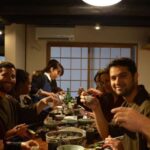
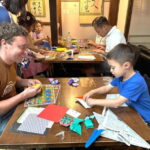
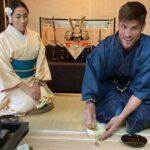
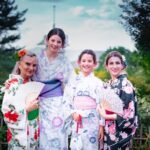
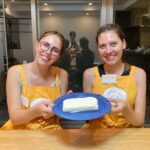
Kyoto dumplings are easy to eat, harder to make. This class turns gyoza into a hands-on project, with you wrapping, cooking, and tasting your own batch in about 90 minutes. I love the hands-on gyoza wrapping practice, and I also like having an English-speaking instructor who keeps you moving step by step. One consideration: it’s not set up for wheelchair users, and you’ll be working at a prep area for most of the session.
The format is friendly for beginners, but not dumbed down. You’ll pick fillings, learn techniques, and get a full recipe you can use later at home. If you’re traveling with kids, it’s also the kind of activity that can keep younger hands busy and focused without being boring.
In This Review
- Key Highlights You’ll Actually Use
- Kyoto Gyoza Class: Why Making Beats Ordering
- Finding the Class Near Karasuma Oike Station
- 90 Minutes of Food Skills: What the Session Really Does
- Choosing Meat and Vegetable Fillings Without Overthinking It
- Wrapping Gyoza: The Moment You Feel It Click
- Pan-Cooking Your Dumplings: Getting Crisp and Juicy
- The Samurai Photo Moment: A Silly Detour That Works
- Taking Home the Full Gyoza Recipe
- Price and Value: Is $127 Worth It?
- Who This Class Fits Best (And Who Might Skip It)
- My Take: Should You Book This Gyoza Workshop in Kyoto?
- FAQ
- How long is the gyoza cooking class in Kyoto?
- Where is the meeting point?
- What is included in the price?
- Are transportation costs included?
- Do I get the recipe to cook gyoza at home?
- What languages are used during the class?
- Is the class suitable for wheelchair users?
- What should I do if I have allergies or dietary restrictions?
- What is the cancellation policy?
Key Highlights You’ll Actually Use
- Choose your own filling with options that mix meat and vegetables
- Learn proper wrapping technique so your dumplings cook up clean and tidy
- Pan-cook as you learn and eat the gyoza you make fresh
- Samurai photo moment for a fun Kyoto memory with your new skill
- Take-home recipe so you can repeat the results later
Kyoto Gyoza Class: Why Making Beats Ordering
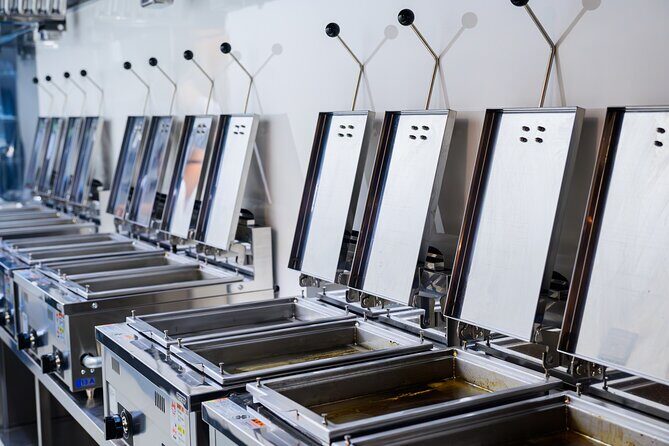
Kyoto has plenty of great food. But when you sit down with gyoza at a restaurant, you’re mostly watching. Here, you do the work: selecting ingredients, shaping the dumplings, and cooking them on the pan until they’re ready to eat.
I like classes like this because they teach more than one trick. You learn how fillings behave, how dough stretches and folds, and how cooking time affects the texture. Even if you don’t become a dumpling person overnight, you’ll come away with a method you can repeat.
And gyoza itself is a smart choice for a hands-on class. It’s simple enough to tackle in 90 minutes, yet there are enough small technique points that the results feel earned. One person can make something okay. You can make something reliably good.
Other cooking classes in Kyoto


Finding the Class Near Karasuma Oike Station
The meeting point is easy to reach by subway. You’ll be about a 5-minute walk from Exit 2 of Karasuma Oike Station on the Karasuma Line and Tozai Line, and it’s close enough that you won’t feel trapped in logistics.
That matters because you’re cooking. You don’t want to spend your appetite and energy herding yourself through long transfers before the lesson starts. This location is a practical base for a pre-dinner activity, especially if you’re already using the Karasuma Line or Tozai Line around central Kyoto.
You should budget for getting yourself there. Transportation expenses aren’t included, but the walk from the station is short.
90 Minutes of Food Skills: What the Session Really Does
This is an interactive workshop. You’re not just watching someone else make dumplings while you take notes. The structure is built around doing, with guidance that keeps you from getting stuck.
In the broad flow, expect:
- an intro and setup for tools and workspace
- choosing fillings and ingredients
- hands-on wrapping practice
- cooking your dumplings in the pan
- eating what you made
- a photo moment with a Samurai setup
- getting the full recipe to take home
If you’re a complete beginner, that’s a big deal. The goal is that you leave with dumplings you can be proud of, not just a vague idea of how gyoza work.
Also, you get one free drink. It’s a small inclusion, but it helps the whole thing feel like an evening plan, not a rushed cooking errand.
Choosing Meat and Vegetable Fillings Without Overthinking It
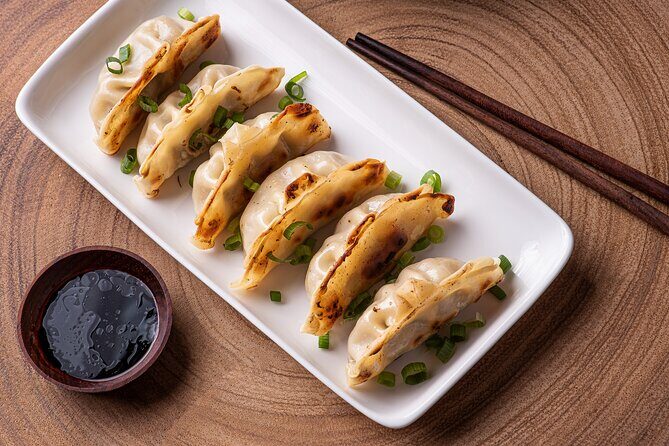
One of the best parts of this class is that you choose from different filling options. That’s not just a menu perk. It’s also a skill lesson.
Different fillings behave differently in the wrap. You’ll learn that the ingredient mix changes texture and how the dumpling tastes when it hits the pan. It also helps you customize flavors to your own preferences, which means you’re more likely to enjoy the results you cook.
You’ll also be able to handle common dietary questions ahead of time. The workshop asks you to inform them in advance about allergies or dietary restrictions. Do that early so you’re not scrambling on the day.
If you’re the group planner, this is a good class for mixed preferences: one person can lean vegetable-forward, another can pick a meat option, and you still all end up cooking the same basic technique.
Wrapping Gyoza: The Moment You Feel It Click
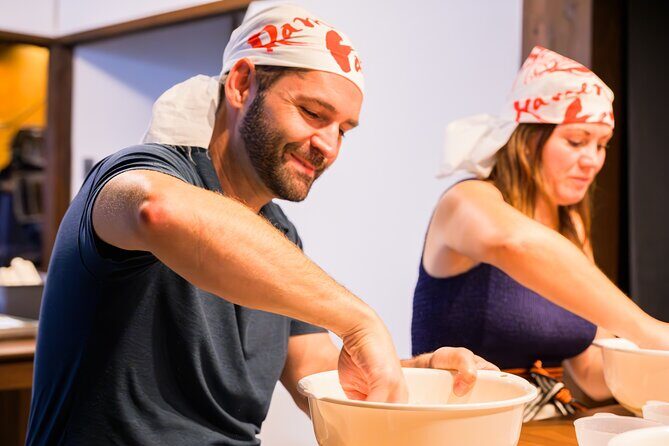
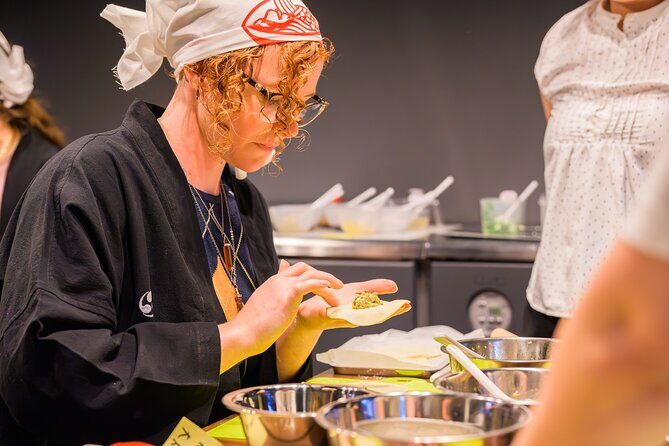
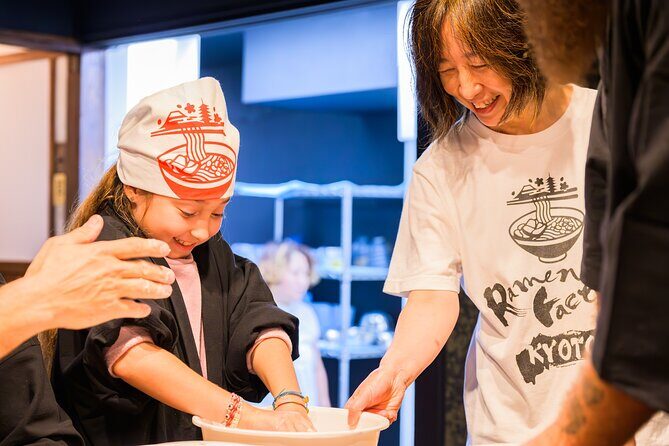
Wrapping is the heart of the class. You’ll learn authentic techniques for shaping gyoza, with instruction that works even if you’ve never touched dumpling dough before.
In practice, the skill boils down to three things:
1) how you portion the filling
2) how you fold and seal the wrapper
3) how you form the dumpling so it holds together while cooking
The workshop gives you tools, so you’re not hunting for gadgets or buying equipment. The instructor guides you through the process, and you practice your own dumplings rather than relying on a chef to do the final assembly.
This is also where the class feels most fun. Gyoza wrapping has that satisfying hands-on rhythm. You’ll likely make a few that look better than others, then the technique improves fast once you get the hang of it. That’s exactly what you want from a cooking class: visible progress in one sitting.
A few more Kyoto tours and experiences worth a look


Pan-Cooking Your Dumplings: Getting Crisp and Juicy
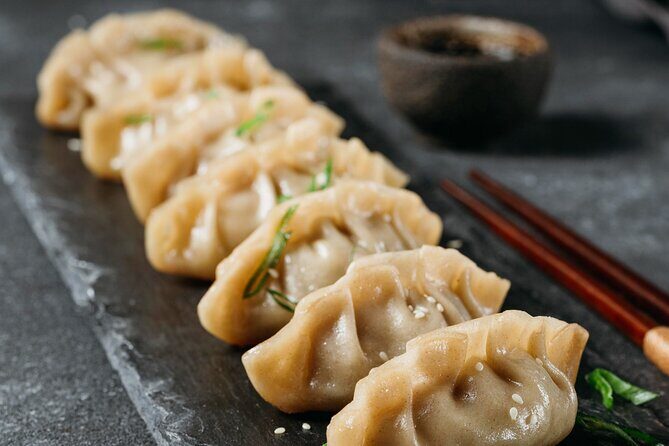
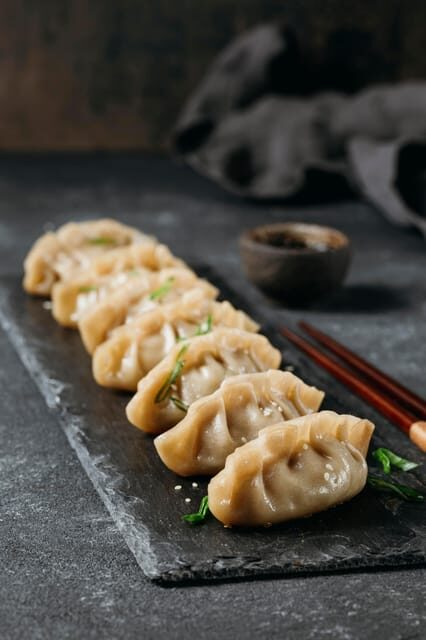
After shaping your gyoza, you cook them to perfection on the pan and enjoy the results fresh. That’s the real payoff: you’re not leaving with only a recipe. You’re tasting the outcome while the food is hot.
Cooking gyoza well is about balance. Too soft, and you lose the satisfying bite. Too far, and the filling can dry out. The instructor helps you hit the right cooking stage so the dumplings come out delicious.
And since you made them, you’ll understand what changes flavor and texture when timing and heat shift. That’s the advantage of learning on-site. You can’t get that from watching a video at home.
The Samurai Photo Moment: A Silly Detour That Works
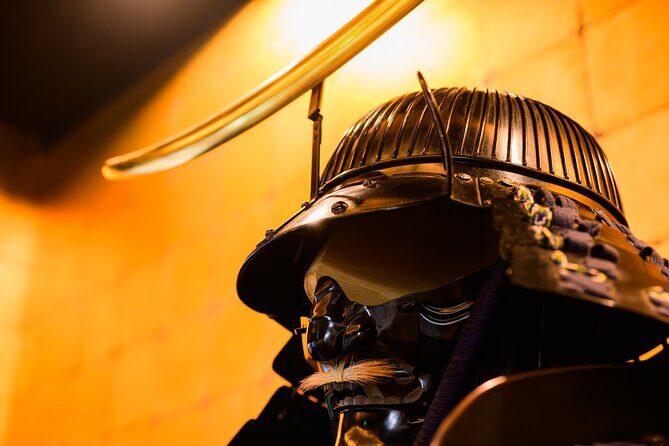
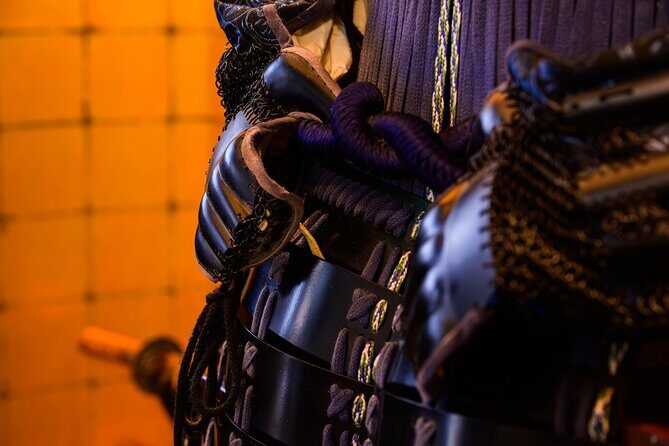
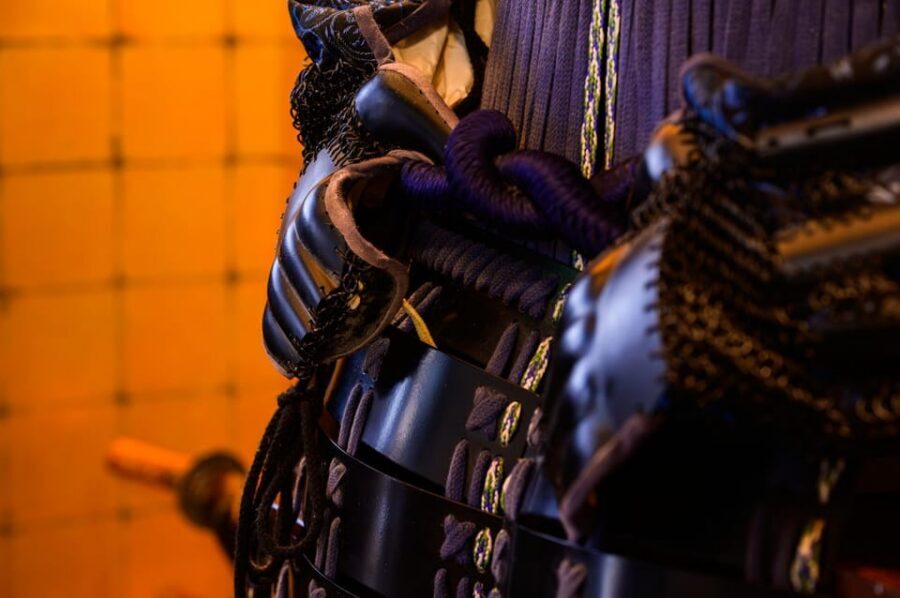
One of the highlights is a photo with a Samurai. It sounds like a fun add-on, and it is. But it also does something helpful: it turns the class into a Kyoto memory you can actually hold onto.
This kind of photo moment is especially useful if you’re booking an activity that might otherwise blend into your trip schedule. Dumplings are food. The Samurai photo gives it a storyline.
It’s also a good mental break in the middle or at the end of cooking. After you’ve been focusing on hands and timing, you get a quick chance to reset, pose, and then enjoy your final bite.
Taking Home the Full Gyoza Recipe
I love it when cooking classes give you more than a warm meal and a pat on the back. Here, you get the full recipe to cook Japanese gyoza at home.
That matters because it turns the class into a real skill. Without a recipe, you’d remember the general idea and be stuck guessing at proportions or method. With a take-home recipe, you can reproduce your dumplings without starting from scratch.
Use the recipe as a baseline, then apply what you learn during wrapping and cooking. If your first attempt needs tweaking, you’ll know what to adjust next time: filling amounts, wrapper handling, and cooking time.
If you want to impress friends later, this is how you do it. You don’t sell a story. You deliver a tray of dumplings that actually taste right.
Price and Value: Is $127 Worth It?
At $127 per person, this isn’t the cheapest food activity in Kyoto. But it’s also not overpriced when you compare what’s included.
You’re paying for:
- an English-speaking instructor and guidance through each step
- cooking tools provided for the class
- one free drink
- the gyoza you make in the class
- a full take-home recipe
Add in the fact that you’re learning a technique you can repeat, and the price starts to look fair. A restaurant meal gives you flavor. A workshop gives you method.
The value gets even better if you’re the type of traveler who likes hands-on learning and wants at least one skill-based experience each trip. If you’re only looking to snack for an hour, there might be cheaper options. But if you want an activity that turns into something you can do at home, this is the kind of class that justifies the cost.
One last practical note: you’ll need to sort your own transportation to the meeting point. Factor that into your day planning.
Who This Class Fits Best (And Who Might Skip It)
This workshop suits a wide range of people because the class is described as fun and approachable even for complete beginners. If you like interactive activities, you’ll probably enjoy the focus on wrapping and cooking.
It can also work for families, since the format keeps hands busy and the payoff is edible. The key is that everyone can handle the working style of a cooking station. If your group includes someone who’s very sensitive to food textures or strong smells, it’s worth noting that you’ll be handling raw ingredients and cooking on a pan.
If you’re using a wheelchair, it’s not suitable. That’s a clear limitation you should respect rather than hoping for a workaround.
My Take: Should You Book This Gyoza Workshop in Kyoto?
If you want one Kyoto experience that’s both fun and useful, I’d book it. You’ll come away with real technique, not just photos of dumplings. The wrapping practice, pan cooking, and take-home recipe make it a skill you can repeat, and the Samurai photo adds a playful Kyoto memory.
Book this especially if:
- you like hands-on learning more than museum-style sightseeing
- you want a dinner-plan activity in central Kyoto
- you’re excited to choose and cook your own fillings
Skip it if:
- you need full wheelchair accessibility
- you’d rather spend your money on a restaurant meal than on a cooking lesson
- you dislike any hands-on food prep
FAQ
How long is the gyoza cooking class in Kyoto?
The class lasts 90 minutes.
Where is the meeting point?
It’s a 5-minute walk from Exit 2 of Karasuma Oike Station on the Kyoto City Subway Karasuma Line and Tozai Line, about 362 meters from the station.
What is included in the price?
The package includes an English-speaking instructor, cooking tools, one free drink, and the gyoza you make in the class.
Are transportation costs included?
No. Transportation expenses are not included.
Do I get the recipe to cook gyoza at home?
Yes. You receive the full recipe to cook Japanese gyoza at home.
What languages are used during the class?
The class is offered in English and Japanese.
Is the class suitable for wheelchair users?
No, it is not suitable for wheelchair users.
What should I do if I have allergies or dietary restrictions?
Please inform the staff in advance about any allergies or dietary restrictions.
What is the cancellation policy?
You can cancel up to 24 hours in advance for a full refund.