Kyoto, but make it personal. This small, instructor-led tufting workshop turns free ideas into a real rug you can actually hang at home. You also get a short sightseeing loop, with stops that make the day feel like Kyoto, not just a craft class.
What I like most is the hands-on freedom: you can design your rug and pick from about 60 thread options. You also finish with something genuinely yours, since the rug is one-of-a-kind and can be taken home the same day.
One thing to consider: the finished piece is limited to about 30 cm square or rectangular, so you’re making a compact “statement” rug, not a big floor rug. If you’re dreaming of a huge custom design, you’ll want to adjust expectations.
In This Review
- Key highlights you’ll care about
- Getting oriented: tufting studio CREA near Shimogamo Shrine
- The two-hour rhythm: from shrine area to machine time
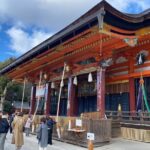
- Stop 1: Shimogamo Jinja and why it sets a good mood
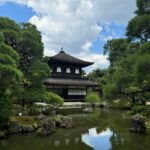
- Stop 2: Ginkakuji Temple (the Silver Pavilion feel)
- Stop 3: Kamogawa Delta and the relaxing river break
- The real star: making your rug at tufting machine
- Thread choice: about 60 options, and how to use them wisely
- Your rug becomes a Kyoto souvenir you’ll actually use
- Who this experience fits best (and who might not love it)
- Price and value: what $84.70 buys you in Kyoto
- Small group size: why max 6 matters
- Practical tips before you go (so your day stays smooth)
- Should you book this Kyoto tufting experience?
- FAQ
- What is the duration of the experience?
- What size rug can I make?
- Where do I meet for the experience?
- How do I get my ticket?
- How large is the group?
- What is the cancellation policy?
Key highlights you’ll care about
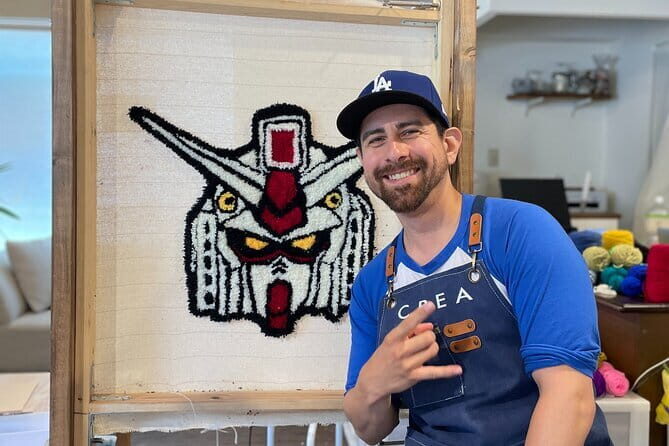
- Kyoto-location convenience: the studio sits about a minute from Shimogamo Shrine, with plenty of food nearby.
- 60 thread choices: you can build your look from roughly 60 lineups in the studio.
- You design, you shape: up to a 30 cm square or rectangular rug based on your own idea.
- Small group size: the experience caps at 6 travelers, so you’re not lost in a crowd.
- Same-day take-home: your finished rug can be carried away that day.
Getting oriented: tufting studio CREA near Shimogamo Shrine
This experience starts at tufting studio CREA1F, at 7-1 Shimogamo Nishibayashichō in Kyoto’s Sakyo Ward. The studio’s location is a big part of the appeal. It’s about a minute from Shimogamo Jinja, a UNESCO World Heritage Site, so you can feel the Kyoto setting immediately instead of spending the whole day indoors.
I also like that you’re not going to a remote workshop in the middle of nowhere. There are restaurants around the studio, and you can get there by bus from Kyoto Station. That matters because a two-hour class can feel short if you spend ages traveling first.
And because the group is capped at 6, the studio vibe stays calm. You’re more likely to get real help from the staff rather than quick, rushed instructions.
If you're still narrowing it down, here are other tours in Kyoto we've reviewed.



The two-hour rhythm: from shrine area to machine time

This is listed as about 2 hours in total, so the flow is designed to move. You’ll start at the studio, then the day includes three Kyoto stops: Shimogamo Jinja, Ginkakuji Temple, and the Kamogawa Delta (Kyoto Prefectural Kamogawa Park), before returning to the meeting point.
Here’s the practical way to think about the timing: you’re getting a compact “Kyoto sampler” plus the core event, which is rug tufting. That means you won’t have a whole day for slow wandering, long lines, or deep detours. Instead, you’ll be doing a tight schedule that fits well if you like planning but still want something hands-on.
A small warning: the experience doesn’t include an air-conditioned vehicle. So if you’re visiting in hot summer weather, plan for walking/standing outdoors between stops (and bring water). If you’re visiting in cooler months, the good news is that you’re outside in Kyoto anyway, so it won’t feel out of place.
Stop 1: Shimogamo Jinja and why it sets a good mood
Shimogamo Jinja is a World Heritage Site, and starting here does something useful. It grounds the day in place. Before you touch any craft tools, you’re already in a Kyoto environment that feels older than the tourist circuit.
Even if you’re not the type to chase temple details, I like how a major shrine opening helps you slow down. You’re not rushed into a schedule right away. It’s a grounding start, and it pairs nicely with the workshop theme: Kyoto tradition made personal.
Practical note: because the studio is very close, you should expect an easy transition back to the workshop area. That closeness helps keep the day stress-free.
Stop 2: Ginkakuji Temple (the Silver Pavilion feel)
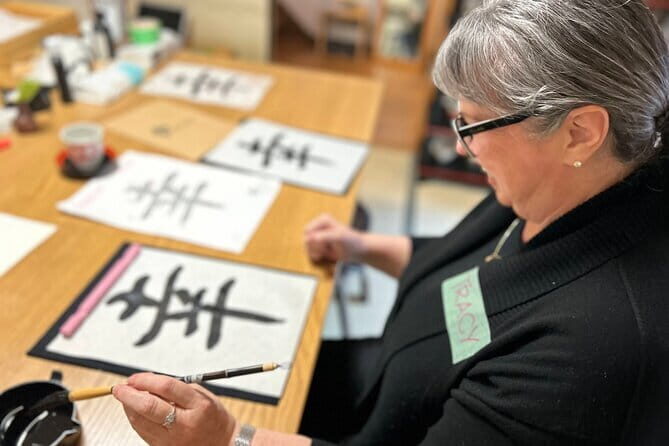
Next comes Ginkakuji Temple. This stop adds a classic Kyoto temple contrast after Shimogamo’s shrine setting. Ginkakuji is the kind of place people remember, partly because of its distinctive vibe and partly because Kyoto temples often reward you for slow looking.
In a short, 2-hour experience, you won’t get a full “I studied every corner” visit. But you can still get the feel of the area and take photos without it becoming a time sink.
If you’re someone who hates being rushed, keep your expectations realistic. This is a short day, so your best strategy is to pick what you want to see most—then let the rest be a bonus.
Stop 3: Kamogawa Delta and the relaxing river break
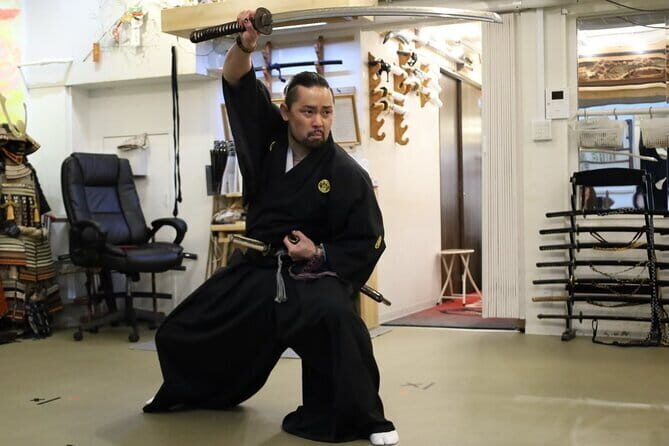
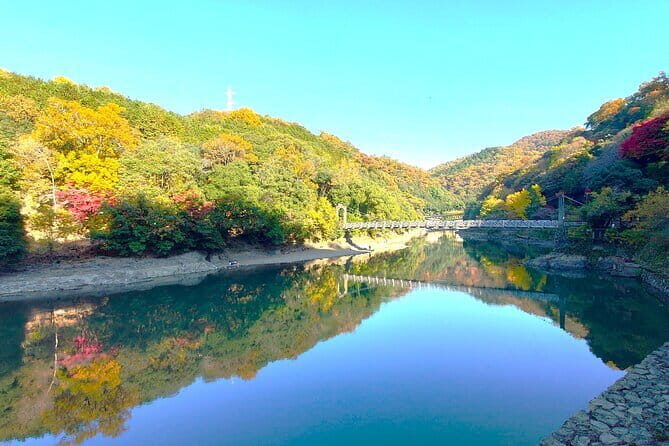
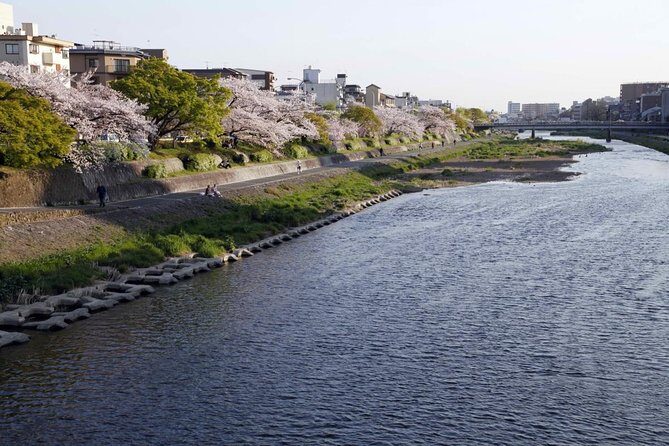
The Kamogawa Delta, also known as Kyoto Prefectural Kamogawa Park, gives you a breather. River-area pauses are valuable in a schedule like this because they break up the intensity of temple sightseeing and machine-focused craft time.
This stop also balances the day emotionally. Temples can feel solemn and detailed. A river delta area is more open and airy, which helps reset your brain before you commit to making your rug.
If you’re planning this day around photos, think about light. Morning and late afternoon tend to look better, but even in less-than-ideal light, river areas in Kyoto usually feel calm enough to be worth a stop.



The real star: making your rug at tufting machine
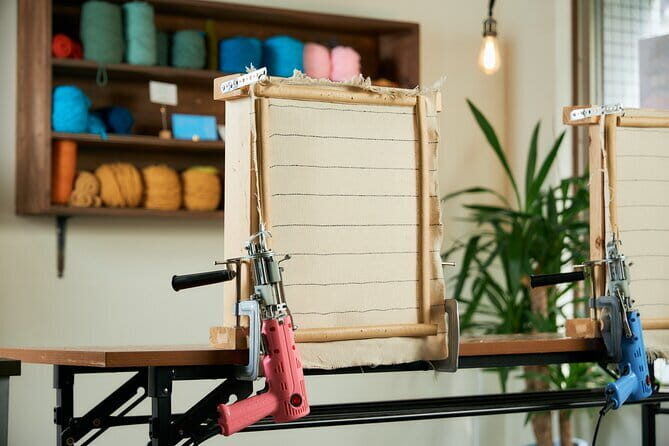
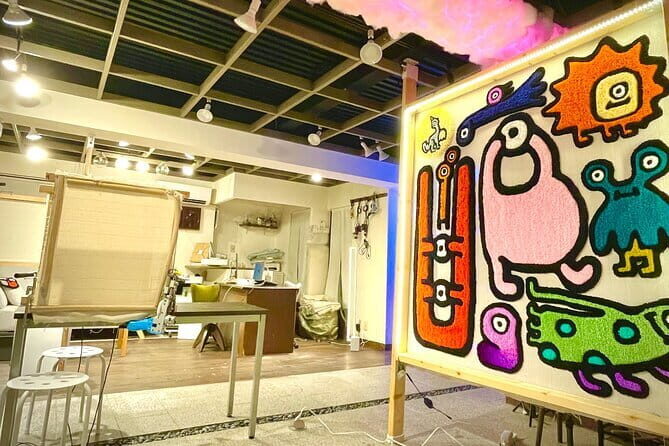
Now to the main event: the studio’s tufting setup. You’ll work at specialized machines that are rented for the experience, and staff provide detailed explanations—so you’re not expected to be a craft expert.
The workshop lets you make up to a 30 cm square or rectangular rug based on your own design. That size limit is actually a gift for beginners. It makes the project manageable in a short session, and it reduces the pressure of finishing something “perfect.”
You also get an apron so you don’t wreck your clothes. That’s not just comfort. It’s peace of mind. If you’re worried about getting messy, you can focus on design instead of worrying about your shirt.
Thread choice: about 60 options, and how to use them wisely
You’ll be able to freely choose the thread from about 60 kinds lined up in the studio. This is one of the best parts of the experience because thread choice changes everything: contrast, mood, and how your design reads from a distance.
Here’s my practical advice for deciding quickly:
- Pick 1 main color for the largest shapes.
- Add 1 to 2 accent colors for lines, edges, or small patterns.
- Think about how your rug will be viewed from the doorway or wall. High contrast usually looks clean in a small rug.
Even if your design isn’t sophisticated on paper, choosing good color pairings helps it look intentional.
Your rug becomes a Kyoto souvenir you’ll actually use

The finished rug can be taken home the same day. That’s a big deal. Many craft tours give you a product months later, or you have to ship it. Here, you get your work immediately, which makes it feel more real and more meaningful.
You can hang it in the entryway, living room, or on the wall. That flexible display idea helps because a 30 cm rug doesn’t work like a whole-floor rug. Instead, it works like a textural accent piece—something you’ll notice every time you walk in.
This is also why I think this experience is such a strong souvenir. It’s not only a purchase. It’s a story you can point to: your design, your colors, your tufting session.
Who this experience fits best (and who might not love it)
This is recommended for families with children and couples, and the format supports that. The class is designed so even beginners can feel at ease, thanks to careful instruction.
If you’re traveling with kids, the 2-hour limit is important. It’s long enough to be rewarding and short enough to avoid boredom spirals. The apron and provided equipment also help keep things practical.
For couples, the “make something together” angle is a real win. You can compare thread colors, argue gently about patterns, and leave with a shared memento rather than another bag of snacks.
If you’re the kind of traveler who hates any activity that requires decision-making, you might find the design part stressful. You’ll have to choose threads and shape your concept. The good news is the staff explain things carefully, so you’re not stuck on your own.
Price and value: what $84.70 buys you in Kyoto
At $84.70 per person, this isn’t a “cheap” add-on. But it also isn’t overpriced in a way that ignores what you’re getting.
You’re paying for:
- Access to a specialized tufting machine
- Staff-led instruction and explanations
- All required basics like the machine rental and apron
- The final product you take home the same day
- A day-structure that includes three Kyoto stops (Shimogamo Jinja, Ginkakuji Temple, Kamogawa Delta)
Where the value really lands is the combination. You’re not choosing between sightseeing and a craft you’ll never finish. You get both, with a small group size that keeps attention on you.
Also, the “mobile ticket” aspect makes it easier day-of. You’re not juggling paper in a busy Kyoto afternoon.
Small group size: why max 6 matters
With a maximum of 6 travelers, the experience naturally stays more personal. You’re more likely to get immediate corrections, clearer guidance on how to operate the machine, and help refining thread choices.
This is especially useful if it’s your first time tufting. Even when an activity is marketed as beginner-friendly, the difference between a big class and a small one shows up in the moment you’re trying to make your first line.
If you hate feeling like you’re slowing everyone down, small groups help you feel calmer. You can take your time, ask questions, and still finish within the schedule.
Practical tips before you go (so your day stays smooth)
A few things I’d do to make the experience easier:
- Bring a simple design idea. Even a rough sketch is enough. If you want to keep it quick, think in bold shapes and limited colors.
- Dress for a craft activity. The apron helps, but you’ll still be in a working studio environment.
- Expect a walking day. Since an air-conditioned vehicle isn’t included, plan for weather and hydration.
- Plan your photo priorities. You have multiple stops, but the day is short, so pick what you want most at each.
And if you’re choosing threads: don’t get stuck on perfect. In a small 30 cm rug, clean shapes and strong contrast usually look better than trying to replicate a complicated full-sized artwork.
Should you book this Kyoto tufting experience?
Book it if you want a hands-on Kyoto memory that’s practical and displayable. The closest win is the setup: near Shimogamo Jinja, small-group instruction, a real machine workshop, and a finished rug you take home the same day.
I’d also book it if you enjoy combining crafts with sightseeing. The stops at Ginkakuji and the Kamogawa Delta add that “I actually experienced Kyoto” feeling, not just a studio hour.
Don’t book it if you’re dreaming of a large rug project or you dislike any creative decision-making. The size is capped around 30 cm, and you’ll need to commit to thread and design choices within the class flow.
If you’re flexible and curious, this is the kind of Kyoto activity that turns into a story you’ll keep telling.
FAQ
What is the duration of the experience?
It’s approximately 2 hours.
What size rug can I make?
You can make up to a 30 cm square or rectangular rug based on your own design.
Where do I meet for the experience?
The start point is tufting studio CREA1F, 7-1 Shimogamo Nishibayashichō, Sakyo Ward, Kyoto, 606-0817, Japan.
How do I get my ticket?
You’ll receive a mobile ticket.
How large is the group?
The experience has a maximum of 6 travelers.
What is the cancellation policy?
Free cancellation is available up to 24 hours in advance for a full refund. If you cancel within 24 hours of the start time, the amount paid is not refunded.