Kyoto music, hands-on. This one-hour experience turns a sit-down concert into a practical mini-class, with performers playing traditional instruments up close and you getting time to try them yourself. I like the way the format keeps moving: listen first, then pick up the instruments and learn by doing.
Two things I especially like: you can expect a small group (max 12), which makes questions possible, and you get hands-on coaching even if you are not musical. One possible drawback is simple: it is only about an hour total, so you’ll learn the basics and enjoy the sound, but you won’t leave as a master player.
In This Review
- Key things that make this Kyoto instrument experience worth your time
- A One-Hour Kyoto Stage for Shamisen, Koto, and Wadaiko
- The 25-25-10 Program: Concert, Playing, and Photo Time
- Instruments You’ll Be Guided To Try (No Musical Background Needed)
- Small Group at Harmony in Japan Tour: Why 12 People Matters
- Where to Meet in Kyoto and How to Fit It Into Your Day
- Price and Value: What $46.24 Buys You by Doing, Not Just Watching
- Best for Who: First-Timers, Curious Foodies of Culture, and Families
- Photo Time and the Best Way to Get More Out of Those 10 Minutes
- Should You Book This Traditional Music Experience in Kyoto?
- FAQ
- When does the traditional Japanese music and instrument experience run?
- Where is the meeting point in Kyoto?
- How long is the experience, and what happens during it?
- Which instruments can I try?
- Do I need musical experience to participate?
- Is there free cancellation?
Key things that make this Kyoto instrument experience worth your time
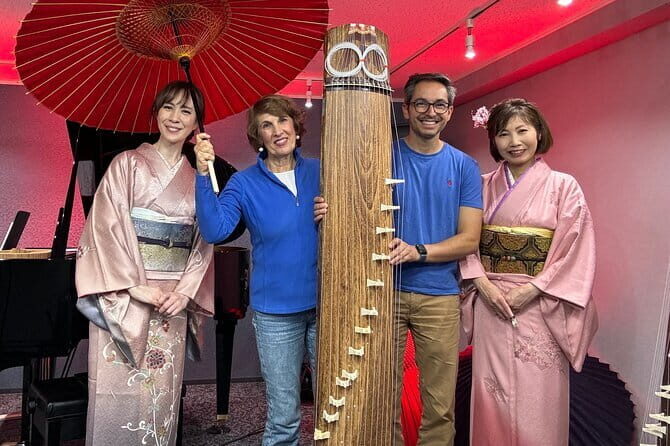
- Concert, then you play: you’re not just watching; you get guided practice time.
- Small group energy: up to 12 people means you won’t feel lost in the back.
- Try famous Japanese instruments: shamisen, koto, and wadaiko are on the menu.
- Day-to-day variety: the concert content can change depending on the day.
- Photo time included: you get a short chance to pose with the instruments and performers.
- Instrument provided: you get the musical instrument for the hands-on part.
A One-Hour Kyoto Stage for Shamisen, Koto, and Wadaiko
If you want Kyoto culture that is more than photos, this is a smart bet. You’ll spend roughly 60 minutes with a traditional music concert, then shift straight into instrument practice. It’s an easy way to understand why these sounds matter, because you do not have to wait until later to find out what playing feels like.
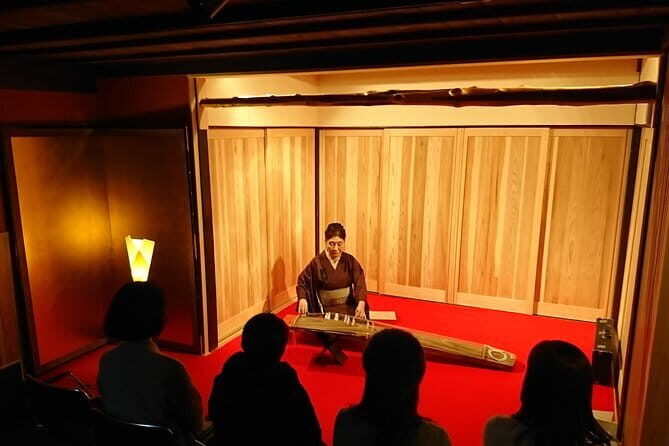
I also like that this is not a vague “cultural performance.” You’re dealing with specific instruments you can recognize and talk about later. The experience includes shamisen (a Japanese lute), koto (a Japanese harp), and wadaiko (Japanese drum), plus more instruments depending on the day. That variety helps you find what you actually enjoy—strings, plucked resonance, or drum rhythm.
Another plus: the tone is friendly. The coaching is built for people who have never touched these instruments before. In other words, you can show up as yourself, not as a pretend musician with perfect timing.
A few more Kyoto tours and experiences worth a look

The 25-25-10 Program: Concert, Playing, and Photo Time
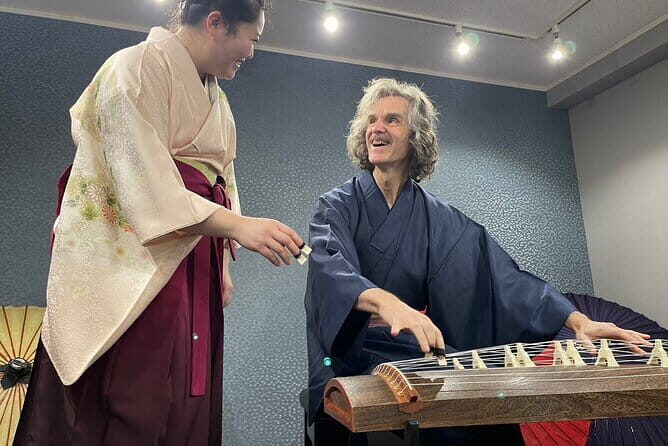
The session is intentionally paced so you’re never bored and never overwhelmed. The program runs like this:
- 25 minutes: authentic concert
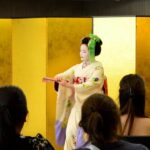
You’ll watch performers play traditional Japanese music. This is where you get the sound first—how the instruments blend, how tempo and emotion shift, and how the music moves from one moment to the next.
- 25 minutes: try playing traditional instruments
This is the hands-on part. You’ll get expert advice on how to play, and you can choose instruments that interest you most. No prior experience is needed, and the goal is participation, not perfection.
- 10 minutes: photos with instruments and performers
You’ll have a short photo moment. If you like souvenirs that are actually connected to what you did, this is better than just snapping a landmark.
The main practical takeaway for you: because it is split into three clear blocks, you can plan your day without guessing. Arrive, enjoy the listening part, then focus on the hands-on section. And yes, that photo time is short—so be ready to move when your moment comes.
Instruments You’ll Be Guided To Try (No Musical Background Needed)
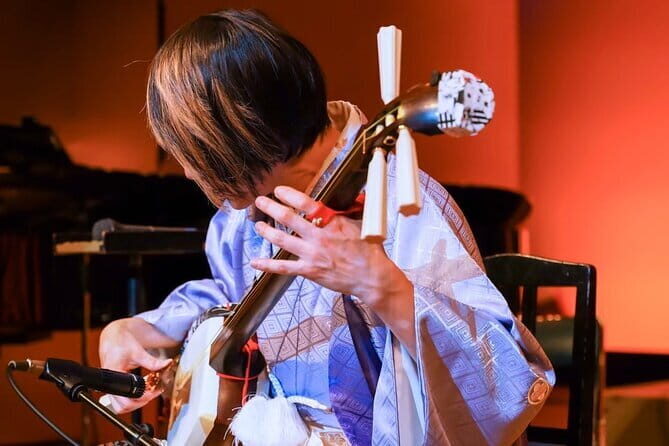
Here’s what makes the instrument practice genuinely useful: you’re not just holding something and being told to smile. You get guidance on how to play during your experience time.
You’ll be able to try shamisen, koto, and wadaiko, and you can expect additional instruments depending on the day’s program. The exact mix can vary, which is a nice touch if you’re thinking about going more than once. (And if you are the type who likes comparing how the same style feels on different instruments, this is especially appealing.)
What you should know before you go:
- The session is designed for first-timers. You’ll likely learn a few key moves and how to produce sound in a correct, safe way.
- Rhythm and string technique can feel awkward at first. That’s normal. The coaching is meant to keep things flowing and make sure you can actually participate.
- You get to choose instruments that interest you most, which is a big deal when you have limited time.
One thing I’d keep in mind: if you’re hoping for deep technical instruction (hours of technique drills), this is not that. But if you want a real taste of instrument playing—guided, hands-on, and fun—this setup hits the sweet spot.
Small Group at Harmony in Japan Tour: Why 12 People Matters
This is a small-group experience with a maximum of 12 travelers. That matters more than you might think. In a larger setting, you can end up as a background audience member, watching without getting personal attention. Here, the format is built for interaction.
A small group also helps with nerves. Even if you feel slightly awkward trying something new, the environment is set up for participation. The tone is patient. If your rhythm is shaky, that’s expected. The goal is to make sure you actually produce sound and understand what you are doing.
And since you’ll be playing during one dedicated block, you need a setup where people can be guided quickly and corrected without chaos. This group size supports that.
The provider is Harmony in Japan Tour, and the experience uses a mobile ticket, which is convenient if you prefer having everything on your phone instead of printing.
Where to Meet in Kyoto and How to Fit It Into Your Day
You’ll start at 5f, 306 Higashidaimonjichō, Nakagyo Ward, Kyoto, 604-8043, Japan. The activity ends back at the meeting point, so you’re not dealing with a long end-of-tour shuffle.
It’s listed as near public transportation, which is a relief in Kyoto. You don’t need a car, and you can plan it around other classic stops. Private transportation is not included, so if you are using a taxi or rideshare, you’ll cover that on your own.
Timing-wise, the show runs at 11:00 am on:
- Monday
- Tuesday
- Thursday
- Friday
If you’re building a day around this, I’d plan for it to be your “culture + activity” block rather than your late-night unwind plan. The one-hour length makes it easy to pair with sightseeing before or after.




Price and Value: What $46.24 Buys You by Doing, Not Just Watching
At $46.24 per person, this is not the cheapest thing in Kyoto—but it is a strong value if you care about active learning.
Here’s why the price makes sense for the experience you get:
- You receive hands-on time with a real focus on how to play.
- The session includes a concert and a playing section, both led by performers with expert guidance.
- You get the instrument for the experience as part of the included value.
- The group size stays small, so attention is more realistic.
In plain terms: you are paying for a structured, guided “try it yourself” moment. That’s often where tours either become overpriced or actually worth it. This one lands closer to the worth-it side because you are not left alone with an instrument and a shrug.
Also, there is a practical bonus: the content can vary by day. If you are in Kyoto longer and you love the idea, repeating on another day can feel like a fresh session instead of a copy-paste repeat.
Best for Who: First-Timers, Curious Foodies of Culture, and Families
This kind of experience is best for people who like participation. If you enjoy workshops, demonstrations, or anything where you can ask questions and try your hands at something new, you’ll likely have a good time.
It also fits well for:
- Solo travelers who want an easy social setting without pressure.
- Couples who want a shared activity that becomes a story.
- Families looking for something more engaging than another temple stop.
- Anyone who wants a hands-on cultural experience without prior training.
And if you think you might be a disaster on rhythm, good news. The format is designed for non-musicians. The patience in these sessions is part of the appeal, and you should come in expecting coaching, not judgment.
Photo Time and the Best Way to Get More Out of Those 10 Minutes
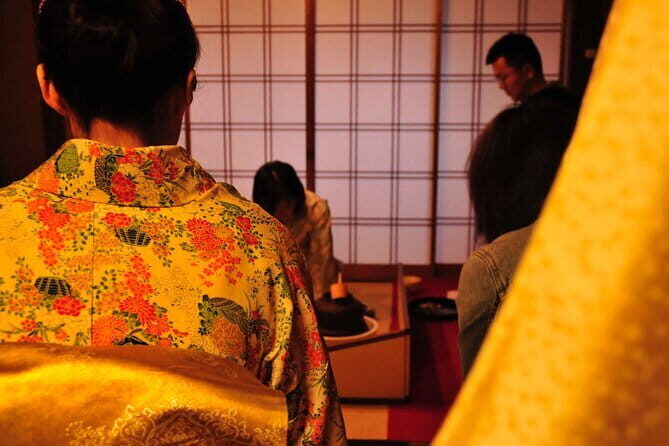
The last 10 minutes are for photos with the instruments and performers. That’s brief, so treat it like a mini wrap-up rather than a slow hang.
Here’s how to use the photo moment well:
- Get your key photos during the best angle and only then ask any final questions you might have.
- If you are unsure what you did during the playing part, this is a good time to quickly clarify what you should notice next time you see the instrument.
- If your group wants different shots, decide quickly so you do not waste the window.
If you want something practical from the experience, don’t just photograph the instruments. Notice how each one sounds and what role it plays in the music. That way, the session sticks with you even after the photos fade.
Should You Book This Traditional Music Experience in Kyoto?
I’d book this if you want traditional Japanese music you can actually participate in. The biggest draw is the hands-on practice time, supported by expert guidance, in a small group with a clear one-hour structure.
You might skip it if you are looking for a long, deep-discipline lesson or extended performance time. You’ll get a meaningful taste of playing, but not hours of technique.
One last thing to consider: the activity needs a minimum number of participants to run. If it does not meet that minimum, you may be offered a different date/experience or receive a full refund—so keep an eye on your plans if your schedule is tight.
If your goal is an authentic Kyoto moment that goes beyond passive sightseeing, this is a solid, cost-conscious choice.
FAQ
When does the traditional Japanese music and instrument experience run?
It starts at 11:00 am on Monday, Tuesday, Thursday, and Friday.
Where is the meeting point in Kyoto?
The meeting point is 5f, 306 Higashidaimonjichō, Nakagyo Ward, Kyoto, 604-8043, Japan. The activity ends back at the same meeting point.
How long is the experience, and what happens during it?
It lasts about 1 hour total. You’ll spend 25 minutes on a traditional music concert, 25 minutes trying instruments with guidance, and 10 minutes for photos with the instruments and performers.
Which instruments can I try?
The experience includes instruments such as shamisen, koto, and wadaiko, and more instruments may be included depending on the day.
Do I need musical experience to participate?
No. No prior experience is needed, and you’ll receive expert advice on how to play during your hands-on time.
Is there free cancellation?
Yes. You can cancel for a full refund up to 24 hours before the experience’s start time.