Ramen and temples in one smooth plan.
This is a small-group, chef-run experience that mixes hands-on Kyoto ramen with bowl painting, plus a temple circuit that gives the morning (or afternoon) a sense of place. It’s run by 無双心ラーメンアカデミー (Musoshin Ramen Academy), tied to Musoshin Ramen, which operates multiple shops in Kyoto and beyond.
Two things I like a lot are the chef-led Michelin-style ramen instruction and the fact that the class can be adapted for vegetarian or vegan ramen. You also get to eat what you make, using ingredients prepared for the chef’s process—so it doesn’t feel like a cooking demo where you do work but miss the payoff.
One consideration: if you choose the optional oven-baked bowl souvenir, you’ll need to return later to pick it up (next morning or later). That’s not a deal-breaker, but it does affect your schedule.
In This Review
- Kyoto ramen academy: a Michelin-style class with a temple circuit
- Cooking Michelin-starred ramen with ingredients prepped for quality
- The temple stops: Kiyomizu-dera, Kennin-ji, and Sanjusangendo
- Ramen bowl painting upstairs: a souvenir you actually make
- What you’ll eat: the point of a hands-on ramen class
- Value check: is $78.18 worth it for ramen and a painted bowl?
- Who should book Musoshin Ramen Academy (and who might not)
- Practical tips so your day runs smoothly
- Should you book this Kyoto ramen class?
- FAQ
- How long is the Kyoto ramen cooking class and bowl painting?
- What’s included in the experience?
- Can the ramen be made vegetarian or vegan?
- Do you get to take the painted bowl home?
- Where is the meeting point?
- How big are the groups?
- What if I need to cancel?
Kyoto ramen academy: a Michelin-style class with a temple circuit
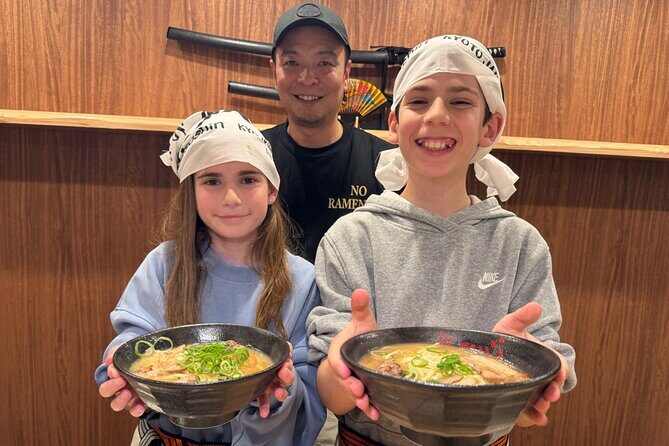
Musoshin Ramen Academy is a focused experience, about 1 hour 30 minutes, with a maximum of 12 travelers. The length matters: it’s long enough to actually cook and finish your bowl, but short enough that you can still pack in Kyoto sightseeing without turning the day into a marathon.
The vibe is practical. A chef instructor leads you through making ramen step by step, and you’re not just watching. After you cook, you head upstairs for the creative part—painting your own ramen bowl—so you leave with both a meal and a souvenir.
Cooking Michelin-starred ramen with ingredients prepped for quality
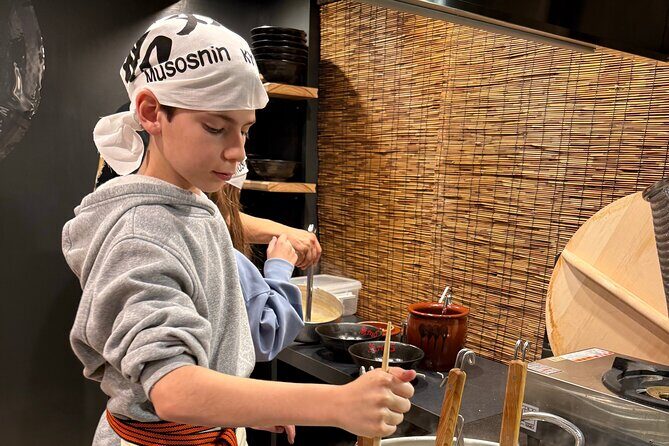
The heart of the class is simple: you’ll learn how to make Michelin-starred ramen and the recipes behind it, then enjoy the ramen you made. This is taught on the first floor, where the chef instructs customers to cook their own ramen.
What makes the ingredients feel more intentional is where they come from. The components you use are brought from the nearby Musoshin Gion store, and they’re the ingredients for ramen made by the chef the day before. In plain terms, you’re working with materials that aren’t last-minute odds and ends. That helps the class feel real, not rushed.
One of the best practical touches: the ramen can be changed to vegetarian or vegan. That matters in a cooking class, because many ramen experiences treat plant-based options like an afterthought. Here, the class is built to include those diners, and that’s a major reason this experience works well for mixed groups.
And in the small details, you can feel the care. The chef host (Shin is named in the reviews) comes across as passionate and prepared, and people ask questions. The instruction is the kind where you can tell the host knows why each step matters, not only how to perform it.
Other cooking classes in Kyoto


The temple stops: Kiyomizu-dera, Kennin-ji, and Sanjusangendo
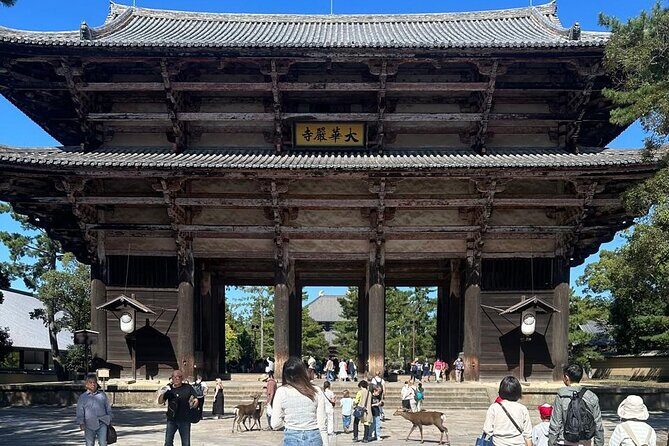
This experience includes three temple stops: Kiyomizu-dera Temple, Kennin-ji Temple, and Sanjusangendo Temple. Even though the focus is ramen, these stops give you a useful structure for your time in Kyoto and help the class feel like part of the city, not a standalone indoor activity.
Here’s how I’d think about the temple portion if you’re planning your day: it’s there to add context and atmosphere, but it’s not presented as an ultra-long sightseeing tour. So if you want deep, hour-by-hour temple wandering, you may want to schedule more time elsewhere.
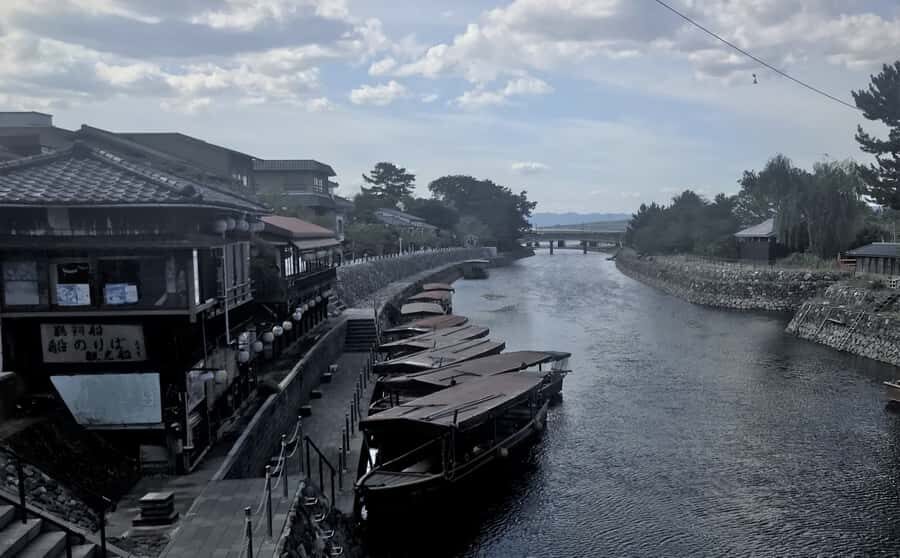
Still, the sequence works nicely. Visiting major sites like these before or around a food workshop helps you slow down, look up, and get your bearings in Higashiyama-style Kyoto scenery—then shift gears into something warm, hands-on, and delicious.
Ramen bowl painting upstairs: a souvenir you actually make

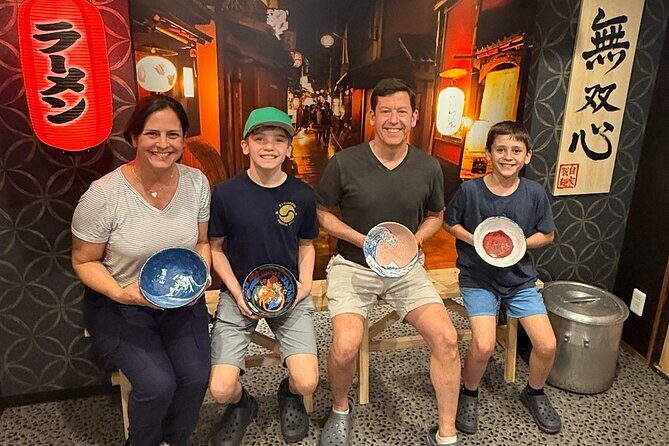
After cooking, you move to the second floor for the art part: painting your ramen bowl. This is not just a quick craft station. You paint, and you get to take your bowl home as it is.
If you want the bowl to look more like a finished piece, there’s a free option to bake it in a special oven. The tradeoff is timing: you’ll need to pick up the baked bowl the next morning or later. So decide based on your travel rhythm. If you’re staying close and can return, baking adds a lot. If your schedule is tight, taking the painted bowl as-is still gives you a real keepsake.
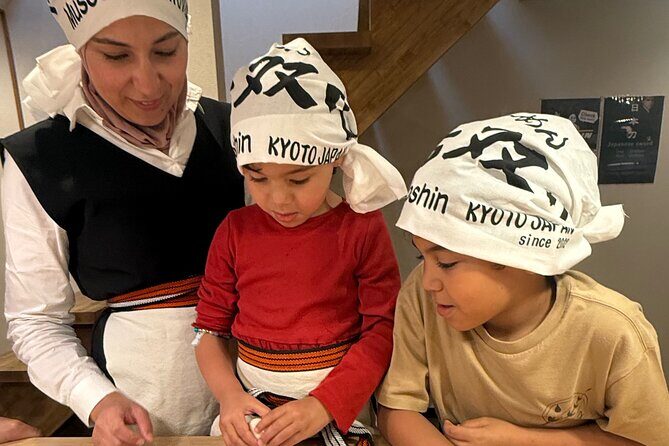
There’s also a bandana souvenir included. It’s small, but it’s the kind of extra that makes the experience feel complete, like a branded Kyoto memory you’ll actually use.
What you’ll eat: the point of a hands-on ramen class
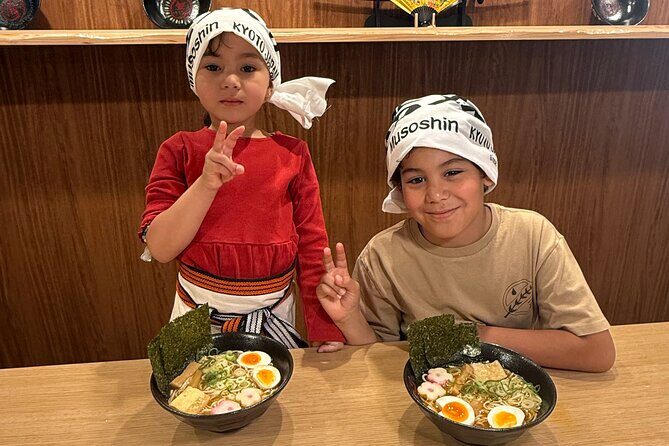
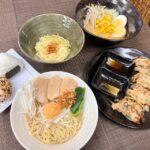
This isn’t a class where you make ingredients and then eat something unrelated. After instruction, you enjoy the ramen you made yourself. That’s a big value point, because ramen is one of those foods where technique and balance matter—so tasting your own final result makes the lesson stick.
Also, the class is designed around the idea that you learn the recipes, not only the motions. The chef explains what’s going on in the bowl, and that’s where the experience becomes useful for future meals at home. Even if you never recreate it exactly, you start understanding the logic behind ramen: why certain steps exist, and what you’re aiming for in the final bowl.
If you care about food quality, the fact that Musoshin Ramen operates multiple stores—three locations in Kyoto and three in Toronto—signals this isn’t a one-off pop-up kitchen. It’s part of a real restaurant brand called Musoshin Ramen Academy, with an international footprint.
Value check: is $78.18 worth it for ramen and a painted bowl?
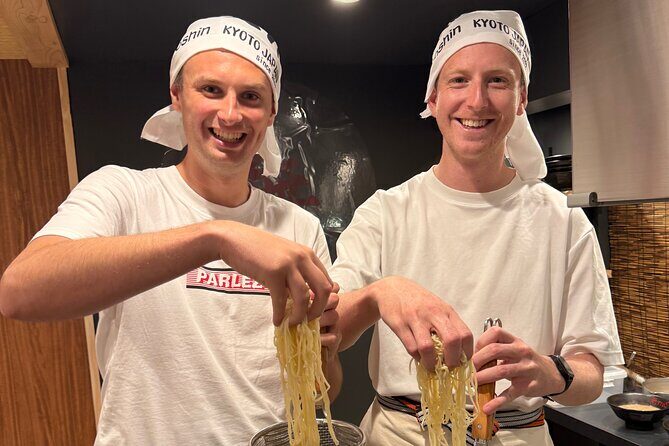
At $78.18 per person, you’re paying for more than a meal. You’re paying for a structured cooking lesson, a ramen bowl painting activity, and a souvenir set (including the bandana). On top of that, you get the satisfaction of eating what you make.
The value improves because the class is small: up to 12 people. In classes with bigger numbers, quality can turn into assembly-line cooking. Here, the group size supports real instruction and questions.
You’re also getting something that many food classes don’t include: an edible-and-art souvenir combo. Many classes give you a dish to eat and forget. This one gives you a painted bowl that can become a longer-term keepsake, plus an oven-baked option if you want that finish.
One more value angle: the vegetarian/vegan adaptability. If you’re traveling with dietary needs, it’s a practical win. You won’t be left with a watered-down alternative.
A few more Kyoto tours and experiences worth a look



Who should book Musoshin Ramen Academy (and who might not)
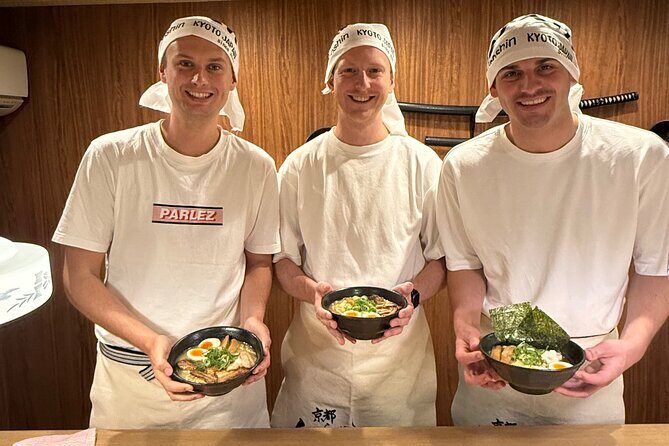
I’d book this if you’re the type who enjoys learning a technique you can taste. If you like ramen, or you’re curious about why ramen tastes the way it does, this class gives you a more grounded understanding than a restaurant meal alone.
It also fits families and mixed groups. The reviews mention an owner/chef hosted the class and that it worked well for a family with a 12-year-old, which suggests the format is approachable and not overly formal.
You might skip it if you mainly want long, slow temple time or a larger walking tour with lots of extra stops. This experience gives you three temple visits, but it’s built around cooking and painting, so your day will still be food-centered.
Practical tips so your day runs smoothly
- Plan for the baked-bowl pickup. If you choose the oven-baked option, you’ll need to return the next morning or later to collect it.
- Use the mobile ticket. The tour uses a mobile ticket, so have it ready on your phone before you arrive.
- Bring comfy shoes. You’ll be moving between stops and floors; you’ll feel better with footwear that can handle Kyotos usual surfaces.
- Decide your ramen style early. If you’re going vegetarian or vegan, confirm that preference with the team so the class setup matches your needs.
Should you book this Kyoto ramen class?
I think you should book Musoshin Ramen Academy in Kyoto if you want a food experience that’s both hands-on and tied to a working restaurant brand. The combination of Michelin-starred ramen instruction, actual tasting of what you make, and the bowl painting souvenir makes this feel like more than another dinner.
It’s especially worth it if you’re traveling with dietary needs or you want something that feels distinctively Kyoto without requiring advanced Japanese skills. The only reason not to book is schedule friction around the oven-baked bowl pickup. If you can handle that, you’ll leave with a lesson, a meal, and a physical reminder you helped create.
FAQ
How long is the Kyoto ramen cooking class and bowl painting?
It runs for about 1 hour 30 minutes.
What’s included in the experience?
You’ll cook ramen with a chef, enjoy the ramen you make, paint your ramen bowl, and receive a bandana souvenir. There’s also an optional oven-bake option for the painted bowl.
Can the ramen be made vegetarian or vegan?
Yes. The ramen can be changed to vegetarian or vegan ramen.
Do you get to take the painted bowl home?
Yes. You can take the bowl home as painted. If you choose the free oven-baked option, you’ll need to pick it up later.
Where is the meeting point?
The start point is 440-5 Nishigomonchō, Higashiyama Ward, Kyoto, 605-0816, Japan.
How big are the groups?
The experience has a maximum of 12 travelers.
What if I need to cancel?
You can cancel for a full refund up to 24 hours in advance of the experience start time.