Kyoto and Nara in one long day.
I like the way this tour strings together Todai-ji and Kyoto’s old neighborhoods with an Italian-speaking guide who actually explains what you’re looking at. Two things I really appreciate: the focus on big, iconic sights plus the human stories behind them, and the fact that you’re kept moving with small-group pacing rather than a hectic free-for-all. One thing to consider is that it’s a full-day schedule, so the day can feel packed, especially if you want lots of solo time at each stop.
The best part is the Italian guide support.
You get guidance and answers in English from the guide, and the tour also provides explanatory illustration in Italian for the monuments. On top of that, the itinerary is described as flexible upon request within reason, which helps if you’re slowed down by lines, photos, or simply moving at your own speed.
This is a great fit if you enjoy structure.
I like that it includes transportation fares, entrance fees, and clear segments of walking, train, and bus rides so you’re not figuring everything out on the fly. The possible drawback is practical: the day includes multiple transfers and a decent amount of walking, so it’s not the best choice if you’re trying to minimize time on your feet.
In This Review
- Key things to know before you go
- A full-day temples-and-neighborhoods route from Kyoto Station
- Todai-ji and Nara deer: the giant Buddha part, plus the meaning
- A quick look at Ukimido during the Nara walk-through
- The Kyoto Station reset: why the break time helps
- Kiyomizu-dera: the pilgrimage streets are part of the experience
- Gion-kobu and Geisya area time: art district atmosphere, not just photos
- How the Italian guide support changes the day
- Price and value: where the $176 works best
- Small group pacing: the upside and the reality
- Who should book this Kyoto-Nara Geisya tour
- Should you book this tour?
- FAQ
- Where does the tour start?
- What time frame is the tour?
- What languages is the tour available in?
- What main places do we visit?
- How large is the group?
- Is the tour wheelchair accessible?
- What does the price include?
- How is the itinerary arranged between Nara and Kyoto?
- Where does the tour end?
- Is there flexibility if I need to adjust during the day?
- FAQ
- Is cancellation free?
- Can I reserve now and pay later?
Key things to know before you go
- Italian-guided sightseeing with monument explanations for the big temples you’ll visit
- Todai-ji’s giant Buddha and Nara’s tame deer in the same guided stop
- A clear full-day route from Kyoto Station to Nara, then back to Kyoto and toward Pontocho
- Small group size (15 max) for easier questions and smoother movement
- Gion-kobu area focus, where Maiko and Geiko artists work, plus time around the streets
- Wheelchair accessible, with the itinerary designed to accommodate different needs
A full-day temples-and-neighborhoods route from Kyoto Station

This tour runs from Kyoto Station all day, with a guided loop that takes you out to Nara in the morning and back into Kyoto in the afternoon. If you like seeing the “greatest hits” without doing transit math, it’s an efficient setup: you travel by train and bus, you get guided time at key sights, and you end your day in the Pontocho area.
It’s also built around real-world pacing. The schedule includes travel blocks (train and bus), timed temple visits, short walks to connect sights, and a built-in break time at Kyoto Station before you head back out for Kiyomizu-dera and Gion.
A few more Kyoto tours and experiences worth a look

Todai-ji and Nara deer: the giant Buddha part, plus the meaning
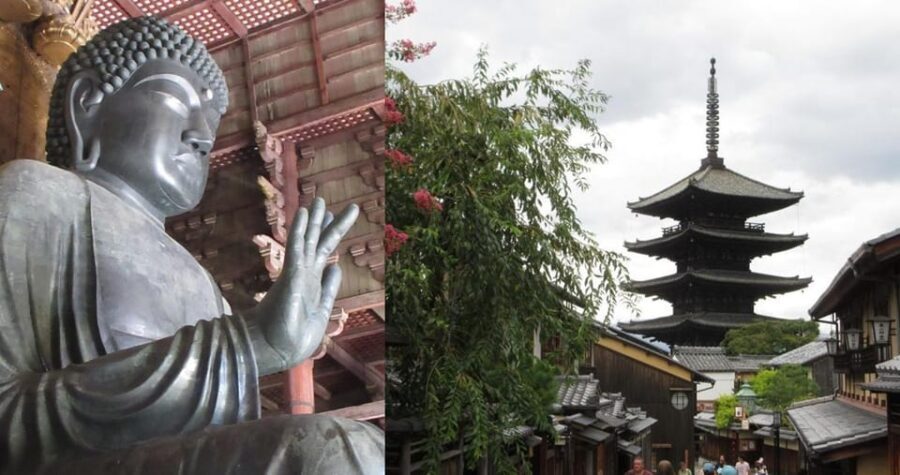
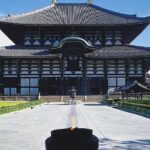
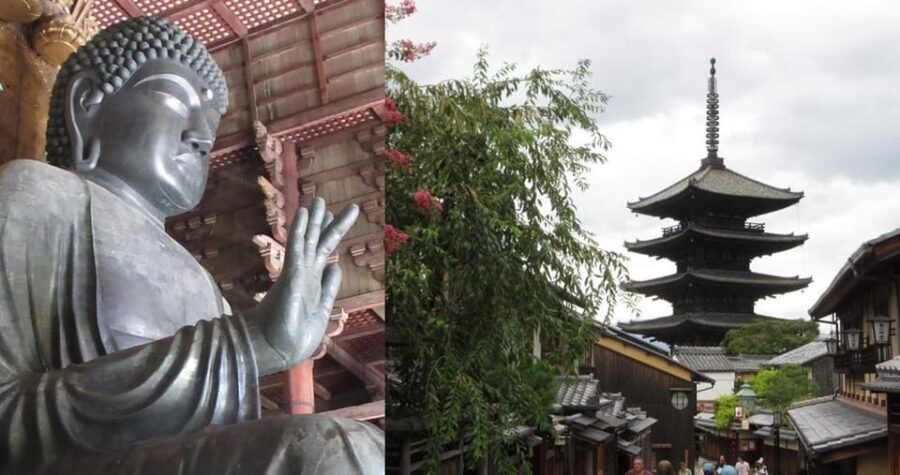
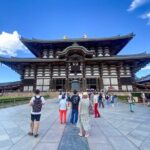
Todai-ji in Nara is the anchor stop, and it’s easy to see why. You’ll visit the temple famous for its giant Buddha statue, one of Japan’s largest, and you’ll do it with a guide who explains what you’re seeing. The tour focuses on important monuments, including ones designated as national treasures, so the visit isn’t just about taking photos and moving on.
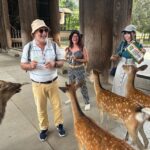
In the large park around Todai-ji, you also get the classic Nara scene: tame deer roaming freely and living alongside locals. You can feed them cookies sold at stalls in the area—one of those simple experiences that makes the whole temple setting feel more alive. This matters because Todai-ji isn’t just a standalone landmark; it’s part of a wider community space where the deer have been around for a long time.
Guiding here is especially valuable because the temple experience can feel overwhelming on your own. With a guide, you get context for Buddhist devotion and how people understand the place—plus stories that go beyond what most quick sightseeing explanations cover.
A quick look at Ukimido during the Nara walk-through
Between the main Todai-ji time and your return travel, you’ll also stop at Ukimido. The itinerary gives it a short visit and walking/pass-by time. Even with limited time, this type of stop is useful: it breaks up the flow so you’re not doing only the largest monument and then rushing away.
If you’re the kind of traveler who enjoys layers—big hall, then a smaller structure with a different role—you’ll likely appreciate this extra glimpse. If you prefer long pauses in one place, you may wish this had a bit more time, but the trade-off is that the tour keeps the day moving toward Kyoto.
The Kyoto Station reset: why the break time helps

After you return from Nara, you get about an hour break time at Kyoto Station. That’s not just “free time.” It’s strategically useful. Kyoto Station is a convenient hub for snacks, restrooms, and recharging before you head back out into the more crowded and foot-heavy streets.
This break also gives you a chance to adjust your plan. Maybe you want to grab something small to eat so you don’t rely on whatever you find later. Or maybe you just want to recover from the earlier walking in the deer park and inside Todai-ji. Either way, the schedule doesn’t force you to go straight from Nara into another full sightseeing block without any breathing room.
Kiyomizu-dera: the pilgrimage streets are part of the experience
In the afternoon, you shift from Nara’s temple park to Kyoto’s classic hill-temple setting: Kiyomizu-dera. The tour includes guided visit time here, and it also builds in the approach through the surrounding pilgrimage routes.
The walk is important. The area has developed from the 8th century to the present day, and you’ll pass streets lined with souvenir shops, sweet shops, and small bars where visitors of all ages find things to taste and buy. This is one of those “you can do it in two ways” areas: you can treat it like a shopping stroll, or you can treat it like the living corridor that led pilgrims to the temple long before today’s storefronts.
With a guide, you’re more likely to notice the religious and historical details instead of getting only the visual noise. The tour is framed so you learn what matters along the way—so the walk to Kiyomizu-dera feels connected, not random.
A few more Kyoto tours and experiences worth a look


Gion-kobu and Geisya area time: art district atmosphere, not just photos
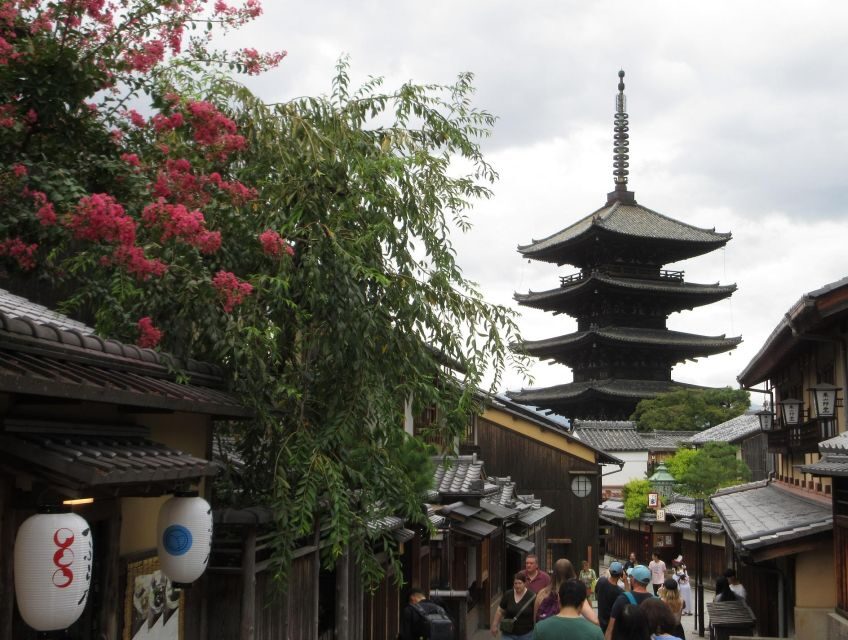
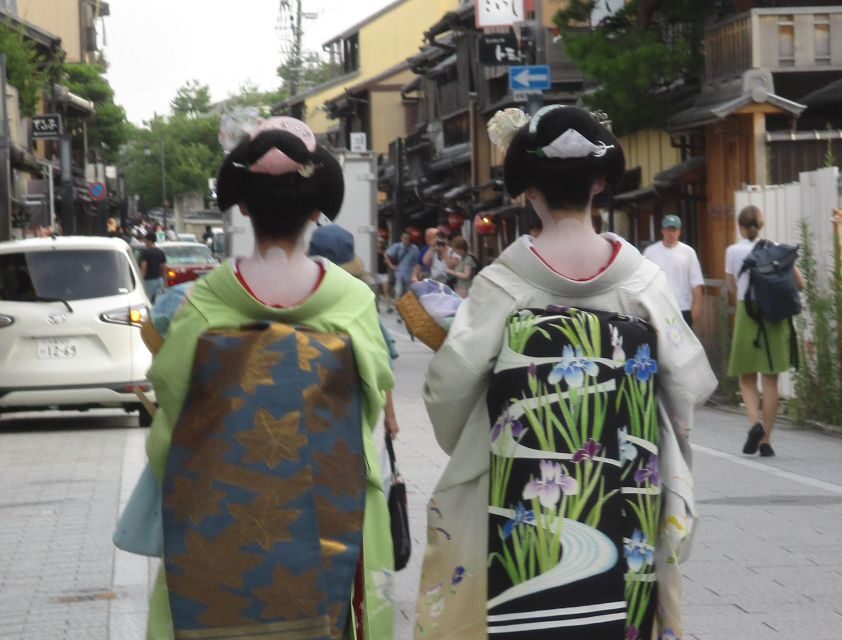
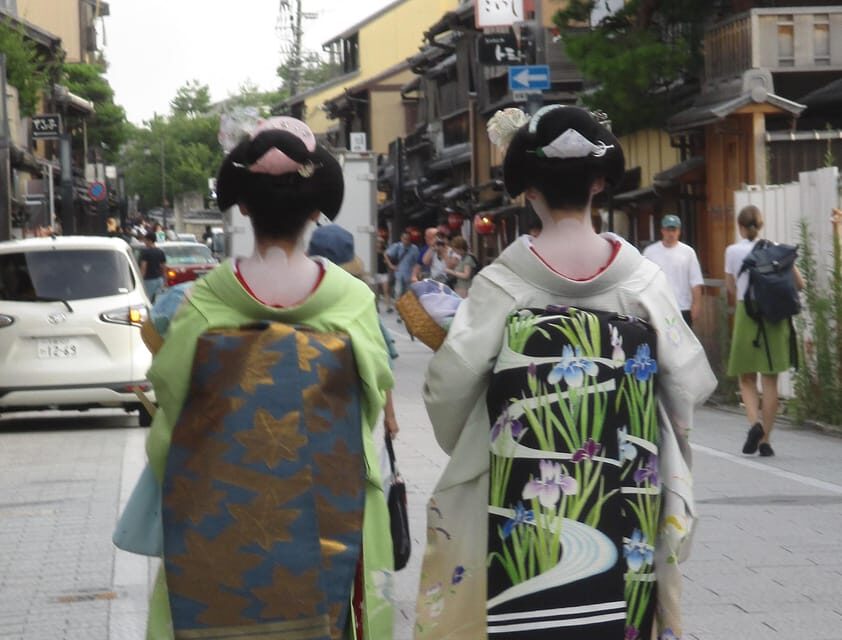
After Kiyomizu-dera, the itinerary brings you into Gion with guided time. This portion is aimed at the Gion-kobu area, known for professional Maiko and Geiko artists who work there. In local conversation, these performers are often associated with the term Geisya, and the tour gives you that neighborhood lens rather than treating Gion as only a picture-stop.
Even with only a short guided block, the experience can be more meaningful than a quick walk through a famous district because you’re not just hunting for perfect corners. You get the why behind the area—its role in Kyoto’s tradition and why these streets feel different at different times of day.
The tour then ends at Pontocho, which is a smart landing spot. You’re finished near a lively riverside alley district, so you can keep the evening going at your own pace with dinner or a post-tour stroll.
How the Italian guide support changes the day
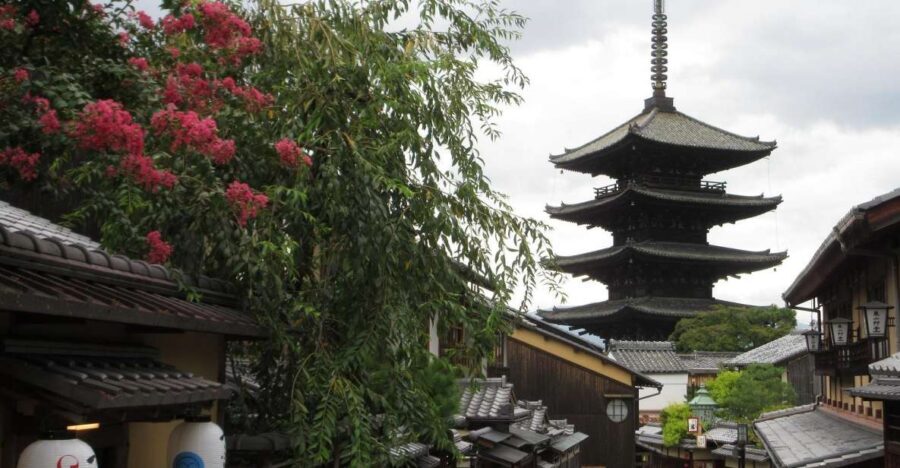
What separates this tour from a basic “transport + entrance fees” package is the guidance style. The tour is described as having an Italian guide who supports you during the itinerary, and the guide answers questions in English. That combination is helpful if you’re Italian-speaking and also want clarification in clear English.
In reviews, guides like Omae stand out for Italian that’s described as perfect, plus a sense of humor and strong preparation. One review also highlights that he lived in Italy for over a decade, which helps explain why the storytelling lands well for Italian speakers. Another review notes the guide’s ability to explain monuments and respond to questions with a smooth, high-quality Italian delivery.
Even if your Italian is limited, the structure still helps: you’re not left to interpret everything alone.
Price and value: where the $176 works best
At $176 per person for a full day, you’re paying for more than entry tickets. You’re covering train and bus fares scheduled in the itinerary, entrance fees for the monuments, and guided interpretation in Italian. You’re also getting a small group limit of 15 participants, which generally makes it easier to ask questions and stay together.
Is it a bargain? Not compared to DIY. But it’s good value if you want to:
- avoid transit stress between Kyoto and Nara
- get guided context for major temples and historic areas
- travel with structure and a reliable route
One caution: there’s feedback that the tour could feel a bit limited in completeness given the time and price. That doesn’t mean it’s bad—it’s just a reminder to set expectations. If you want to linger deeply at each site like you’re on a slow vacation, you may feel the day is tight.
Small group pacing: the upside and the reality
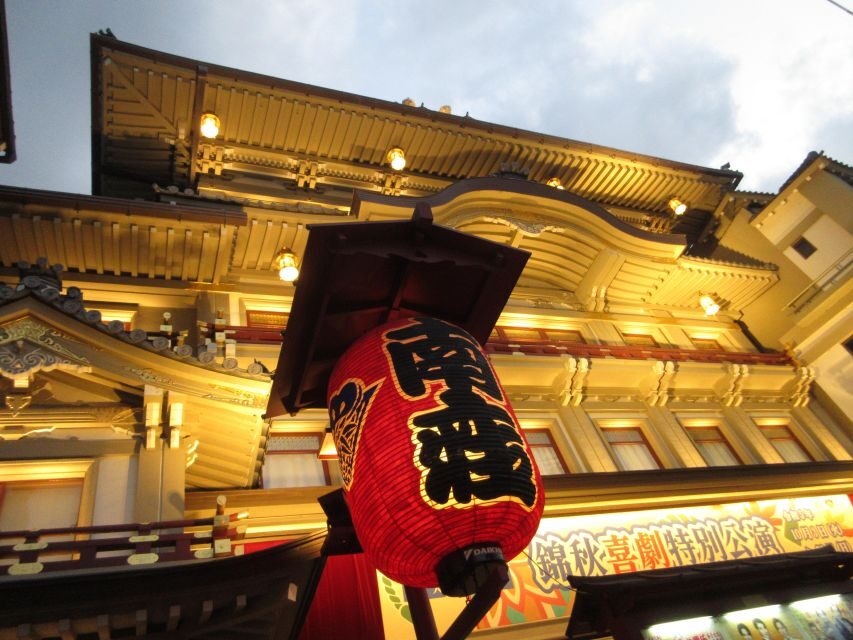
Small group matters here. With 15 participants max, your guide can actually manage questions and keep the route smooth. It also reduces the sense of being lost in a sea of people, especially around the temple entrances, deer park edges, and the narrower streets near Kiyomizu-dera and Gion.
The reality is that the day still includes transfers and foot time. So the small-group comfort doesn’t change the fact that it’s a full-day itinerary. If you prefer a lighter schedule, or you’re sensitive to long walking segments, you’ll want to plan accordingly.
Who should book this Kyoto-Nara Geisya tour
This tour is a smart pick if:
- you’re traveling with Italian as your main language and want guided explanations
- you want Nara’s giant Buddha and deer plus Kyoto’s temple and art-district feeling in one day
- you like a route with clear timing and guidance so you don’t spend energy planning transit
- you want a calm way to learn about Buddhist devotion and temple significance rather than only surface details
You might want to choose something else if:
- you want lots of free time inside each major sight
- you dislike packed itineraries and lots of walking between stops
- you don’t feel comfortable with Italian, since the monuments have Italian explanatory materials and the tour is described as Italian-language
Should you book this tour?
I’d book it if you want a structured, guided day that covers Todai-ji, the deer park moment, Kiyomizu-dera, and Gion without you having to coordinate train and bus steps yourself. The guide support is the selling point, and the small group size helps the day feel manageable.
I wouldn’t book it if you’re hoping for a slow, deep temple immersion or if you plan to spend hours shopping and wandering with no schedule. This is a well-organized loop, and the value comes from how efficiently it teaches you what you’re seeing.
If you do book, wear comfortable shoes and expect a full day. Kyoto and Nara can look easy on a map; on foot and with transfers, it’s a real outing.
FAQ
Where does the tour start?
The meeting point is in the space between the four escalators in front of the cab (not bus) terminal, east just outside the north central entrance to Kyoto Station. You’ll see Kyoto Tower in front of the station at the top left from that spot. Detailed meeting point info is sent by email the day before.
What time frame is the tour?
It’s listed as a full-day activity in a 1-day duration format.
What languages is the tour available in?
The tour is provided in Italian.
What main places do we visit?
The itinerary includes Todai-ji in Nara, Ukimido, Kiyomizu-dera in Kyoto, and Gion (Geisya area). The tour ends in the Pontocho area.
How large is the group?
The group is limited to a small group size of 15 participants.
Is the tour wheelchair accessible?
Yes, the tour is described as wheelchair accessible.
What does the price include?
It includes transportation fares (train and bus as scheduled), entrance fees for the monuments in the program, explanatory illustration for the historical monuments visited (in Italian), and practical Japan travel information available upon request.
How is the itinerary arranged between Nara and Kyoto?
You travel from Kyoto to Nara by train and bus, visit Todai-ji (with guided time), then return by train to Kyoto Station, take a break, and later go by bus and on foot to Kiyomizu-dera and Gion.
Where does the tour end?
The finish point is Pontocho.
Is there flexibility if I need to adjust during the day?
You can request a flexible itinerary and schedule as far as possible within reason.
FAQ
Is cancellation free?
Free cancellation is available up to 24 hours in advance for a full refund.
Can I reserve now and pay later?
Yes, it offers reserve now & pay later to keep travel plans flexible.