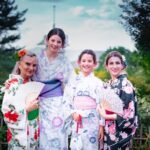
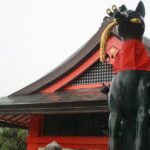
Kyoto can feel like a blur.
This is the kind of slow, elegant stop that snaps everything into focus—kimono rental, then a real tea ceremony with matcha and sweets at Nishiki Orizuruya, just a minute walk from Nishiki Market. You’ll get guided instruction in English while a tea master walks you through the steps, then you’ll pick an optional hands-on cultural add-on like calligraphy or gold leaf.
What I like most is how personal it feels, even though you’re in a group (they keep it to a maximum of 10). I also like the practical perks: you get dressed by experts, women get free hair styling, and you’re given time for photos and to enjoy what you made. One possible drawback: the tea ceremony is mostly a guided experience, so if you’re hunting for deep historical debate for every step, you may want to ask extra questions as you go.
In This Review
- Key things to know before you go
- Nishiki Orizuruya: the calm pause you want in Kyoto
- Kimono dressing at this tea house: a photo moment with real logistics
- The heart of it: a 90-minute tea ceremony with matcha you whisk yourself
- Add-on choice time: calligraphy, gold leaf, or the Nishiki Market walk
- Option A: Tea Ceremony and Calligraphy (about 130 minutes total)
- Option B: Tea Ceremony and Gold Leaf Workshop (about 130 minutes total)
- Option C: Tea Ceremony & Nishiki Tour (about 150 minutes total)
- Pacing and group size: how the 2.5 hours tends to feel
- Price and value: what you’re actually paying for at $50.58
- Who should book this Kyoto kimono tea experience
- Should you book it?
- FAQ
- FAQ
- How long is the Elegant Tea Ceremony While Wearing Kimono experience?
- Where does the experience start?
- Is kimono rental included?
- What is included in the tea ceremony?
- What optional activities can I choose after the tea ceremony?
- Does the tour include English guidance?
- Is there a limit on group size?
- Is it suitable for children?
- When should I arrive for my reservation?
- What if the weather is severe?
Key things to know before you go

- Kimono rental plus English guidance are built in, so you’re not figuring anything out solo.
- You choose your add-on: calligraphy, gold leaf, or a Nishiki Market walk paired with tea.
- Matcha and seasonal wagashi are part of the experience, not a bonus.
- Small group size (max 10) helps the instructors keep things attentive.
- Comfort options exist, including a chair provided for at least one participant who couldn’t sit on the floor.
Nishiki Orizuruya: the calm pause you want in Kyoto

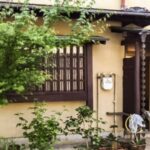
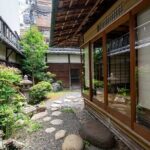
I’ve learned this about Kyoto: the big sights are amazing, but the best memories often come from the quiet rooms you didn’t plan on. Nishiki Orizuruya is a traditional tea house tucked right by Nishiki Market, so you can go from street snacks and crowds to a composed tea room fast.
The address puts you in Nakagyo Ward, and the meetup is at 452 Jūmonjichō—easy to reach on public transportation. The “one minute walk” detail matters. If you’re already doing Nishiki Market, this feels like a curated way to slow down right in the middle of your day instead of treating tea as a separate trip across town.
The vibe is also practical. You’re not just watching. You’ll dress, learn, make matcha, and (depending on your option) write kanji, handle gold leaf, or walk the market streets with an English-speaking guide.
A few more Kyoto tours and experiences worth a look
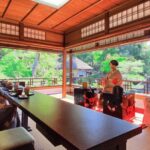
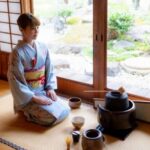
Kimono dressing at this tea house: a photo moment with real logistics

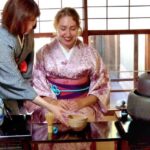
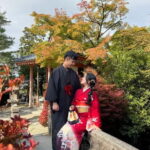
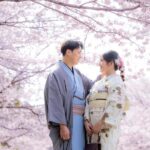
This is where the experience earns its spot on your itinerary. You start by dressing in a kimono at Nishiki Orizuruya, and women get free hair styling. That means you’re not showing up hoping you can get your own hair into that classic shape, or borrowing a rental service and calling it a day. The staff handle the detailed work.
A few specific things I think you’ll appreciate:
- You can pick your kimono and accessories, which makes the look feel like yours instead of a one-size costume.
- Staff are patient and detail-oriented with the fit and styling, including assistance for different body sizes.
- Photo time is built in. If you care about getting good shots, this is one of the better structured “kimono experiences” because it doesn’t feel like you’re rushing to get changed and out the door.
There’s also a comfort angle. One person in the group needed help with sitting on the floor, and a chair was provided. If you’re worried about kneeling or floor seating, this is worth knowing. It’s not listed as a universal promise, but it’s a solid sign that they do think about comfort.
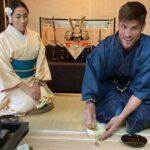
One caution: men typically have fewer kimono choice options than women. If you’re traveling with someone who wants the kimono part mainly for photos, it’s still fun—but manage expectations around variety.
The heart of it: a 90-minute tea ceremony with matcha you whisk yourself
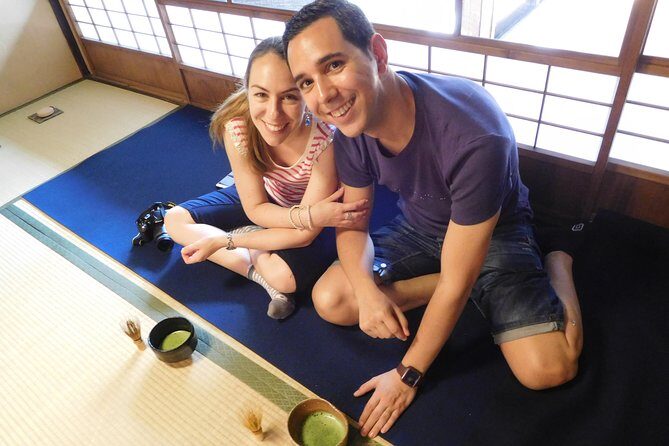
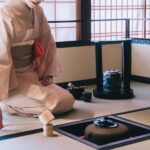
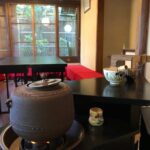
The main event is the tea ceremony, about 90 minutes. You’ll watch a demonstration first. Then you’ll do it yourself—making matcha using a bamboo whisk, and following the etiquette that makes the ceremony feel more than a quick drink.
Here’s why that matters: matcha isn’t just “green powder water.” The ceremony teaches you to slow down, handle the tools carefully, and treat the ritual as a sequence instead of random steps. The guidance in English helps a lot if you’re not familiar with the process.
You’ll also get seasonal wagashi—traditional sweets designed to pair with the matcha. Even if you’re a light sweet eater, the pairing makes you pay attention to texture and flavor, not just caffeine.
From what you’ll learn during the session, the point isn’t memorizing every rule like a test. The point is understanding the why behind the careful motions: respect for the tea, respect for the room, and respect for the moment you’re sharing.
Some hosts are especially strong at explaining the meaning behind what you’re doing. One English-speaking host named Ruriko is specifically mentioned for explaining the true meaning behind the ceremony. If you’re the kind of person who asks follow-up questions, you’ll probably get a lot out of that kind of explanation.
Add-on choice time: calligraphy, gold leaf, or the Nishiki Market walk

After the tea ceremony, you choose one of three formats. This is where your 2 to 2.5-hour total time can shift depending on which plan you pick.
Option A: Tea Ceremony and Calligraphy (about 130 minutes total)
If you love making something personal, calligraphy is the best fit. After you’ve enjoyed matcha and sweets, you’ll learn to write your favorite kanji using a brush and ink. The result becomes a keepsake—something you can bring home that actually reflects your own choice.
This option is also good if you want a calmer pace after the tea room. The brush-and-ink part gives your hands a different focus. One limitation to note: the ceremony teaches the experience well, but at least one participant felt there wasn’t a lot of explanation about the history or significance of each calligraphy step. If you want more background, you may need to ask direct questions while you work.
A few more Kyoto tours and experiences worth a look

Option B: Tea Ceremony and Gold Leaf Workshop (about 130 minutes total)
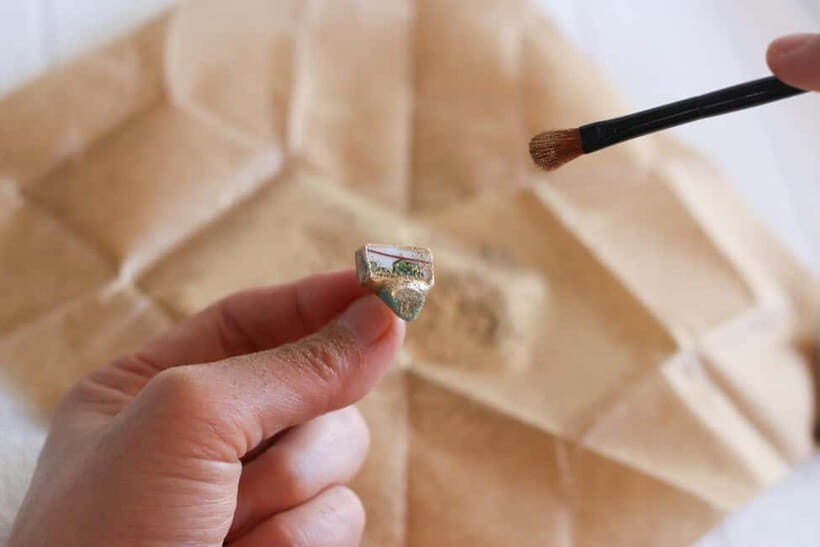
Gold leaf is for people who like hands-on craft. You’ll join a workshop right after the tea ceremony and decorate a small plate using high-purity gold leaf. Then you take the finished souvenir home.
This one tends to feel fun and tactile because you’re doing the application yourself. It’s also a strong “wow” memory because the gold effect looks impressive even if you’re not an artist. If your group is split between “calm and thoughtful” and “hands-on and flashy,” gold leaf usually satisfies both types.
Option C: Tea Ceremony & Nishiki Tour (about 150 minutes total)
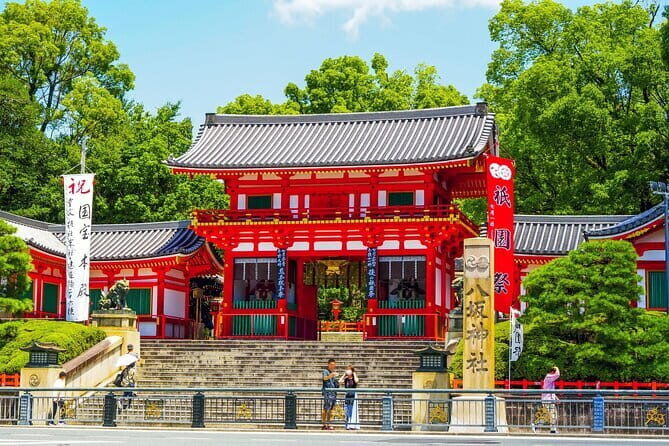
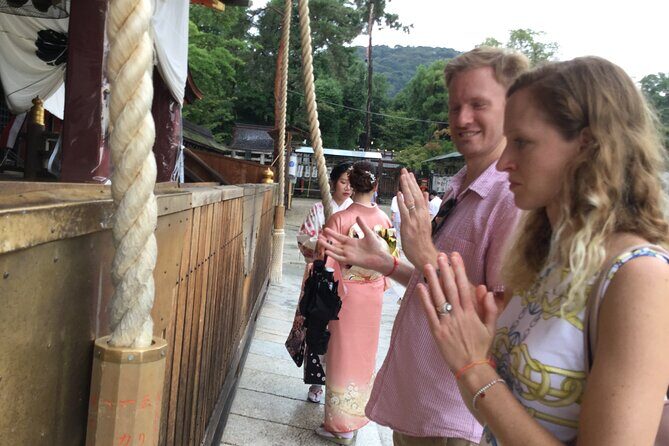
This option blends tea with Kyoto food and shopping reality. You’ll do the tea ceremony, then head out with an English-speaking guide to explore Nishiki Market, often called Kyoto’s Kitchen, plus nearby shrines and historic shopping streets.
If you’re the type who gets overwhelmed by market choice, this is a helpful format. A guide can help you connect what you’re seeing—food stalls, old shops, small shrines—to the larger story of why this area is so central to Kyoto daily life.
One guide named Lina is mentioned as fantastic for the market portion. If you choose this option, expect more movement and decision-making than the calligraphy or gold leaf versions, but also more “Kyoto on the street” context.
Pacing and group size: how the 2.5 hours tends to feel

The experience runs about 2 hours 30 minutes in the longer versions, but your exact end time depends on whether you’re doing calligraphy, gold leaf, or the market tour.
The small group size—max 10 travelers—is a real advantage. In larger tours, kimono dressing and ceremony steps can feel like a conveyor belt. Here, staff can handle sizing, hair styling, and ceremony instruction without making everyone wait forever.
One review also noted things ran smoothly from start to finish. That lines up with the way the day is structured:
- Change and kimono dressing
- Hair styling (women)
- Tea ceremony instruction and hands-on matcha making
- Add-on activity (calligraphy, gold leaf, or Nishiki walk)
A smart practical move: arrive at least 10 minutes before your reservation time. You’ll give yourself buffer for dressing coordination, and you won’t feel rushed before the ceremony begins.
Price and value: what you’re actually paying for at $50.58

At $50.58 per person, you’re paying less for “a show” and more for a package of real services:
- Kimono rental included
- Free hair styling for women
- English guidance
- A guided tea ceremony with matcha you prepare yourself
- Seasonal wagashi
- An optional add-on (calligraphy keepsake, gold leaf craft souvenir, or a market tour with guide)
That’s the key to the value. A lot of Kyoto experiences charge separately for things like translator time, craft instruction, or rental access. Here, the costs are bundled, which makes it easier to plan and harder to regret.
Is it cheap? No. But for a structured cultural experience that includes dressing and hands-on learning in a traditional setting, it’s solid value—especially if you’re on a tight schedule and want one activity to cover several cultural touchpoints.
Who should book this Kyoto kimono tea experience

I think this works best if you fall into one of these groups:
- First-time Kyoto visitors who want an authentic activity near Nishiki Market and don’t want to search for a tea house that fits English speakers.
- People who like crafts and want a keepsake: calligraphy ink work or a gold leaf plate.
- Couples or small groups who want photos and a shared “memory moment” without turning the day into a photo factory.
- Families with kids age 5 and up, because the staff are described as welcoming and accommodating.
One more note: if you don’t care about kimono at all and only want the tea, you might decide to do something else. The kimono component is a major part of the experience’s charm.
Should you book it?

Yes, if you want a Kyoto experience that feels structured, elegant, and hands-on without needing prior knowledge. The location near Nishiki Market is a big practical win: you can pair this with market snacks and sightseeing while staying in one area of town.
I’d book it especially if you want English guidance and a small group feel. And if you’re choosing between add-ons, pick based on your mood:
- Want calm + personal keepsake? Choose calligraphy.
- Want flashy hands-on fun? Choose gold leaf.
- Want street context and local food atmosphere? Choose the Nishiki Market tour.
If you’re the kind of traveler who needs deep background on every single cultural step, plan to ask questions. The experience is rewarding even without that level of detail, but you’ll get more out of it if you speak up.
FAQ
FAQ
How long is the Elegant Tea Ceremony While Wearing Kimono experience?
The tour is about 2 hours 30 minutes for the longer options, with specific formats ranging from around 90 minutes for the tea ceremony alone, up to about 150 minutes when paired with the Nishiki Market tour.
Where does the experience start?
It starts at Nishiki Orizuruya, 452 Jūmonjichō, Nakagyo Ward, Kyoto, 604-8121, Japan.
Is kimono rental included?
Yes. All plans include kimono rental, and women also get free hair styling.
What is included in the tea ceremony?
You’ll learn Japanese tea in a tea room, watch a demonstration, prepare matcha using a bamboo whisk, and enjoy traditional sweets.
What optional activities can I choose after the tea ceremony?
You can choose one of these: calligraphy (writing a favorite kanji), a gold leaf workshop (decorating a small plate), or a Nishiki Market and nearby area walking tour with an English-speaking guide.
Does the tour include English guidance?
Yes, the experience is guided in English.
Is there a limit on group size?
Yes. The maximum group size is 10 travelers.
Is it suitable for children?
Children aged 5 and above may join. There is no child discount.
When should I arrive for my reservation?
Please arrive at least 10 minutes before your scheduled reservation time.
What if the weather is severe?
If the tour is canceled due to severe weather or natural disasters (such as a typhoon), it will be fully refunded.