Kyoto looks its most human after dark. This 2-hour Gion night walk strings together Yasaka Shrine to Hanamikoji Street with just enough stops to understand what you’re seeing. You get a guided rhythm through Kyoto’s old town lanes, where the glow in the street and the hush near shrines change the feel of the neighborhood.
I especially like that the tour is built around specific places with real meaning, not just photo spots. My other favorite part is the way an English-speaking guide turns the area into a story you can follow.
One consideration: this is a walking tour and it is not suitable for wheelchair users, so plan for uneven sidewalks and time on your feet. Also, it can be cold in the evening, so bring warm layers.
In This Review
- Key things I’d plan for
- Entering Gion’s Night Mode: quieter streets, better stories
- Where to meet near Kyoto Gion Hotel (and why that matters)
- Yasaka Shrine: where festivals and geisha-era traditions connect
- Maruyama Park: a slow pause before the old lanes
- Nene no Michi and Ninenzaka: the old-street feeling you came for
- Yasui-Konpiragu’s Power Stone: a ritual you can actually participate in
- Hanamikoji Street: geiko and maiko culture, explained with respect
- Price and timing: is $20 worth it?
- What to wear and how to get the best photos
- Who this tour is best for
- Should you book this Kyoto Gion night walking tour?
- FAQ
- Where do we meet for the Kyoto Gion night walking tour?
- How long is the tour?
- Is the tour guided in English?
- What’s included in the tour?
- Can I cancel if plans change?
- Is there a reserve now, pay later option?
- Is this tour suitable for wheelchair users?
- Will we see geisha or geiko during the tour?
Key things I’d plan for
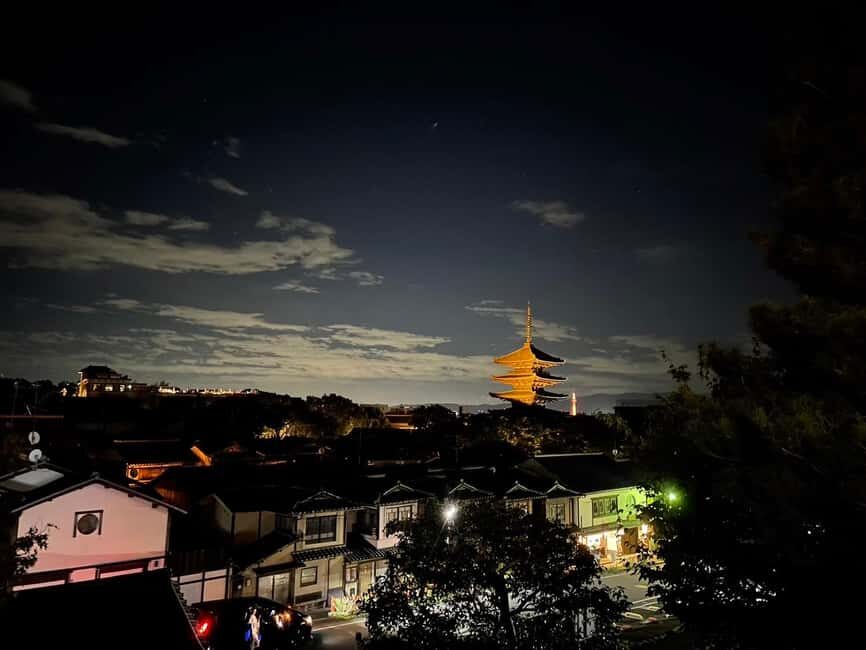
- Yasaka Shrine starts the walk with festival and spiritual context you’ll remember later in Gion
- Maruyama Park gives you a breather before the lanes of Higashiyama
- Nene no Michi and Ninenzaka are the old-street duo for architecture, vibes, and great nighttime photos
- Yasui-Konpiragu’s Power Stone ritual adds something hands-on and memorable
- Hanamikoji Street is where you slow down and understand the geiko and maiko world respectfully
- A guide-led pace keeps the walk feeling relaxed instead of like you’re just hunting landmarks
Entering Gion’s Night Mode: quieter streets, better stories
Walking Gion after dark is one of those travel upgrades that feels small at first, then suddenly everything clicks. The lighting softens the streets, the crowds thin compared with daytime, and you notice details you would miss at noon.
What makes this tour work is that it doesn’t rely on big-ticket sights only. It connects sacred space, old public gardens, and the historic lanes that shaped everyday life. By the time you reach the heart of Gion, you understand why this neighborhood looks the way it does.
I also like that it lasts about 2 hours. It’s long enough to feel like a real walk through the district, but short enough that you’re not exhausted when you still want to explore on your own afterward.
A few more Kyoto tours and experiences worth a look

Where to meet near Kyoto Gion Hotel (and why that matters)
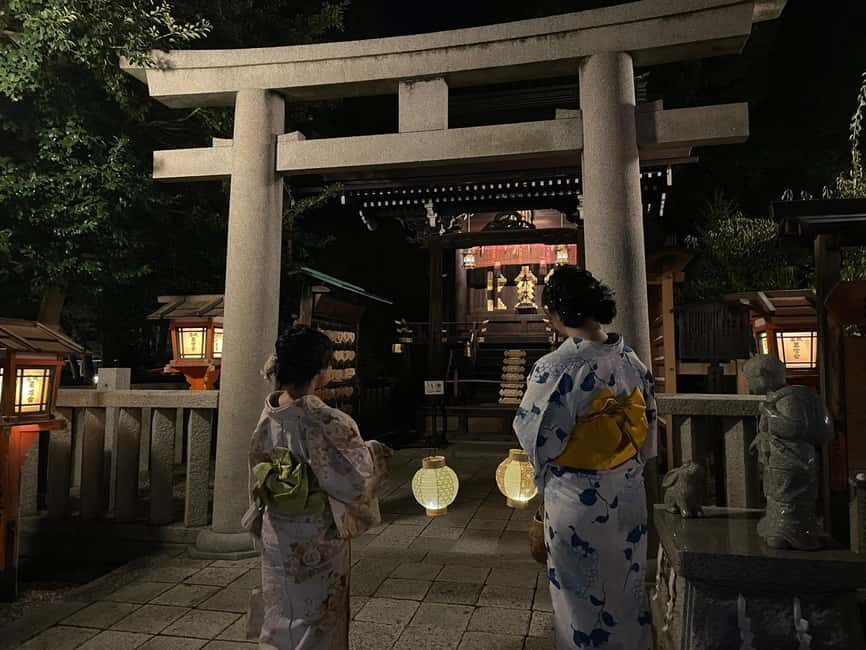
The meeting point is simple: Starbucks Coffee next to Kyoto Gion Hotel, right by the area that’s walking distance to Yasaka Shrine (Western Tower Gate entrance). If you’re staying in the Gion/Higashiyama area, this is a convenient start. If you’re not, it still puts you close to the action so you don’t waste time crossing the city.
This matters because the first part of the tour sets the tone. You begin with Yasaka Shrine, so you’re not trudging into the neighborhood without context first. The guide can help you get your bearings fast, which is a big deal in Kyoto’s maze-like streets.
And yes, it’s a Starbucks meet-up. That’s useful: you won’t be guessing where to stand in an alley, and it’s easy to locate even if your Japanese is still in the learning stage.
Yasaka Shrine: where festivals and geisha-era traditions connect
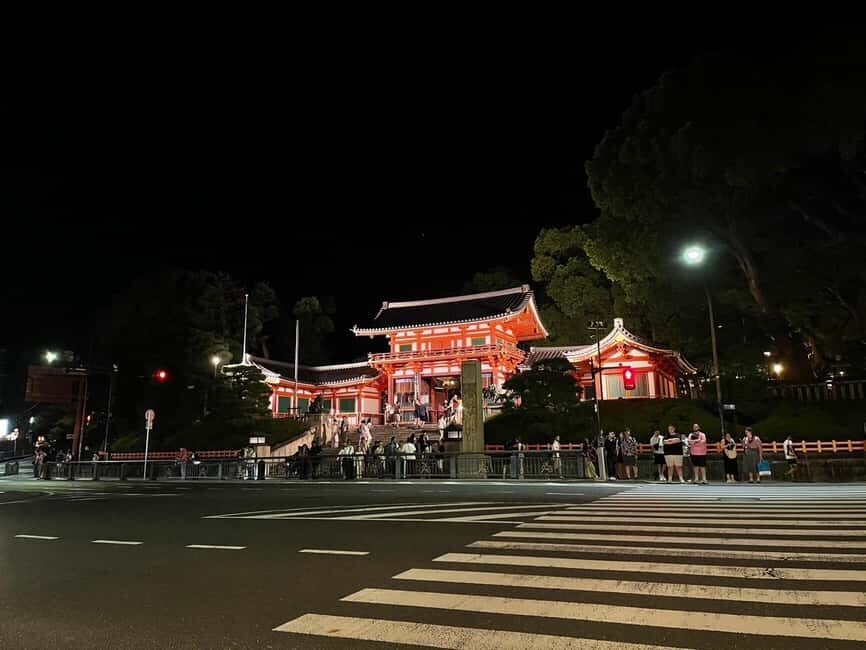
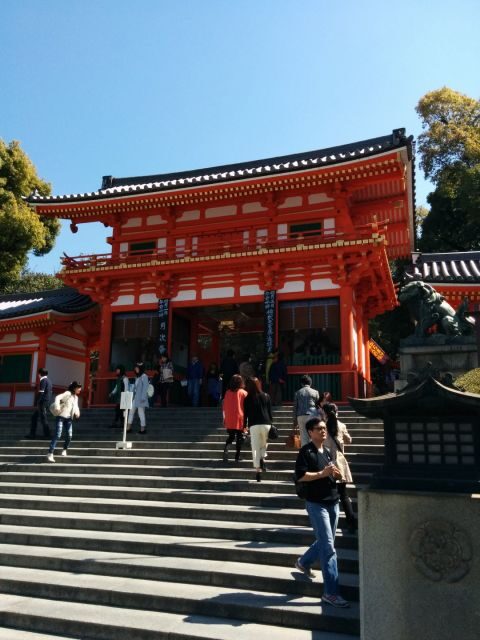
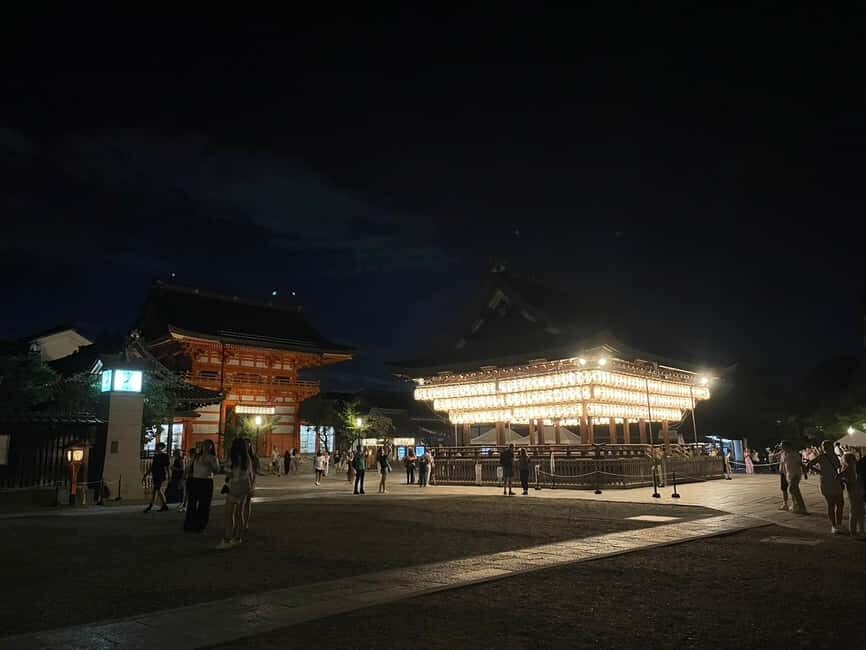
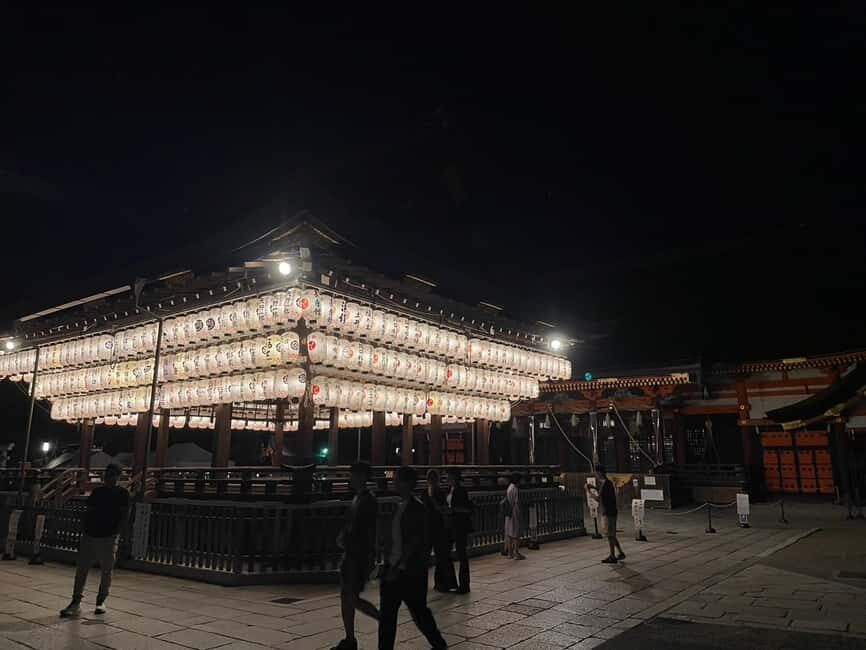
The walk starts at Yasaka Shrine, one of Kyoto’s most treasured spiritual landmarks. The guide focuses on the shrine’s deep ties to Kyoto’s festivals and the refined traditions associated with geisha culture.
Why this stop is more than a scenic start: shrines in Kyoto aren’t just buildings. They’re reference points for how the city organizes celebration, community, and respect. When you understand that role, later streets in Gion feel less like a set and more like a living neighborhood with memory.
Expect the guide to explain what you’re looking at and why it matters. You’ll also get time that feels unhurried, about 20 minutes dedicated to this starting landmark, which is the right amount for a first wow moment without turning it into a rushed checklist.
Maruyama Park: a slow pause before the old lanes
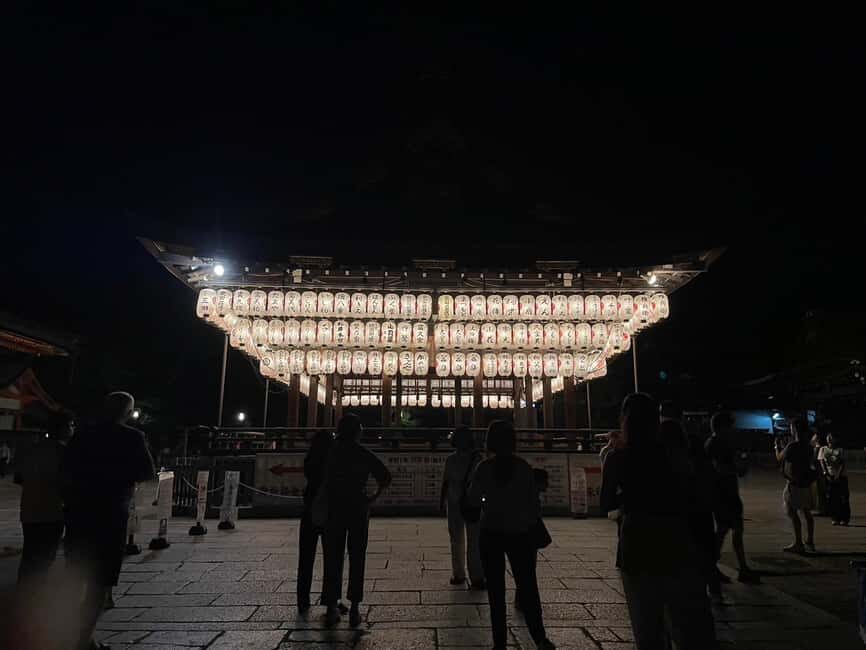
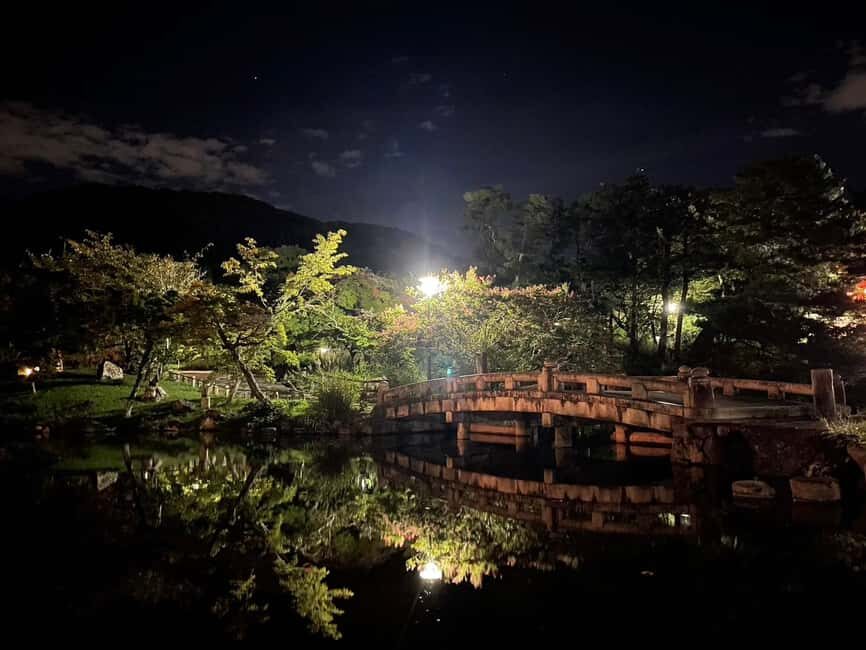
After Yasaka Shrine, you’ll head toward Maruyama Park, described as Kyoto’s oldest public garden. This is your decompression stop, where the walk briefly shifts from shrine energy to calmer, greener stillness.
I like this pacing because it prevents the tour from becoming one long string of streets. Maruyama Park helps you reset, notice the rhythm of the area, and prepare for the next section of narrow lanes and historic storefronts.
At night, a park pause also changes your senses. Sound carries differently, and the soft lighting makes you pay attention to shape and spacing, not just signage. It’s an easy place to breathe before the route gets photogenic in a big way.
Nene no Michi and Ninenzaka: the old-street feeling you came for
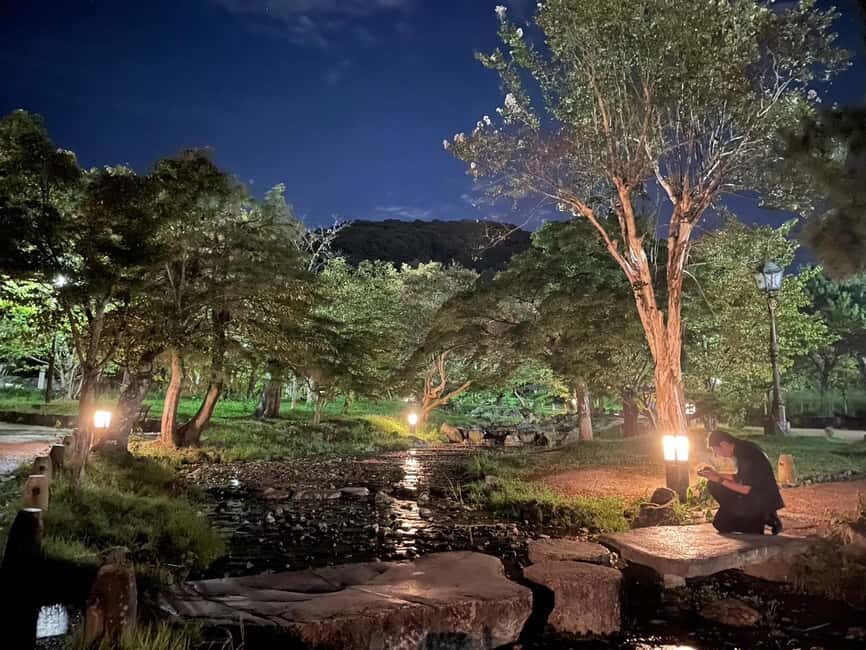
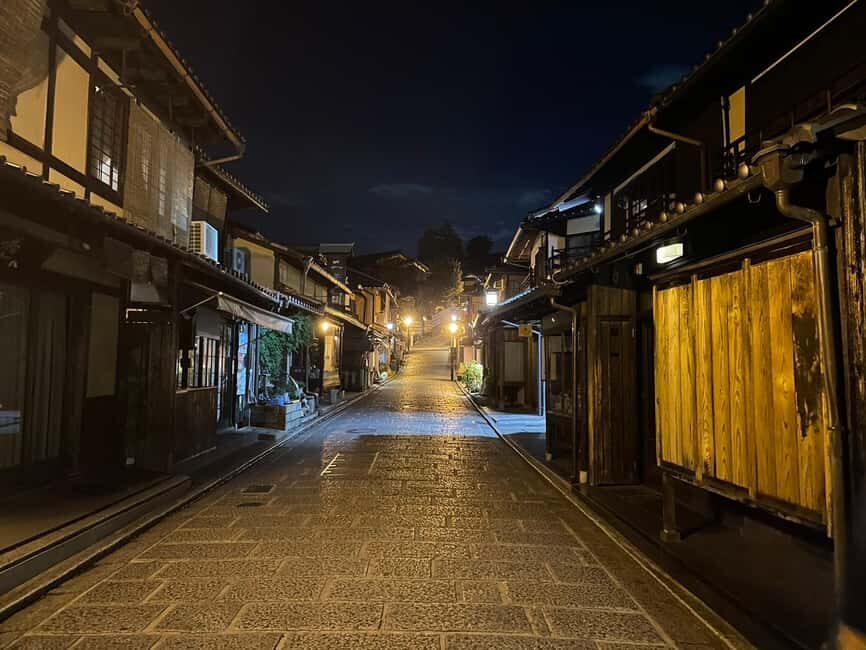
Next comes Nene no Michi, a stone-paved lane named after Nene, the wife of samurai leader Toyotomi Hideyoshi. The lane is lined with traditional townhouses, cozy teahouses, and artisan-style shops, and it captures that timeless Higashiyama atmosphere.
Then you move to Ninenzaka, a photogenic slope of historic wooden buildings and quaint storefronts. At night, Ninenzaka can feel almost cinematic: the slope makes angles interesting for photos, and the wooden facades reflect light in a way that flat streets don’t.
A practical note: these streets can be tight. That’s part of the charm, but it also means you’ll want comfortable shoes and patience for foot traffic. The guide’s pacing helps here, because you’re not stopping and starting randomly while everyone tries to photograph the same corner.
If you love architecture, street texture, and that Kyoto-you-can’t-fake feeling, this is where the tour delivers.
Other walking tours we've reviewed in Kyoto





Yasui-Konpiragu’s Power Stone: a ritual you can actually participate in
One of the most memorable stops is Yasui-Konpiragu Shrine, known for its symbolic “Power Stone” archway. Locals and visitors crawl through it as part of a prayer ritual, with meanings tied to strong bonds and leaving unwanted ties behind.
This is the kind of stop I value on guided tours. It adds a human, repeatable tradition that doesn’t require special knowledge. You don’t need to be a history buff to understand why it matters to people here.
It’s also a great contrast to the more purely scenic streets. After Ninenzaka’s slope and shopfront charm, Yasui-Konpiragu grounds the tour in something physical, short, and meaningful.
Just be ready for the moment: the ritual has a different pace than sightseeing. You’ll want to pay attention and follow the guide’s cues so you don’t end up in the wrong place at the wrong time.
Hanamikoji Street: geiko and maiko culture, explained with respect
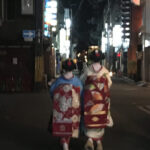
Finally, you arrive at Hanamikoji Street, the heart of Gion. This is where rows of preserved wooden teahouses still connect to the world of geiko (Kyoto geisha).
The guide shares insights into the lives, training, and artistry of geiko and maiko. That’s important, because Gion can feel like a theme park if you don’t understand what the traditions are and how privacy works. A good guide helps you see the street as a cultural space, not just a backdrop.
There’s also a real possibility you might spot a geisha or geiko briefly. One review highlights that seeing a geisha can be unusual, which tells you to treat it as a bonus rather than a guarantee.
Either way, the atmosphere is the point: Hanamikoji feels ceremonial at night, like the neighborhood is speaking quietly instead of performing loudly.
Price and timing: is $20 worth it?
At $20 per person for a 2-hour guided walk, the value is strong—especially if you’re the type who likes learning while walking. Kyoto’s biggest problem isn’t lack of sights. It’s figuring out what matters and how to connect the dots.
This tour solves that with a tight route: you start at Yasaka Shrine, get a garden breather, walk old lanes like Nene no Michi and Ninenzaka, include a shrine ritual at Yasui-Konpiragu, then end where Gion comes alive on Hanamikoji Street.
Another value point: photos are included, which helps a lot in Kyoto. Night photography is hard with a phone in your own hands. Having the guide help with pictures means you spend less time wrestling with settings and more time enjoying the area.
One more plus: the guide is English speaking, and multiple guides have been praised for being friendly and engaging. That matters because Kyoto history has a lot of names and details. When the explanation is clear, you actually remember it later.
What to wear and how to get the best photos
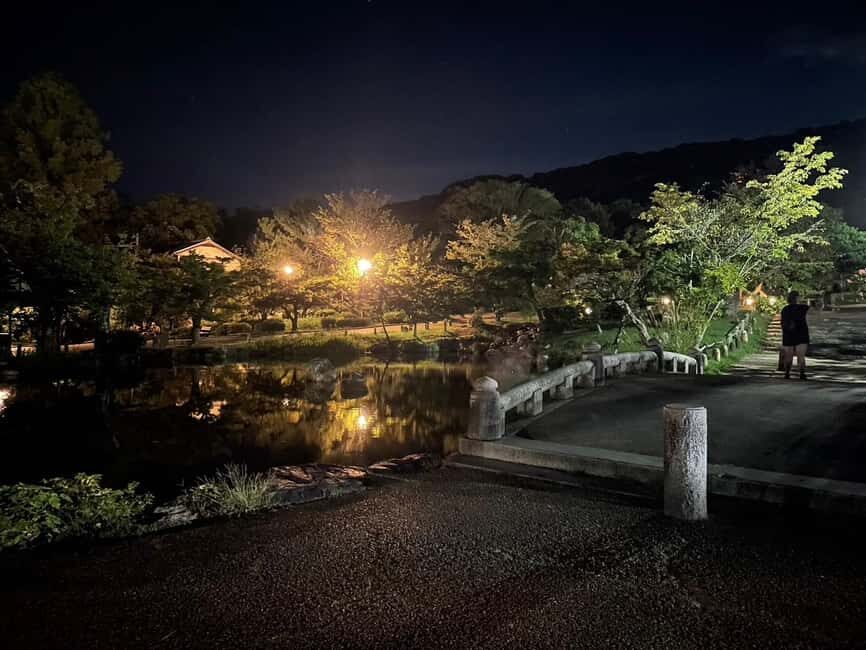
This is a nighttime walking tour, so treat it like one. Wear comfortable shoes with grip—Gion streets can be uneven and slick depending on the weather. Layers help, since a cold evening is mentioned in the tour feedback.
For photos, aim to plan your stop points instead of running ahead. The best shots on streets like Ninenzaka often come from slowing down and letting the guide position you near the right angles. If you’re traveling solo, the guided photo moments are especially useful.
Also, don’t assume you’ll have a clear view of geiko or maiko. The respectful way to enjoy that part of Gion is to watch the street, not to chase people.
And if you’re coming with mobility limits: this tour is not suitable for wheelchair users. It’s a walking route through historic streets, so consider a different format if that affects you.
Who this tour is best for
I think this tour fits you if you want Kyoto’s Gion at night with clear context and a manageable time commitment. It’s ideal if you like walking, street-level atmosphere, and explanations that connect shrines, festivals, and Gion culture.
It’s also a good match for couples or small groups who want a more personal feel. Some guides have been described as creating an experience that feels private for the price, which usually happens when group sizes stay small and the guide can answer questions.
If you’re the type who loves history but gets lost without a narrative thread, this tour does that work for you. If you just want a casual stroll with zero explanation, you might prefer a self-guided night walk with a map instead.
Should you book this Kyoto Gion night walking tour?
Book it if you want a guided path through the places that define Gion—Yasaka Shrine, Nene no Michi, Ninenzaka, Yasui-Konpiragu, and Hanamikoji—without turning your evening into a stressful route search. For $20 and 2 hours, it’s a smart way to get both atmosphere and meaning.
Skip it (or choose a different option) if walking for 2 hours on uneven streets is not realistic for you, since it’s not suitable for wheelchair users. And if you’re only coming for geisha sightings, treat that as a bonus. The tour’s real win is understanding the neighborhood and feeling its night rhythm.
If you want Kyoto’s old lanes with context and good night vibes, this is an easy yes.
FAQ
Where do we meet for the Kyoto Gion night walking tour?
You meet in front of Starbucks Coffee located next to Kyoto Gion Hotel. It’s walking distance from Yasaka Shrine (Western Tower Gate entrance).
How long is the tour?
The tour lasts about 2 hours.
Is the tour guided in English?
Yes. The guide provides the tour in English.
What’s included in the tour?
You get an English speaking guide, historical insights (including about Yasaka Shrine), and photos during the tour.
Can I cancel if plans change?
Yes. Free cancellation is available up to 24 hours in advance for a full refund.
Is there a reserve now, pay later option?
Yes. You can reserve now and pay later to keep your plans flexible.
Is this tour suitable for wheelchair users?
No. It is not suitable for wheelchair users.
Will we see geisha or geiko during the tour?
You might. The tour focuses on geiko and maiko culture on Hanamikoji Street, and there have been mentions of brief sightings, but visibility is not guaranteed.