Kyoto in one tight day works. This private tour is built for first-timers who want the main hits without playing transportation detective all day. I especially like having a guide who handles the storytelling and timing for big sights, and I like that the route covers Kyoto’s most famous scenes in a single flow. One consideration: it’s a packed walking day, so comfy shoes matter more than you think.
If you want control, there’s a customizable option too. You can contact your guide 2 weeks in advance to shape the day, and if you don’t reply, the tour follows the standard plan. The trade-off is simple: the more you want personal tweaks, the more you’ll need to actually communicate your preferences.
In This Review
- Key Points at a Glance
- A First-Timer Kyoto Day That’s Actually Manageable
- Getting Oriented: Where You Start and What the Day Feels Like
- Stop 1: Fushimi Inari and the Senbon-Torii Walk
- Stop 2: Kiyomizu-dera and the Stage View
- Stop 3: Sanneizaka, the Preserved Streetscape
- Stop 4: Hanamikoji Street and the Gion Main Drag
- Stop 5: Nijo Castle for Old Architecture and a Garden Pause
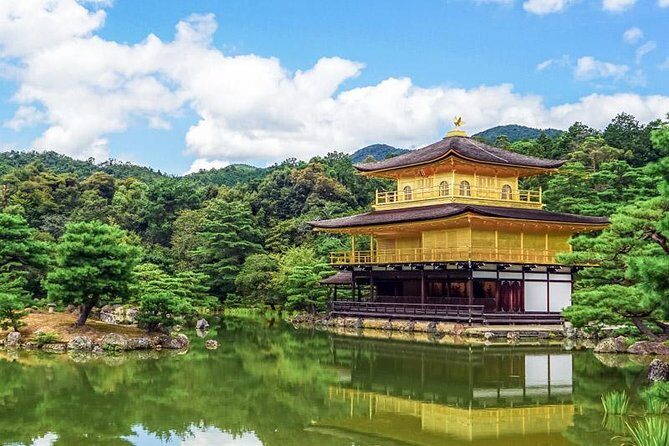
- Stop 6: Kinkaku-ji and the Golden Pavilion Finish
- Customization: Make the Day Yours (Without Losing the Plot)
- Guides That Actually Shape the Experience
- Price and Value: What $99.10 Really Buys
- Who This Kyoto Private Day Trip Is Best For
- Should You Book This Tour?
- FAQ
- How long is the Kyoto private day trip?
- How much does the tour cost?
- Where do we meet the guide?
- Is this a private tour?
- Which major sights are included?
- Are entrance fees included?
- Is lunch included?
- Can I customize the itinerary?
- What’s the tour ticket like?
Key Points at a Glance
- Private guide, small-group feel: only your group participates, so questions don’t get lost in a crowd.
- Crowd-aware routing: the day is timed to reduce congestion at the most popular spots.
- Kyoto’s top icons, one day: Fushimi Inari, Kiyomizu-dera, Nijo Castle, and Kinkakuji in one sweep.
- Optional limo: choose a with limo option if you’d rather reduce transfers.
- Custom itinerary option: contact your guide 2 weeks ahead to adjust the plan.
- Entrance fees and lunch are extra: you’ll pay for key sites like Kiyomizu-dera separately.
A First-Timer Kyoto Day That’s Actually Manageable
Kyoto can feel like a choose-your-own-adventure city. Temples, shrines, old streets, castles—everything is important, and everything is far apart. This tour keeps you sane by putting four headline locations into one day with a guide who knows how to move you through them.
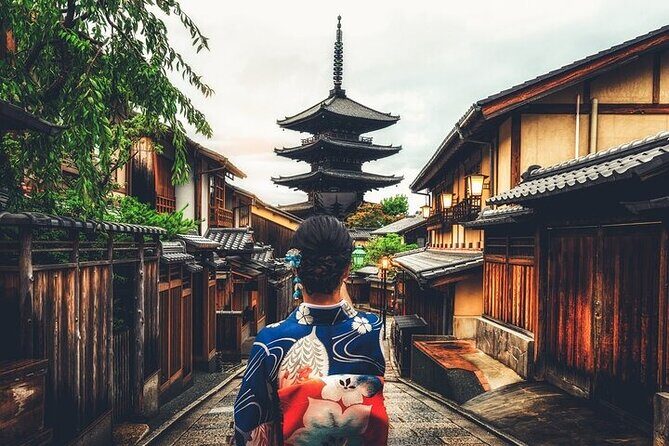
The big value is not just what you see, but the order. Fushimi Inari gives you the iconic torii gate tunnel right up front. Then you shift to Kiyomizu-dera, where the view from the temple stage is part of the show. After that, you get a change of pace at Nijo Castle with its gardens and historic architecture. Finally, you close at Kinkakuji, the Golden Pavilion area that’s famous for a reason.
And because it’s a private tour, you’re not stuck with someone else’s pace. The day still runs about 7 hours, but the guide can adjust to your group’s speed and interests. You’ll also get translation help so you can ask questions without guessing.
Other private tours in Kyoto


Getting Oriented: Where You Start and What the Day Feels Like
The tour meets at the Bus Ticket Centre / Information Centre at 902 Higashishiokōjichō, Shimogyo Ward, Kyoto. It’s also described as near public transportation, which matters because your first goal in Kyoto is getting your feet under you fast.
You return to the same meeting point at the end. That simple loop can make the day less stressful, especially if you’re trying to plan dinner or transit afterward.
Expect walking. Even with time inside each stop, you’ll be on your feet a lot. The tour info is blunt about it: wear comfortable clothing for a lot of walking. If you’re the type who hates being rushed, this is still a good fit—but go into it thinking stamina, not just sightseeing.
Stop 1: Fushimi Inari and the Senbon-Torii Walk
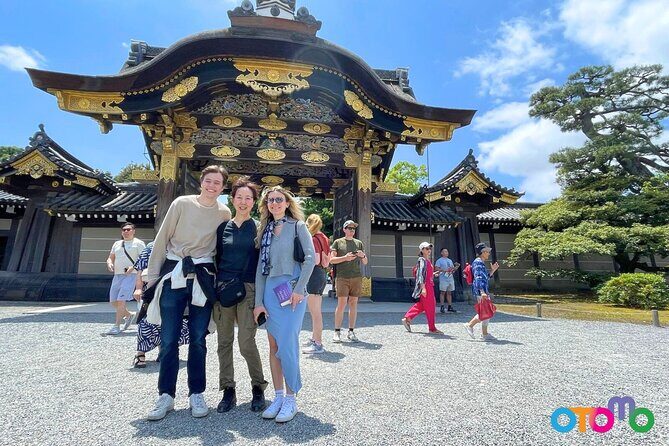
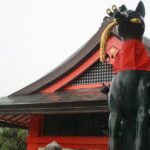
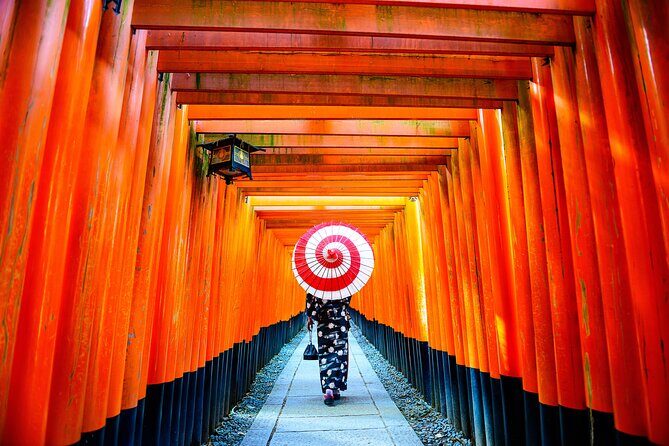
Your day starts at Fushimi Inari Taisha, famous for the thousand torii gates along the approach. The torii tunnel is the whole point here: it creates that eerie, tunnel-like feeling that makes you slow down and look up.
You’ll spend about 32 minutes at Fushimi Inari, with the focus on experiencing the Senbon-torii properly rather than rushing a quick photo line. Admission is free for this stop, which is a nice bonus when you’re doing a full day of paid attractions elsewhere.
Practical take: even in short time blocks, this place works because the gates are the attraction. You don’t need extra planning tools. You just follow the path, take in the changing angles, and let the place do its quiet magic.
Stop 2: Kiyomizu-dera and the Stage View

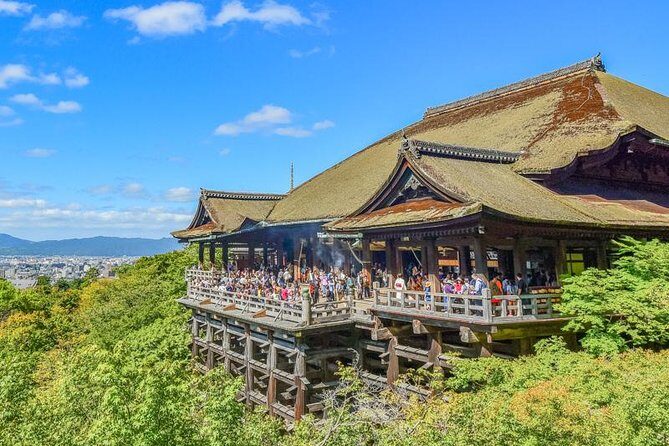
Next is Kiyomizu-dera, a World Heritage temple that’s practically synonymous with Kyoto. You’ll spend about 45 minutes here, and admission is not included.
The signature feature is the stage view area—this temple is famous for how it frames Kyoto from its vantage points. The information also notes the temple’s origin story involving Kannon and the long history behind its reputation.
Drawback to plan around: it’s a major draw, which usually means crowds and lots of foot traffic. Your guide’s role becomes important here. A good guide helps you pace through the site so you still feel oriented instead of just moving with the crowd.
Also, Kiyomizu-dera costs are listed at ¥5,370 per person (and it’s specifically called out as an additional entrance fee). So yes, this tour can save you from planning—but it doesn’t mean you can skip entrance costs.
Stop 3: Sanneizaka, the Preserved Streetscape
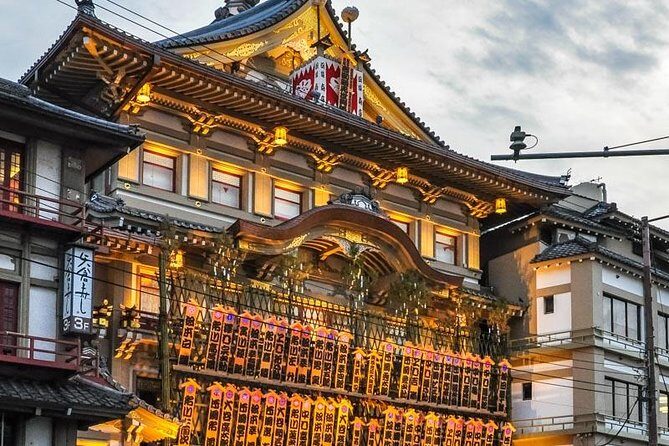
After Kiyomizu-dera, you’ll walk the approach area at Sanneizaka. This is part of the Kiyomizu Temple approach and is designated as an Important Preservation District for Group Preservation of historic features.
It’s also tied to history in a way that’s more than just a label. The tour description says Sanneizaka is believed to have been used by Toyotomi Hideyoshi’s wife, Kita no Mandokoro. That kind of connection helps turn a “walk down a street” into something you remember.
You’ll get about 1 hour here. Admission is free for this stop. The main value is atmosphere: preserved streets, photo opportunities, and the sense of old Kyoto between the big-ticket monuments.
A few more Kyoto tours and experiences worth a look




Stop 4: Hanamikoji Street and the Gion Main Drag
Then you hit Hanamikoji Street in the Gion area. You’ll spend about 10 minutes here—brief, but purposeful—because the goal is to orient you to Kyoto’s iconic street vibe without letting it swallow your whole day.
Hanamikoji is described as the main street of Gion, lined with Kyoto-esque buildings and cultural architecture nearby. Even if you’re not shopping, short stops like this help you understand what Kyoto “looks like” beyond the temples.
One note: with a short time slot, you’ll want to decide quickly if you want photos, a snack, or a quick look at storefronts. This stop is best used as a visual checkpoint.
Stop 5: Nijo Castle for Old Architecture and a Garden Pause
Nijo Castle is next, with about 55 minutes on the site. Admission is not included.
This is where the day shifts from religious icons to political history and architecture. The description frames Nijo Castle as tied to the Tokugawa Shogunate’s rise and fall, and it’s presented as a valuable historic site with gorgeous old architecture.
What I like about adding Nijo Castle to this route is the breathing room. The plan specifically mentions sitting in the garden for a small break after the busy tourist rush. That matters. Temples and gates are intense visually, and a calmer garden moment helps the day feel less like a checklist.
In practical terms: if your legs are tired, this is the stop where you can pace a bit. Use the garden time to reset, then rejoin the group for the main highlights.
Stop 6: Kinkaku-ji and the Golden Pavilion Finish
You end at Kinkakuji Temple, also known as the Golden Pavilion. You’ll spend about 40 minutes here, and admission is not included.
This stop is famous for its golden building, and the tour description adds a cultural note: it’s said to be the origin of the Golden Land reference. In other words, it’s not only a pretty sight—it also has language and legend tied to it.
The plan warns that it’s busy all year around. That’s not a dealbreaker, but it means your guide’s timing can make a real difference. A strong guide helps you get the best viewpoints without spending the whole time stuck in one spot.
Customization: Make the Day Yours (Without Losing the Plot)
You can choose the customizable tour option, but do it with intention. The rules are clear: contact your guide 2 weeks in advance to build a personalized itinerary. If you don’t respond, the tour runs on the standard itinerary.
So here’s the smart approach: decide what matters most to you. Is it temples vs. streets vs. a calmer pace? Do you want shopping time? Are you traveling with kids or anyone with limited mobility? You can ask for adjustments, and guides can often optimize the day around those needs.
Limo option is also available if you select with limo. That can be a big quality-of-life improvement if you’d rather reduce transfers on foot. The trade-off is cost and the fact that you’re still doing four major sights in one day—so it’s not a “slow Kyoto” plan.
And one more transport note: if you choose a Taxi Preference option, the tour info says all taxi fares during the tour, including for the guide, are the guest’s responsibility. If you’re trying to keep spending predictable, factor that in when you pick your transport method.
Guides That Actually Shape the Experience
This is one of those tours where the guide can turn a good itinerary into a great day. Several guide examples in the provided info show patterns worth paying attention to:
- Josh is praised for optimizing the schedule around major tourism times to avoid overcrowding as much as possible, plus making smart lunch and shopping recommendations.
- Kai (and another Kai mentioned) listens to specific needs and translates language and cultural differences smoothly, which helps you understand what you’re seeing instead of just collecting photos.
- Fumi is highlighted for flexibility when places are closed or already visited, while still keeping the day time-efficient.
- Kei (and others) is described as informative and fun, which matters because Kyoto history can get heavy if your guide doesn’t keep it human.
- Jun and Tetsu are praised for building an itinerary that covers the most important sites in one day without wasting time.
- OSAMU is mentioned as having lots of experience and sharing facts across the stops.
- One note of caution involves Casey, where a customer felt the experience did not match what they expected. That’s a reminder to set expectations early—especially if you’re customizing.
The practical lesson: message your guide clearly. If you want a certain walking level, certain priorities, or extra time for shopping or lunch, say so up front.
Price and Value: What $99.10 Really Buys
The listed price is $99.10 per person, and the tour duration is about 7 hours. It includes a tour guide and notes it’s a private tour, with only your group participating.
What’s not included is important. The tour data says transportation fees, entrance fees, lunch, and other personal expenses are on you. It also estimates standard tour costs at 5,370 JPY per traveler, and it explicitly lists Kiyomizu-dera admission at ¥5,370 per person.
So how do you judge value?
Here’s the honest equation:
- You’re paying for someone to handle the pacing, sequencing, language support, and day structure.
- You’re still paying entry and food at the places.
- You’re getting a day that hits big Kyoto targets without you needing to plan transit between far-flung points.
If you’re a first-timer, the “someone else plans it” value can easily outweigh the extra entry costs—especially at Kiyomizu-dera, where admission is called out clearly. If you already know Kyoto well and you love planning each leg yourself, this can feel less necessary. But for most people in their first visit window, a guide-driven day like this is a fast way to get your bearings.
Also, there’s mention of group discounts. If you’re traveling with friends, it’s worth checking whether that affects total value for your party.
Who This Kyoto Private Day Trip Is Best For
This tour fits best if you:
- are visiting Kyoto for the first time and want a tight, iconic hit list
- prefer a plan with built-in context rather than reading guidebooks all day
- care about translation support and clear explanations while you walk
- want a private experience without worrying about group schedules or where everyone is going
It can also work well for families, based on a note about a guide being patient while navigating with two children. Still, the walking volume is real, so bring water, take breaks when offered, and communicate needs to the guide.
If you’re expecting a short, low-walking day, double-check what you’re buying. The standard duration is listed as 7 hours (approx.), and one negative experience involved a mismatch with a customer’s expectations.
Should You Book This Tour?
I’d book it if you want a first-day orientation to Kyoto that covers the essential sights without you having to do the heavy planning. The private guide, the focus on major landmarks, and the emphasis on timing (to reduce crowd pain) make it a strong value for most first-timers.
I’d hesitate if you need a very relaxed pace, if you want a very short visit, or if you’re not willing to communicate your preferences in the customizable option. Kyoto is popular, and this itinerary is built to move—so it rewards travelers who can walk and who set expectations clearly with the guide.
If that sounds like you, this is a good way to start your Kyoto trip with confidence.
FAQ
How long is the Kyoto private day trip?
The tour duration is about 7 hours (approx.).
How much does the tour cost?
The price is listed as $99.10 per person.
Where do we meet the guide?
The meeting point is the Bus Ticket Centre / Information Centre at 902 Higashishiokōjichō, Shimogyo Ward, Kyoto, 600-8216, Japan.
Is this a private tour?
Yes. It’s described as a private tour/activity, and only your group participates.
Which major sights are included?
The standard route includes Fushimi Inari Taisha, Kiyomizu-dera, Sanneizaka, Hanamikoji Street (Gion area), Nijo Castle, and Kinkakuji Temple.
Are entrance fees included?
No. Entrance fees are not included. The tour also states that customers bear the costs for entrances at visited spots, and Kiyomizu-dera is listed as ¥5,370 per person.
Is lunch included?
Lunch is not included.
Can I customize the itinerary?
Yes, if you choose the customizable tour option. You’re asked to contact your guide 2 weeks in advance. If you don’t respond, the tour will be conducted according to the standard itinerary.
What’s the tour ticket like?
It’s described as having a mobile ticket, and confirmation is received at the time of booking.