Kyoto is best seen with momentum.
This full-day bike tour threads famous stops like Toji and Ginkaku-ji into a route that also finds quieter backstreets most buses can’t reach. You’re on e-bikes, so the day feels doable even with a lot of sightseeing time and lots of photo stops. A local guide keeps things moving at a relaxed pace, with stops built for both views and understanding.
Two things I really like are the mix of big-name landmarks and calmer Kyoto moments. You’ll hit major UNESCO sites like Nishi Honganji and still get time in places that feel more peaceful—like Honen-in in the hills and the tucked-away alleys near Gion. Second, the guide matters here: Jaime is described as friendly and knowledgeable, which makes the scenery easier to read as real Kyoto, not just postcards.
One consideration: you need to be comfortable riding and maneuvering. The tour asks you to handle narrow paths and ride about 32 kilometers, so it’s not a “sit and coast” day. Also, lunch isn’t listed as included, so plan for a meal break rather than assuming it’ll be taken care of.
In This Review
- Key things to know before you pedal
- Why a Kyoto Bike Day Beats the Usual Temple Trot
- Start at Toji: UNESCO Pagoda and an Easy First Stroll
- Umekoji Park and Ryukoku University: Kyoto’s Green Breath and Real Life
- Nishi Honganji to the Kamo River: Courtyards, Architecture, and Flow
- Miyagawacho and Heian Shrine: Quiet Alleys and the Vermilion Gate
- Lake Biwa Canal Museum and Nanzen-ji Aqueduct Views
- Philosopher’s Path and Honen-in: A Calmer Side of Kyoto
- Ginkaku-ji Silver Pavilion and Gion Lanes: Big Names, Real Atmosphere
- Price and value: Is $128.48 a fair deal for a full day?
- What it feels like to ride 32 kilometers in Kyoto
- Who this tour is best for
- Should you book this Kyoto Discover-by-Bike full day?
- FAQ
- How long is the Discover Kyoto by Bike full day tour?
- How much riding should I expect?
- What’s included in the price?
- Is lunch included?
- Where do I meet the guide?
- What happens if the weather is bad?
Key things to know before you pedal
- Electric bikes for real comfort: You’ll cover a full day’s worth of Kyoto with help on the ride.
- A route that avoids the worst congestion: Some areas get busy, but much of the cycling runs through quieter lanes and river paths.
- Culture stops, not just photos: Temples like Nishi Honganji and Nanzen-ji include time to understand what you’re seeing.
- Ginkaku-ji is actually part of the plan: Admission at the Silver Pavilion is included, while many other stops are free.
- You’ll ride Kamo River and near-Gion alleys: Great for that local feel without fighting tour-bus crowds.
- Moderate fitness is required: Expect about 32 km and safe bike handling on narrower streets.
Why a Kyoto Bike Day Beats the Usual Temple Trot
If your first instinct is to stack temples in a single day, you’ll quickly run into a problem: Kyoto sites are spread out, and buses shove crowds into the same chokepoints. A bike tour solves that by doing what bikes do best—connecting places with more flexibility.
What makes this one work is the pacing and the variety. You’re not just racing between sights; you get time on the ground at places like Nishi Honganji, Nanzen-ji, and Ginkaku-ji. And you’re not stuck only in the headline areas. The route also includes calmer places such as Honen-in and the quieter geisha-district lanes near Gion.
For me, the best part is the rhythm: ride, pause, learn, ride again. That’s how you start to notice the small differences in neighborhoods and temple grounds. Kyoto rewards that kind of attention.
Other cycling tours in Kyoto


Start at Toji: UNESCO Pagoda and an Easy First Stroll
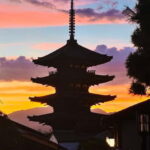
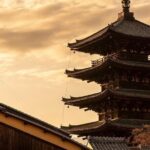
The day begins at Toji, a UNESCO World Heritage site known for its five-story pagoda, described as the tallest wooden tower in Japan. Even if you’ve seen Toji in photos, the real value here is your first slow walk through the temple grounds while the day is still young.
This is a short stop—about 15 minutes—but it’s a smart opener. You get an iconic anchor sight early, plus a chance to orient yourself before the longer day of cycling. The admission ticket is free for this stop, which helps keep the day feeling cost-efficient.
A practical tip: when you’re on a bike tour, your brain can get busy focusing on the next ride segment. Use these early minutes to soak up the view and reset your legs. By the time you’re back on the saddle, you’ll ride more smoothly.
Umekoji Park and Ryukoku University: Kyoto’s Green Breath and Real Life
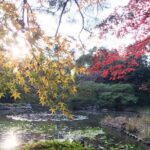
After the morning start, the route shifts toward space and everyday Kyoto. The tour heads through Umekoji Park, where the vibe is greenery, seasonal flowers, shady trees, and a pond. This kind of stop matters in a city full of stone and incense—your body gets a breather, and your eyes get a break.
Then you pass by Ryukoku University Omiya Campus, tied to the Nishi Hongwanji sect of Buddhism. It’s a quick stop (around 10 minutes), but it adds something most temple-focused itineraries skip: how modern Kyoto coexists with older religious traditions. You’re not only looking at heritage buildings; you’re seeing how daily routines play out near them.
The drawback to know here is timing. These stops are short, so you won’t have time for long wandering. Think of them as punctuation—nice pauses that keep the story moving.
Nishi Honganji to the Kamo River: Courtyards, Architecture, and Flow
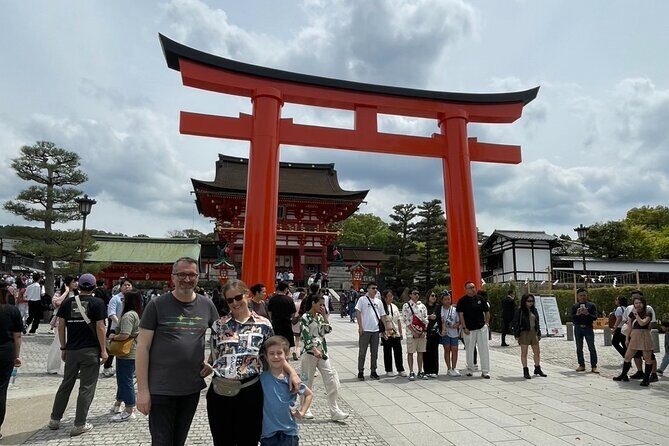
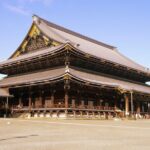
Next up is Nishi Honganji, another UNESCO site and a major temple of Jodo Shinshu Buddhism. You’re given about 30 minutes, which is enough time to appreciate the wooden architecture and understand why the courtyard and temple scale matter.
This is the kind of stop where a guide really earns their keep. The more you learn about what you’re looking at—why it’s built the way it is, and what the site’s historical role was—the less it feels like a checklist.
Then comes a ride along the Kamo River. This part is a favorite formula for Kyoto bike days: you trade narrow side streets for a smoother, more relaxed corridor where locals jog, relax, and take advantage of the river setting. It’s also a great moment for a sanity check. If you feel good, you enjoy the ride. If you’re tired, you treat it like a moving rest.
Miyagawacho and Heian Shrine: Quiet Alleys and the Vermilion Gate
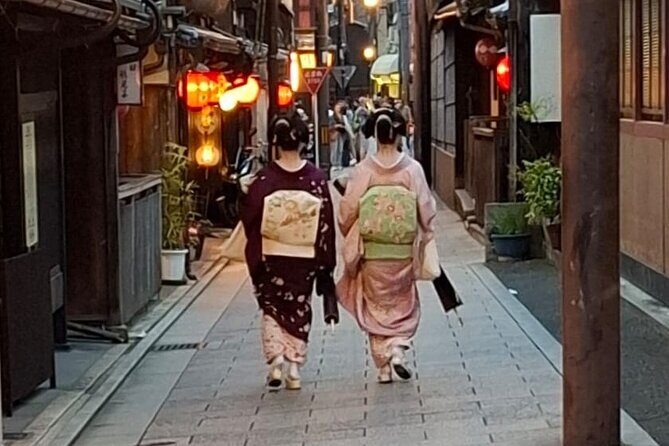
After the river, the tour heads into a geisha district area near Gion—specifically Miyagawacho. The plan is a quiet ride through traditional alleys, and that’s where the bike format shines. You glide past scenes you’d otherwise miss because you’re either stuck in pedestrian crowds or stuck waiting for a bus.
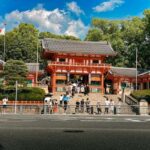
From there you visit Heian Shrine. It was built in 1895 to mark Kyoto’s 1,100th anniversary, and the bright vermilion gate and main buildings are modeled after the ancient Imperial Palace. Just down the road, you’ll also see one of Japan’s largest torii.
This is a stop that works even if you’re temple’d out. Why? Because it’s open, scenic, and architecturally designed to feel ceremonial. It’s a visual reset before you move into more dense temple grounds later.
A few more Kyoto tours and experiences worth a look


Lake Biwa Canal Museum and Nanzen-ji Aqueduct Views
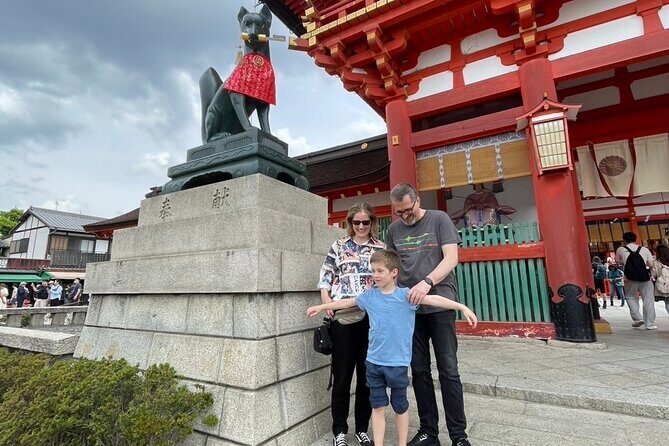
One of the most interesting switches in the day is Lake Biwa Canal and the Biwa Aqueduct Museum. The museum tells the story of the 1890s engineering project that helped bring water, electricity, and life to Kyoto after major change. Even if you’re not a “history of infrastructure” person, you’ll likely enjoy how this connects modern daily life to a real historical problem.
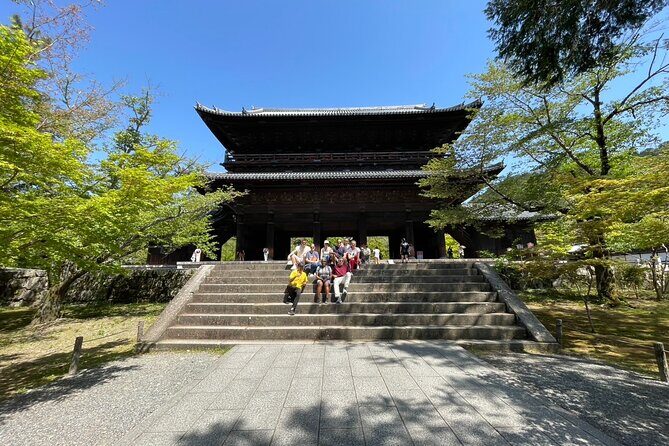
Then you reach Nanzen-ji, one of Kyoto’s most important Zen temples. You’ll get around 25 minutes, and the highlights are clear: the massive wooden Sanmon gate, Zen gardens, and the red brick aqueduct that runs right through the temple area. It’s one of those sights where you’ll catch yourself staring. The aqueduct-in-temple contrast is unusual and very Kyoto.
Possible drawback: Nanzen-ji is a larger complex, and walking paths can take your attention while also adding a bit of effort. The upside is that the time you get is long enough to enjoy it without rushing.
Philosopher’s Path and Honen-in: A Calmer Side of Kyoto
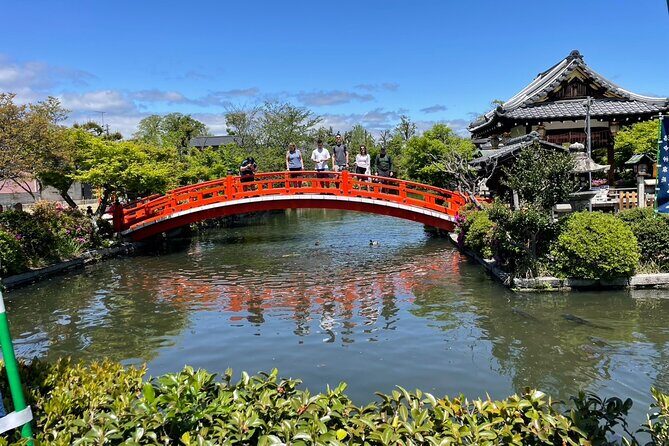
After Nanzen-ji, you’ll ride toward the Philosopher’s Path, a stone walkway that follows a canal lined with cherry trees. It’s named after Kyoto University professor Nishida Kitaro, who used to walk here while meditating on his ideas. Even if you don’t stay long, the meaning helps. This is not just a pretty canal—it’s a place tied to thought and quiet.
Then the day takes a more peaceful turn at Honen-in, tucked into the hills. Founded in the 1600s to honor Honen, associated with the Pure Land sect, it’s known for a mossy gate and white sand in the grounds. This stop is about atmosphere. You’re meant to slow down, look closer, and let the site’s quiet do the work.
A practical heads-up: after heavier sites, these hill-temple moments are where you’ll feel whether you paced the day well. If you go into them tired, you might not enjoy them as much. If you keep your energy steady, these become the memory-maker stops.
Ginkaku-ji Silver Pavilion and Gion Lanes: Big Names, Real Atmosphere
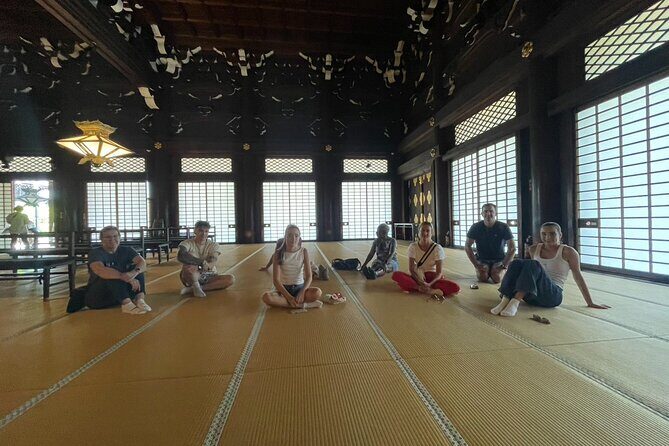
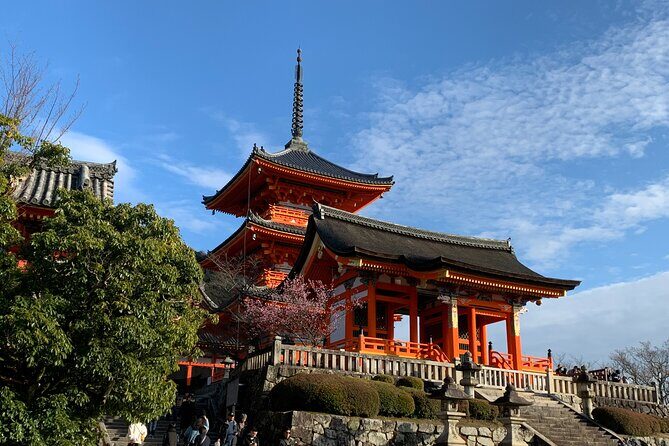
The next milestone is Ginkaku-ji, the Silver Pavilion. It’s built in the late 1400s by shogun Ashikaga Yoshimasa, and it’s called the Silver Pavilion even though it was never actually covered in silver. That little fact alone makes it feel less like myth and more like an honest piece of history.
You’ll have around 25 minutes here, and this is one of the few admissions that’s listed as included. The walking time is short enough that you stay focused, but long enough to experience the main grounds.
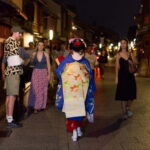
Finally, you cycle through Gion, Kyoto’s best-known geisha district. You’ll see traditional machiya houses and learn about the geiko and maiko culture. The tour even notes lantern-lit lanes as you ride through—again, a bike format advantage since you can glide past scenes instead of lingering in lines.
This is also the part where you should expect the most people. Even on a smart route, Gion and major temples can be crowded. The good news is that the ride segments help you keep moving without constant stop-and-go.
Price and value: Is $128.48 a fair deal for a full day?
At $128.48 per person, this tour sits in the “you’re paying for time and logistics” category. What you’re getting is not just a guide and a few stops. You’re getting a full-day e-bike outing, a route that connects multiple major sights with calmer stretches, and guided time at several key temples.
Also, many stops don’t charge admission in the plan. Toji, Nishi Honganji, Heian Shrine, Nanzen-ji, Honen-in, and Gion are listed as free for admission on the tour schedule, while Ginkaku-ji is the one with admission included. That mix helps keep your day from turning into a stack of small entry fees.
The best value question isn’t cost alone. It’s whether you want a car-free, efficient day that still gives you meaningful walking time. If you’re the type who likes to understand what you’re seeing—not just collect landmarks—this format is a strong match.
One thing to clarify before you go: lunch is listed as not included. Still, in one guest experience, the lunch stop was called out positively. I’d treat that as a sign there may be a planned break, but it’s smart to confirm what’s offered on your specific date.
What it feels like to ride 32 kilometers in Kyoto
You’re set up for an all-day ride: about 7 to 8 hours, including breaks and walking at stops. The distance target of about 32 km is manageable for most people who can ride a bike confidently—but it’s still long enough that comfort matters.
Because this includes narrow paths, you’ll want to ride with control, not bravado. Wear shoes with good traction, and don’t dress in a way that restricts your ability to put a foot down quickly if needed. The e-bike does the heavy lifting, but you’re still the driver.
If you’re planning your sightseeing day around energy and comfort, this tour is a good compromise. You get structure, but you still spend real time on foot at the temples that benefit from it.
Who this tour is best for
This tour is ideal if you:
- Want a Kyoto bike tour that hits headline places like Toji and Ginkaku-ji
- Prefer calmer side streets and riverside riding over only crowded main areas
- Like learning from a guide (Jaime is specifically noted for being friendly and knowledgeable)
- Are comfortable with moderate physical activity and safe bike handling
It may not fit if you:
- Aren’t comfortable riding around narrow roads and uneven temple paths
- Want a totally relaxed day with very little biking
- Expect lunch to be fully handled for you without planning
Should you book this Kyoto Discover-by-Bike full day?
I’d say book it if your goal is to see Kyoto as a connected city, not as isolated stops. This itinerary has a smart balance: big UNESCO sights, Zen temple moments, a river ride that feels local, and a Gion ending that’s classic Kyoto.
The route also makes sense for photographers and curious travelers. You’ll get repeated chances to stop and look closely, but you’re not stuck waiting in the same crowd cluster for hours. And with the e-bike support, you can spend your energy on experiencing rather than struggling.
Just go in with the right expectations: you’ll ride a meaningful distance, and you’ll be at the mercy of weather and crowds in certain areas. If you’re ready for that, it’s a very efficient way to get a whole day of Kyoto that still feels human-scale.
FAQ
How long is the Discover Kyoto by Bike full day tour?
It runs about 7 to 8 hours, and it starts at 9:00 am.
How much riding should I expect?
You need to be fit enough to ride about 32 kilometers and maneuver safely on narrow paths.
What’s included in the price?
You get use of an electric bike (e-bike). Admission for Ginkaku-ji is included, while many other stops are listed as free.
Is lunch included?
Lunch is listed as not included. If your date has a lunch break, you’ll want to confirm what’s planned.
Where do I meet the guide?
You meet at the 7-Eleven, 44-1 Higashikujō Kamitonodachō, Minami Ward, Kyoto, 601-8002, Japan. The tour ends back at the same meeting point.
What happens if the weather is bad?
The tour requires good weather. If it’s canceled due to poor weather, you’ll be offered a different date or a full refund. The tour also has a minimum number of travelers; if that minimum isn’t met, you’ll be offered a different experience or a full refund.