Music in a bathhouse sounds wrong—until it isn’t.
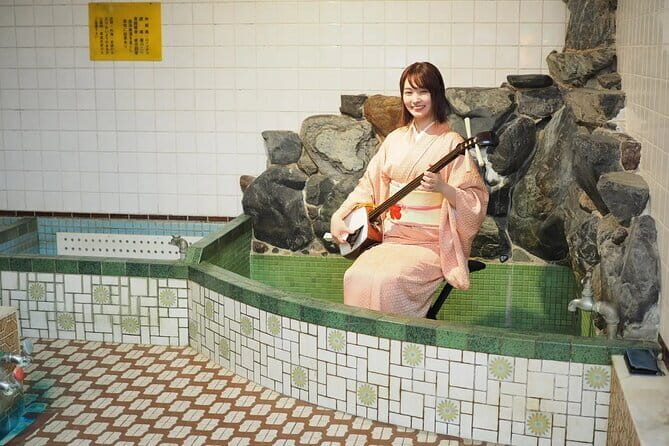
This concert happens in a renovated former sento (public bathhouse) called コワーケーションスペース九条湯, and that setting genuinely changes the sound. I like the way the koto and shamisen use the bathhouse’s high ceilings and tiled walls for extra clarity and gentle resonance. One drawback: the program shifts with the season and performers, so you might not hear a specific piece you had in mind.
It’s also a compact experience: about 1 hour, and you get a mobile ticket instead of a printed voucher. Since it’s near Kyoto Station and most people can attend, it’s an easy add-on to a Kyoto day—especially if you want something cultural that doesn’t feel like a museum stop.
In This Review
- Key things to know before you go
- A former sento is the whole point
- Where Kujo-yu is and how you’ll fit it into your day
- What happens during the one-hour concert
- The program: classical masterpieces, modern arrangements, and originals
- Tickets, value, and what you actually get
- Who this concert is best for (and who should skip it)
- Small practical tips to make it enjoyable
- Should you book this renovated-sento concert?
- FAQ
- How long is the concert?
- Where does the concert take place?
- What is the price per person?
- What does the ticket include?
- Are coffee or tea included?
- Do I need to print a ticket?
- How far in advance should I book?
- What instruments are featured?
- Can I cancel for a full refund?
- Is the concert suitable for most travelers?
- Does the program stay the same each time?
Key things to know before you go
- Renovated sento acoustics make traditional instruments sound unusually crisp
- Koto + shamisen are the core instruments, with a program that can mix eras
- Seasonal/performance changes mean no two concerts are exactly the same
- Near Kyoto Station for a straightforward start or end to your day
- Ticket is mobile—you’ll just show it on your phone at the venue
A former sento is the whole point
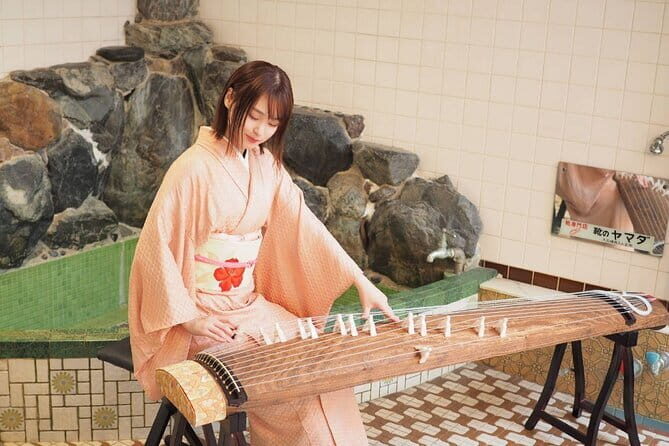
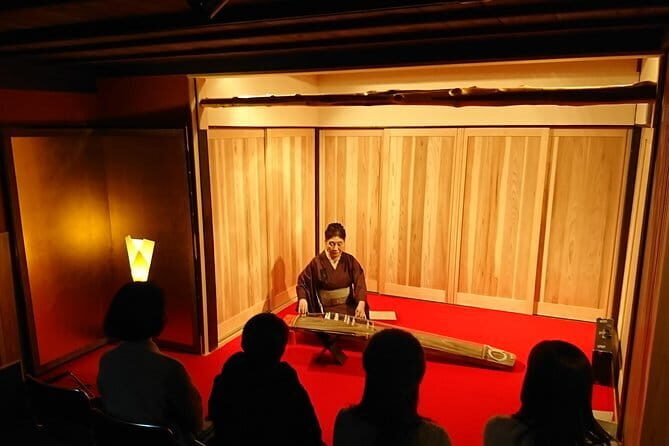
If you’re the type of traveler who likes a cultural experience you can’t copy at home, this one is built for that. The show takes place in Kujo-yu, a carefully renovated public bathhouse that has been kept meaningful to the local community. The walls are tiled, the ceiling is high, and the room shape was originally made for sound bouncing around during everyday bathing life.
That’s why the music feels different here. With koto and shamisen, you get lots of fine detail—the delicate attack of the pick on the strings, the way notes hang and soften. In many concert venues, those details can get either swallowed up or too sharp. In a tiled, high-ceiling space, the sound can land with a natural brightness and then carry just long enough to feel musical, not blurry.
And yes, the “bathhouse concert” idea still sounds a little funny on paper. But once the music starts, you realize the venue isn’t just a gimmick. It’s the instrument partner. You’ll be listening in a room that’s shaped for sound reflection, not just sitting in rows of seats under spotlights.
There’s also something emotionally satisfying about hearing traditional music in a place that used to serve ordinary people. It turns the concert into a cultural moment you can actually place in the city, not something floating in a generic event hall.
A few more Kyoto tours and experiences worth a look
Where Kujo-yu is and how you’ll fit it into your day
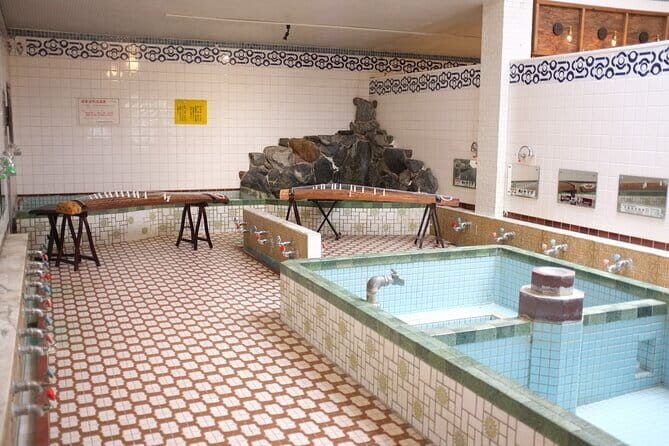
The venue is at コワーケーションスペース九条湯, near Kyoto Station. That matters more than you might think. Kyoto can be spread out, and travel time eats your energy. Starting near the station keeps the day flexible. You can schedule the concert after a museum or shopping stint, or you can use it as a calmer evening anchor when you want to avoid another late train scramble.
The experience also notes it’s near public transportation, and most travelers can participate. So if you’re planning a first-time Kyoto visit and you’re looking for a low-friction cultural activity, this is one of the easier ways to do it. You’re not committing to a long detour deep into the countryside—you’re going to a historic-feeling space that’s already built into your route.
A practical note: the concert lasts about 1 hour. That short time window helps you plan. You don’t need a full afternoon block, and you won’t feel like you’re stuck when the rest of Kyoto is calling your name.
What happens during the one-hour concert
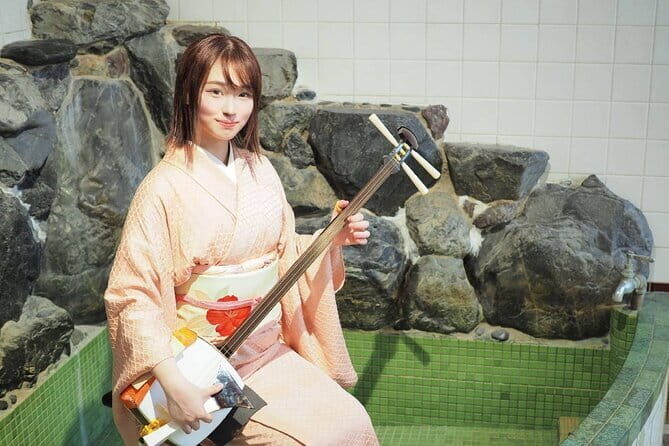
Expect a traditional instrument concert with a formal, listen-first vibe. The focus is on koto and shamisen, and the room design supports that. There isn’t any suggestion that this is an activity-heavy performance. The value here is attention: you sit, you listen, and the setting does the heavy lifting.
The show is also described as intimate and immersive in tone—meaning you’re not far from the music experience. Even if you don’t read Japanese or don’t know the repertoire, the instruments communicate clearly: you’ll hear patterns develop, themes repeat, and textures shift.
What makes the experience feel more personal than a typical ticketed performance is the combination of:
- the historic bathhouse walls around you
- the soft complexity of Japanese string instruments
- a program that can move between styles
You’re not just checking a box for traditional music. You’re hearing it in a space where the architecture seems to understand what the instruments need.
And because the concert is only about an hour, you get a satisfying “dose” without it dragging. It’s a great option if you tend to lose focus after long cultural events, but you still want something authentic.
The program: classical masterpieces, modern arrangements, and originals
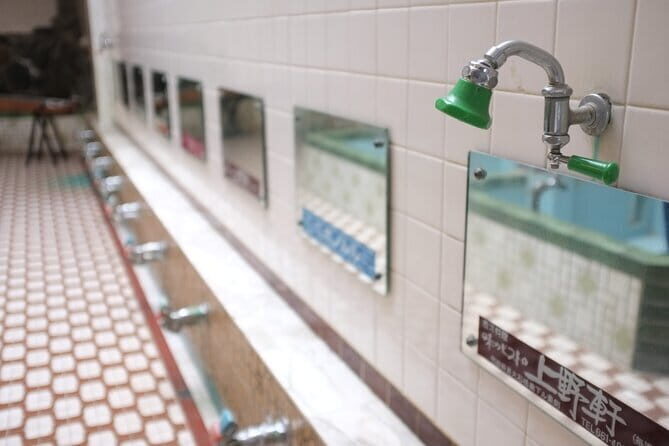
One of the most interesting parts is the variety in what they play. The music can include classical Japanese masterpieces, contemporary arrangements, and even original compositions. That’s a smart mix for two reasons.
First, it gives you cultural grounding. If you’re new to koto and shamisen, a classical piece acts like a reference point. You start to recognize the kinds of phrasing, ornamentation, and pacing these instruments can produce.
Second, it keeps the listening fresh. A contemporary arrangement can sound like a bridge—traditional instrument techniques used for newer musical ideas. It helps you appreciate that koto and shamisen aren’t locked in the past. They can carry present-day creativity too.
Now here’s your planning consideration: the repertoire changes with the season and the performers. So if you’re traveling at a specific time of year and you’re hoping for a particular song, you might not get it. The best strategy is to treat it like a live program: show up ready to enjoy whatever fits the night, not like a scheduled playlist.
That changing-program approach is also why the concert stays worth repeating. If you’re in Kyoto for multiple days, you could catch more than one performance type by checking the schedule.
Tickets, value, and what you actually get
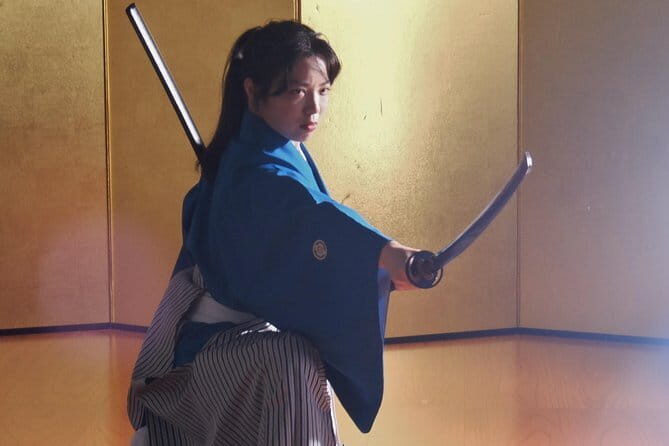
At $32.52 per person for about 1 hour, this is priced like a focused cultural performance rather than a half-day tour. The key value is that you’re paying for two things at once:
1) the concert itself (the ticket includes admission)
2) the unique venue experience of a renovated sento
So you’re not just buying a seat in a room. You’re buying the context around the music.
The experience also uses a mobile ticket, which keeps things simple when you’re moving around Kyoto. No fussy paper, no last-minute printing stress. And confirmation is received at booking time, which helps you feel organized.
One more small value point: the concert is easy to slot into a day near Kyoto Station. When you can avoid extra transit time, a “mid-price” activity feels more worth it.
If you’re comparing costs, ask yourself this: would you pay around the cost of a dinner to see a traditional instrument performance in a historic-feeling room? For many visitors, the answer is yes—especially when the venue is so distinctive.






Who this concert is best for (and who should skip it)
This is best for you if:
- you want traditional Japanese instruments (koto and shamisen) in a real Kyoto setting
- you like experiences where the location matters, not just the performer
- you want something short and easy to manage in your itinerary
- you’re open to a program that blends classical, modern, and originals
It may be less ideal if:
- you strongly prefer only one specific type of music (since the program changes by season and performers)
- you need lots of background explanation during performances (the provided details focus on the concert experience more than on commentary)
That said, the format still works well for many first-timers. You don’t need to be a specialist to enjoy the sound. The instruments are expressive enough to carry you even if you don’t know the titles.
Small practical tips to make it enjoyable
A few habits can help you enjoy the concert even more:
- Plan for quiet focus. This kind of performance works best when you give it your attention. Put your phone on silent.
- Arrive calmly. Since the venue is near Kyoto Station and the show is about an hour, you’ll likely want to avoid sprinting in at the last minute.
- Treat the program as the point. Because the repertoire changes, your best “expectation setting” is to be curious rather than searching for a specific favorite piece.
- Dress for comfort. The info doesn’t mention special dress requirements, so choose normal comfortable travel clothes you can sit in easily for around an hour.
Also, don’t underestimate the atmosphere. The bathhouse setting is part of the reason people love going. The room looks and feels like a real piece of Kyoto, and the music settles into that space in a natural way.
Should you book this renovated-sento concert?
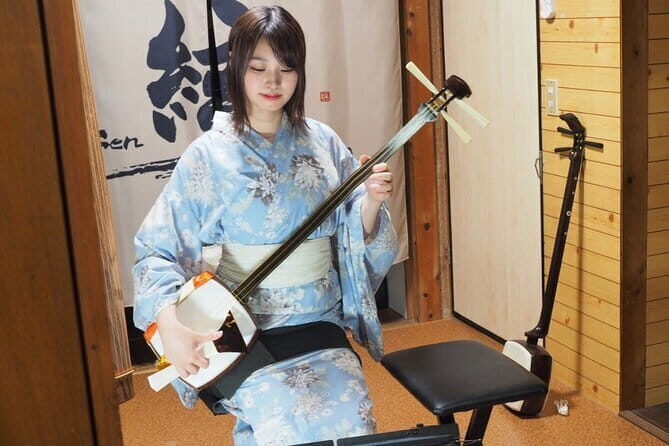
Yes—if you’re looking for a genuinely different way to experience traditional music in Kyoto, this is an easy yes. The big selling point is the combination of koto and shamisen with a renovated sento venue. That pairing turns a one-hour concert into a place-based cultural moment, not just another ticketed show.
Book it if you:
- want a compact activity near Kyoto Station
- like traditional instruments and open-minded programming
- enjoy architecture and atmosphere as much as the performance
Skip it only if you’re locked into one specific repertoire you must hear, or if you dislike attentive, listen-focused concerts.
If your trip has even one evening slot and you want something memorable without a huge time commitment, this is one of the more practical “worth it” options in Kyoto.
FAQ
How long is the concert?
The concert runs for about 1 hour.
Where does the concert take place?
It takes place at コワーケーションスペース九条湯, near Kyoto Station, in a renovated former sento (public bathhouse).
What is the price per person?
The price is $32.52 per person.
What does the ticket include?
Your ticket includes admission to the concert.
Are coffee or tea included?
No, coffee and/or tea are not included.
Do I need to print a ticket?
The experience uses a mobile ticket.
How far in advance should I book?
On average, it’s booked about 32 days in advance.
What instruments are featured?
The concert features traditional Japanese instruments, including koto and shamisen.
Can I cancel for a full refund?
Yes. You can cancel up to 24 hours in advance for a full refund.
Is the concert suitable for most travelers?
The info says most travelers can participate.
Does the program stay the same each time?
No. The repertoire changes according to the season and the performers.