Three shrines, one long day, zero stress.
This Kyoto & Nara Park tour is built for fast, meaningful stops: skip-the-line entry at Kinkakuji (Golden Pavilion) and Fushimi Inari’s iconic torii gates, with enough time to actually enjoy the gardens and viewpoints—not just pose and run. It’s the kind of plan that helps when you want the highlights, but you don’t want to wrestle with trains and queues all day.
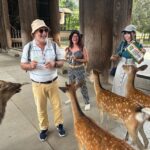
I love the practical structure: timed visits, round-trip air-conditioned transport, and a professional English-speaking guide that keeps the day moving. You’ll also like the Nara deer part—feeding the deer park’s sacred, curious animals with shika senbei and watching them bow before they eat.
One drawback to plan for: this is a 10–11 hour day, and time on-site is intentionally limited. Also, Fushimi Inari may be skipped during year-end/New Year traffic restrictions, so it’s smart to confirm your exact stops the day before.
In This Review
- Key things to know before you go
- The real value of this Kyoto and Nara day tour
- Start at Kyoto VIP Lounge: the day begins calmly
- Kinkakuji (Golden Pavilion): gold leaf, quiet gardens, and a quick reset
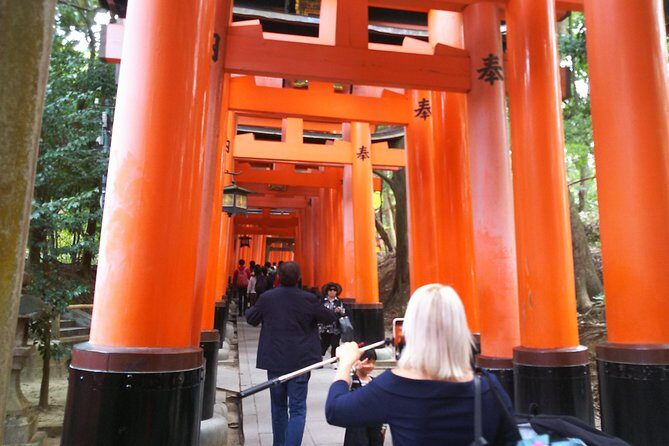
- Fushimi Inari Taisha: the torii tunnel and a climb that rewards you
- Arashiyama Bamboo Forest + Tenryū-ji: fast nature time that still feels spiritual
- Nara Park and the deer moment: sweet, chaotic, and very memorable
- How the 10–11 hour schedule really works
- Price check: is $93 a good value?
- Tips to make this day trip feel effortless
- Who should book this tour (and who should skip it)
- Should you book: my practical verdict
- FAQ
- How long is the Kyoto & Nara day tour?
- Where does the tour start and what time does it depart?
- Is round-trip transportation included?
- Is there a professional guide, and do they speak English?
- Are temple and shrine tickets included?
- What about meals and drinks?
- What happens to the Fushimi Inari stop during year-end and New Year’s holidays?
- How many people are in the group?
- Can I cancel for a full refund?
- Is it suitable for children under 3?
Key things to know before you go
- Kinkakuji (Golden Pavilion) with timed entry plus time to slow-walk the Zen-style gardens and pond views
- Fushimi Inari’s torii tunnel with a hike toward a halfway viewpoint over Kyoto
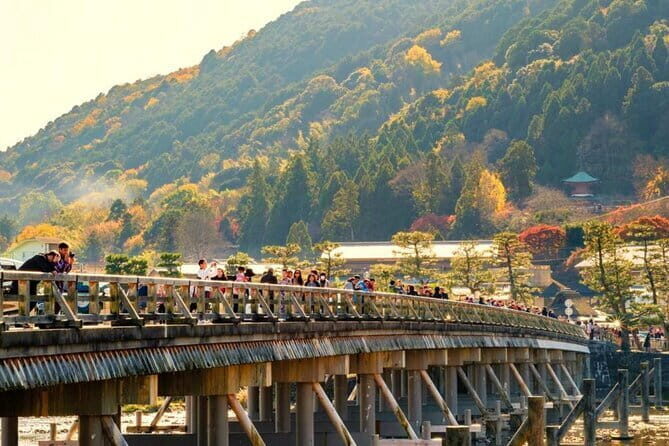
- Arashiyama on purpose, pairing Bamboo Forest with Tenryū-ji and the iconic Togetsukyō Bridge area
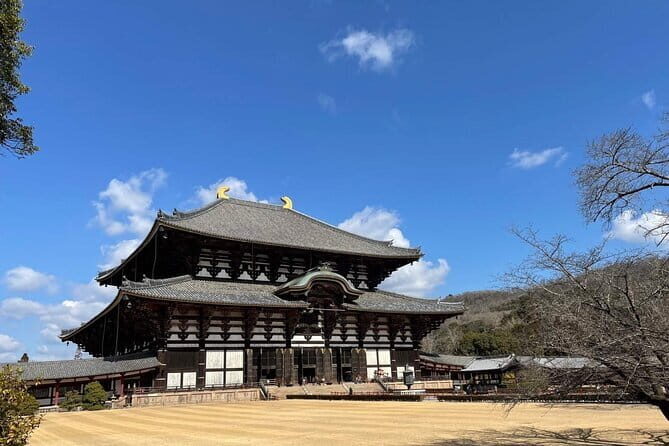
- Nara Deer Park + Todaiji as the cultural and nature contrast moment of the day
- Small-ish group size (max 40) and an itinerary that tries to balance big sights with breathing room
The real value of this Kyoto and Nara day tour
If you only have one day and you still want the “Kyoto greatest hits,” this tour’s biggest strength is how it packages your day. You’re not guessing where to start, which tickets to buy, or how to stack locations efficiently. The plan is built around specific time blocks—like 40 minutes at Kinkakuji and 1 hour 20 minutes at Fushimi Inari—so you can judge whether that fits your travel style.
The tour also aims at stress reduction in the right places. You get guaranteed entry for major stops (Kinkakuji and Fushimi Inari), which is huge in Kyoto where lines can eat your day. And you’re not on your own for navigation; you have a guide handling the flow.
The main trade-off is pace. This is long and busy, with transfers included in the 10–11 hour window. If you prefer “one neighborhood per day,” you might find the short sightseeing blocks a bit tight. But if you want a high hit rate—Golden Pavilion, torii gates, bamboo, and Nara deer—this is designed for you.
A few more Kyoto tours and experiences worth a look

Start at Kyoto VIP Lounge: the day begins calmly
The day starts with a proper meeting setup: you’ll be greeted at the Kyoto VIP Lounge, then depart at 9:00 AM from VIP Villa Namba. You’re advised to arrive about 10 minutes early, since the tour leaves on time.
Why I think this matters: Kyoto mornings are when everything runs best—less crowd pressure, easier logistics, and cooler temperatures. Starting at a set time also helps you avoid that classic travel problem: wandering to a meeting point while you’re already late.
One more practical note: the tour runs with a vehicle that depends on group size, and it’s air-conditioned. On a long day, that’s a real quality-of-life feature, not a luxury detail.
Kinkakuji (Golden Pavilion): gold leaf, quiet gardens, and a quick reset
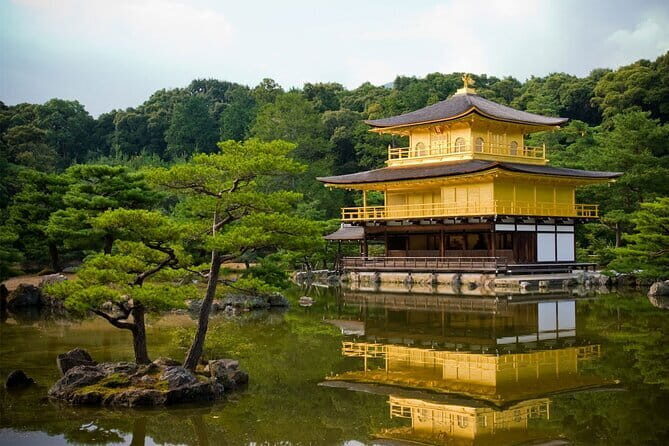
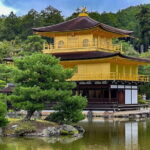
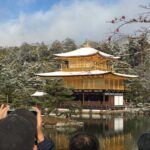
Kinkakuji Temple is the stop that anchors the whole tour. You get 40 minutes, admission included, and it’s timed so you can see more than just the front view.
Here’s what you’re looking at: the upper floors are covered in shimmering gold leaf, and the pavilion’s reflection plays off the mirror-like pond nearby. The contrast is part of the magic—gold against greenery and seasonal color (whatever season you’re in).
Then comes the part that many people rush past. Around Kinkakuji, you’ll walk through Zen-inspired gardens with carefully managed trees, stone pagodas, and ponds. There’s even a small tea house area for a quiet pause. Even if you don’t stop long, this is where the temple starts to feel less like a photo spot and more like a place to breathe.
Time check: 40 minutes is not long, but it’s enough if you move at a moderate pace and don’t get stuck chatting in the busiest viewing zones. Go in with a quick plan: pavilion first, then garden paths, then a slow moment.
Fushimi Inari Taisha: the torii tunnel and a climb that rewards you
Fushimi Inari Taisha is one of Kyoto’s most photographed places for a reason. You’ll have 1 hour 20 minutes with admission included.
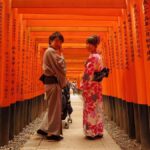
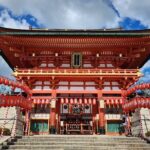
What makes it special is the experience of walking through the torii gates. The red gates form a tunnel-like pathway, and as you go deeper you’ll pass smaller shrines and stone fox statues connected to Inari. Even when the area is crowded near the entrance, once you’re a bit higher up, it starts to feel more spacious and ritual-focused.
There’s also a practical payoff: you’re given time for the hike toward a halfway point viewpoint. That’s when the effort shows, since you can look out over Kyoto from above.
Important consideration: the tour notes that during year-end and New Year’s holidays, traffic restrictions can affect whether you can stop at this location. That means your itinerary might shift depending on the date. If Fushimi Inari is your must-see, double-check what your day looks like during those peak periods.
Arashiyama Bamboo Forest + Tenryū-ji: fast nature time that still feels spiritual
This part of the day is where you get a break from crowds-by-relentless-sightings and switch into “quiet senses” mode.
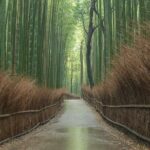
You’ll spend 40 minutes at the Arashiyama Bamboo Forest. The feeling here comes from motion: tall bamboo stalks sway in the breeze, and sunlight filters through, creating shifting patterns of light and shadow. It’s popular because it photographs well, but it also works as a calmer reset moment if you walk slowly for a few minutes instead of stopping every step.
Tenryū-ji follows with another 40 minutes. This is a UNESCO site and is known for its landscape garden design (garden pond, rocks, and meticulously maintained plants) that fits with the Arashiyama mountain setting. Even in a short time window, you can appreciate why Zen gardens are built to be viewed at a walkable pace, not as a single framed picture.
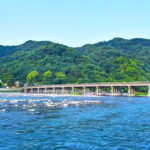
Then you’ll move to Togetsukyō Bridge for 20 minutes. It’s a classic Kyoto river-and-mountains view spot, especially good for seasonal color. The bridge’s name means Moon Crossing Bridge, and it’s one of those places that feels timeless even when there are other people around.
Possible drawback to watch for: this sequence is tightly packed. If you’re the type who wants to linger for 45 minutes inside a garden, your time might feel compressed here. But if you like a balanced flow—bamboo hush, Zen garden order, then a scenic river walk—this set of stops hits that sweet spot.
A few more Kyoto tours and experiences worth a look
Nara Park and the deer moment: sweet, chaotic, and very memorable
Now you shift gears from Kyoto’s temples and viewpoints to Nara’s famous nature-and-culture blend.
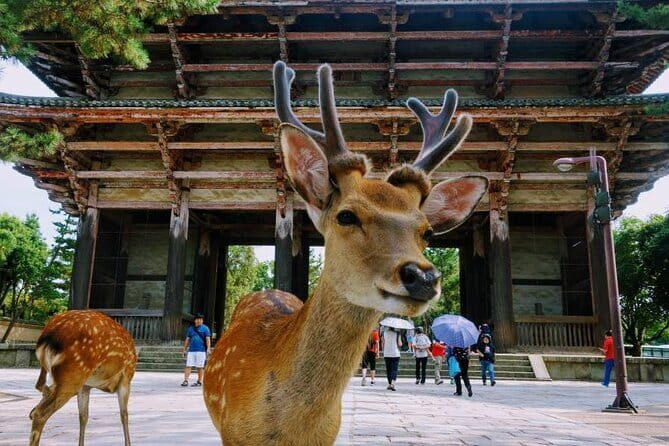
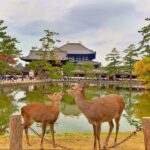
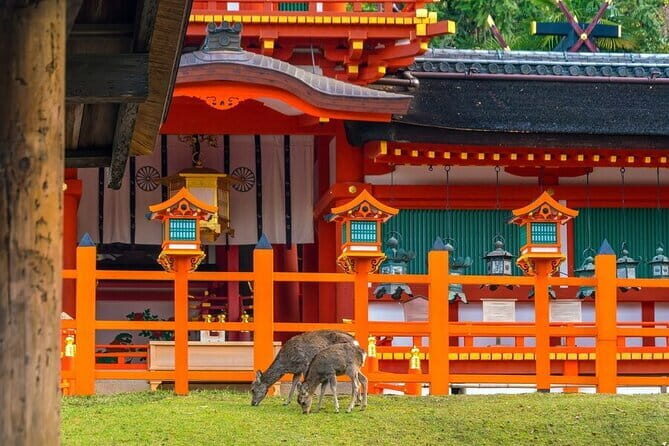
You’ll have 1 hour 20 minutes at Nara Deer Park, with admission included. The headline is simple: you’ll see over 1,000 free-roaming deer. They’re considered sacred messengers in Shinto belief, so the park treats them like part of the spiritual landscape—not a zoo exhibit.
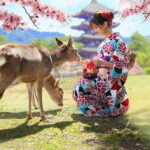
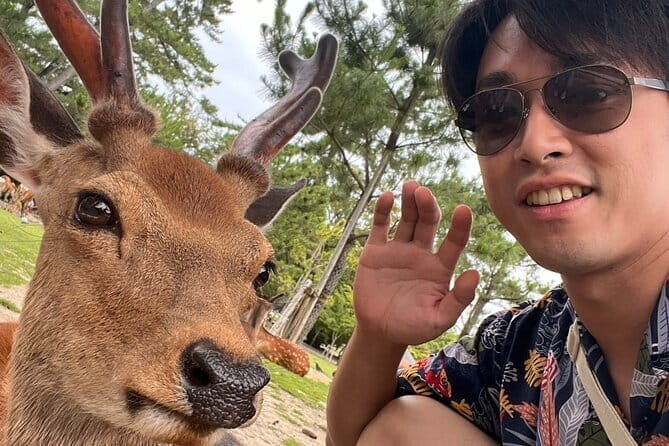
The practical highlight: buy shika senbei (deer crackers) on-site and feed the deer. The deer are known for being polite and even bowing before they eat. That bowing behavior is the kind of small detail that turns a scenic stop into a full-on experience, especially if you’re traveling with kids or anyone who enjoys animal moments.
How this connects to the rest of your day: the deer park gives you a slower, more playful energy. Meanwhile, the tour is also described as including Todaiji Temple, known for the world’s largest bronze Buddha. Even if you don’t get a long visit in, it’s a powerful cultural anchor for the day’s final stretch.
If Todaiji is a must for you, pay attention to how your schedule allocates time within the Nara portion. The tour description clearly says Todaiji is part of the experience, but the detailed stop list focuses on Nara Deer Park—so your day-of route matters.
How the 10–11 hour schedule really works

This is a long day, but it’s not a random mash-up of stops. The stated total duration is 10 to 11 hours, with the remaining time used for transfers between locations.
That timing detail matters because Kyoto traffic and walking time add up fast. With multiple locations in both Kyoto and Nara, you should plan for:
- A focused visit window at each stop (mostly 40 minutes blocks, plus a couple longer ones)
- Less time for wandering off the main paths
- The need to keep your momentum after each transfer
For me, the best way to enjoy a schedule like this is to use the time blocks intentionally. When you have 40 minutes, pick your “must do” and let everything else be a bonus. For Kinkakuji: pavilion view then gardens. For Fushimi Inari: torii walk then the halfway climb. For Arashiyama: bamboo first, then Tenryū-ji’s garden flow, then the bridge photos.
Also, the guide uses professional English, which helps you understand what you’re seeing rather than just collecting landmarks.
Price check: is $93 a good value?
At $93 per person, this tour can be a strong value—mostly because transportation and major admissions are rolled in.
Included items:
- Round-trip air-conditioned transportation
- Admission tickets for Kinkakuji Temple
- Admission tickets for Fushimi Inari Taisha
- Admission ticket included for Nara Deer Park
- A professional English-speaking guide
Not included:
- Drinks and meal (personal expenses too)
So what are you really paying for? You’re paying for three things you’d otherwise spend money and time on: transport, guided routing, and ticket access. In Kyoto, where entry lines and navigation can be time traps, those included pieces often justify the price for visitors who want a smooth one-day plan.
One more practical point: since some locations may be affected by traffic restrictions during busy holiday periods, the “value feel” depends on which stops you actually get. If Arashiyama or Fushimi Inari is your top priority, confirm the exact day-of plan so you aren’t surprised by a last-minute swap.
Tips to make this day trip feel effortless
A few smart moves can turn a long day into a good one:
- Arrive 10 minutes early at the meeting point so you’re not starting stressed.
- Wear comfortable shoes. You’ll do multiple short walks plus stair-and-path time at Fushimi Inari.
- Bring a small snack or water plan. Meals aren’t included, so you’ll want to manage energy.
- Keep an eye on communication from your guide. One travel account noted the guide used WhatsApp to communicate and confirm instructions—so check messages if your operator sends them.
And if you’re traveling during year-end/New Year, treat Fushimi Inari as condition-based. Traffic restrictions can change the plan, so having flexibility helps.
Who should book this tour (and who should skip it)
This tour is a good fit if:
- You have limited time in Kyoto and want the headline sights.
- You like a guided day plan with quick, clear explanations.
- You want a mix of temples and nature, ending with the lively Nara deer feeding.
You might skip or choose differently if:
- You prefer slow travel with long stays in fewer places.
- You’re sensitive to crowd levels and want solitude more than landmarks.
- Todaiji Temple needs to be a deep, long visit for you. In this tour, time allocation in Nara is described as within the Deer Park window, so you may want to plan extra time separately if you want more.
Group size is capped at 40, which is usually workable for guided days—just remember it’s still a shared experience, and you’ll see people at the most popular photo spots.
Should you book: my practical verdict
I’d book this tour if you want a straightforward way to hit Golden Pavilion, Fushimi Inari, bamboo + Zen garden sights, and Nara deer in one day—especially because key admissions and transport are included. The time blocks are short, but that’s also what makes it efficient.
I’d think twice if you’re visiting during peak holidays (because Fushimi Inari can be affected) or if your dream day is built around slow exploration. In those cases, confirm your exact stops early and consider adding extra time on your own for the one or two places you care about most.
If you’re aiming for a satisfying “greatest hits” day without the stress of planning trains and ticket queues, this is a pretty solid bet.
FAQ
How long is the Kyoto & Nara day tour?
The tour runs about 10 to 11 hours total.
Where does the tour start and what time does it depart?
You’ll be greeted at the Kyoto VIP Lounge, then depart at 9:00 AM from VIP Villa Namba. Arrive about 10 minutes prior.
Is round-trip transportation included?
Yes. You get round-trip transportation in an air-conditioned vehicle.
Is there a professional guide, and do they speak English?
Yes. The tour includes a professional English-speaking guide.
Are temple and shrine tickets included?
Kinkakuji Temple admission is included. Fushimi Inari Taisha Shrine admission is included. Nara Deer Park admission is included. Admission for places listed as free is not charged.
What about meals and drinks?
Meals and drinks are not included, along with personal expenses.
What happens to the Fushimi Inari stop during year-end and New Year’s holidays?
The tour notes that traffic restrictions may prevent stopping by Fushimi Inari during year-end and New Year’s holidays.
How many people are in the group?
The tour has a maximum group size of 40 travelers.
Can I cancel for a full refund?
Yes, with free cancellation up to 24 hours in advance for a full refund. Canceling less than 24 hours before the start time is not refunded.
Is it suitable for children under 3?
Children under 3 are free as long as they must not occupy a seat. You should notify the operator when booking.