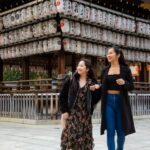
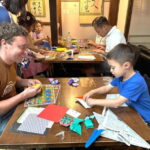
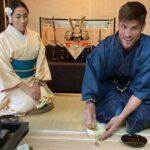
Kyoto changes when you pedal it. This 4.5-hour bike tour strings together Gion culture, Zen gardens, and a smooth river ride, and I really like that nothing feels left to planning. Two big wins for me: the bike is included (no rental hassle) and the stop at Kennin-ji for Zen rock-garden time is genuinely memorable. One catch to consider: the lunch can fit vegetable/vegan preferences, but fish stock is still used, so allergies need extra care.
Even with Kyoto being a big city, the pacing here feels calm because you’re moving as a group with a guide and sticking to low-stress routes. The small group size (up to 5) also helps you hear the explanations and soak up details as you stop. You’ll also get a UNESCO-branded focus on Kyoto’s historic areas, which makes the whole day feel more purposeful than just sightseeing.
I also paid attention to guide notes from real bookings—names like Woohee, Tobu, and Karin show up a lot, and the common theme is strong explanations. One practical note: on very quiet ride stretches, a guide’s voice can be a bit soft, so positioning yourself where you can hear matters.
In This Review
- Key things to know before you ride
- Riding Kyoto’s old streets feels calm, not chaotic
- Price and value: why $96 makes sense here
- Meeting at Kyoto Station: finding the bikes without stress
- The Kamo River start: easy cycling with instant Kyoto vibes
- Gion and Kennin-ji: geisha culture context meets Zen calm
- Nanzen-ji and Heian Shrine: more temple time, better pacing
- Lunch at a traditional Japanese house: soba, matcha, mochi, and real restraint
- The bike shop stop: a quick look at the local setup
- Ending along Kamogawa: the Kyoto reset you came for
- Guides make or break a bike tour: what you should expect
- Practical rules you need to follow (or you’ll get cranky fast)
- Should you book this Kyoto Historical Highlights Bike Tour?
- FAQ
- How long is the Kyoto Historical Highlights Bike Tour with UNESCO?
- Where do we meet for the tour?
- Is the bike rental included?
- What’s included in lunch, and can I request a vegan option?
- Are smartphones or headphones allowed during the ride?
- Who can join the tour?
- Which stops and sights does the route include?
Key things to know before you ride
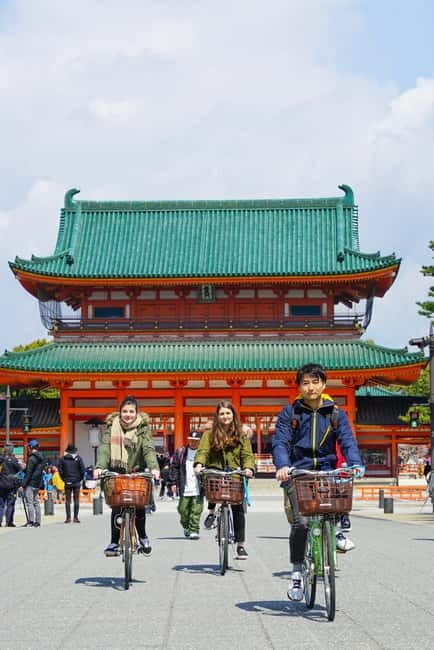
- Everything included, including the bike: helmet, lock, and bike insurance tied to bodily injury liability are covered.
- Kennin-ji is the Zen highlight: expect time for the Japanese rock garden (Karesansui) and temple context.
- You’ll taste Kyoto, not just see it: a traditional-house lunch with soba options plus matcha and mochi.
- River riding makes the tour feel easy: the Kamo/Kamogawa sections break up temple time nicely.
- Small group pace fits real streets: limited to 5 participants, with an English-speaking guide.
- Smartphone rules are strict while rolling: you can use it when stopped, but not while cycling.
Riding Kyoto’s old streets feels calm, not chaotic
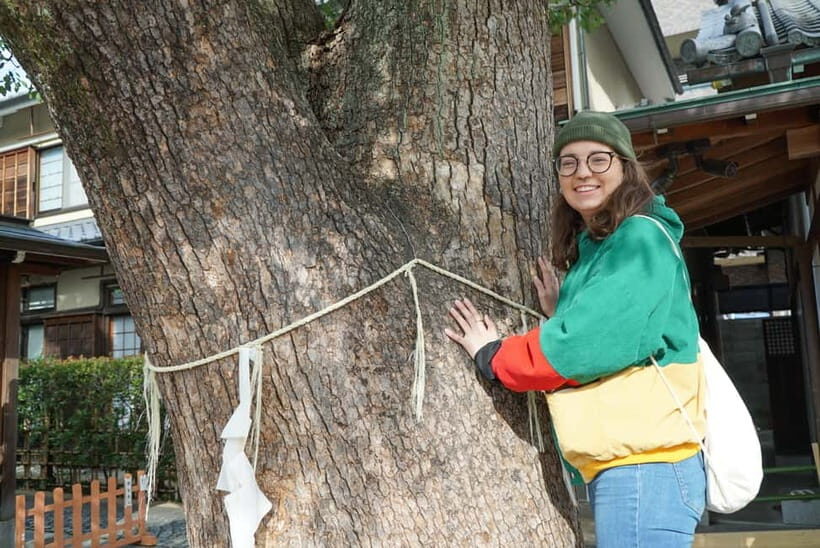
Kyoto is famous for its crowds, but that’s mainly when you stand still in the same spots all day. On a bike tour, you’re always moving through the edges—lanes between big sights, turns behind the obvious lanes, and calmer stretches along the water.
I like how this tour builds that sense of calm on purpose. You start near the Kamo River, before heading into Gion and the temple world. That’s a smart trick: it warms you up to the cycling rhythm first, then you slow down for cultural stops.
Also, the focus on Zen and historic temple areas means you’re not just collecting photos. You’re given the basic cultural framework for what you’re seeing—why it matters, and how people in Kyoto have understood these places for centuries.
Other cycling tours in Kyoto


Price and value: why $96 makes sense here
At $96 per person for about 4.5 hours, you’re paying for four things you’d otherwise have to piece together:
- A rental bike with a lock and helmet
- Local guide time (English-speaking) to connect the dots
- Lunch at a traditional Japanese house
- Entrance fee to Kennin-ji (this is the specific paid admission they include)
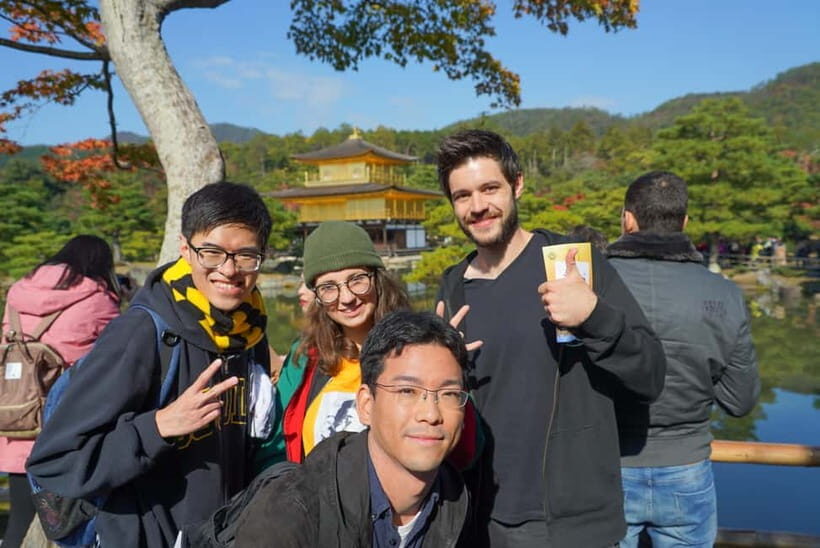
You’re also getting tour photos, which is handy because temple gardens and street scenes in Kyoto are hard to shoot while you’re riding your own bike or trying to time crowd-free moments.
Now the honest note: drinks and extra food aren’t included. And you still need to bring comfortable shoes (you’ll likely walk a bit at each temple and while moving through the neighborhood). But overall, this is one of those deals where the price feels fair because the biggest friction points—bike rental and temple logistics—are already handled.
Meeting at Kyoto Station: finding the bikes without stress
Meetup is right outside Kyoto Station: in front of a 7-Eleven outside Exit Hachijo guchi. It’s near Hotel Via Inn Prime. The guide waits with a MagicalTrip sign board, so you’re not left guessing what the group looks like.
This matters more than it sounds. Kyoto traffic can be intimidating if you’re arriving with zero local routing knowledge. Starting at a clear, fixed point near the station helps you get on the bike quickly, get your helmet and lock sorted, and learn the basic riding rules before you hit busier streets.
The Kamo River start: easy cycling with instant Kyoto vibes
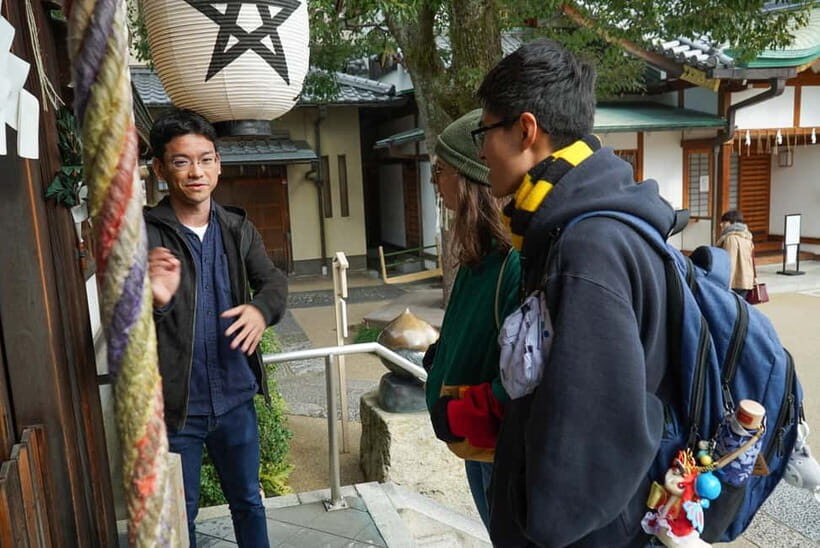
The first cycling segment takes you along the Kamo River, and you get around 15 minutes here before heading to Gion. This is a great warm-up stretch. The water gives you that classic Kyoto feeling right away, and it helps you settle into the pace without jumping straight into the busiest temple lanes.
I also like that this segment acts like a reset. You start with motion, then you stop for cultural context once you arrive at the temple and neighborhood areas.
If you’re the kind of person who needs a second to get comfortable on a bike, this is your bridge. You’re not thrown into sharp turns and dense crowds immediately.
Gion and Kennin-ji: geisha culture context meets Zen calm
From Gion, you move into the heart of the tour’s Zen focus with Kennin-ji. The tour frames Gion and geisha culture first, then switches gears into Zen and how it shows up in everyday life and sacred spaces.
At Kennin-ji, you’ll spend a longer chunk of time—about 75 minutes—which is exactly what you want for a temple visit. Gardens take patience. Stone paths invite you to slow down. And Zen spaces reward attention to small details.
The standout element here is the Japanese rock garden called Karesansui. Even if you don’t know the formal terms, you’ll feel why people come: the arrangement is designed to guide contemplation, not just to look pretty. A good guide explanation makes a big difference because you’re not just reading the garden with your eyes—you’re reading it with context.
One practical note: you’ll be cycling between spots, then walking inside temple grounds. Wear shoes that can handle a mix of paved and uneven surfaces.
Other historical tours in Kyoto

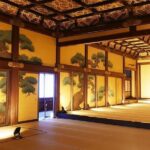
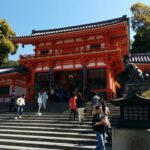

Nanzen-ji and Heian Shrine: more temple time, better pacing
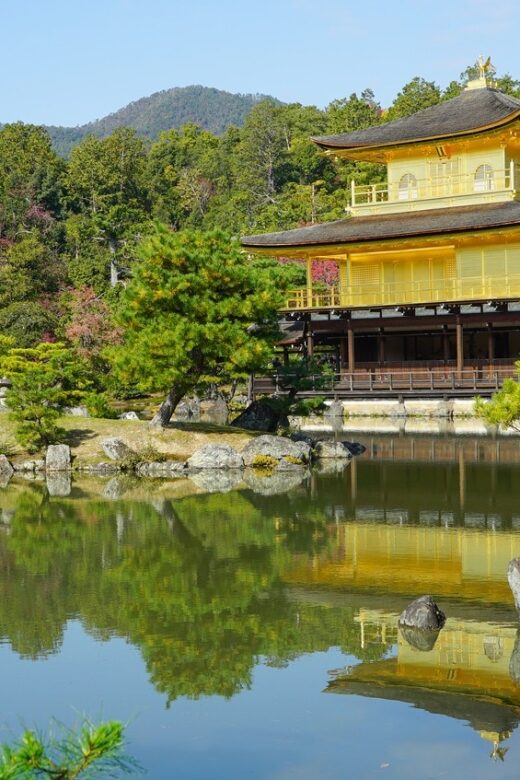
After Kennin-ji, you head to Nanzen-ji, where you’ll have about 80 minutes. This longer stop is a key strength of the tour’s design. A lot of Kyoto tours try to speed-run temples. Here, you get time for photos and quiet viewing without feeling like you’re in a sprint.
Nanzen-ji also connects back to the Zen story you started learning earlier. The guide gives insights into Zen and the old days of Kyoto, so the temple doesn’t feel like a random stop on a map—it feels like a chapter in the same topic.
Next comes Heian Shrine for about 20 minutes. This is a shorter visit, which works because you’re already deep into temple content. Think of Heian Shrine as the finish line of the temple arc, a place to see another side of Kyoto’s spiritual heritage before you head for food and a river unwind.
Lunch at a traditional Japanese house: soba, matcha, mochi, and real restraint
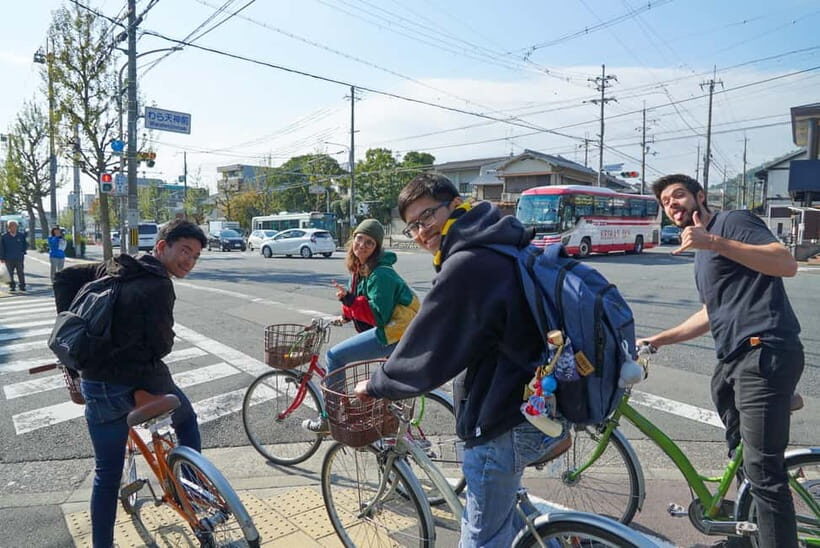
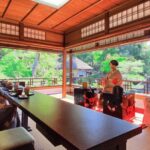
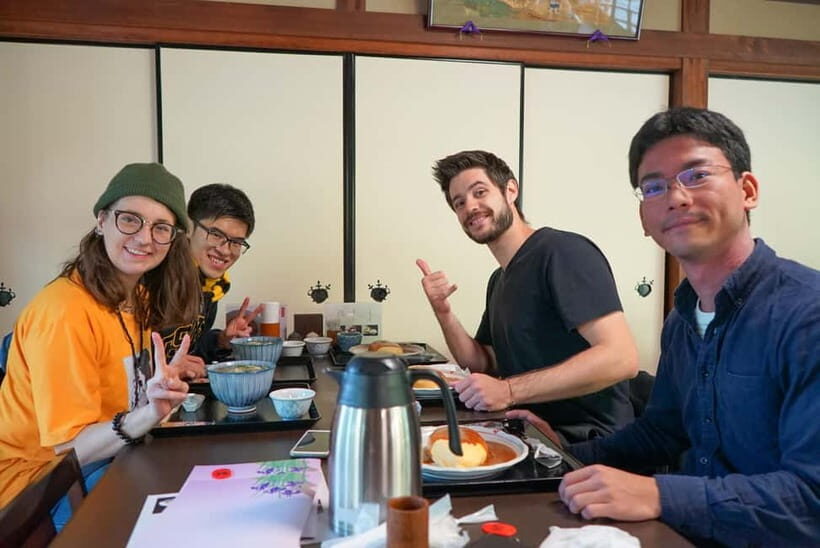
Lunch is a highlight because it’s not a generic restaurant stop. You’ll eat at a traditional Japanese house with a local Kyoto lunch feel, and the time is about 45 minutes.
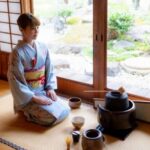
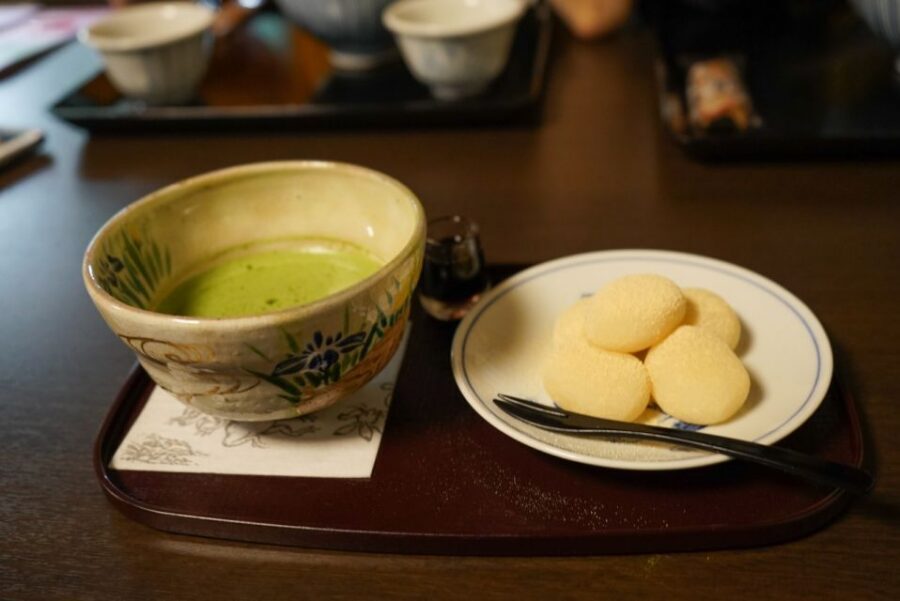
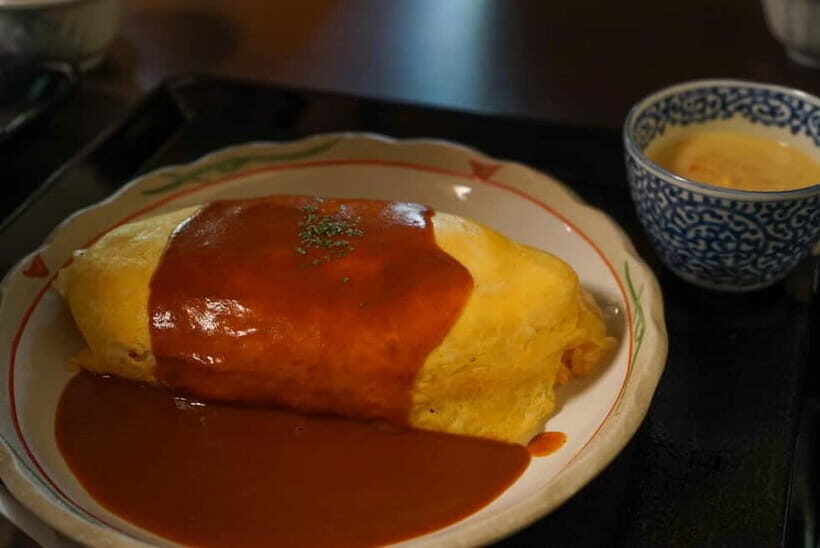
Expect soba dishes (with multiple options), plus yummy desserts like matcha and mochi. There’s also a chance to check out the garden and a souvenir shop next door, where you can try sweets like yatsuhashi.
Dietary reality check (important): vegetable/vegan lunch is available, but fish stock is still used. If you have a serious allergy, the tour asks you to inform them at least 1 day before. They also note they can’t guarantee allergy-free meals because the kitchen isn’t theirs and substitutions may not be possible.
If your diet is flexible and you can handle trace ingredients, you’ll likely be happy here. If you’re dealing with a strict allergy, treat this as a planning priority. Email or message ahead and don’t wait until the morning of the tour.
The bike shop stop: a quick look at the local setup
Near the end, the route includes a visit to the Rental Bicycle KYOTO ECO TRIP Flagship shop for about 30 minutes, including a guided tour. The purpose here is practical and local: you’re not just borrowing gear and disappearing. You’ll get a better sense of the bike rental operation and how they keep things running for groups.
It’s also a nice pacing break. You’ve been cycling and stopping at temples; this adds structure before the final river ride and wraps the experience neatly.
Ending along Kamogawa: the Kyoto reset you came for
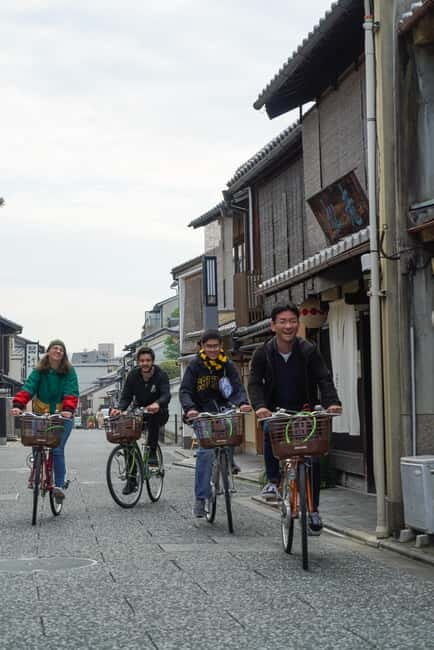
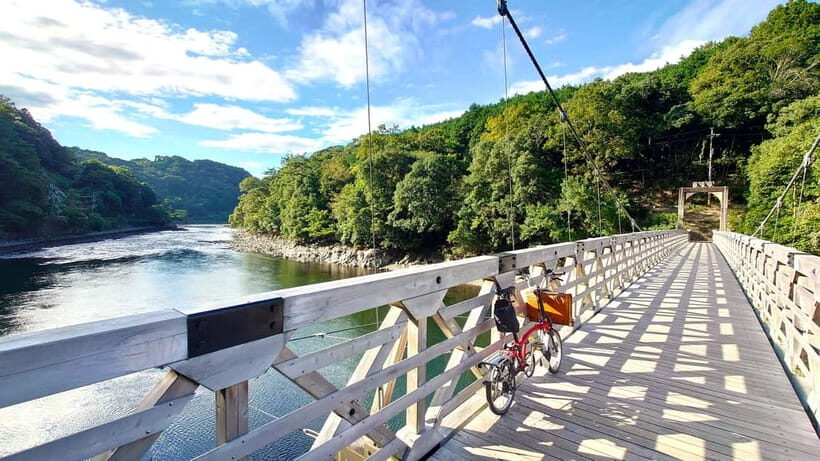
The tour finishes with a relaxing cycle along the Kamogawa riverbanks. After temples and lunch, that last ride is exactly what you want: less thinking, more scenery, and a chance to watch real daily life along the water.
This is where Kyoto feels most lived-in. You’ll see locals using the river space, enjoying the sunshine, and doing the kind of slow, everyday things that don’t happen when you’re stuck in train stations or between ticket queues.
In my book, this ending matters because it turns the whole day into an arc. You start with a classic river vibe, you explore historic culture on foot and bike, and you end by letting the city exhale.
Guides make or break a bike tour: what you should expect
Because this is a small group capped at 5 participants, your guide can pace the experience and give you real explanations without repeating everything ten different times.
Guides named in bookings include Woohee, Tobu, and Karin, and the consistent theme is that they explain cultural concepts clearly and offer ideas for where to go on your own after the tour. I like that approach: you’re not just learning facts—you’re getting directions for your next day in Kyoto.
A practical tip: this isn’t a silent bike cruise. If your guide speaks softly, it helps to stay in the group where you can hear them. On a bike tour, you don’t want to be the person straining for every sentence while moving.
Practical rules you need to follow (or you’ll get cranky fast)
Kyoto cycling rules here are taken seriously. A few items matter:
- No headphones
- No smartphone use while cycling (you can use it when the bike is stopped)
- Follow traffic rules as the guide instructs
This is not about being strict for fun. Bike lanes, crossings, and temple-area street layouts can be unpredictable, and phone distraction increases risk for you and everyone around you. If you’re the type who uses your phone as a camera every minute, build a habit of stopping first.
Also, plan for weather. The tour might be cancelled in unsuitable weather for safety reasons. If you’re traveling in rainy season, keep one flexible day in your Kyoto schedule.
Finally: the tour says it isn’t only for skilled bikers. What matters is rider height and comfort. Anyone over 150 cm (4 ft 9 in) can join. It’s not suitable for wheelchair users.
Should you book this Kyoto Historical Highlights Bike Tour?
Book it if you want a Kyoto day that balances culture, motion, and food—without the stress of bike rentals or figuring out logistics yourself. The mix of Gion context, a serious temple stop at Kennin-ji, and a longer, calmer finish along Kamogawa is a strong recipe for first-timers and repeat visitors alike.
Skip it (or at least think twice) if you have a strict allergy that can’t handle fish stock, or if you strongly dislike riding on city streets with clear rules about phones.
For most people, though, this is good value because the essentials are included: bike, helmet, lock, insurance coverage, Kennin-ji entry, and lunch at a traditional-house style restaurant. You’re paying for a guided day that actually feels like Kyoto, not just a list of sites.
FAQ
How long is the Kyoto Historical Highlights Bike Tour with UNESCO?
The tour runs for 270 minutes (about 4.5 hours).
Where do we meet for the tour?
Meet in front of a 7-Eleven outside Exit Hachijo guchi of Kyoto Station, next to Hotel Via Inn Prime. The guide will be holding a MagicalTrip sign board.
Is the bike rental included?
Yes. You get a rental bike, plus a helmet and bike lock. Bike insurance with bodily injury liability coverage is included.
What’s included in lunch, and can I request a vegan option?
Lunch is included, and vegetable/vegan options are available, but fish stock is still used. If you have dietary requests or allergies, you must inform the provider at least 1 day before.
Are smartphones or headphones allowed during the ride?
Headphones are not allowed. Smartphones are strictly prohibited while cycling, but you can use your smartphone when the bicycle is stopped.
Who can join the tour?
The tour is for riders 150 cm (4 ft 9 in) and over. It’s not suitable for wheelchair users, and group size is limited to 5 participants with a live English guide.
Which stops and sights does the route include?
You cycle along the Kamo River, visit Gion, spend time at Kennin-ji, visit Nanzen-ji, stop at Heian Shrine, eat lunch at a local restaurant/traditional Japanese house, and finish with a relaxing ride along the Kamogawa riverbanks.