Kyoto’s most photogenic shrine has layers. This short tour pairs an easy walk with clear context, so the red torii gates feel more than just a backdrop. I especially like the focus on Fushimi Inari Taisha’s spiritual meaning and the way the guide explains what you’re looking at as you go. One watch-out: it’s only 90 minutes, so if you need extra stops, you may want to plan ahead.
You’ll finish back at Inari Station feeling like you saw the key stops without spending your whole day on logistics. I also like the quieter payoff of visiting the Okusha Back Shrine and doing the Omokaruishi stone-lifting ritual. Still, if you want to wander far beyond the main route at your own pace, this guided format may feel a bit structured.
In This Review
- Key Things to Know Before You Go
- Fushimi Inari in 90 Minutes: What This Tour Gets Right
- Starting at Inari Station: Easy Meeting Point, Less Stress
- Main Stop at Fushimi Inari Taisha: Torii Gates With Meaning
- Okusha Back Shrine: A Different Tone, Not Just More Steps
- Omokaruishi Stone-Lifting Ritual: Fortune in Your Hands
- Guide Quality: Why Yoshi’s Style Made a Difference
- Price and Value: Is $32 Worth 90 Minutes?
- Group Size and Pace: Small Group Comfort
- Photo Moments vs. Spiritual Moments: How to Balance Both
- Who This Tour Fits Best
- Should You Book This Fushimi Inari Guided Tour?
- FAQ
- How long is the Kyoto guided tour of Fushimi Inari?
- Where does the tour start?
- What languages is the tour offered in?
- What does the tour include besides the main shrine?
- Is it a private tour or a group tour?
- Is there a cancellation policy?
Key Things to Know Before You Go
- Meet at JR Inari Station across the main entrance with a bright yellow DeepExperience signboard
- English-speaking local guide (also Japanese) keeps the stories practical, not just names and dates
- Main shrine focus first, then time to continue deeper toward Okusha Back Shrine
- The Omokaruishi ritual is part of the experience, using the stone-lifting tradition for fortune
- Small groups or private tours keep things more personal than a giant bus-style crowd
- A tight 90-minute plan that highlights the essentials of Fushimi Inari
Fushimi Inari in 90 Minutes: What This Tour Gets Right
Fushimi Inari is one of those places where the views can steal your attention. That’s the danger. You can walk through thousands of torii and still miss why it matters. This tour is built to prevent that. You get a guided path through the main shrine area first, then you keep moving to the quieter, more personal back-street feel of the Okusha Back Shrine.
The best part is how the timing matches the location. Fushimi Inari Taisha is big enough to chew up hours if you freestyle. Here, you’re guided through the signature moments so you don’t feel like you’re sprinting, yet you also don’t get stuck wandering in circles.
The second thing I like is that the experience isn’t only sightseeing. You also do the Omokaruishi stone-lifting ritual, which turns the visit from visual to participatory. That small action gives you something to remember besides photos.
A few more Kyoto tours and experiences worth a look



Starting at Inari Station: Easy Meeting Point, Less Stress
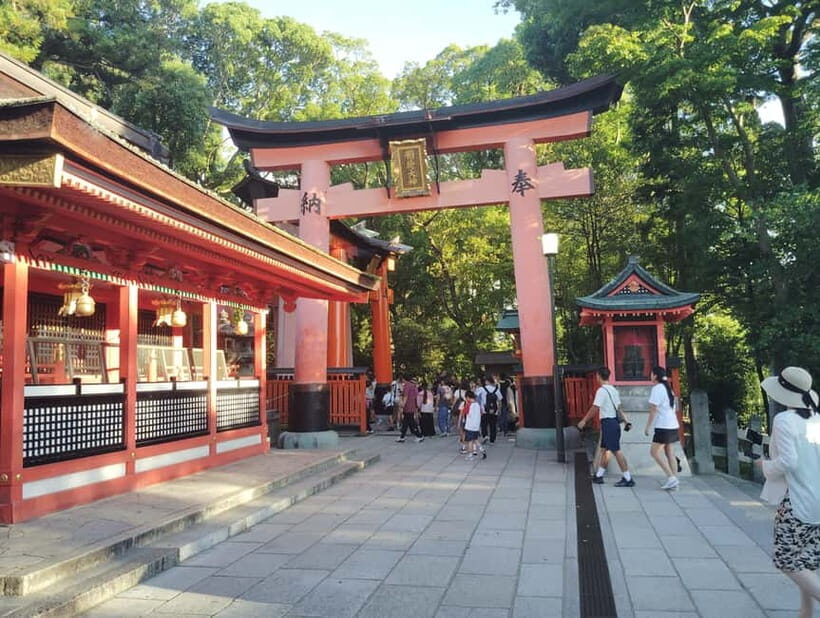
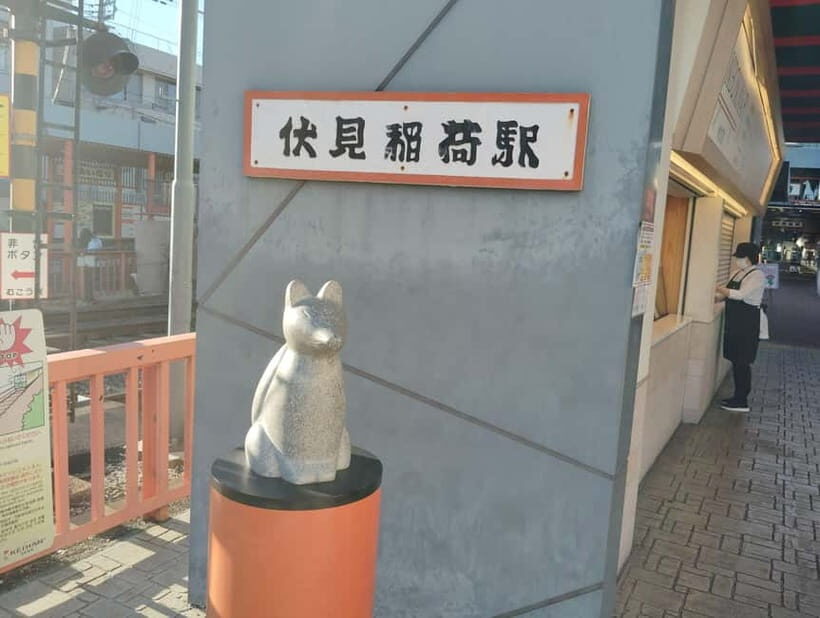
This tour starts at Inari Station. Your guide waits outside, across the main entrance, holding a bright yellow DeepExperience signboard. That detail matters more than it sounds. In Kyoto, small meeting-point confusion can eat your time fast, especially at popular areas.
If you’re arriving from central Kyoto, you’ll likely find Inari Station straightforward to reach. The important thing is timing: show up a few minutes early so you can check you’re with the right group and don’t rush the first part.
Main Stop at Fushimi Inari Taisha: Torii Gates With Meaning
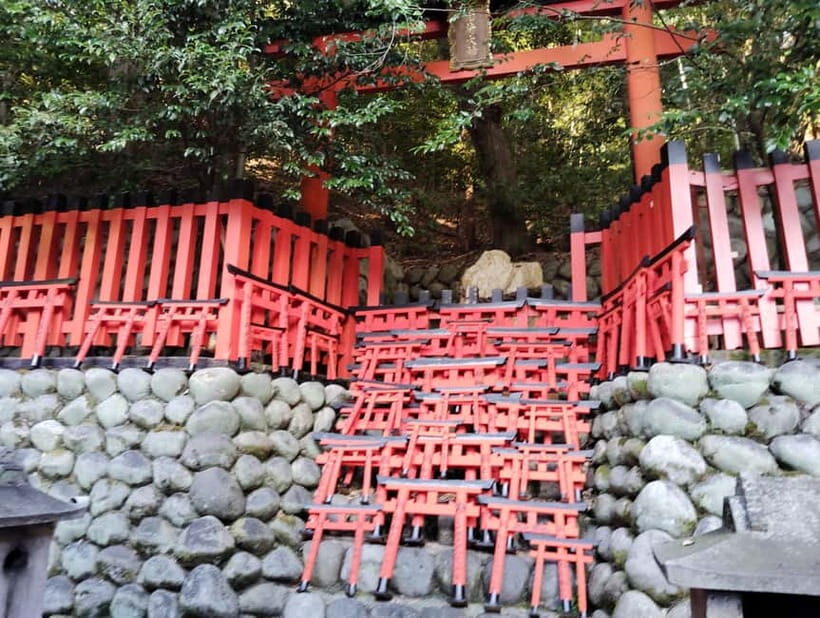
The tour begins at Fushimi Inari Taisha, the main shrine area dedicated to the god of rice and prosperity. That framing helps you understand why this place has long been tied to community life and good fortune, not just aesthetic appeal.
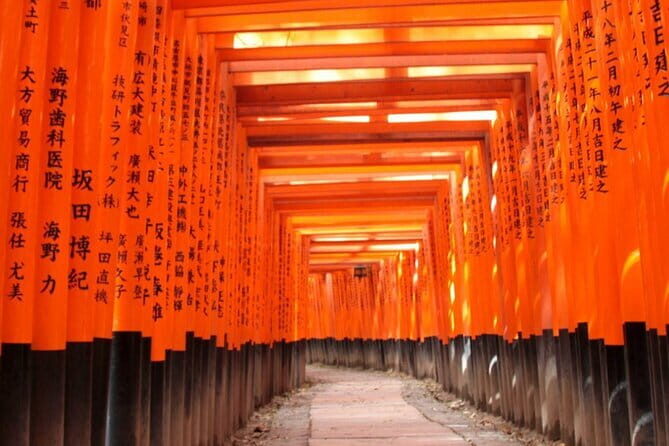
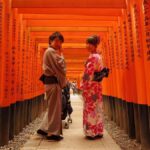
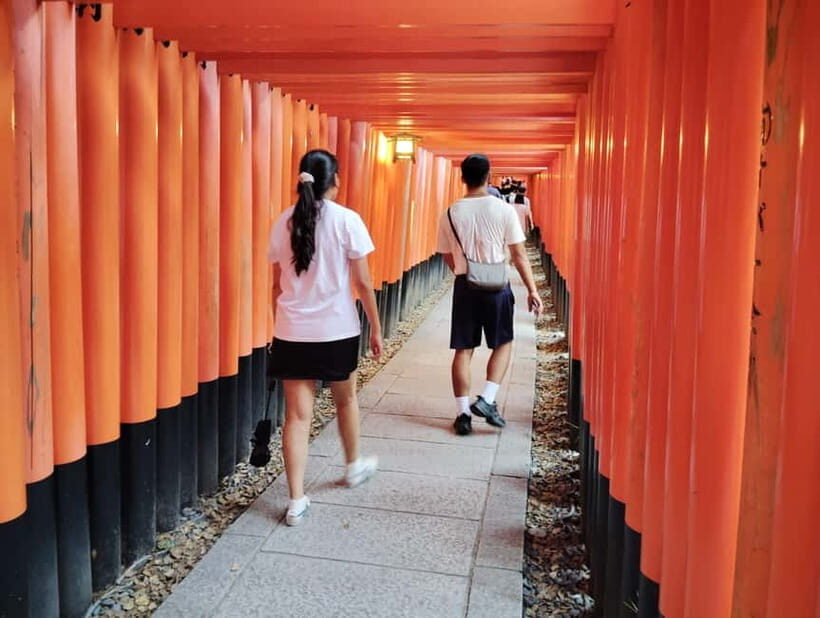
Then you move through the iconic torii gate pathway. The gates are famous worldwide, but the value of a guided walk is what you learn while you’re actually in it. Your guide explains their significance and what their presence represents in the shrine tradition. Instead of seeing a tunnel of red, you start noticing the rhythm of worship and the sense of continuity you get from repeating paths and repeating prayers.
Two things I think this section does well:
- You don’t just hear background facts. You hear them while you’re surrounded by the scenes being discussed.
- The route is paced so you can keep your bearings and still take photos without feeling chaotic.
Okusha Back Shrine: A Different Tone, Not Just More Steps
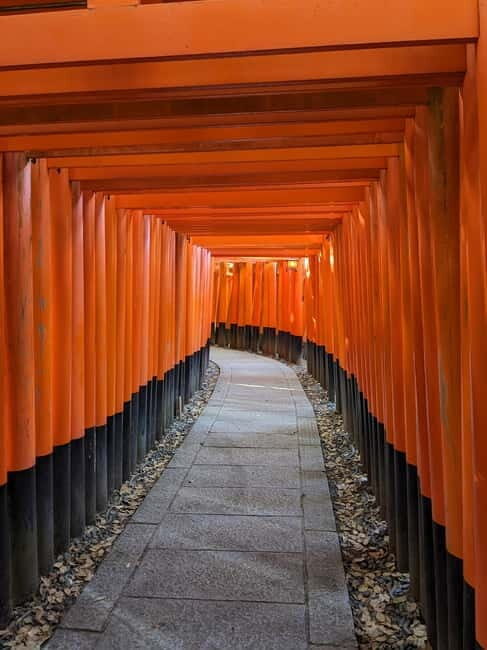
After the main area, you continue to the Okusha Back Shrine. This is where the tour can feel like it changes tempo. You’re still in the same shrine world, but the emotional tone often feels more intimate. The name matters because the experience shifts from the headline attraction to a more personal spiritual stop.
This is also where having an actual guide pays off. You’re not only walking. You’re getting help connecting what you’re seeing to why people come here. It’s the difference between collecting images and understanding the purpose behind the movement.
If your Kyoto plan includes lots of temples, this stop gives you variety. It’s still Fushimi Inari, but it doesn’t feel like a second pass through the same thing. It feels like a turn into the quieter layers of the place.
Omokaruishi Stone-Lifting Ritual: Fortune in Your Hands
One of the most memorable parts of this tour is the Omokaruishi stone-lifting ritual. The basic idea is straightforward: you lift the stone and use the outcome as your fortune test, tied to your inner focus before or during prayer.
Even if you don’t treat it as supernatural, the ritual is still meaningful as a cultural moment. It invites you to slow down for a second and do something intentional. You’re not just watching the shrine; you’re participating in a tradition that locals understand and pass along.
This can also be a great “memory hook” for families or anyone who’s worried they’ll forget the details of a short tour. When you leave with an actual action you performed, the visit sticks.
Other guided tours in Kyoto




Guide Quality: Why Yoshi’s Style Made a Difference
Your tour runs with a live guide from DeepExperience, Inc. The key value here isn’t just that they speak English. It’s the way they explain. One guide name that stands out from real experiences is Yoshi, praised for explanations that covered not only history but also Japanese culture. That matters because it helps you connect the shrine to the broader way people think, pray, and show respect.
Another point worth noting: the guide support seems practical. People mention the guide being very available, which can be useful if you want help with photos, timing, or understanding what to look for at each stop.
If you’re the type who likes to ask questions while walking, this tour format is a good fit. It keeps your questions relevant to the exact place you’re standing.
Price and Value: Is $32 Worth 90 Minutes?
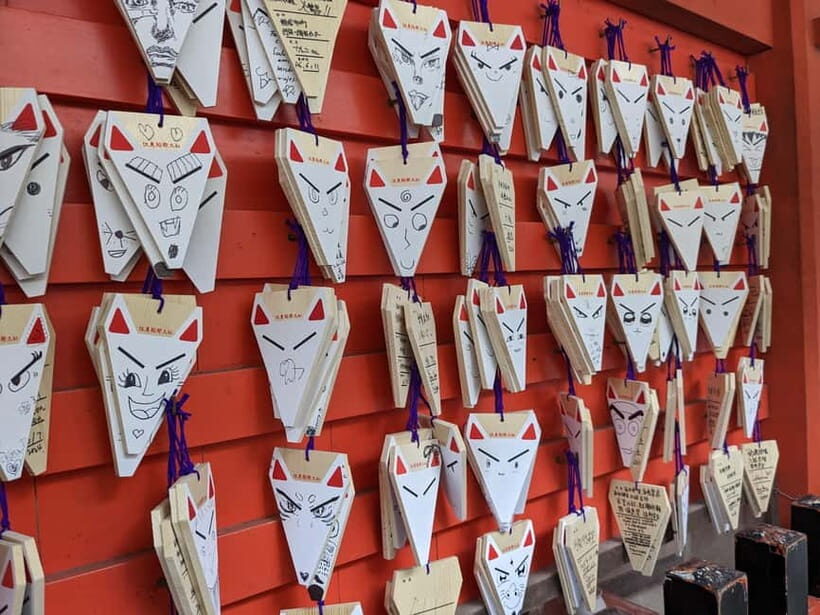
The price is $32 per person for about 90 minutes. For Kyoto, that’s not a bargain, but it can be fair value depending on what you want.
Here’s how I think about it:
- You’re paying for an expert guide who can interpret the shrine as you walk through it.
- You’re also paying for time efficiency. In a place this famous, the biggest cost for many people is mental energy: figuring out what to prioritize and when.
- The ritual and the Okusha Back Shrine stop add “experience value.” This isn’t only a viewpoint tour.
When might it feel like less value? If you already know the shrine’s basics and you’re the kind of traveler who wants to wander freely with no structure, you may feel the time is tight. One shortcoming that came up with similar experiences is exactly that: the tour can feel short if you want extended browsing. If your group includes someone who may need extra breaks, you’ll want to plan your pace around the 90-minute structure.
Group Size and Pace: Small Group Comfort
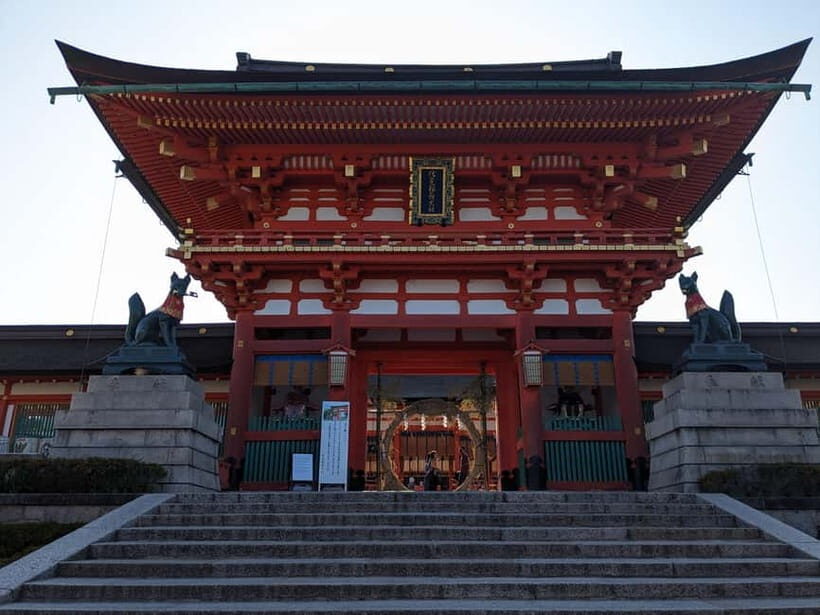
The tour offers private or small groups. That matters because it changes how the experience feels at the shrines. In a small group, you’re more likely to hear the guide clearly and ask questions without feeling like background noise.
You still move as a group, so you’ll follow a set flow from Inari Station to the main shrine area, then deeper toward Okusha Back Shrine, then back to Inari Station. That structure is a plus if your day in Kyoto is packed and you want Fushimi Inari covered without extra planning.
Photo Moments vs. Spiritual Moments: How to Balance Both
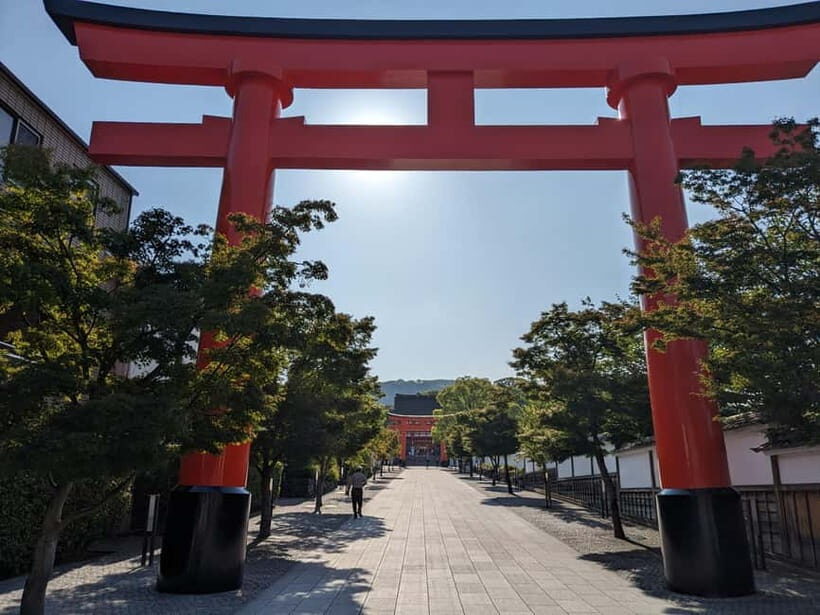
Fushimi Inari is photo-friendly by nature. You’ll naturally want pictures along the torii path. The tour helps you strike a balance by attaching meaning to what you photograph. When you understand what you’re seeing, your photos often feel less random afterward.
A practical tip: bring water and wear comfortable shoes. This isn’t sold as a long hiking trek, but you are walking through shrine paths and steps during a guided route. Also, if you plan to do the Omokaruishi ritual, give yourself enough time to participate without rushing.
Who This Tour Fits Best
This experience is a strong match if you:
- want the highlights of Fushimi Inari without spending half a day figuring it out
- appreciate guided explanations that connect shrine sights to broader Japanese culture
- enjoy a short “walk-and-learn” format rather than a long temple marathon
- want an activity moment, not just passive sightseeing, thanks to the Omokaruishi ritual
It may be less ideal if you:
- want to wander at your own pace for a long time in every direction
- need frequent breaks that could disrupt a tight 90-minute flow
Should You Book This Fushimi Inari Guided Tour?
If your goal is to get the most out of Fushimi Inari with minimal stress and solid context, I’d say yes. The combination of a guided walk, the main shrine focus, the Okusha Back Shrine visit, and the Omokaruishi stone-lifting ritual makes it more than a fast photo stop. It’s also well-priced for what you’re getting when you value interpretation over independent wandering.
If you already feel comfortable navigating the shrine on your own and you want maximum time to roam without structure, you might prefer a self-guided visit. For everyone else, this is a clean, efficient way to experience the spiritual heart of Fushimi Inari without losing the plot.
FAQ
How long is the Kyoto guided tour of Fushimi Inari?
The tour lasts 90 minutes.
Where does the tour start?
You meet outside JR Inari Station across the main entrance, and your guide holds a bright yellow DeepExperience signboard.
What languages is the tour offered in?
The live tour guide is available in English and Japanese.
What does the tour include besides the main shrine?
In addition to Fushimi Inari Taisha and the torii gate pathway, the tour visits Okusha Back Shrine and includes the Omokaruishi stone-lifting ritual.
Is it a private tour or a group tour?
It can be private or in small groups.
Is there a cancellation policy?
Yes. You can cancel up to 24 hours in advance for a full refund.