Kyoto’s afternoon feels different. This late-bird walking tour strings together Kyoto’s most iconic sights with a guide who helps you move faster and understand what you’re seeing. The timing also matters: you start at 2:00 pm and you’re back at Kyoto Station after about four hours, right when street life in Gion starts to feel extra Kyoto.
I really like two things here. First, you get guide commentary that turns stops like Fushimi Inari and Yasaka Shrine from photos into real context. Second, the private format means it’s just your group, so you can keep a steady pace and avoid that lost-in-the-crowd feeling.
One consideration: the tour includes the guide fee, but you’ll still pay public transportation (¥850 per person) and the route depends on good timing and walking. Also, it’s weather-dependent, so have a backup plan if rain moves in.
In This Review
- Key highlights worth your attention
- Late-bird timing: why 2:00 pm is a smart move
- From Kyoto Station to the sights without the guessing game
- Stop 1: Fushimi Inari-taisha and the torii tunnel story
- Stop 2: Yasaka Pagoda (Yasakanoto) for views and a later-day crowd
- Stop 3: Yasaka Shrine, Gion’s namesake, and the god of beauty
- Stop 4: Gion at walking speed, with a real shot at geisha sightings
- Guide quality: the difference between seeing Kyoto and understanding Kyoto
- Price and value: what $86.49 really buys you
- What to bring for a smooth afternoon walk
- Who this tour is best for
- Should you book Kyoto Late Bird Walking Tour
- FAQ
- Where does the tour start and end?
- What time does the tour run?
- Is the tour private?
- Which landmarks are included?
- Are there admission fees for the stops?
- What is included in the price?
- What is not included?
- What happens if the weather is bad?
Key highlights worth your attention
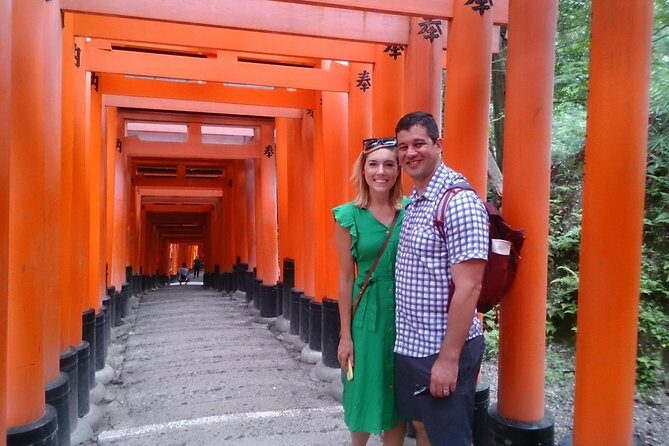
- Fushimi Inari-taīsha torii tunnel: see the vermilion gates and learn why they exist
- Yasaka Pagoda timing: a great viewpoint, and photographers often show up later in the day
- Yasaka Shrine details you’d miss alone: including how Gion got its name
- Gion walking with chance encounters: geisha and maiko sightings can happen
- Guides with strong English support: examples include Kaz, Saori, Mitsue, and Meg
Late-bird timing: why 2:00 pm is a smart move
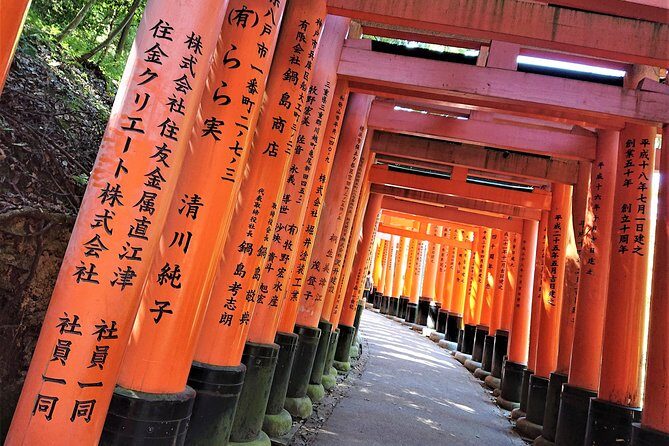
Starting at 2:00 pm changes the whole vibe. You avoid the worst morning crush, and you still have enough daylight to enjoy the torii tunnel at Fushimi Inari and the temple grounds at Yasaka Shrine.
You also end in Gion at a time when the district starts to feel more “alive.” Not full-night party mode, just that slower, evening-stroll energy where old streets and wood houses look right on camera and in real life.
One more practical benefit: an afternoon tour helps you connect the dots. A lot of first-timers bounce between landmarks with zero flow. This one gives you a thread—shrines, views, and then Gion—so it feels like you’re doing Kyoto, not just collecting stops.
Other walking tours we've reviewed in Kyoto


From Kyoto Station to the sights without the guessing game
You meet at Kyoto Station, and the tour runs about 4 hours total. From there, you’ll use public transit, and the simplest pro move is having a loaded IC card before you go.
This matters more than it sounds. Kyoto’s train system is efficient, but it’s also easy to overthink when you’re juggling transfers, station exits, and crowds. A guide reduces that stress, so you’re walking through the sights instead of studying a map.
The tour is listed as private for your group, so you’re not stuck being dragged along with strangers. That usually means fewer stops to “wait for someone,” and more time actually looking up at what’s in front of you.
Stop 1: Fushimi Inari-taisha and the torii tunnel story
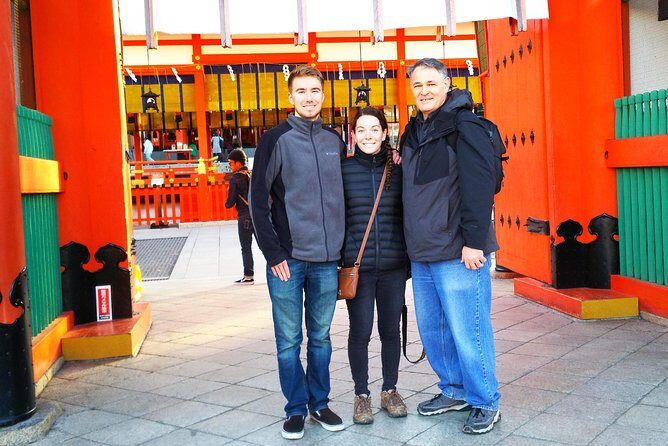
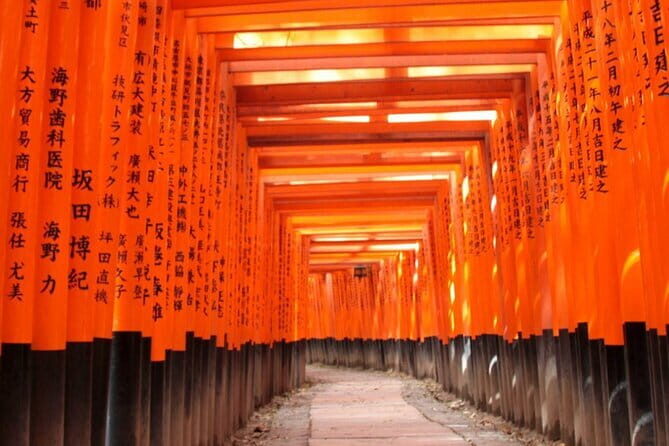
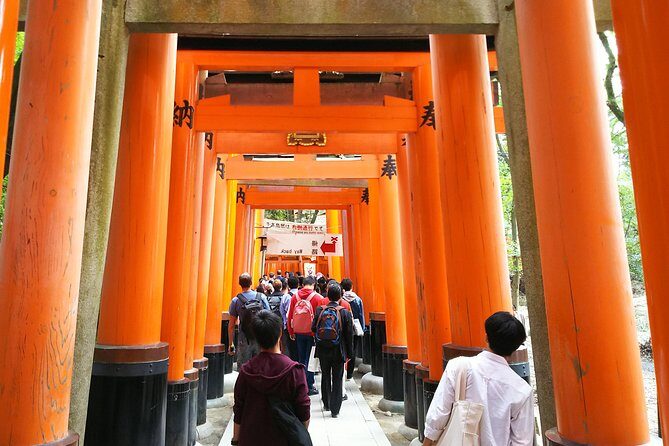
Your first major stop is Fushimi Inari-taisha Shrine, with about one hour onsite. The headline is the famous tunnel of thousands of vermilion torii gates. Up close, it’s not just pretty—it’s overwhelming in a good way, like your brain temporarily forgets you’re in a city.
Here’s what makes it more than a photo stop. These torii gates were offered by worshippers in appreciation of good fortune connected to the deity enshrined at the site. When you know that, the tunnel reads differently. You’re walking through gratitude and tradition, not just decorations.
Why a guide helps here: Inari is big, and it’s easy to wander without understanding what you’re looking at. A guide can point out meaningful areas and help you follow the flow so you don’t backtrack too much.
Possible drawback: one hour can feel short if you’re the type who likes to take your time at each smaller altar and hall. If you love slow shrine exploring, you’ll probably want to come back later on your own too.
Stop 2: Yasaka Pagoda (Yasakanoto) for views and a later-day crowd
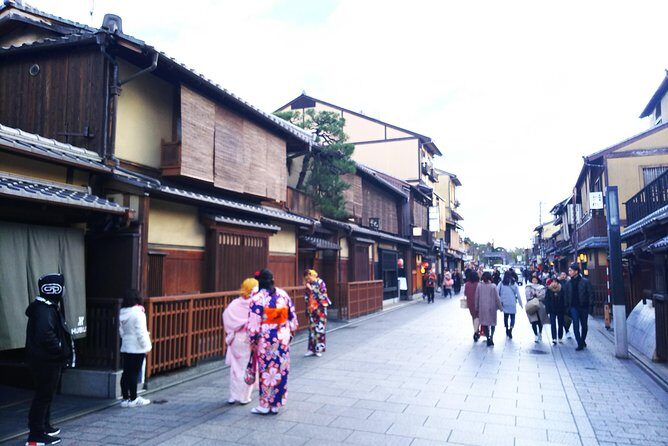
Next up is Yasaka Pagoda, listed as about 30 minutes. This pagoda was originally built in 592 and rebuilt in 1440. That time span gives you a sense of how long this area has been part of Kyoto’s spiritual and visual world.
The payoff is the viewpoint. From here, you can enjoy views that help you understand the shape of Kyoto—especially as the afternoon shifts toward evening. The listing also notes photographers crowd the spot for nice pictures later in the day, so your timing may land you in that “everyone’s aiming their camera” window.
Why the stop is worth it: If you’ve only seen Kyoto from temple grounds and streets below, a viewpoint stop changes your understanding. Suddenly the city’s layers make sense.
Trade-off: 30 minutes is a “see it, understand it, move on” timeframe. If you want a long scenic sit-down, you may feel a bit rushed. On the other hand, you’ll likely feel grateful you’re not stuck watching other people’s photo sessions.
Stop 3: Yasaka Shrine, Gion’s namesake, and the god of beauty
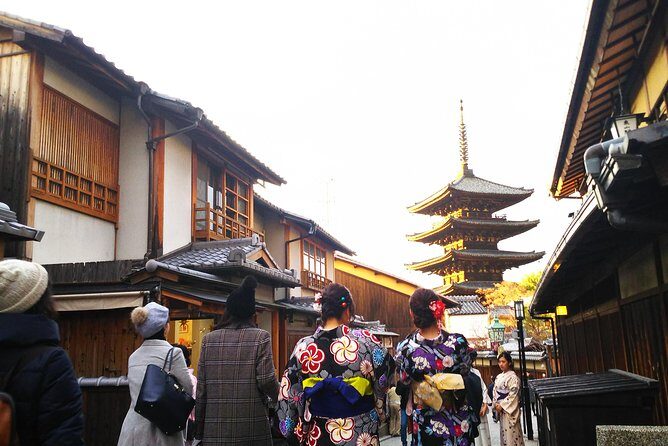
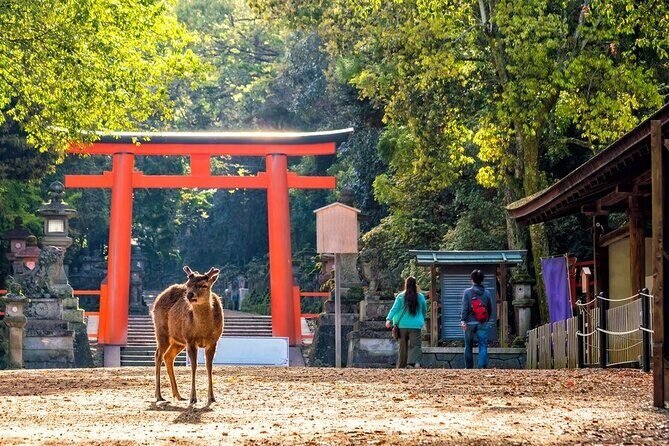
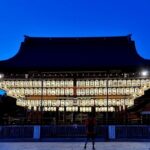
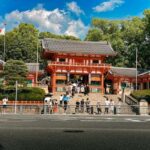
You then visit Yasaka Shrine, about 20 minutes. One detail that’s genuinely useful: Yasaka Shrine was once called Gion Shrine, and the name Gion came from this shrine. That turns Gion from a district name into a historical reference you can track.
The shrine’s enshrined deities are also part of the story. The main deity is described as very powerful, and there’s also a god of beauty enshrined here. That helps explain why this place matters culturally, not only architecturally.
What I like about this stop for first-timers: you get context for Gion before you even reach it. By the time you start walking Gion streets, you understand that you’re not just sightseeing—you’re moving through a cultural system that has old roots.
How it can feel: 20 minutes is short, but it’s often the right amount when you have a walking plan. You’ll get the highlights without losing your momentum.




Stop 4: Gion at walking speed, with a real shot at geisha sightings
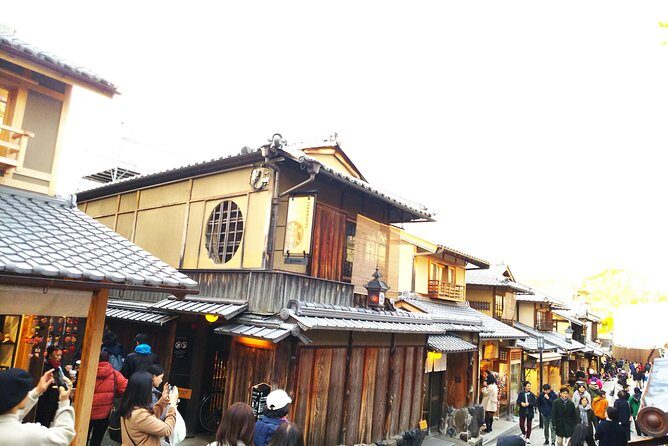
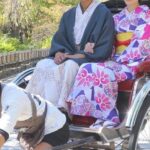
Finally, you spend about 50 minutes in Gion, one of Kyoto’s most recognized districts. This is where you’re likely to notice the old-style streets and traditional-looking houses preserved along the way.
The big reason people come: the chance to see geisha or maiko (apprentices). You’re not guaranteed anything—this is a real district, not a staged show—but Gion is famous for a reason.
From the guide side, this is also where personality shows. One guide named Saori stood out for enthusiasm and for having excellent English and Japanese, plus a conversational style tied to her experiences in the USA. Another guide, Mitsue, was described as welcoming and focused on an easy pace. Kaz was noted for waiting patiently when someone arrived late, which tells you the tour isn’t trying to leave people behind.
Real-world advice: If you want your best odds at seeing geisha or maiko, keep your posture calm and your cameras put away until you actually have a moment. The best sightings often feel like you accidentally noticed something, not like you staged it.
Guide quality: the difference between seeing Kyoto and understanding Kyoto
This tour succeeds or fails based on the guide, and the pattern in the feedback is clear: guides are doing real work, not just reciting names.
A guide like Meg is described as professional with a lot of knowledge and a clear sense of timing—arriving exactly where promised with a big smile. Kaz was praised for patience with late arrivals and for using the train route to reach key stops efficiently. Mitsue helped people find places they might not discover on their own, with clear pointing-out before moving on.
You might also find extra cultural moments along the way. One note mentioned a stop at Yasui Konpira-gu, where the guide translated a paper wish and made it sound genuinely funny instead of awkward. That kind of detail is what turns a shrine visit into a story you can repeat later.
Price and value: what $86.49 really buys you
At $86.49 per person, this tour sits in the midrange for Kyoto experiences. The price includes the guide fee, but it does not include food & drink or public transportation fare (¥850 per person).
So what are you paying for?
- Time saved by having a plan and a guide who can keep you moving.
- Context at the main shrines, where small details matter.
- A private setup for your group, which can feel more relaxed than joining a larger group tour.
- A route that covers major landmarks in one afternoon without you needing to map everything from scratch.
If you’re traveling with someone who plans to “just wander,” the guide value is even stronger. This itinerary hits a high-density set of sights—Fushimi Inari, Yasaka Pagoda, Yasaka Shrine, then Gion—so you’re getting a lot more meaning per hour than you would on your own.
One caution on value: because transport and meals aren’t included, your true total will depend on how you handle transit and whether you buy snacks while walking.
What to bring for a smooth afternoon walk
You’re walking through shrines and districts, usually on uneven ground. Bring shoes you can trust, because temple paths and shrine steps can be a little slippery, especially if the weather turns.
For transit, bring a loaded IC card. It’s the most practical way to handle train and fare taps without fumbling with cash or counting change.
Also consider:
- Light rain gear if weather looks shaky. The tour requires good weather.
- A small water bottle. Food and drink aren’t included.
- Your phone with offline maps as a backup, even though you’ll have a guide.
If you’re dealing with limited mobility, the tour is marked as accessible for limited mobility, and also for limited eye sight. It’s not listed as stroller accessible, so if that’s your situation, plan around walking comfort.
Pets are allowed, too, which can be helpful if you’re traveling with an animal companion.
Who this tour is best for
This is a great fit if you:
- Want an efficient Kyoto walking tour with clear structure.
- Prefer afternoons and want to avoid the worst morning crowds.
- Like cultural context, not just landmark checklists.
- Are traveling with a group that wants a private, flexible feel.
It’s also a good option if you want help with navigation. Kyoto can be simple once you understand it, but the first day in the city can feel like you’re reading a puzzle. Having someone point you in the right direction makes the day feel lighter.
Should you book Kyoto Late Bird Walking Tour
Book it if you want a smart afternoon plan that connects the dots between Fushimi Inari, Yasaka Shrine, the Yasaka Pagoda viewpoint, and Gion. At this price, you’re paying mainly for the guide’s time and for making sense of the sights instead of spending your energy figuring everything out.
Skip it only if you’re planning to stay out late anyway and you love spending unstructured time in one place at a time. Because the tour moves with a set schedule, you may feel slightly capped if you want to linger for hours at one stop.
If your goal is to see the major Kyoto highlights in one afternoon without confusion—and with a guide who can explain the meaning behind what you’re seeing—this tour is a strong choice.
FAQ
Where does the tour start and end?
The tour starts at Kyoto Station, Kyoto, Japan and ends back at the same meeting point.
What time does the tour run?
The start time is 2:00 pm, and the duration is about 4 hours.
Is the tour private?
Yes. It’s described as a private tour/activity, and only your group participates.
Which landmarks are included?
The tour includes stops at Fushimi Inari-taisha Shrine, Yasaka Pagoda (listed as Yasakanoto), Yasaka Shrine, and Gion.
Are there admission fees for the stops?
The stops listed as Admission Ticket Free are Fushimi Inari-taisha Shrine, Yasaka Pagoda, and Yasaka Shrine. Gion is a district walk.
What is included in the price?
The price includes the guide fee.
What is not included?
It does not include food & drink and it does not include public transportation fare, listed as ¥850 per person.
What happens if the weather is bad?
The experience requires good weather. If it’s canceled due to poor weather, you’ll be offered a different date or a full refund.