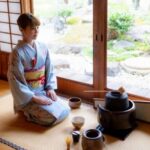
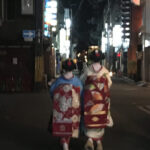
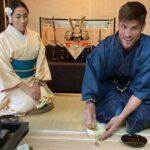
Geisha culture in Gion has a way of catching you off guard. One night can feel part history lesson, part theater, and part dinner with real people. I like the Gion walk with a live guide because it gives you street-level context before you sit down. I also like the kaiseki-style dinner paired with time alongside geiko or maiko, so it is not just watching from the sidelines. The main catch is simple: geiko or maiko attendance depends on availability, and the package requires at least 4 people to run.
You’ll start your evening in a modern Kyoto meeting point, then head into Gion for about 40 minutes. After that, you move to a local restaurant for a guided experience that runs roughly 2.5 hours, including an extended stretch of company with geiko or maiko, traditional performances, conversation, and music. One practical consideration: extra food and drinks beyond what is included cost extra, so eat and pace your sake accordingly.
In This Review
- Key highlights at a glance
- Gion at night: why this dinner walk works
- The flow is short, but it’s packed
- Starting point at Cacao Market: your quick orientation moment
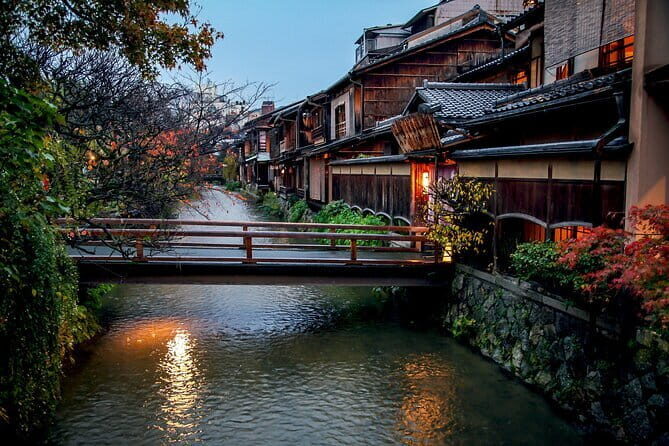
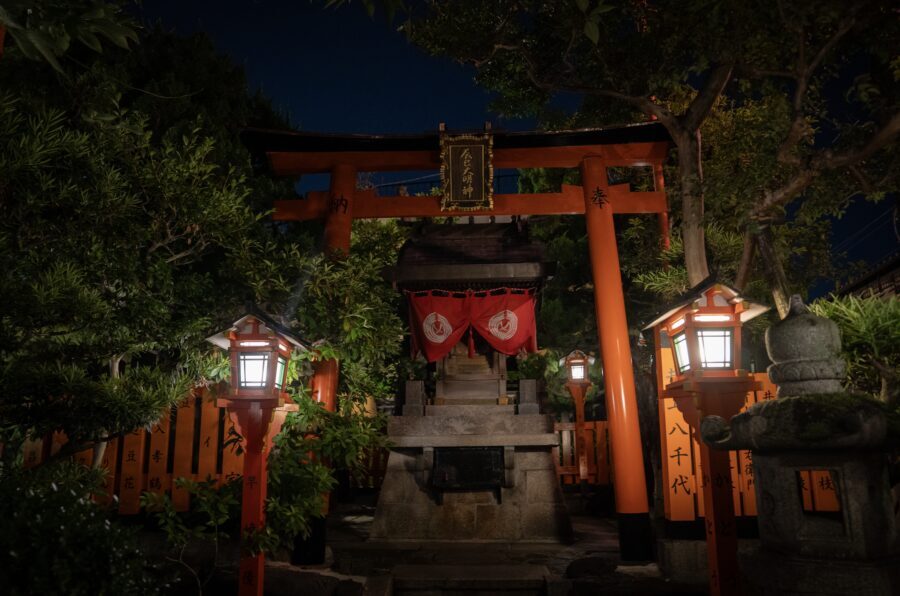
- The 40-minute Gion walk: learning to read the neighborhood
- A small tip that actually helps
- Inside the restaurant: kaiseki dinner with geiko or maiko time
- What performance and conversation usually feel like
- Unlimited sake: how it changes the pacing
- The guide makes or breaks it (and the English support is real)
- Price and value: what $257 is really paying for
- A note on availability and expectations
- Who should book this Kyoto geisha dinner, and who might not
- The respectful side: how to make it enjoyable for everyone
- Should you book Kyoto: Geisha Dinner & Gion Cultural Walk?
- FAQ
- How long is the Kyoto Geisha Dinner & Gion Cultural Walk?
- Where does the tour start?
- What happens during the evening?
- Is a kaiseki-style dinner included?
- Is sake included?
- Are extra drinks or food included?
- Are geiko and maiko attendance guaranteed?
- What is the group size requirement?
- Is there an English guide?
Key highlights at a glance
- Gion orientation walk that sets the scene for what you’ll see and why it matters
- Kaiseki-style dinner served with a structured cultural program
- About 2 hours with geiko or maiko, including dance and conversation
- Unlimited sake included, which changes the vibe of a dinner in a good way
- English live guide, with names like Endy, Taiga, Andi, and Takuma showing up in past groups
- Small-format feel that keeps questions coming, not just photos
Gion at night: why this dinner walk works
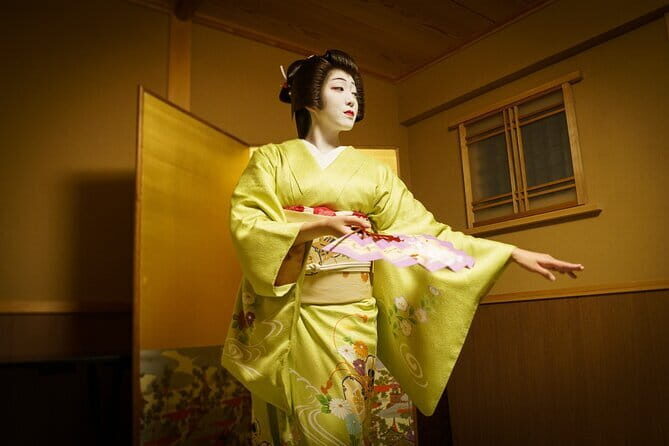
This is the kind of Kyoto experience that makes sense only in Kyoto. The geiko and maiko world is not meant to be a theme park stop. It is a carefully kept tradition with rules, timing, and practiced artistry. What I appreciate here is that you get framing before the main moment. You walk Gion with your guide, learn how to read the district, and then you sit down and get the human side of it.
The dinner format also matters. A lot of “culture nights” turn into a show first and a conversation afterthought. This one is built around sitting with geiko or maiko for a substantial block of time. That is where you hear the details that make the tradition feel real, not romanticized.
A few more Kyoto tours and experiences worth a look

The flow is short, but it’s packed
The total duration is about 3 hours. That is long enough to see Gion on foot and still spend real time at the restaurant. The walk portion is about 40 minutes, so you won’t burn your whole evening trudging down streets that look similar. You get movement, then you get the dinner program.
And yes, it is priced at $257 per person. That number looks big until you break down what you actually receive: a live guide walking you through Gion, a multi-course meal, unlimited sake, and roughly 2 hours of company with geiko or maiko. For Kyoto, that is the “main event” cost baked in, not an add-on.
Starting point at Cacao Market: your quick orientation moment
You begin at CACAO MARKET by MARIEBELLE KYOTO. That may sound like an odd starting line for a geisha evening, but it works. It gives you a clear meetup spot in a busy city, and it also signals something important about Kyoto: the past and present sit side by side here.
Before you head into Gion, you want your brain switched on for etiquette and context. Even if you think you already know the basics, this sort of evening rewards attention. Your guide’s first job is to help you move through the district and not treat it like a scavenger hunt.
If you’re the kind of person who likes to ask practical questions, this start is also when you can set the tone. You are with a live English guide from the beginning, and the program is designed to keep the learning part smooth.
The 40-minute Gion walk: learning to read the neighborhood
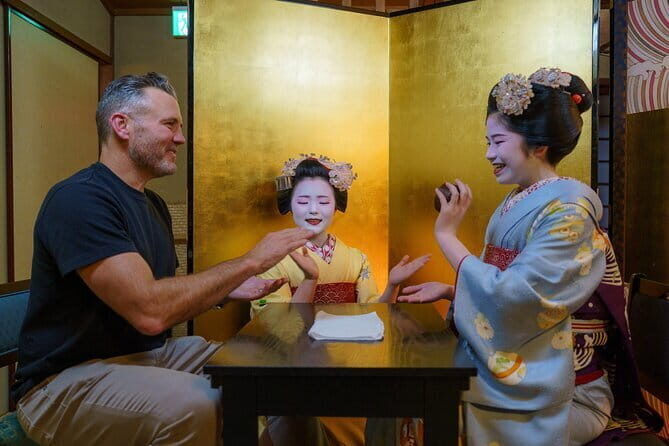
The walk portion is about 40 minutes. It’s long enough to feel like you’re actually walking through Gion, but short enough that you keep momentum. More importantly, your guide uses the streets as teaching material.
In Gion, the details matter. Even without a formal lecture, your guide can point out how people behave in the district and what makes the area culturally distinct. That is useful because the geiko and maiko world is not separate from Gion—it is woven into everyday Kyoto life. When you know the basics, your questions become smarter and your curiosity feels more respectful.
Based on past groups, guides such as Endy, Taiga, Andi, Takuma, Tomoko, Moto, and Soma have been praised for sharing context you might otherwise miss, like the structure of geiko life and class timing. You may not remember every detail, but the mental framework helps the dinner feel less mysterious and more understandable.
A small tip that actually helps
Wear something you can sit comfortably in. Even if the walk is not physically intense, dinner settings often mean you’ll switch from strolling to longer sitting. If you are thinking about what to do next in Kyoto afterward, plan for a calm finish. This tour ends at FamilyMart, which is a helpful last stop if you want water or a quick snack.
Other walking tours we've reviewed in Kyoto





Inside the restaurant: kaiseki dinner with geiko or maiko time
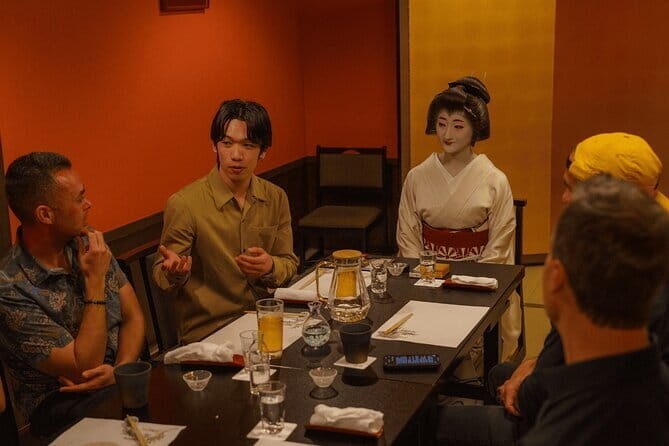
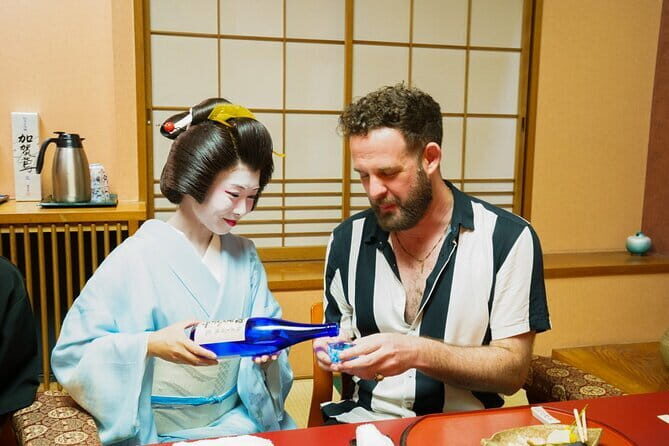
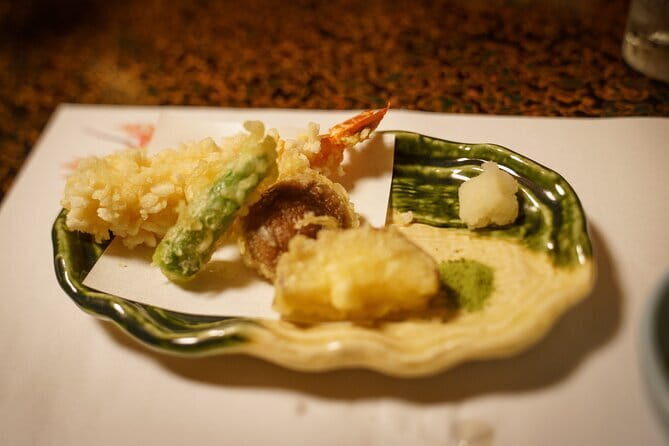
After the walk, you head to a local restaurant for guided time lasting about 2.5 hours. This is where the evening becomes the evening: you get a kaiseki-style dinner, you spend extended time with geiko or maiko, and the program includes traditional performance.
The most praised part is the human interaction. People highlighted the charm and professionalism of the geiko or maiko they met, along with the way guides acted as cultural translators and hosts. Names that came up include Toshiko and other geiko/maiko performers, plus staff at the restaurant who were described as hospitable.
Here’s the big idea: you are not just eating. You’re watching a tradition unfold in a setting built for conversation, music, and performance. A multi-course meal gives the evening a rhythm, and the guide’s job is to keep you oriented between the different moments.
What performance and conversation usually feel like
The program can include traditional dances and music, plus conversation that helps you understand customs and history. Several guests noted that the geiko or maiko spent time answering questions, dancing more than expected, and even playing games.
In at least one case, a guest mentioned playing Konpira as part of the fun during the evening. If something like that is on the schedule when you go, don’t treat it as a novelty. It’s part of how the experience stays social rather than purely ceremonial.
Also, expect that your guide will set you up to ask respectful questions. The better your questions are, the more you will get out of the time with geiko or maiko. Even if you are not a history expert, asking about training, daily life, or the meaning behind etiquette usually lands well because it shows you’re trying to understand the craft.
Unlimited sake: how it changes the pacing
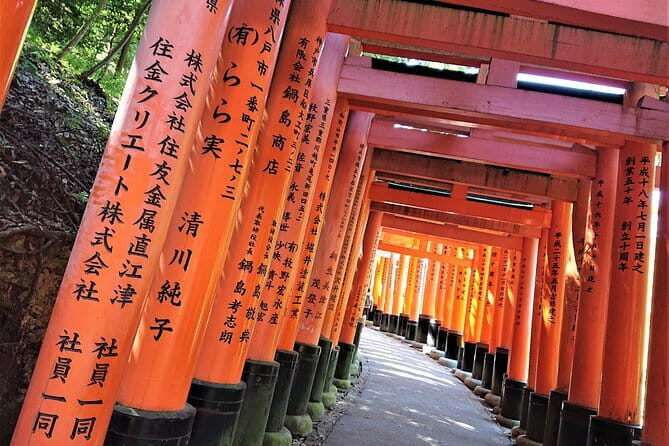
Unlimited sake is included. That matters because it shifts the dinner from formal and distant to warm and lively. Sake can also affect how quickly you absorb explanations, so I’d treat it as part of the experience, not a drinking contest.
If you want the most value, plan for a slower pace: drink, eat, listen, ask questions, then let the room carry you. The meal is kaiseki-style, which usually means multiple courses that arrive in a sequence. If you go in hungry and excited, you’ll probably enjoy the whole rhythm more.
Some guests specifically praised the food quality and the way it was presented. Others pointed out that they wanted more explanation of what they were being served. That’s a useful caution for you: if you care about the meaning of each course, ask your guide. It is the sort of detail that can be added by simple questions like, What is this course meant to represent?
The guide makes or breaks it (and the English support is real)
This tour is led by a live English tour guide. That sounds obvious, but it’s a big deal in this kind of evening. Cultural context does not translate well through casual wandering.
Across past groups, the guide experience shows up as a major strength. Guests praised guides like Endy, Taiga, Andi, Takuma, Tomoko, Moto, and Soma for being polite, professional, energetic, and helpful with translation. In other words, the guide is not just herding you down a sidewalk. They are actively shaping your understanding in the moment.
A simple strategy will help you get more out of it:
- Ask one “why” question during the walk, so you understand what you’re about to see.
- Ask one question about training or etiquette during the restaurant time, when the geiko or maiko interaction starts.
- Ask about specific meanings behind what you see, not just what it is.
If you do this, you’ll leave with more than photos. You’ll leave with a working mental map of what you experienced.
Price and value: what $257 is really paying for
At $257 per person for about 3 hours, you’re paying for a curated cultural evening, not just a meal. Let’s unpack the value:
- You get a Gion walking tour with a local guide.
- You get kaiseki-style dinner.
- You get about 2 hours accompanied with geiko or maiko as part of the program.
- You get unlimited sake included.
- You get English support in real time.
That geiko/maiko time is the expensive piece in the real world. This is not like booking a theater seat where everyone watches the same show. It’s interaction and conversation in a seated setting, with a custom pace for your group.
That said, it’s not a bargain in the normal sense. If you are hoping for a cheaper “geisha district vibe” night, this may feel steep. But if you want the experience to include the geiko or maiko presence plus a guided cultural frame, the pricing is less surprising.
A note on availability and expectations
Geiko and maiko attendance is not guaranteed. The experience can depend on availability, and if arrangements cannot be made, you’ll be informed as early as possible.
So go in with the right expectation: this is designed to be a geiko/maiko dinner evening, but Kyoto timing and availability matter. If you’re booking late in your trip, I’d choose a date with flexibility in your schedule.
Who should book this Kyoto geisha dinner, and who might not
This tour makes the most sense for you if:
- You want a structured cultural evening, not a random restaurant night.
- You enjoy guided context and respectful questions.
- You’re excited by the idea of spending time with geiko or maiko, not just passing them on the street.
- You like food that has a formal rhythm, plus unlimited sake.
You might skip it if:
- You want to keep costs lower and are mainly chasing atmosphere.
- You dislike dinner settings where you are seated for a long stretch.
- You prefer fully guaranteed attendance with no possibility of substitutions. (The program notes availability can affect geiko/maiko attendance.)
The respectful side: how to make it enjoyable for everyone
A geisha culture experience works best when you behave like you understand this is someone’s craft and workplace. Your guide will help you navigate etiquette, but your attitude still matters.
Keep it simple:
- Be ready to listen during explanations.
- Save your most personal questions for moments when the guide encourages conversation.
- Treat the performance like performance, not a background setting.
- If you drink sake, keep it moderate so you’re still present for the conversation.
If you do that, you’ll probably feel what many guests described: a sense of privilege paired with genuine curiosity. It is not just a “cool story.” It’s time in the living world of Kyoto arts.
Should you book Kyoto: Geisha Dinner & Gion Cultural Walk?
Book it if you want one Kyoto night that blends Gion context, kaiseki dinner, and real interaction time with geiko or maiko in a guided English format. The combination is what makes this worth considering, especially because unlimited sake and a long companion moment are included, not added later.
Think twice if the idea of geiko/maiko availability changing would stress you out, or if you are mainly seeking a cheap, casual evening in Gion. In that case, you may prefer a different low-cost Gion plan.
If your goal is a memorable Kyoto cultural evening that feels structured, respectful, and thoughtfully guided, this is a strong bet.
FAQ
How long is the Kyoto Geisha Dinner & Gion Cultural Walk?
The experience lasts about 3 hours.
Where does the tour start?
It starts at CACAO MARKET by MARIEBELLE KYOTO.
What happens during the evening?
You’ll do a Gion walk, then head to a local restaurant for a guided dinner experience that includes time with geiko or maiko.
Is a kaiseki-style dinner included?
Yes. A kaiseki-style dinner is included.
Is sake included?
Yes. Unlimited sake is included.
Are extra drinks or food included?
Extra drinks and extra food are not included.
Are geiko and maiko attendance guaranteed?
Attendance depends on availability. The experience may not be able to arrange geiko and/or maiko, and you will be informed as early as possible if that happens.
What is the group size requirement?
This group tour requires a minimum of 4 participants. If the number stays below 4 as the date approaches, it may be difficult to operate.
Is there an English guide?
Yes. The live tour guide speaks English.