Bamboo, torii, Buddha, deer—one smooth day. I like how this private route gives you a big-picture overview of Kyoto and Nara without wrestling trains, and I really love the quiet wow-factor of Arashiyama Bamboo Grove and the spiritual energy of Fushimi Inari Taisha. It is also built for your pace, since you ride in an air-conditioned car with a driver-guide who can help you with practical bits along the way.
One thing to keep in mind: it is a highlights plan packed into about 8–10 hours, so you will move between top sights rather quickly. That can feel perfect if you want to see the classics in a day, but if you prefer long, slow stays, you may want to ask your driver to adjust timing and crowd pressure. If you are lucky enough to get an English-speaking driver-guide such as Bagas, you can often get smarter route choices.
In This Review
- Key highlights you’ll feel fast
- Why this private Kyoto–Nara day is such a good idea
- Arashiyama Bamboo Grove: your quiet reset in Kyoto
- Fushimi Inari Taisha torii gates: the walk most people remember
- Sanjusangen-do and Kinkaku-ji: from temple calm to gold reflections
- Todai-ji and Nara Park: Great Buddha scale and deer-level charm
- Nishiki Market for snacks, then Gion for old-street atmosphere
- A guide who helps, not just drives
- Price and value: what $441 per group really buys
- Logistics that can make or break the day
- Who this tour suits best (and who should tweak expectations)
- Should you book this Kyoto–Nara private highlights tour?
- FAQ
- FAQ
- What is the duration of the Kyoto–Nara private highlights tour?
- How much does the tour cost, and how many people can join?
- What is included in the tour price?
- Are entrance fees included?
- What languages are available for the driver-guide?
- Is the tour wheelchair accessible?
- Where can the tour pickup and drop-off happen?
- Can the tour end in a different location or city?
- Is there an option for baby seats?
- What if I need to stay longer than 10 hours?
- What is the cancellation policy?
Key highlights you’ll feel fast
- Arashiyama Bamboo Grove: a one-hour window to slow your brain down
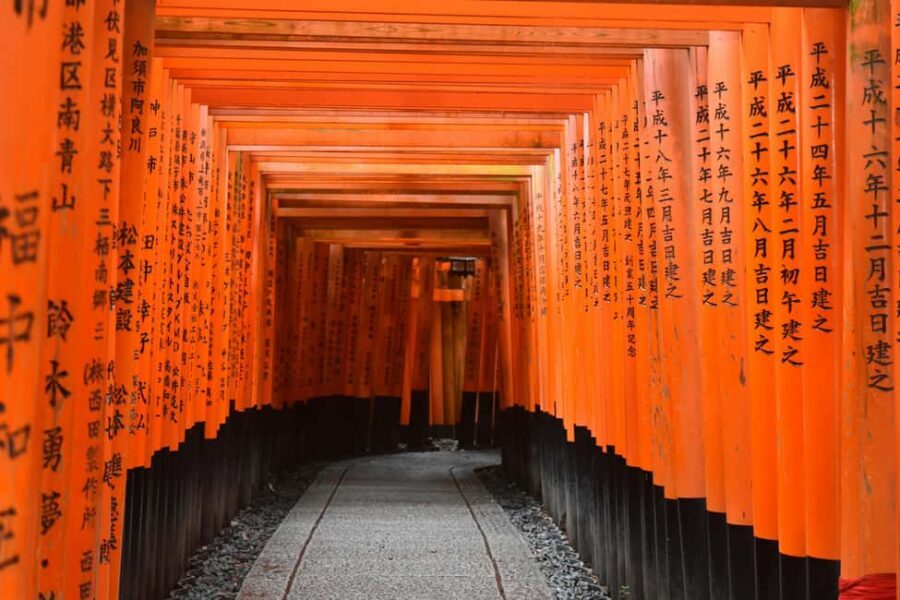
- Fushimi Inari’s vermilion torii gates: the iconic walk up the mountain-side
- Golden Pavilion at Kinkaku-ji: the gold façade reflected in the pond
- Todai-ji + Great Buddha scale: spiritual presence you can physically feel
- Nara Park deer time: gentle, friendly encounters in an open park setting
- Gion’s old streets: a nighttime-adjacent old-Kyoto vibe with teahouses
Why this private Kyoto–Nara day is such a good idea
Kyoto and Nara can be gorgeous, but they are also logistically annoying. Temples are far apart, lines can be long, and public transit can turn one sightseeing day into two days of transfers. This tour solves the stress part with private transportation and hotel pickup and drop-off, so you start fresh and stay in control.
What I like most is the balance of structure and flexibility. The route hits the must-sees, but you can tell the driver what you care about (and you can even ask to end the tour somewhere else or in a different city than your pickup point). That matters if Kyoto is only one stop in your Japan trip.
The tour is also designed for comfort. You get an air-conditioned vehicle, WiFi in the car, and a multi-language translation app. Add in the fact that the driver can assist with purchasing tickets, and your day stays light on logistics.
A few more Kyoto tours and experiences worth a look
Arashiyama Bamboo Grove: your quiet reset in Kyoto
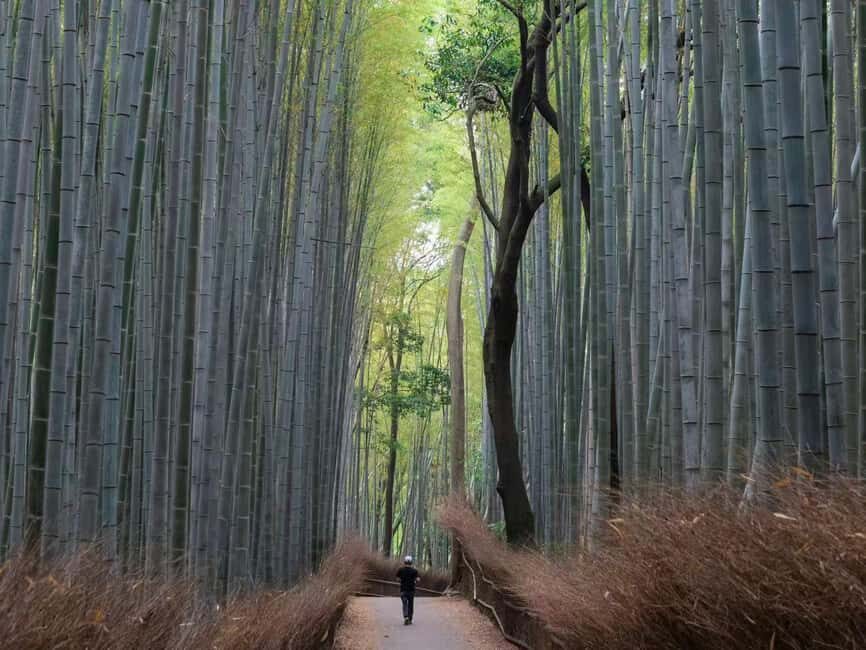
Arashiyama Bamboo Grove is the kind of place that changes your posture. Towering green stalks create an almost otherworldly calm, and the one-hour block is just enough time to feel the atmosphere without rushing yourself into exhaustion.
Here is the practical side: go in with comfortable shoes and a little patience. Even with a private tour, you can still meet other groups because Arashiyama is popular. Your best move is to use the hour to do a simple rhythm: walk in, pause for a few photos, then walk out before you start feeling packed in.
This stop is also a great opener. After pickup, you are still mentally fresh. Bamboo works as a reset before you hit more intense crowd magnets later.
Fushimi Inari Taisha torii gates: the walk most people remember
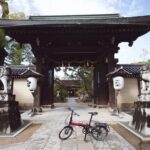
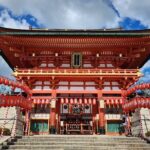
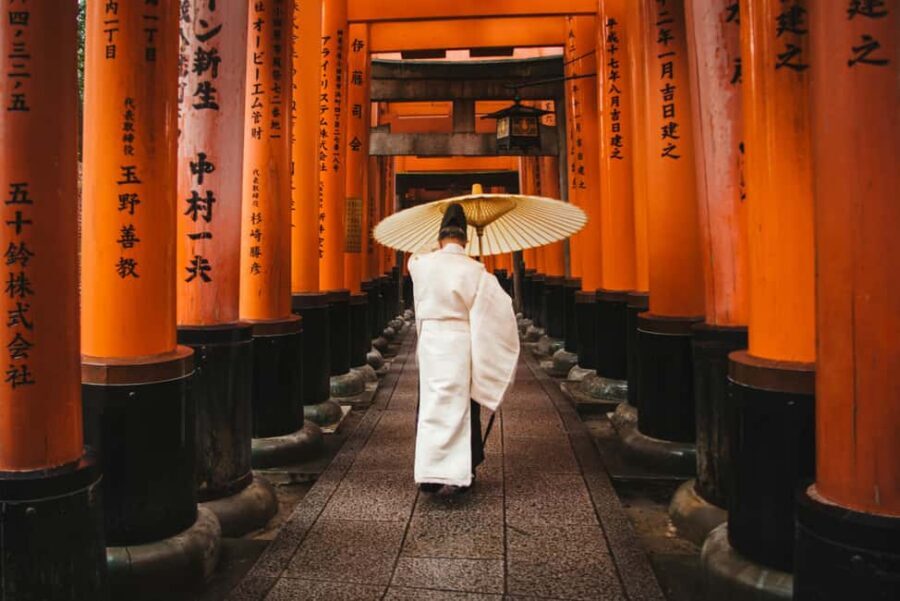
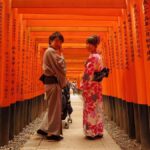
Fushimi Inari Taisha is Kyoto at its most iconic: endless rows of vermilion torii gates winding up the mountainside. The feeling is spiritual and atmospheric, even if you are not a temple person. This is the kind of walk where you stop thinking about schedules and start thinking in steps.
A few things to plan for. The torii path can feel long because the gates keep going. Also, you will likely share the path with other visitors, especially around peak hours. The upside of a private driver is that you can ask the driver to help with the practical flow—where to enter, how to time your movement through busier stretches, and what to prioritize.
I also like that this is not presented as a quick photo stop. You are meant to actually experience the walk beneath the gates, not just snap and vanish. If you want the full effect, slow down your pace and give yourself permission to get less dramatic photos and more meaningful ones.
Sanjusangen-do and Kinkaku-ji: from temple calm to gold reflections
Your day keeps moving, but it does it with good pacing between different kinds of sights.
Sanjusangen-do is a classic temple stop on the route. You get time to see it at sightseeing pace, and the value here is simple: it adds cultural depth without requiring you to plan anything. You are not stuck trying to figure out how to fit another temple into an already packed itinerary.
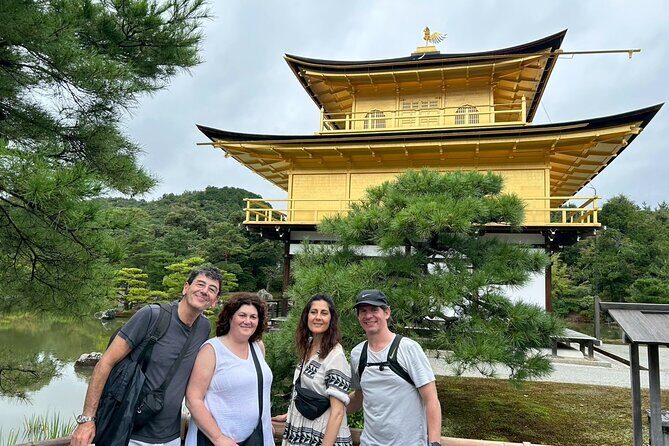
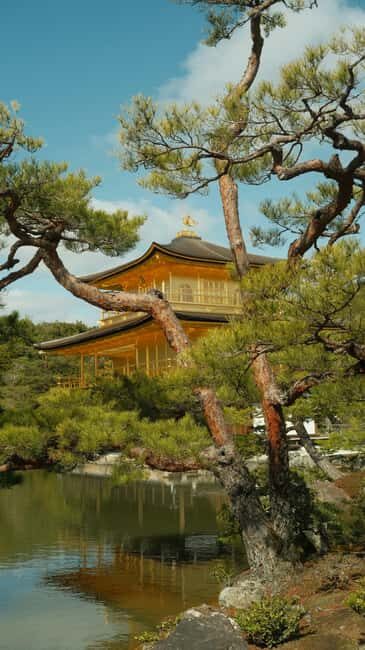
Then comes Kinkaku-ji, the Golden Pavilion, and it is the kind of sight that feels instantly worth the trip. The brilliant gold façade reflected in the surrounding pond is unforgettable. You do not just look at a building—you see the scene twice: once in the gold itself and once in the mirror-like water.
You typically get about an hour for Kinkaku-ji. That is a smart time slot for this kind of location: enough to walk the edges, see multiple viewing angles, and settle into the moment without feeling like you are trapped there. If you are the type who loves photography, this is where you will want to spend your patience.
One consideration: Kinkaku-ji can be crowded. If you hate crowds, I suggest you tell your driver your preference early. The more clearly you communicate your comfort level, the more likely the route timing can match your expectations.
Todai-ji and Nara Park: Great Buddha scale and deer-level charm
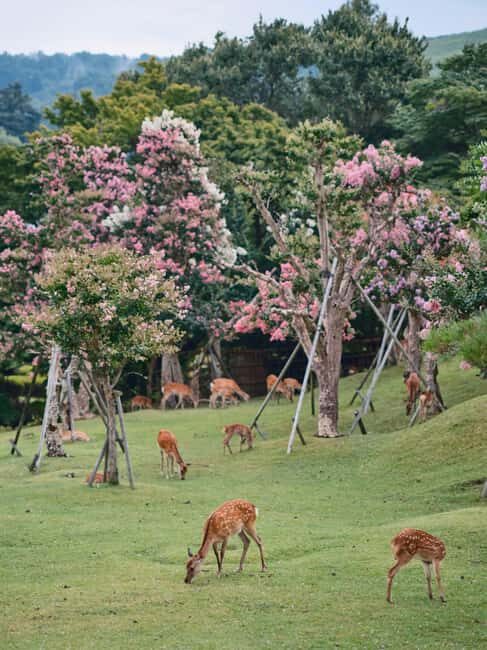
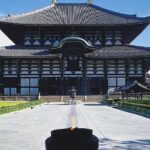
Todai-ji is a major contrast to the more visually delicate spots. Here the focus is on scale and presence. You visit the temple and its world-famous Great Buddha, and you can feel why this is one of the big spiritual anchors of the region.
This is a place where you will likely pause more than you planned. Even if you are not religious, the size and historical weight give the area a gravity. The experience also works well for families, because it is awe through scale rather than through complicated context you need to memorize.
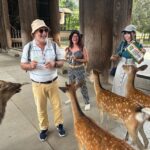
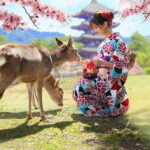
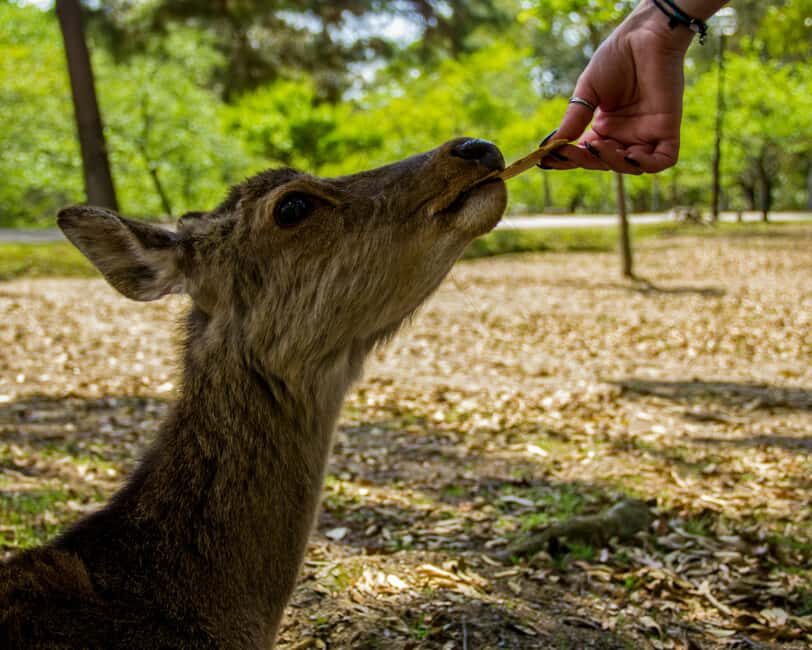
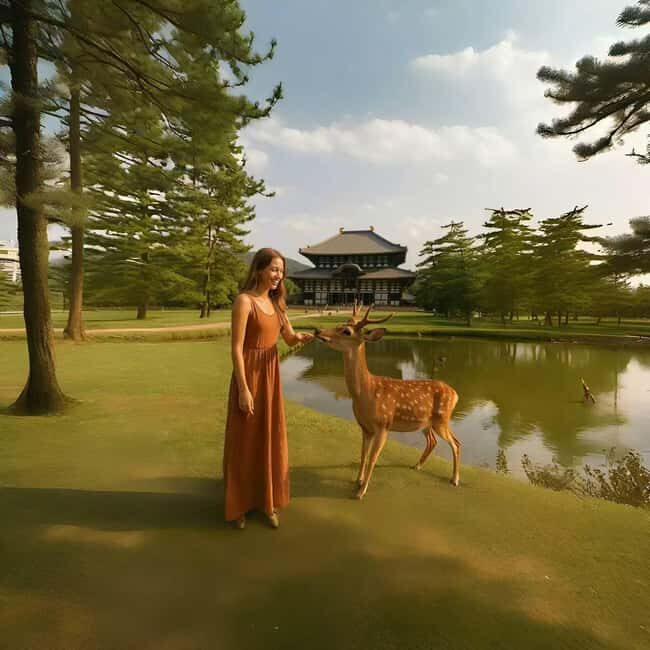
Then you head to Nara Park, and this is where the day turns playful. Friendly, gentle deer roam freely, and the encounter becomes a memorable break from stone-and-gold sightseeing. It is one of those moments that makes Kyoto feel less like a museum and more like a living landscape.
Keep it practical: deer are wild animals. You will want to be cautious and follow what the area suggests. But if you are respectful, this stop is genuinely fun and easy to enjoy, especially if you are traveling with kids.
Other private tours in Kyoto


Nishiki Market for snacks, then Gion for old-street atmosphere
After the big temples, the tour shifts gears to street-level Kyoto.
Nishiki Market is included as a food market visit. This is useful if you want to taste the vibe without committing to a full sit-down meal. You can browse, pick up snacks, and adjust what you eat based on your energy level.
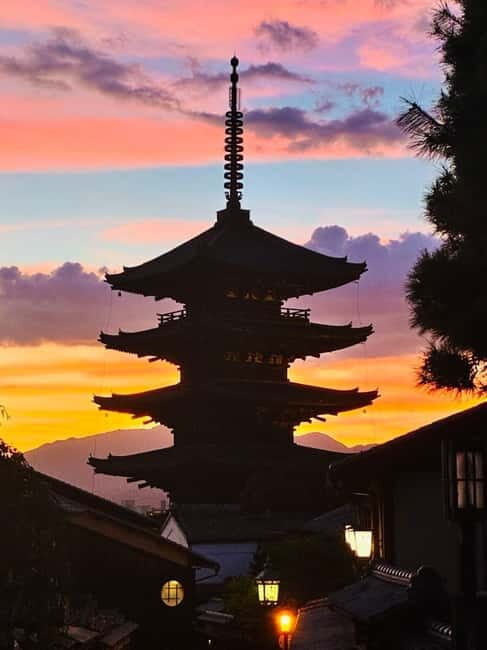
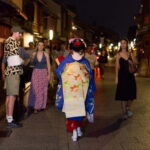
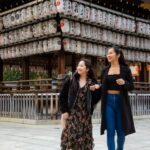
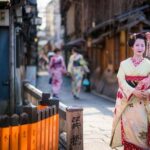
Then comes Gion, with historic wooden streets and teahouses. The tour includes a walk, about an hour, and the goal is atmosphere. You might even catch a glimpse of a graceful geisha, but the main win is walking through an old-style neighborhood layout and seeing how Kyoto keeps its traditions in the foreground.
Realistic note: Gion can be busy. If you care more about photos than people-watching, tell your driver what you want. The private format helps because you can shift your focus instead of getting dragged along by a set group pace.
A guide who helps, not just drives
This is a driver-guide style experience, not a silent shuttle. That sounds like marketing, but it matters in Kyoto and Nara because so much runs on small, practical decisions.
The driver can assist with purchasing tickets, and the car setup includes WiFi and a multi-language translation app. You also have a wide range of languages available: Chinese, English, Japanese, Hindi, and Indonesian. When English-speaking drivers are available, the tour prioritizes arranging one.
From real trip stories, Bagas is singled out as accommodating and English-speaking, and one family appreciated how prepared he was when someone in the group needed to handle celiac disease. The takeaway for you is simple: if you have a dietary restriction or a strong must-see list, tell the driver early so the day can be adapted where possible.
The other thing I like is control. In a private car, you can ask for adjustments mid-day. One caution though: crowd-avoidance is not magic. Even with route changes, busy days still feel busy. You can only do so much on weekends, so set expectations and use your time in the places you care about most.
Price and value: what $441 per group really buys
The price is $441 per group up to 6 passengers, for an 8–10 hour day. That means the cost per person can be quite reasonable when you split it among a small group—especially compared to the hassle of arranging private transport on your own plus paying for guidance.
What is included that you would otherwise pay for separately:
- Air-conditioned private transportation
- Hotel pickup and drop-off
- WiFi in the car
- A translation app
- Fuel and tolls, parking fees
- Multi-language support via driver-guide
- Up to 10 hours of services (with extension possible)
What is not included:
- Entrance fees
- Food and beverages
So the best way to think about value is not just the headline price. It is the reduction in stress and planning time, plus the fact that you get someone who can help with tickets and pacing. If you are traveling with 3–6 people, it often becomes one of the more efficient ways to see Kyoto and Nara in a single day.
If your group is smaller, it can still be worth it if you truly want a private day instead of a transit day. But you should plan entrance fees and at least some snacks or meals since food is not included.
Logistics that can make or break the day

A few practical details matter more than they look.
You get multiple pickup options: Kobe, Maizuru, Kansai International Airport, Osaka, and Kyoto. Drop-off options match that list. Also, pickup is typically at the main gate of your hotel when you are staying in Kyoto, Osaka, Nara, or Kobe. If you want different pickup or drop-off locations, you should inform the company in advance.
The tour runs 8–10 hours total. It can be extended, but extensions are not free: overtime is listed as 5,000 yen per hour, with the rate depending on vehicle seating type. There is also a night service fee of 2,000 yen per hour after 21:00 local time.
The family-friendly bits are also useful. The first baby seat is free if you tell them before departure, and a second baby seat costs an additional 2,000 yen per child. The vehicle is wheelchair accessible too, which can matter if you are traveling with mobility needs.
And do not ignore the simple advice: wear comfortable shoes. This kind of route involves real walking—especially at Fushimi Inari, Kinkaku-ji, and the Gion stroll.
Who this tour suits best (and who should tweak expectations)
This is a great match if:
- You want a solid overview of Kyoto and Nara in one day
- You hate figuring out connections and schedules
- You value a private driver who can help with practical things like tickets
- You are traveling with kids or anyone who benefits from fewer transit steps
- You are only in the Kansai area briefly and want the classics without guesswork
It is less perfect if:
- You want very slow temple time and deep study at one or two sites
- You are trying to squeeze in lots of extra stops beyond the core plan
- You have a low tolerance for crowding at the big names (even private tours share the reality of popular places)
If you want the best experience, you should communicate your pace early. Tell the driver what you want more of (or less of), and what you are willing to rush versus where you want to linger.
Should you book this Kyoto–Nara private highlights tour?
If you want the Kyoto and Nara highlights without the planning headaches, I think this is an easy yes. It is built around comfort, clear priorities, and a route that strings together the main emotional hits of both cities: calm bamboo, vermilion torii, golden reflections, Great Buddha scale, deer joy, and old-street Kyoto.
Before you book, do one quick check: confirm that you are happy with a high-activity day. If you are the type who wants half a day in one temple and zero crowds, you might feel rushed. But if you want to see a lot, stay comfortable, and keep the day flexible with a driver-guide who can help, this private format is a strong value.
FAQ
FAQ
What is the duration of the Kyoto–Nara private highlights tour?
The tour runs about 8 to 10 hours total. There is also an option to extend the service with an additional charge.
How much does the tour cost, and how many people can join?
The price is $441 per group up to 6 passengers.
What is included in the tour price?
Included are a private, air-conditioned vehicle; hotel pickup and drop-off; WiFi in the car; fuel and tolls; parking fees; and a multi-language translation app. Ticket assistance and electronic cable/socket are also included.
Are entrance fees included?
No. Entrance fees and food and beverages are not included.
What languages are available for the driver-guide?
Driver languages listed include Chinese, English, Japanese, Hindi, and Indonesian. When English-speaking drivers are available, the tour prioritizes arranging one.
Is the tour wheelchair accessible?
Yes, it is listed as wheelchair accessible.
Where can the tour pickup and drop-off happen?
Pickup options include Kobe, Maizuru, Kansai International Airport, Osaka, and Kyoto. Drop-off options include Osaka, Kyoto, Maizuru, Kansai International Airport, and Kobe. You can also request different pickup or drop-off locations if you inform the operator in advance.
Can the tour end in a different location or city?
Yes. The tour includes flexibility to end at a different location or city from your pickup point, if you arrange it with the driver in advance.
Is there an option for baby seats?
Yes. The first baby seat is free if you tell the operator before departure. The second baby seat costs an additional 2,000 yen per child.
What if I need to stay longer than 10 hours?
Overtime after 10 hours is listed as 5,000 yen per hour. If your schedule goes past 21:00 local time, there is also a night service fee of 2,000 yen per hour.
What is the cancellation policy?
Free cancellation is available up to 24 hours in advance for a full refund.