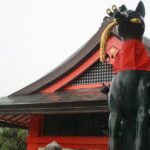
Deer, temples, and a calm guided day. This private Nara trip is built around the big emotional hits: Nara Park with its free-roaming deer, plus the kind of guided flow that keeps you from feeling rushed or lost.
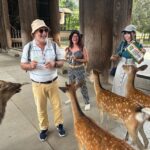
I especially love the deer feeding moment—simple, memorable, and perfect for photos with the temples in the background. The pacing also feels relaxed, since it’s a private group day instead of a cattle-car schedule.
My second favorite part is the guidance from Masa, the English-speaking guide born and raised in Japan. He explains what you’re seeing in a way that sticks, including the difference between temples and shrines, and he’s flexible when you want small adjustments. If your group includes Spanish speakers, you may even get printed help in Spanish, which makes the day feel instantly more comfortable.
One thing to consider: this is a 6-hour door-to-door style day with train time built in, and lunch is only a stop, not something included. Also, transportation costs aren’t included in the tour price, so you’ll want to plan for those extra items up front.
In This Review
- Key highlights worth planning around
- A private Nara day from Osaka: what you actually gain
- From your Osaka hotel to Nara: train time that keeps the day smooth
- Higashimuki Shopping Street: a short taste of local rhythm
- Kōfuku-ji (UNESCO): wooden temple grounds from 669
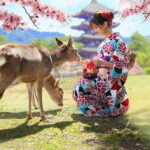
- Nara Park deer feeding: the photo moment that never feels forced
- Todai-ji and the Great Buddha: the stop that sets the emotional tone
- Himuro Shrine and Yoshikien Garden: the calmer side of Nara
- Lunch in Nara: what you need to know to avoid surprises
- Price and value: when $514 per group makes sense
- What Masa’s guiding style looks like in real life
- Who this tour fits best (and who might not)
- Should you book this Nara tour from Osaka?
- FAQ
- How long is the private Nara tour from Osaka?
- What is the price and group size?
- Where does the tour start and end?
- Which sites are included in the visit?
- Are entrance fees included?
- Is lunch included in the price?
- Is a guide provided, and what language?
- What should I bring for the day?
- Can I cancel for a full refund?
Key highlights worth planning around

- A private English guide (Masa) who can tailor the pace and answer lots of questions
- Kōfuku-ji (UNESCO) with the wooden temple grounds dating back to 669
- Nara Park deer feeding for those classic Nara photos
- Todai-ji and the Great Buddha—a 15-meter-tall bronze statue you can’t unsee
- A balanced mix of major sights and quieter stops like Himuro Shrine and Yoshikien Garden
A private Nara day from Osaka: what you actually gain

Nara is one of those places where you can either race through and collect stamps… or slow down and understand what you’re looking at. This tour chooses the second option. You start in Osaka, get train time handled, and then you move from one meaningful site to the next with a guide who can connect the dots.
For me, the value is the combination. You get the UNESCO stop at Kōfuku-ji, the iconic Todai-ji Great Buddha, and the “Japan cliché” moment that is still genuinely charming: feeding the deer in Nara Park. And because it’s private, you’re not stuck waiting for everyone to buy snacks or figure out the route.
The other practical win: hotel meet-up and return with your guide. That removes a lot of friction on a day trip, especially if you’re not staying near a major train line. It also means you can focus on the walking and photos without doing extra planning mid-day.
A few more Kyoto tours and experiences worth a look
From your Osaka hotel to Nara: train time that keeps the day smooth

The day begins with pickup at your Osaka hotel. Then you head by train for about 70 minutes. That commute matters, because it sets the tone. It’s not just a “transfer,” it’s time where you can settle in and let the itinerary start unfolding.
Once you arrive, you don’t waste time. You go right into a guided sequence that mixes shopping street atmosphere with temple visits. Then at the end, you take the train back for about 70 minutes and return to Osaka.
This is one of those tours where the time math works best if you’re comfortable with a couple of walking stretches and temple-stroll pace. It’s not described as an endurance tour, but it does come with the kind of shoe-and-water needs you’d expect: bring comfortable shoes and plan to use your camera.
Higashimuki Shopping Street: a short taste of local rhythm

Before the big temple moments, you spend about 20 minutes at Higashimuki Shopping Street. This stop is short on purpose. It’s enough time to get your bearings and taste the local street vibe without stealing time from the major sights.
In practice, this means you can handle small things like grabbing a drink or checking out traditional shops while your guide keeps you moving. If you like travel days where culture starts before the first landmark photo, this quick street stop helps.
It also helps with mood. Temple days can feel intense. This gives you a softer transition, so when Kōfuku-ji opens up in front of you, you’re ready for it.
Kōfuku-ji (UNESCO): wooden temple grounds from 669
Kōfuku-ji is the UNESCO World Heritage Site on this route, and it’s timed for a focused visit of about 30 minutes with your guide. The temple was originally built in 669, and the setting is known for its impressive wooden architecture and important cultural treasures.
What I like here is that the tour doesn’t treat Kōfuku-ji like a checkbox. Your guide walks you through what to notice, so you’re not just snapping pictures of the general silhouette. You learn enough context to understand why this site matters for Nara’s identity as Japan’s earliest permanent capital.
A practical note: temple grounds can vary in shade and walking surfaces. Bring sunscreen and water, and keep your camera ready, because the architecture details are exactly the kind that look better when someone points out what you’re actually looking at.
Nara Park deer feeding: the photo moment that never feels forced

Then comes the part people remember later: Nara Park. You spend about 30 minutes here with your guide, and the highlight is the chance to feed the deer.
These deer are free-roaming and considered sacred messengers of the gods—part of Nara’s long-running tradition. The result is that the interaction doesn’t feel random. It feels like you’re stepping into a living custom rather than staging a tourist moment.
For photos, this stop is a win because it’s naturally photogenic. You get deer up close, plus wide views of the surrounding area, which gives your pictures depth. It’s also one of the few sightseeing segments where you can slow down without feeling like you’re falling behind.
Quick consideration: don’t plan this segment like a fast “grab and go.” If you want decent deer pictures, give yourself time for that brief chaos—especially when deer are curious and several are in the same frame.
Other private tours in Kyoto


Todai-ji and the Great Buddha: the stop that sets the emotional tone
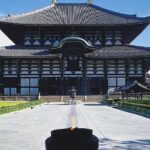
Todai-ji is one of Japan’s most iconic landmarks, and it’s given a solid guided block of about 1 hour. This is where the tour delivers its biggest visual payoff: the Great Buddha (Daibutsu), one of the largest bronze Buddha statues in the world, standing at 15 meters tall.
I like that your guide frames Todai-ji beyond the photo. You learn about its founding in the 8th century and its significance as a symbol of Buddhism in Japan. When you understand that, the size of the statue stops being just a wow moment and becomes part of why Nara mattered in the first place.
Also, your guide can help you sort out what you’re seeing. One review detail that matches the way the tour is designed: Masa teaches the difference between temples and shrines. That matters here, because Todai-ji can feel like a whole world of structures and sacred spaces, and you’ll enjoy it more if the categories click in your head.
If you’re the type who loves asking questions, this is the part to do it. There’s enough time to wander with purpose instead of hovering near the first viewing spot.
Himuro Shrine and Yoshikien Garden: the calmer side of Nara
After Todai-ji, the day doesn’t just keep sprinting toward more crowds. You add two additional stops that round out the experience.
Himuro Shrine gets about 20 minutes of guided time. Then Yoshikien Garden is another 20 minutes. These segments are useful because they give your brain a break after the big landmark intensity.
This is also where the private format shines. You’re not forced to treat every location like a race to the final photo angle. The tour is still structured, but the guide’s flexibility helps you enjoy the slower moments instead of only collecting highlights.
From a “value” point of view, these smaller stops help the tour feel like a whole day, not a hit-list. They’re the kind of segments that make the afternoon feel like part of Nara, instead of just travel between icons.
Lunch in Nara: what you need to know to avoid surprises
You’ll have a 1-hour lunch stop at a local restaurant, but meals are not included in the price. The tour notes that lunch stops are made, yet not paid for by the tour itself.
This is normal for private tours, but it does affect value. To make this day feel like a bargain instead of a nickel-and-dime situation, pick a lunch plan when you arrive. If you have dietary needs, tell your guide early so you don’t scramble later.
A practical tip: treat lunch as part of your pacing. Don’t cut it too short, because you still have temple and garden time afterward, and it’s easier to enjoy the second half when you’re not running on empty.
Price and value: when $514 per group makes sense
The price is $514 per group up to 6 people, and the duration is 6 hours. That number looks straightforward until you think about what’s included.
Included items:
- Entrance fees to all the mentioned sites
- Hotel meet-up and return with your guide
- An English-speaking guide born and raised in Japan
Not included:
- Transportation fees
- Meals and beverages
- Optional guide gratuity
Here’s how I’d evaluate value: if you’re traveling with more than one person, a private guide can actually be more cost-efficient than booking separate tickets or trying to DIY an organized day. Entrance fees also add up on a temple-heavy route, so including them helps.
The other value is time and stress reduction. With hotel pickup and a guided sequence, you spend your energy on Nara instead of route planning. If you’ve ever tried to coordinate a day trip on your own and ended up running between train connections, you’ll understand why that matters.
What Masa’s guiding style looks like in real life
Masa comes through in the details that make a guided day feel smooth. The recurring theme is clarity and hospitality. He’s described as punctual and very polite, and he’s able to explain things in a way that makes the sights easier to understand on the spot.
You also get the kind of flexibility that matters during real travel. If you want extra time for snacks, he can adjust. And if you reach out in advance about an extra destination, he can accommodate it when possible.
Another small but meaningful detail: he may share printed info in another language for some groups, which helps you keep up without guessing. That kind of support turns temple visits from “watch and hope” into “understand what you’re seeing.”
Who this tour fits best (and who might not)
This private Nara day is a strong match for:
- People who want Todai-ji and Kōfuku-ji without navigating the details on their own
- Anyone who likes deer and photos, but also wants context instead of just a quick feed-and-run
- Groups up to 6 who want a personalized pace and Q&A time
It might be less ideal if:
- You want zero guidance and prefer to roam entirely on your own schedule
- You’re trying to pack Nara into the cheapest possible budget and don’t want to account for train and lunch costs
If you care more about comfort and understanding than maximizing the number of stops, this format is right in its wheelhouse.
Should you book this Nara tour from Osaka?
I’d book it if your goal is a guided, photo-friendly Nara day that hits the big icons and still leaves room to breathe. The combination of Kōfuku-ji (UNESCO), Todai-ji with the Great Buddha, and the deer-feeding experience is exactly the kind of trio that becomes more enjoyable with a guide who can explain what you’re seeing as you go.
It’s also worth considering if you want a private format with an English-speaking guide from Japan and a day plan that runs smoothly from hotel to train to sights and back. Just go in knowing lunch and transportation are separate, and wear shoes you can trust.
If you want Nara to feel like a story you understand—not a list you complete—this is a very sensible way to do it.
FAQ
How long is the private Nara tour from Osaka?
The tour duration is 6 hours.
What is the price and group size?
It costs $514 per group for up to 6 people.
Where does the tour start and end?
The guide does hotel meet-up and return with the guide, with the tour returning you to Osaka.
Which sites are included in the visit?
You’ll visit Higashimuki Shopping Street, Kōfuku-ji, Nara Park, Himuro Shrine, Todai-ji, and Yoshikien Garden.
Are entrance fees included?
Yes. Entrance fees to all mentioned sites are included.
Is lunch included in the price?
Lunch is not included. You’ll have a 1-hour lunch stop at a local restaurant, but meals and beverages cost extra.
Is a guide provided, and what language?
Yes. You get a live English-speaking guide (also available in Japanese).
What should I bring for the day?
Bring comfortable shoes, a camera, sunscreen, and water.
Can I cancel for a full refund?
Yes. You can cancel up to 24 hours in advance for a full refund.
![[Kyoto Street Shot] Recording every wonderful moment of travel with shutter (free kimono experience) - What the photographers do for you (and why that’s the point)](https://kyotoguide.info/wp-content/uploads/2026/05/kyoto-street-shot-recording-every-wonderful-moment-of-travel-with-shutter-free-kimono-experience.jpg)