Kyoto in one carefully planned day. If you want control of your route without the stress of trains, maps, or language, this private car day is built for you. I like that you can start with a recommended hit list (like Arashiyama + temples) and then reshape it around your own pace, shopping habits, and snack priorities. I also like the practical setup: hotel pick-up/drop-off in the Kyoto urban area, plus a comfortable ride so you can spend your energy walking instead of navigating. The main drawback to keep in mind is that there’s no guide or translation—your driver can help, but they’re not a full-time interpreter or structured host.
This is the kind of Kyoto experience that works best when you already know the places you want to see (or you’re willing to decide quickly in the car). Some drivers are described as punctual and helpful—one named Ben was praised for city familiarity and even recommending what became a perfect traditional lunch. Other situations sound more hands-off, with limited guidance on how long to spend at each stop, so go in ready to manage your own time.
If you’re traveling as a group that can fit the vehicle comfortably—and you like the idea of adjusting the day as traffic and lines change—you’ll probably find this a smart value. Just note that the schedule is flexible, but it’s still a 10-hour day with multiple major areas, so you won’t have time to wander forever without consequences.
In This Review
- Key Points Worth Knowing
- Kyoto on Your Schedule, With a Private Driver
- Price and Logistics: What the $509 Covers in a 10-Hour Day
- Pickup Rules and Where “Urban Areas” Matter
- Seat Comfort and Luggage Limits (6/9/13 Car Math)
- How Customization Actually Works (and How to Make It Work for You)
- Arashiyama: Bamboo Forest Time and Togetsukyo Views
- Kinkaku-ji: Golden Temple Visit Without the Transit Headache
- Nishiki Market Lunch and Snack Shopping Hour
- Kiyomizu-dera and the Ninenzaka/Sannenzaka Slopes Walk
- Gion, Nijo Castle, and Fushimi Inari: Three Different Kyoto Tempos
- Driver Support: When It Feels Like a Service and When It’s Just a Ride
- Value Check: Who This Kyoto Private Day Tour Fits Best
- Final Call: Should You Book This Kyoto Private Day?
- FAQ
- Can I customize my itinerary in Kyoto?
- Does the tour include a guide or translation?
- What’s included in the price?
- Are admission tickets and food included?
- Where can you pick me up and drop me off?
- How does extending the tour beyond 10 hours work?
- How many people and luggage fit in the car?
- Is this tour wheelchair accessible?
Key Points Worth Knowing
- Custom itinerary planning: choose your own Kyoto urban-area stops or start from a suggested route
- Private car, real pickup convenience: flexible pick-up/drop-off options from Kyoto/Osaka/Nara/Kobe
- Driver support varies: some drivers are very talkative and recommend places; others act mainly as a driver
- 10 hours + easy adjustments: change timing and routes even while traveling (within Kyoto urban area)
- Car size matters: luggage limits differ by 6/9/13-seat vehicles, and seats may feel tight for some groups
- No admission tickets or guide language support: you’re paying for transport + time, not tickets or interpretation
Kyoto on Your Schedule, With a Private Driver
Kyoto is one of those cities where “see it all” can turn into “rush to keep up.” This tour tackles that by removing the biggest friction points: getting from one neighborhood to the next, figuring out the best transit route, and dealing with Japanese place names when you’re tired. You still walk a lot—temples and streets are always a mix of stairs and sidewalks—but at least you control the day.
The biggest practical win here is customization. You can use the recommended route, or you can build your own plan by picking your must-sees in the Kyoto urban area and sending special requests. The provider then helps draft an itinerary and can make advanced reservations if needed. And if something changes—traffic, weather, or your group’s energy—you can adjust the plan while you’re in the vehicle (as long as you stay within the Kyoto urban area).
The second big win is the private car setup. Air-conditioned, with highway tolls and parking included, it’s designed so you’re not negotiating taxis or waiting for transit transfers. For a 10-hour day, that’s a lot of momentum—especially if you’re traveling as a couple, family group, or a small group of friends.
Other guided tours in Kyoto

Price and Logistics: What the $509 Covers in a 10-Hour Day
The price is $509 per group up to 6 people for 10 hours. That phrasing matters: you’re not paying per person for the car. If you have a group that can share the ride, the math can look very reasonable compared with multiple taxis or private transfers each time you change areas.
What’s included is straightforward and useful:
- Air-conditioned private transportation
- 10 hours of service (with the option to extend for a charge)
- Highway tolls and parking
- Hotel pick-up and drop-off (with the pickup rule described below)
What’s not included is also important so you don’t get surprised:
- Admission tickets
- Food and drinks
- Any extra time beyond 10 hours (with different hourly rates depending on vehicle size)
- A night service fee if your tour goes after 21:00 local time
- The tour does not include translation or a formal tour guide
There’s also a “flexibility vibe” in the booking offer: free cancellation up to 24 hours in advance for a full refund, and a reserve-now, pay-later option. That’s handy if you’re still sorting out your Kyoto day based on weather or crowds.
Pickup Rules and Where “Urban Areas” Matter
This is one of those tours where the details decide whether it feels effortless or annoying. Pick-up and drop-off options include Osaka, Kobe, Nara, and Kyoto. But there’s a rule: pick-ups are only available for customers living in Kyoto/Osaka/Kobe urban areas. For Osaka and Kobe, pick-up happens at the port, not at random hotel addresses.
So if you’re basing yourself outside those urban zones, you’ll want to confirm your exact pick-up location. The provider will contact you in advance to confirm tour details like passenger count and luggage quantity (with 24-inch luggage as the default assumption). Then, the day before, you receive the driver’s phone number and the driver waits at the scheduled time.
Seat Comfort and Luggage Limits (6/9/13 Car Math)
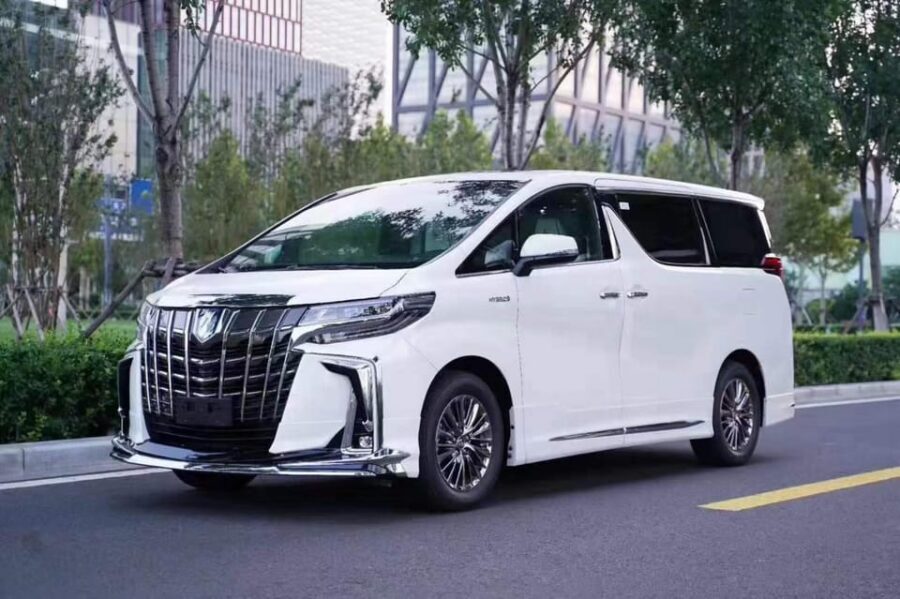
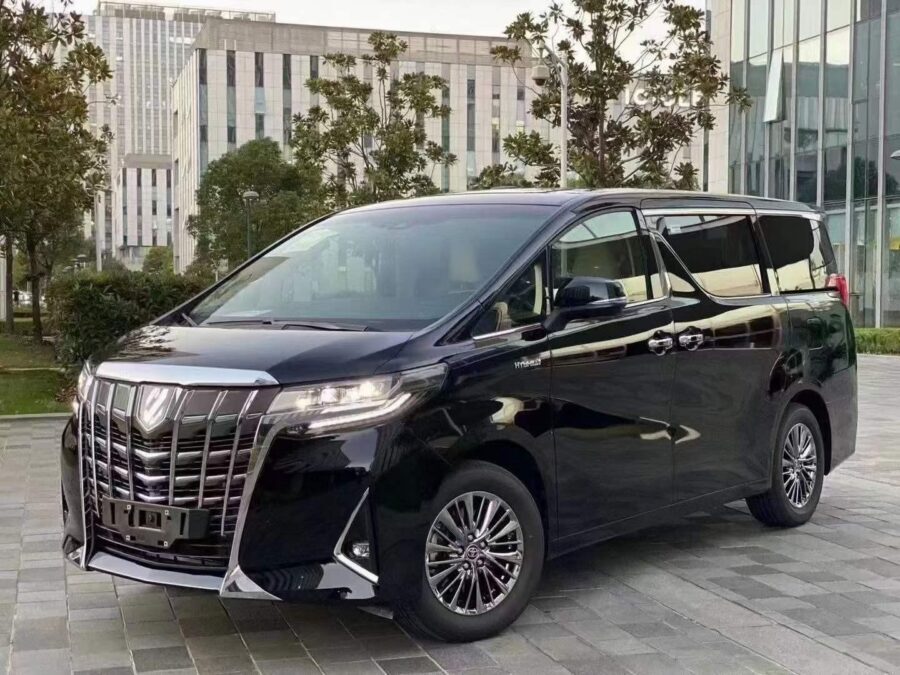
You’ll get a 6-seat, 9-seat, or 13-seat car depending on your group size. This matters because luggage capacity is not “whatever fits”—it’s explicitly limited:
- 6-seat car: 6 people and 4 luggage pieces
- 9-seat car: 9 people and 10 luggage pieces
- 13-seat car: 13 people and 6 luggage pieces
The luggage default is 24 inches. If you’re traveling with bigger suitcases or multiple carry-ons per person, you should plan around that.
Comfort is another reality check. One report notes that when a group of 6 used a 6-seater (including driver), the back seats were shaped more like space for two than three adults. Translation: it may still work logistically, but it might not feel roomy for everyone. If comfort matters most, you might consider a larger vehicle option if available for your party size.
How Customization Actually Works (and How to Make It Work for You)
Here’s the good part: customization is not just a marketing line. You can fully customize your own itinerary in the Kyoto urban area, or you can use the recommended route. If you go custom, you choose your favorite attractions and share other special requests, and the team helps plan the route and draft an itinerary. If reservations are needed, they can help arrange advanced reservations.
Also, you can change the plan “even while traveling on the vehicle.” That’s huge in Kyoto, where one area can get crowded fast and lines can change depending on the time of day. The schedule is a reference point only, and the actual timing can shift due to traffic, visitor flow, and visit times.
My practical advice: decide in advance how you want to spend your time—temples and views, traditional streets and shopping, or a mix. Then, in the car, treat the driver like your logistics partner, not a guide. If you want lunch recommendations or photo spots, bring up your interests and ask for suggestions—but be ready to advocate for your must-do stops if timing gets tight.
Other private tours in Kyoto


Arashiyama: Bamboo Forest Time and Togetsukyo Views
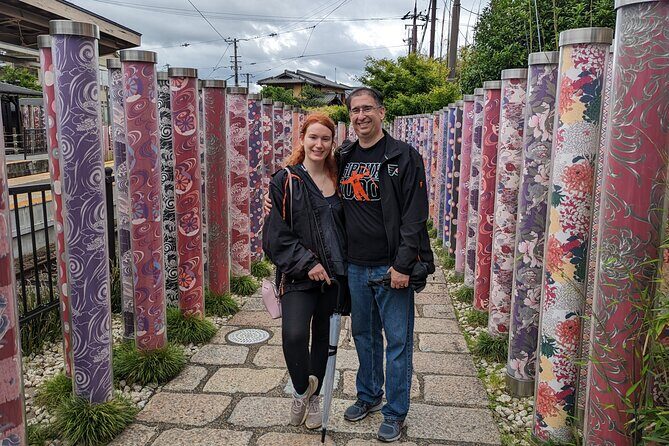
Arashiyama is often the most “iconic Kyoto” feeling part of the day, and this route gives you a practical chunk of time for it. The recommended Arashiyama flow includes:
- Bamboo Forest Trail (Bamboo Forest Trail)
- Arashiyama Park
- Internet Celebrity Coffee
- Togetsukyo Bridge
- Tenryuji Temple
You get around 2 hours of free time in Arashiyama. That’s enough to hit the bamboo path and get to Togetsukyo Bridge for that classic riverside view, but it won’t be enough for a slow, deep wander of every side street. If bamboo is your priority, plan your walking path in your head before you arrive so you’re not backtracking.
One smart approach: think of Arashiyama as three zones. Bamboo path for the atmosphere, the bridge for the photo and river perspective, and Tenryuji Temple for the calmer, temple-focused pacing. If your group is shopping-minded, use the “celebrity coffee” stop as a quick break rather than a destination that steals your whole morning.
Kinkaku-ji: Golden Temple Visit Without the Transit Headache
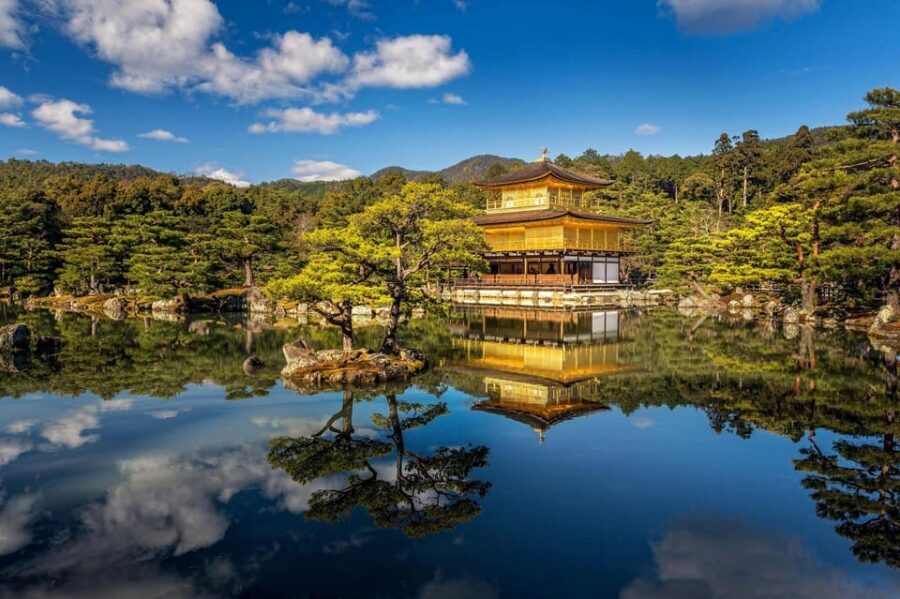
After Arashiyama, the day moves to Kinkaku-ji for about 1 hour. Even with a driver, this is one of those places where “just an hour” can feel short if you stop to read everything and take your time on photos. But as a first pass, it’s a great way to check the most recognizable Kyoto landmark off your list without turning your whole day into a single-site endurance test.
What I like about pairing Kinkaku-ji right after Arashiyama is the contrast. Arashiyama tends to feel like outdoor Kyoto—green paths and river views—while Kinkaku-ji is temple architecture and landmark framing. You get two moods in one run.
My caution: protect your photo timing. If you hit it during a very busy window, you’ll spend part of your hour simply moving through people. Still, it’s a strong use of time because you won’t be stuck planning transit in real time.
Nishiki Market Lunch and Snack Shopping Hour
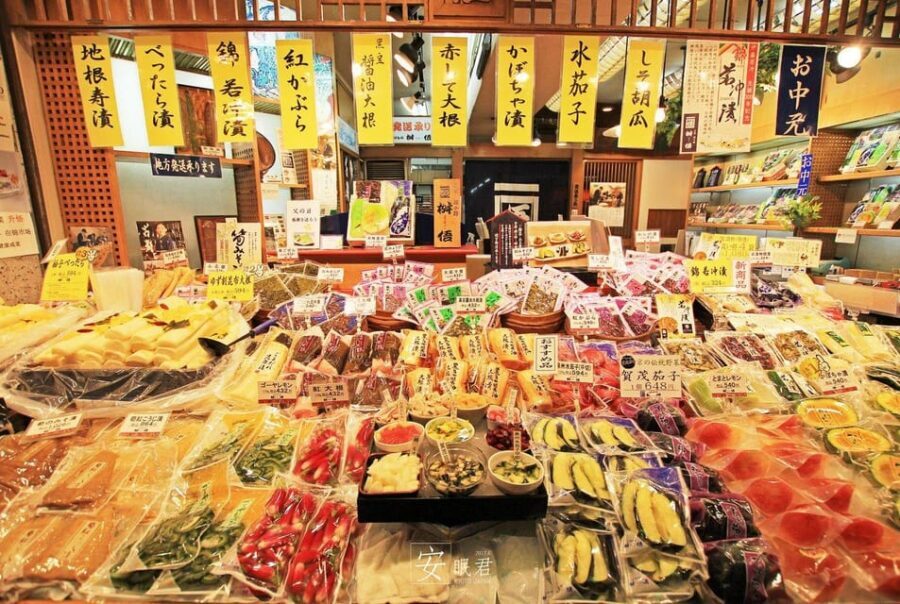
Next up is Nishiki Market for about 1 hour, including lunch, street food, local snacks, and shopping time. Nishiki is one of Kyoto’s best “short immersion” stops because it’s compact enough to explore without needing a long commitment.
This is a good place to go hunger-first. Even if you don’t plan an elaborate meal, you can treat it like a buffet of ideas: quick bites, taste comparisons, and a few souvenirs that actually relate to food culture. The schedule also mentions a “tapas” style time here, which fits how many people experience markets—small plates, not a formal sit-down.
If your group has mixed tastes (one loves sweets, another wants savory), give everyone a small mission: pick one thing to try that you’ve never had before. That keeps shopping from turning into everyone waiting around.
Kiyomizu-dera and the Ninenzaka/Sannenzaka Slopes Walk
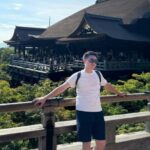
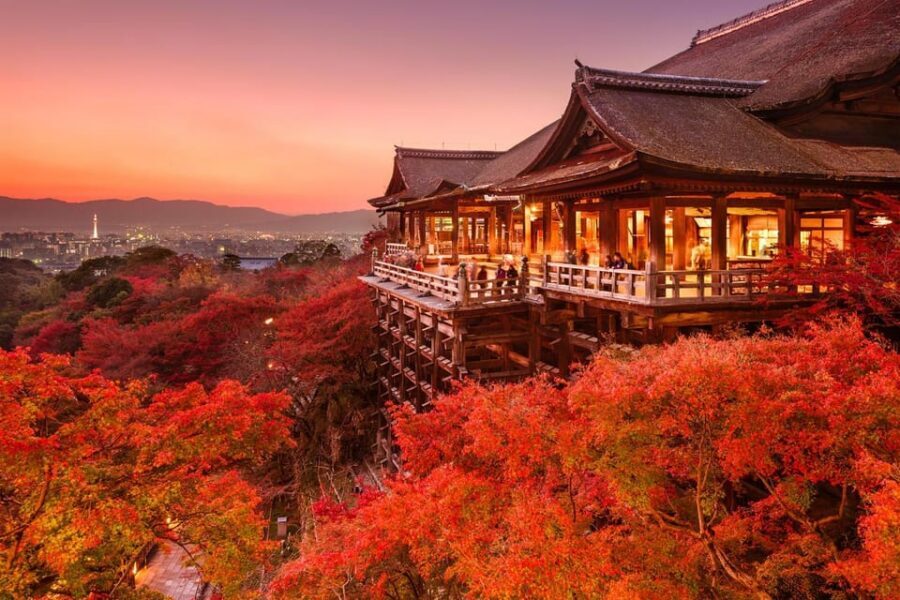
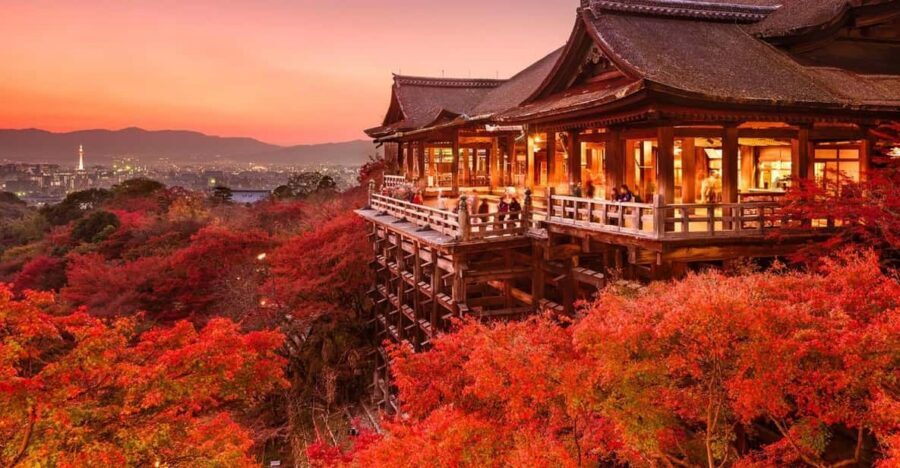
Then you’ll move to Kiyomizu-dera for about 1 hour. This stop is not just about the temple itself; it’s about the scenic approach and the way the area slows you down. The schedule also includes time for Ninenzaka and Sannenzaka Slopes, where shopping and street scenery take over.
In practice, this pair works because you don’t have to decide whether you want temples or traditional streets—you get both. Kiyomizu-dera gives you the landmark and the viewpoints. The slopes give you the old-street energy and the shopfront choices.
The only real drawback: this area can be crowded, and the walking can add up fast. Use your hour like a plan, not a hope. Pick your viewpoint target, enjoy the shops on the way, and don’t treat every store as a must-enter. Your day will stay fun that way.
Gion, Nijo Castle, and Fushimi Inari: Three Different Kyoto Tempos
After the Kiyomizu area, the itinerary continues with a fast-moving but varied set of neighborhoods:
Gion (about 1 hour)
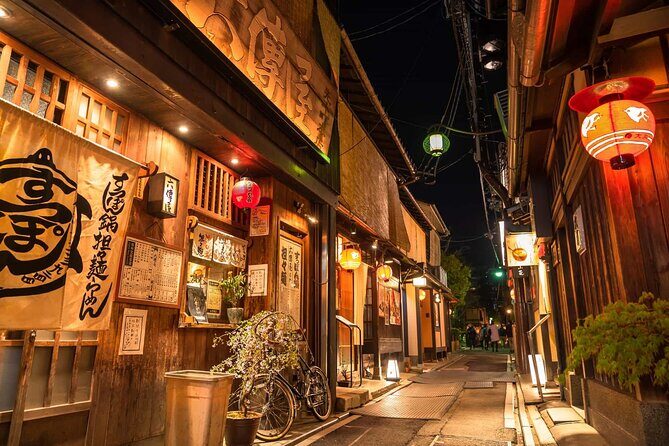
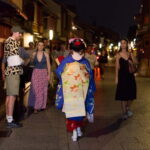
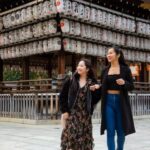
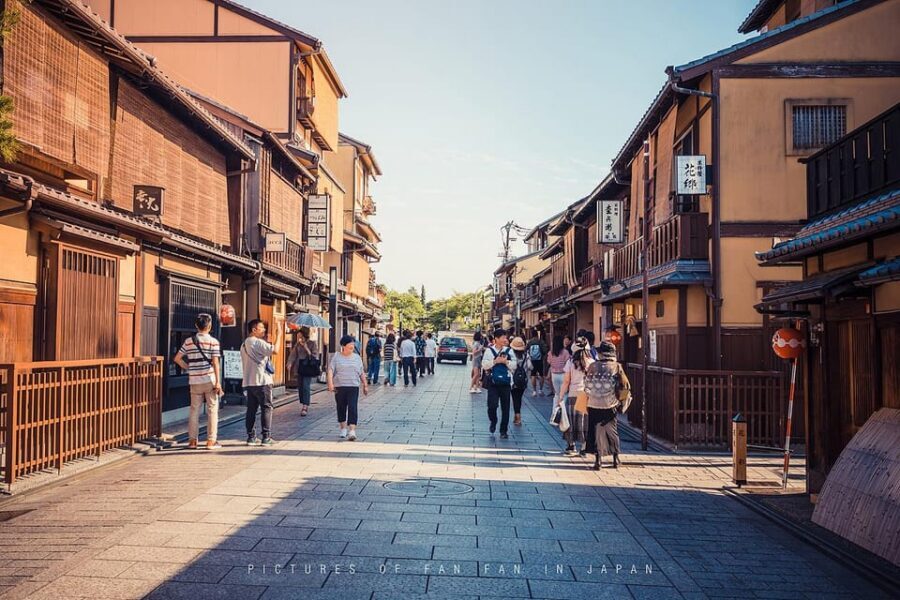
Gion is a classic Kyoto atmosphere stop—more street and mood than museum time. You’re not trying to “finish” Gion. You’re trying to experience it: narrow streets, historic vibe, and a slower pace window.
Nijo Castle (about 1 hour)
Nijo Castle is more structured than Gion. Expect more walking inside and around a fixed attraction. With only an hour, treat it like a highlight visit: focus on the main sections and save deeper exploration for another trip.
Fushimi Inari Taisha (about 1 hour)
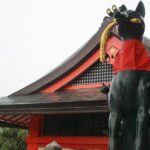
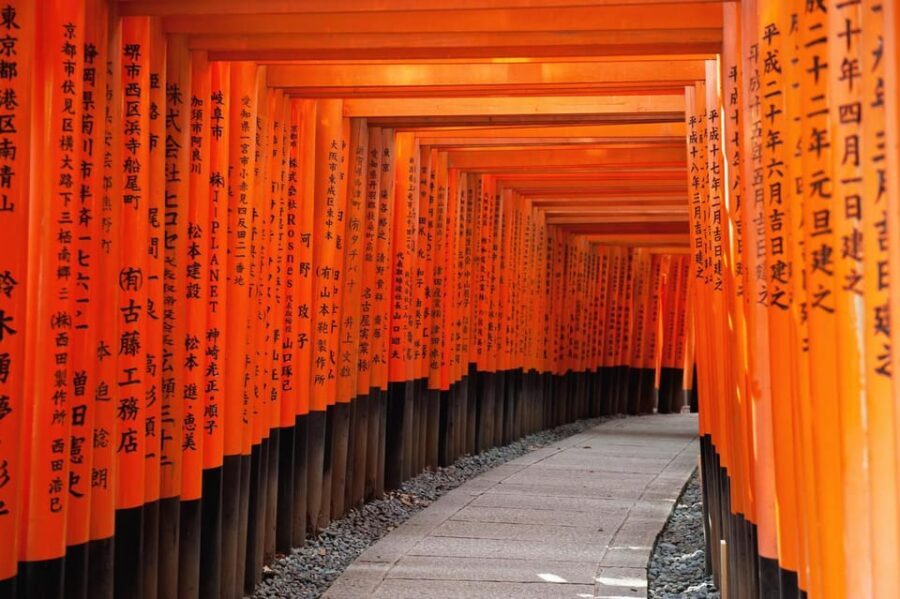
Fushimi Inari is the final big iconic moment. One hour is just enough to walk in, enjoy the torii corridor feeling, and then turn back before your energy collapses. This is also the easiest place to get pulled off course by side paths, photos, and the urge to keep going. Decide ahead how far you want to go.
This sequence—Gion, Nijo Castle, then Fushimi Inari—gives your day a sense of direction: streets to castles to shrine tunnels. But it also means you’ll be shifting gears constantly. If you’re the kind of traveler who hates time pressure, you might consider dropping one of these stops and spending longer in the other two.
Driver Support: When It Feels Like a Service and When It’s Just a Ride
Because there’s no tour guide and no translation provided, the driver can become the biggest “experience multiplier” on the day. The best-case scenario looks like this: a punctual, helpful driver who gives tips and practical guidance. One example named Mrs. Pan was praised for punctuality and tips. Another named Ben was praised for being familiar with the city and recommending a traditional lunch that turned out to be a standout.
The less-perfect scenario is when you get a driver who’s more like a chauffeur with minimal interaction—no introduction, no briefing, and little help on how long to spend at each location. One report even included a situation where the driver told the group the bamboo forest was too far, despite it being part of the plan. That’s a strong reminder: the tour can be flexible, but you should be ready to say what you want to see and push for it if you truly made it a priority.
So how do you make this work in your favor?
- Share your “must-do” list early (bamboo, Kinkaku-ji, Kiyomizu, etc.)
- Ask how much walking to expect and whether timing is likely to be tight
- Use the car time to confirm your priorities so you don’t waste precious minutes once you arrive
Value Check: Who This Kyoto Private Day Tour Fits Best
This tour is a good fit if you want:
- One full day that hits major Kyoto areas without planning transit
- Personal control over the itinerary within Kyoto urban areas
- A private car solution for groups up to 6 (and options beyond, depending on vehicle size)
- Comfort-focused sightseeing where you can adjust timing on the fly
It’s less ideal if you want a guided, narrated temple experience in English/Japanese/Chinese—because translation or tour guides are not provided. It’s also not perfect if you’re traveling with large baggage and need guaranteed space beyond the listed luggage limits.
Finally, the price is group-based. If you’re traveling solo or as a couple, you may still enjoy the convenience, but the value feels best when you split the car cost across multiple people.
Final Call: Should You Book This Kyoto Private Day?
I’d book this if your dream Kyoto day is about seeing key places while keeping your own pace—especially if you don’t want the mental load of transit schedules and route planning. The combination of private transportation, custom itinerary support, and flexibility while on the road is exactly what makes a 10-hour day feel less exhausting.
Don’t book it blindly if you’re expecting a true guide who will explain each site and manage your timing for you. You’ll get a car and a driver; you’ll need to bring your plan, your preferences, and your questions.
If you want a smooth, efficient Kyoto highlights day with real room to personalize, this is a solid choice. Just go in with clear priorities, and you’ll get the day you paid for: more walking at the right places, less time stuck in logistics.
FAQ
Can I customize my itinerary in Kyoto?
Yes. You can fully customize your own itinerary within the Kyoto urban area, or use a recommended route. If you customize, you share your preferred attractions and special requests, and they help plan and draft the itinerary.
Does the tour include a guide or translation?
No. The tour does not provide translation or tour guides. You’ll have a professional driver for transportation and logistics, but not guided commentary.
What’s included in the price?
Included are an air-conditioned private vehicle, hotel pick-up and drop-off, 10 hours of services, highway tolls, and parking fees. The first baby seat is free (if you request it).
Are admission tickets and food included?
No. Admission tickets and food and drinks are not included.
Where can you pick me up and drop me off?
Pickup locations include Osaka, Kobe, Nara, and Kyoto. For Osaka and Kobe, pick-up is at the port. Drop-off is also available in Osaka, Kobe, Nara, and Kyoto. Pickup availability depends on being in urban areas.
How does extending the tour beyond 10 hours work?
The tour offers 10 hours of service and can be extended with a charge. Overtime costs 5,000 yen per hour for 6/9-seat vehicles and 10,000 yen per hour for 13-seat vehicles.
How many people and luggage fit in the car?
Vehicles come in 6/9/13-seat options with different luggage limits: 6-seat cars fit 4 pieces of luggage, 9-seat cars fit 10 pieces, and 13-seat cars fit 6 pieces. Default luggage size is listed as 24 inches.
Is this tour wheelchair accessible?
Yes, it is wheelchair accessible.