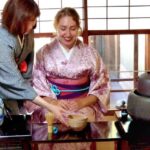
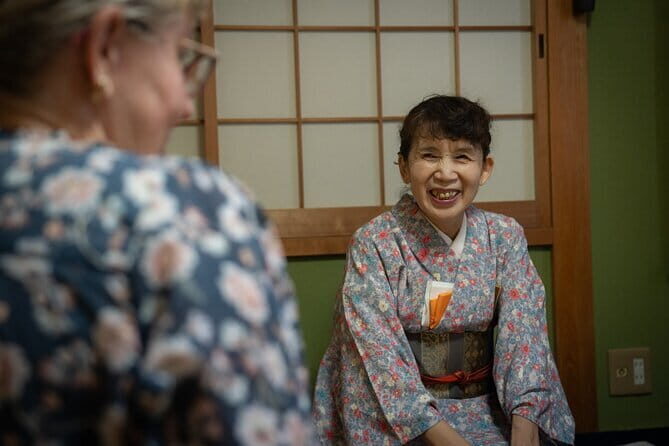
Matcha feels different when you make it. In Kyoto, this tea ceremony is built for real participation, not passive watching, led by Chisato and her decades of tea know-how. I like that it’s designed to be welcoming for beginners while still feeling traditional.
My favorite part is the hands-on matcha: you’ll learn the steps and (if you want) whisk your own tea with guidance. You also get wagashi (Japanese sweets) included, so the ceremony lands as a full sensory experience, not just a lesson.
One consideration: the experience is not wheelchair accessible. If that affects your plans, it’s worth looking for another format in Kyoto.
In This Review
- Key things to know before you go
- Where a Kyoto tea ceremony actually becomes personal
- Meeting at Tea Ceremony Experience Chisato67-23: easy to time with the rest of Kyoto
- What you do during the matcha ceremony (and what to focus on)
- Wagashi + matcha: why the sweets matter
- The vibe: small group, gentle pace, and lots of room for questions
- Price and value: is $39.09 a good deal in Kyoto?
- What to bring (and what to skip)
- Who should book this tea ceremony in Kyoto?
- Should you book this Kyoto tea ceremony?
- FAQ
- How long is the Kyoto tea ceremony experience?
- Where is the meeting point?
- Is the experience in English?
- Will I be able to make my own matcha?
- What’s included in the price?
- Is a kimono included?
- What group size should I expect?
- Is it wheelchair accessible?
- What is the cancellation policy?
Key things to know before you go
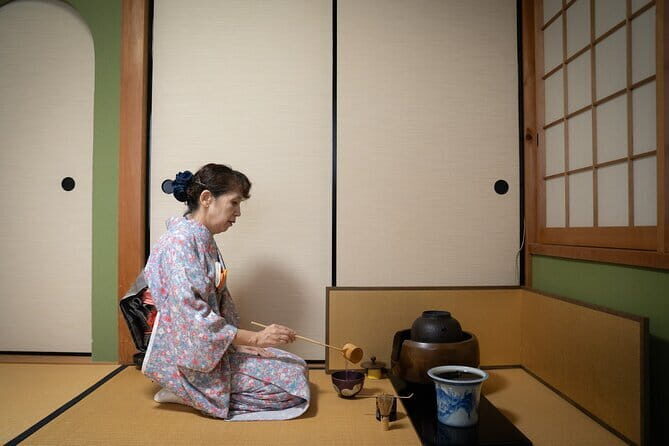
- You can make your own matcha if you want, guided step-by-step
- Chisato leads the session, and her long experience shows in the pace
- Wagashi is included, so you taste the ceremony, not just observe it
- Small group (max 6), which keeps questions and feedback manageable
- Meeting point is walkable from Demachiyanagi Station and the Kamogawa Delta area
Where a Kyoto tea ceremony actually becomes personal
Kyoto tea culture can feel like a locked-door tradition from the outside. This experience tries to change that. The goal is simple: lower the barriers so you can understand what’s happening and why it matters, even if you’ve never held a tea whisk before.
What makes it interesting is the balance between structure and ease. You get a clear sequence to follow (matcha preparation, whisking, and serving), but you’re also encouraged to slow down and pay attention to the intention behind the movements. That mindset piece isn’t fluff. It’s the reason a tea ceremony can feel calmer than sightseeing.
And unlike the usual “watch and leave” format, you’ll have the option to make your own tea. That single choice tends to turn a nice cultural activity into something you’ll remember.
A few more Kyoto tours and experiences worth a look
Meeting at Tea Ceremony Experience Chisato67-23: easy to time with the rest of Kyoto
You meet at Tea Ceremony Experience Chisato67-23 Shimogamo Matsunokichō, Sakyo Ward, Kyoto, 606-0816, Japan. The location is convenient for a day you’re already planning in this part of the city.
Two practical anchors help you plan:
- It’s about a 15-minute walk from the Kamogawa Delta, a serene riverside area where locals and visitors like to slow down.
- It’s also about a 15-minute walk from Demachiyanagi Station, the starting area for day plans toward Kibune Shrine and Rurikou Temple.
So the ceremony works in multiple ways. If you want a calm pause before more shrine/temple walking, this fits. If you’re already using the Demachiyanagi area as your base, you can slot this in with minimal detours.
Also, it runs about 1 hour (approx.). That’s an ideal length in Kyoto—long enough to feel complete, short enough that you won’t lose the rest of your day to transit and timing.
What you do during the matcha ceremony (and what to focus on)
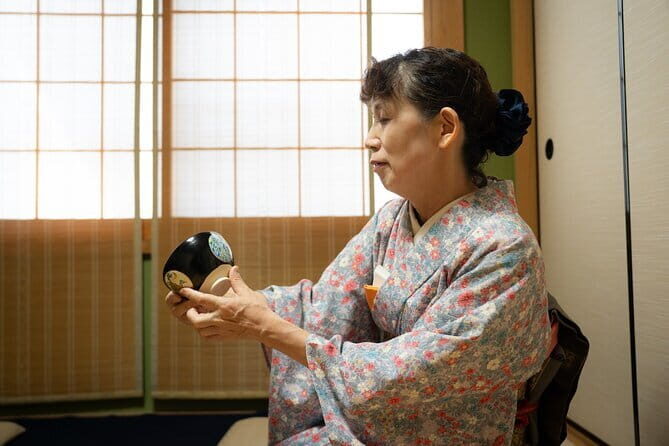
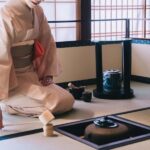
This tea ceremony centers on matcha preparation, taught by Chisato with over 30 years of experience. Even if the utensils and terms sound unfamiliar at first, the instruction is built to be accessible.
Here’s what you should expect in the flow:
- You’ll start with an explanation of how matcha is prepared and what each step is meant to accomplish.
- You’ll learn the core technique—whisking powdered tea—and the movements that go with it.
- If you choose to participate, you’ll make your own matcha using the guidance in real time.
- You’ll take part in the taste portion, paired with included wagashi (Japanese sweets).
The key practical takeaway: focus on the process, not perfection. The goal is learning the steps and understanding the rhythm, not producing a performance matcha.
One helpful detail from feedback: the session is done in English, but if you ask questions, keep them simple. Chisato is attentive and kind, and she’ll guide you—but Kyoto tea etiquette conversations go best when you’re clear and direct.
Wagashi + matcha: why the sweets matter
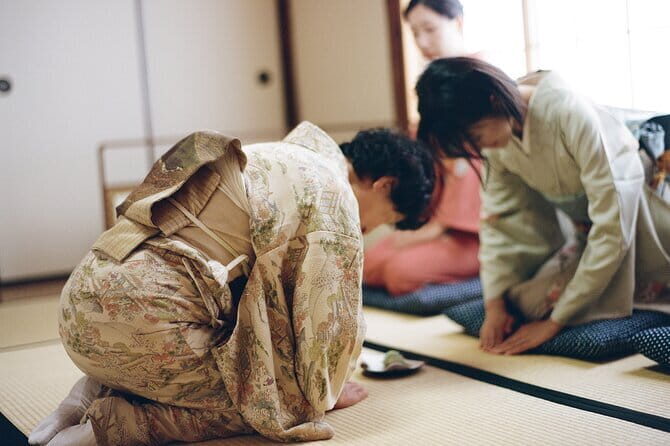
Matcha is the headline, but the ceremony isn’t complete without the sweets. You’ll receive wagashi, Japanese traditional sweets, included as part of the experience.
Why this matters: wagashi are meant to complement the tea. They give you a contrast—sweetness, texture, and sometimes a seasonal feel—that makes the matcha taste experience more balanced. In other words, you’re not just drinking green tea; you’re tasting a planned pairing.
If you have a sweet tooth, this part will feel like the reward after learning the whisking technique. If you don’t, think of the wagashi as part of the ritual logic: it slows you down and gives your brain a different sensation to track while you’re focusing on the tea.
The vibe: small group, gentle pace, and lots of room for questions
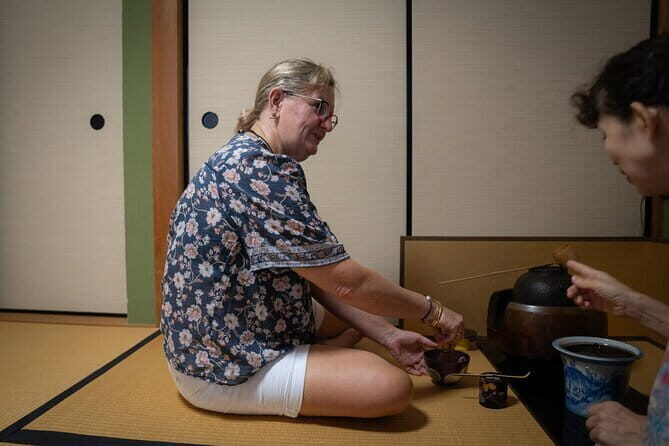
The group size is capped at 6 travelers, and that’s a big deal. Small groups mean fewer people competing for attention, which usually translates into:
- More time for you to actually practice whisking
- Easier back-and-forth if you’re confused about a step
- A calmer atmosphere overall
Chisato’s style comes through in how the session is described: she’s patient, and she explains things in a way that helps you stay present rather than rushing to “get it right.” One family-focused note: she’s also accommodating to small children, which suggests she can handle varied group needs without turning it into a stressful classroom situation.
For you, that means you can treat this as a hands-on cultural moment—not a test.


Price and value: is $39.09 a good deal in Kyoto?
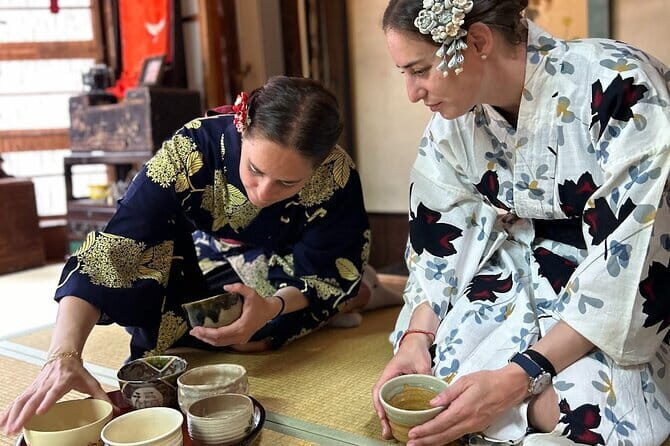
At $39.09 per person, this tea ceremony sits in a reasonable range for Kyoto, especially because it’s not only instruction—it includes what you use and what you taste.
Here’s what you’re getting for the price:
- Matcha (for making and tasting)
- Wagashi
- A guide with long experience (Chisato)
What you’re not getting:
- Kimono (not included)
- Tips (you may choose to tip, but they aren’t included)
The value angle is simple: you’re paying for a guided, structured matcha lesson that ends with you participating, not just observing. If you’ve ever done a “demo” type experience and left wishing you had tried the technique yourself, this format is built to solve that.
And because the session is about an hour, you’re not burning half a day. That makes it easy to justify within a sightseeing schedule.
What to bring (and what to skip)
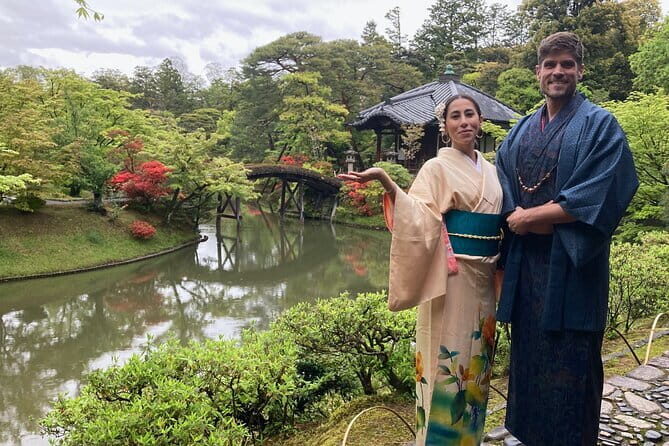
You don’t need fancy outfits for this, and kimono isn’t included. So you can dress normally and focus on comfort.
Practical things I’d do before you go:
- Wear layers if Kyoto weather is swinging (matcha rooms can vary in temperature).
- If you’re the type to get nervous in new settings, this is the kind of activity that rewards calm energy, so keep your questions simple and your expectations flexible.
- Bring basic curiosity. You’ll learn why the ceremony emphasizes attention and respect, not just how to whisk.
What you should skip:
- Renting a kimono just for this, unless you want it for photos separately. Since it’s not included, you’d be adding cost and planning.
Also, remember it’s not wheelchair accessible, so plan around that if needed.
Who should book this tea ceremony in Kyoto?
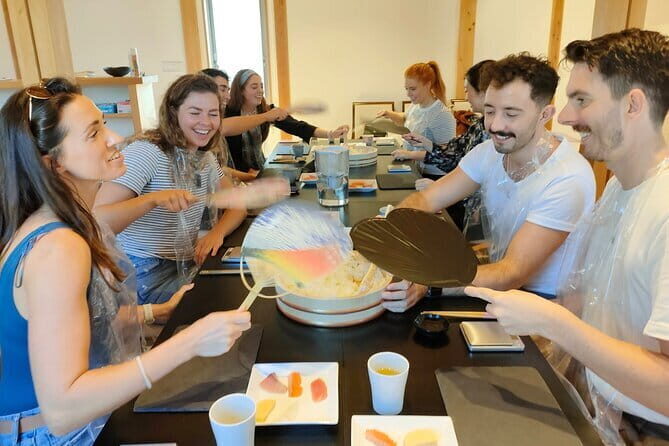
This is a strong fit for:
- First-timers who want a gentle, structured introduction to matcha culture
- Travelers who learn best by doing (since you have the option to make your own tea)
- Anyone planning around Demachiyanagi Station who wants an easy, calming add-on
- Families and mixed-age groups who want something that’s not overly rushed
It may feel less ideal if you already know matcha technique deeply and want an advanced, no-handholding study session. This experience is designed to lower barriers and make it accessible, so your goal here should be understanding and participation, not mastery.
Should you book this Kyoto tea ceremony?
Yes—if you want a real Kyoto cultural moment that’s calm, hands-on, and short enough to fit your day. The standout value is that you’re not just watching. With Chisato’s guidance, you can actually prepare your own matcha and pair it with included wagashi.
Book it especially if you’re near Demachiyanagi or the Kamogawa Delta and you want a reset between more active sightseeing. Skip it only if accessibility is a concern, since the experience isn’t wheelchair accessible.
FAQ
How long is the Kyoto tea ceremony experience?
It’s about 1 hour (approx.).
Where is the meeting point?
You’ll meet at Tea Ceremony Experience Chisato67-23 Shimogamo Matsunokichō, Sakyo Ward, Kyoto, 606-0816, Japan.
Is the experience in English?
The session is conducted in English, though you may need to ask questions simply.
Will I be able to make my own matcha?
Yes. Making your own tea is an optional highlight, and you’ll be guided through the steps.
What’s included in the price?
Matcha, wagashi (Japanese sweets), and the guide are included.
Is a kimono included?
No, kimono is not included.
What group size should I expect?
The experience has a maximum of 6 travelers.
Is it wheelchair accessible?
No, the experience isn’t wheelchair accessible.
What is the cancellation policy?
You can cancel for a full refund if you cancel up to 24 hours in advance of the experience start time.