Three cities in one day.
This private Kyoto–Nara–Osaka tour is built for travelers who want maximum variety without the stress of trains and connections. I like that it starts with hotel pickup in Kyoto (so you roll right into the sights) and ends with a flexible drop-off, letting you choose where you want to eat after.
What really makes it special is the mix of famous icons and calmer, less-frequented places. I love the Kyoto “wow” moments like Fushimi Inari-taisha with its long run of torii gates, plus the quiet temple feel you get at stops such as Rengeji Temple’s moss garden. And the guide, Takashi, is repeatedly praised for clear English communication and for steering your group toward good photo moments.
One consideration: the 3-city option can feel like a long day. The example route is described as about 12 hours, even while the listing shows around 7 hours for the overall activity length—so you’ll want to confirm which route timing you booked.
In This Review
- Key highlights I’d plan around
- The private Kyoto–Nara–Osaka format (and why it’s worth paying)
- Pickup in Kyoto: faster start, smoother pacing
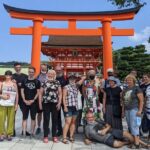
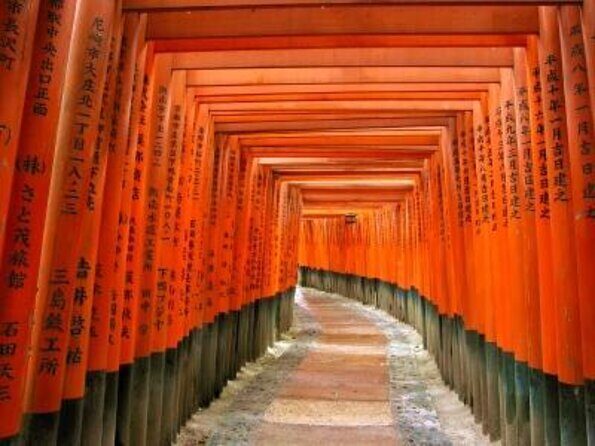
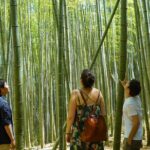
- Kyoto’s Fushimi Inari-taisha: torii gates plus bamboo-trail calm
- Rengeji Temple: the moss garden stop that feels like a timeout
- Myomanji Temple and its rock-garden structure
- Koryu-ji Temple: Korean-rooted origins and a survivor story
- Kinkakuji (Golden Pavilion): the famous stop, done with breathing room
- Koetsuji Temple: an art-focused break from the big names
- Nakamuraken dessert stop: Kyoto sweets that don’t feel like a tourist trap
- Matsuo Shrine: koi pond feeding and a local-neighborhood vibe
- The Kyoto-to-Nara move: what changes when you switch cities
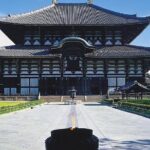
- Nara’s Todai-ji and the Great Buddha Hall
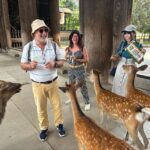
- Nara Park: feeding deer with crackers
- A secret temple in Nara with matcha tasting
- Osaka by foot: Dotonbori walking and local street dishes
- Abeno Harukas observatory: one big view to close the day
- Guide Takashi: clear English and photo-friendly guidance
- Price and value: what $329.02 per person buys you
- Who this tour fits best (and who should skip it)
- Should you book this Kyoto, Nara, Osaka private tour?
- FAQ
- Is hotel pickup available?
- How many people are in the group?
- How long is the tour?
- What stops are included in Kyoto?
- Are entrance fees included?
- Can I choose where I get dropped off?
- Do I receive a mobile ticket?
- Is free cancellation available?
- Is there an age requirement related to alcohol?
Key highlights I’d plan around
- Private group up to 9 people, with hotel pickup from Kyoto
- Fushimi Inari + temple circuit that includes quieter spots like Rengeji and Koryu-ji
- Kinkakuji (Golden Pavilion) plus more artistic temple grounds such as Koetsuji
- Food time that matches the places: Kyoto sweets at Nakamuraken and street eats in Osaka
- Takashi’s English and photo help, so you get more than just a walking checklist
The private Kyoto–Nara–Osaka format (and why it’s worth paying)
This is the kind of day that’s hard to reproduce on your own without a headache. You’re combining three cities, hitting major highlights, and still getting enough time at smaller places to actually enjoy them. The private setup matters here: it’s just your group, up to 9 people, so you’re not stuck waiting on strangers or splitting off at random.
Also, you’re not “trapped” at the end. The plan allows you to pick your drop-off location, which is a big deal in Japan. You can finish at a place that makes sense for dinner instead of getting dumped somewhere far from good options.
A few more Kyoto tours and experiences worth a look

Pickup in Kyoto: faster start, smoother pacing
If you’re staying in Kyoto, the pickup is designed to remove friction. You’re collected from your hotel area and taken directly to the sites, which means less time with station maps, platform confusion, and the mental load of transferring mid-day.
This kind of start helps you enjoy the day rather than manage it. Even if you’re a confident traveler, a day like this works better when the hardest logistics are handled for you. You’ll also have a mobile ticket, which is convenient if you like keeping things paper-free.
One small practical note: the route includes a mix of temples and walking. You’ll feel it more on a private day that runs from city to city, so wear shoes you can move in comfortably.
Kyoto’s Fushimi Inari-taisha: torii gates plus bamboo-trail calm
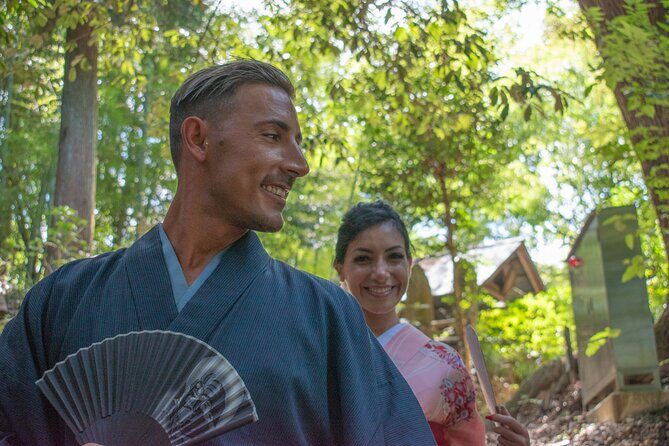
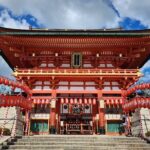
Fushimi Inari-taisha is the big signature stop in Kyoto, and it’s easy to see why. You’re walking through a world of thousands of torii gates, all arranged up a hillside. That tunnel-like effect is the main visual wow, but the experience is more than just a photo wall.
This stop also includes the shrine premises stretching across a full mountain area. You can expect a bamboo forest trail vibe and a quieter tone as you move away from the initial crowds. It’s also a great place to take breaks, just because the scenery gives your eyes something to do while your legs catch up.
Potential drawback: if you don’t love steep stairs and uneven paths, plan for slower movement. The tour gives you about 2 hours here, which is generous enough to linger without rushing.
Rengeji Temple: the moss garden stop that feels like a timeout
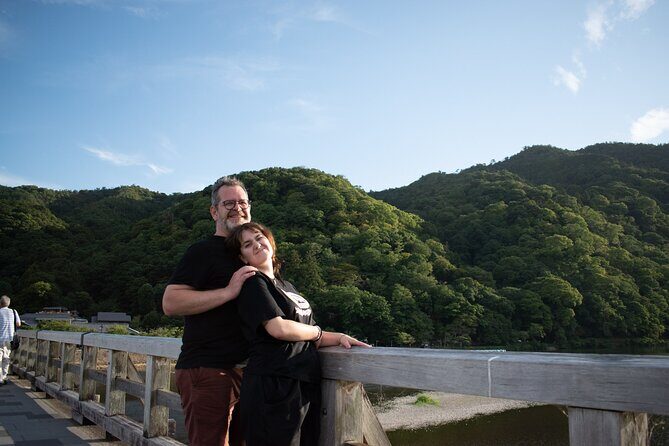
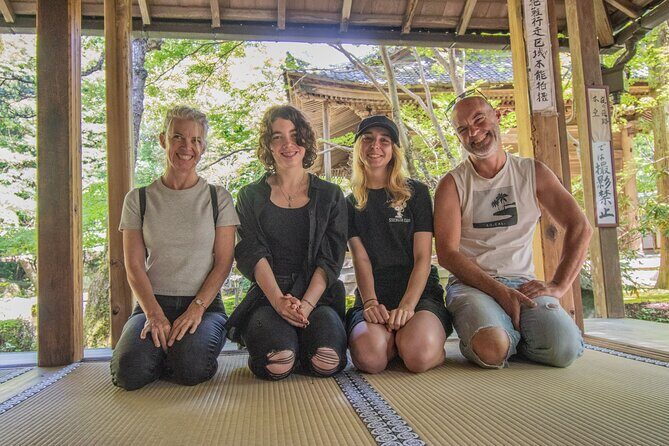
Rengeji Temple is one of those places you’ll be glad you’re not visiting alone. The key detail is how it’s described: an extremely gorgeous moss garden and a spot that’s not visited by many people because it’s distant and inconvenient to reach on your own.
Once you enter, the setting changes your pace. A wide open tatami-mat floor is part of the experience, and that matters because it gives your body a reset. Instead of only looking outward, you get a moment where the space feels designed for stillness.
Practical tip: this is the kind of stop where timing and attention pay off. Even if you’re not a “garden person,” the texture of moss and the way the grounds are arranged can be surprisingly calming.
Myomanji Temple and its rock-garden structure
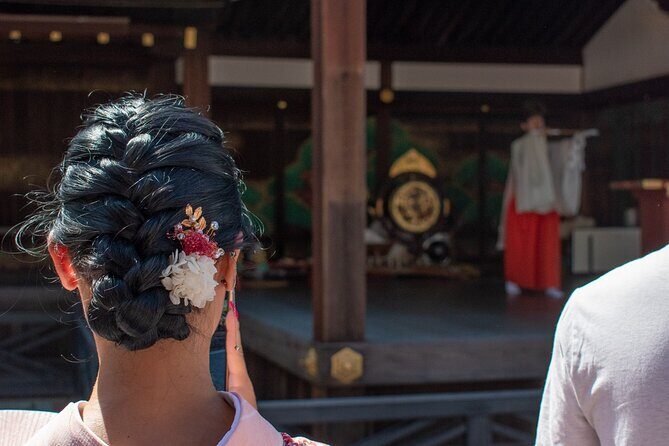
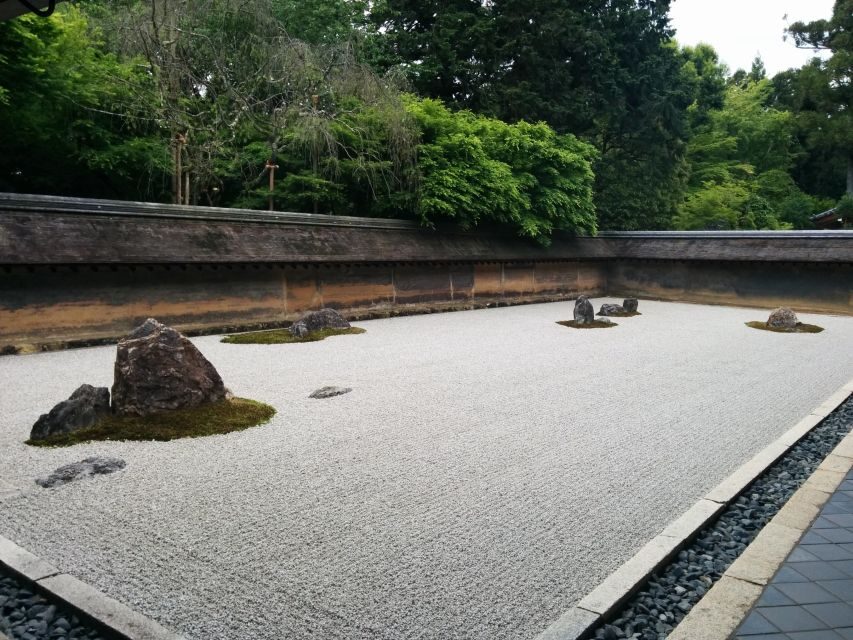
Myomanji Temple leans more toward a thoughtful, arranged-in-detail kind of visit. The standout described here is a garden made from millions of tiny rocks organized into a larger composition. That sort of precision can feel almost hypnotic, especially when you’re watching from slightly different angles as the light changes.
The temple is also tied to the development and tension of Buddhist sects in Japan. Without turning it into a lecture, a good guide can connect the visual experience to why this kind of temple layout mattered.
Time check: you’re usually at about 1 hour, which feels right. It’s long enough to notice what’s going on in the garden, but short enough that you don’t feel like you’re stuck staring at rocks on repeat.
Other private tours in Kyoto


Koryu-ji Temple: Korean-rooted origins and a survivor story
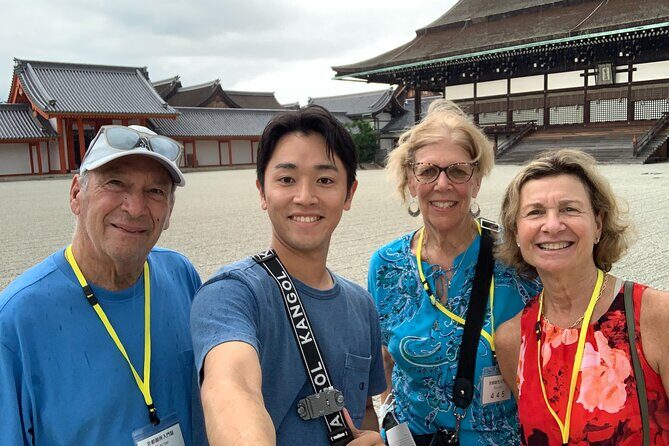
Koryu-ji Temple brings a different flavor to Kyoto. It’s described as originally erected by a group called Hatashi, said to have Korean-rooted ethnic links in the 5th–6th century. You also get a “survivor” angle: there was a burn down in the 8th century, but the temple never vanished afterward.
That combination matters because it turns a temple stop into more than decoration. You’re seeing how people preserved sacred space across setbacks.
The time is short here (around 30 minutes), so treat it as a focused stop. If you like quick but meaningful stops between big-name sites, it fits perfectly.
Kinkakuji (Golden Pavilion): the famous stop, done with breathing room
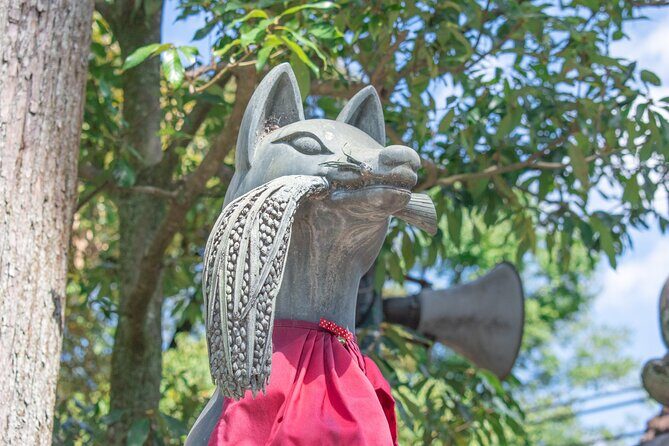
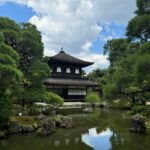
Kinkakuji is Kyoto’s most recognizable “shiny” temple. The Golden Pavilion was once a villa of Shogun Yoshimitsu Ashikaga and later became a temple. The description you’re working with is specific: the two top floors are covered with gold leaf, and you’re seeing that iconic look that made it famous.
Even though this is a headline stop, it’s still worthwhile to visit with guidance. A guide can help you understand how the building and its setting work together, instead of just snapping the same front view and moving on.
You’ll typically have about 1 hour at this stop, which gives you time to step back and reframe your angles. If you want the classic view plus a few calmer moments, this pacing helps.
Koetsuji Temple: an art-focused break from the big names

Koetsuji Temple is described as connected to an art master who worked across tea ceremony and calligraphy, among other arts. That link shows up in the experience: you get an awesome garden with items connected to tea ceremony, which can make the visit feel more hands-on and cultural rather than purely visual.
The stop is about 30 minutes, so it’s not a long detour. Think of it as a breather where the pace slows, and the details become more interesting than the crowds.
Nakamuraken dessert stop: Kyoto sweets that don’t feel like a tourist trap
This is where the day turns practical and fun. Nakamuraken is a local dessert stop built around Kyoto-style unique sweets, with items like mochi with different textures (called mochi-fu in the description) and shaved ice flavored with yuzu or match.
You’re scheduled around 30 minutes here, which is just enough time to cool down, taste something sweet, and keep energy up for the rest of the day. If you’re traveling with kids or anyone with a sweet tooth, this stop is a morale booster.
One extra detail from the guide’s own feedback: there are mentions of pickle samples at a stand, along with people purchasing items there. I wouldn’t count on it as a guaranteed “meal,” but it hints that small side tastings and shopping moments can pop up during the day.
Matsuo Shrine: koi pond feeding and a local-neighborhood vibe
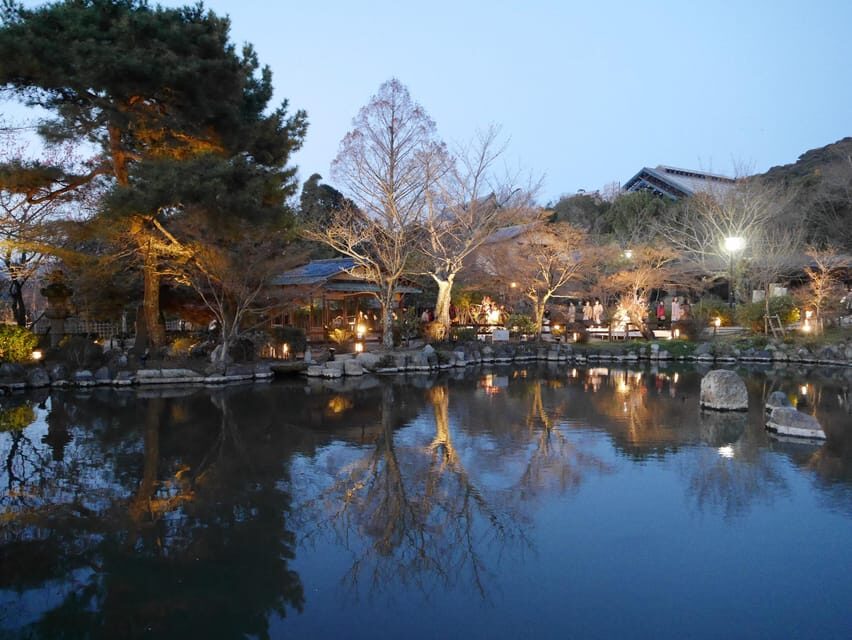
Matsuo Shrine is described as the biggest shrine erected by the Hatashi tribe and beloved by neighborhood households. That’s the kind of line that matters because it suggests the atmosphere is less like a stage show and more like a place locals keep using.
A specific attraction here is a koi fish pond where visitors are allowed to feed the fish. That’s a simple activity, but it adds an immediate, human element. It also breaks up temple-heavy time with something playful.
You’ll typically have about 30 minutes, so it works as a “soft landing” before the bigger city push.
The Kyoto-to-Nara move: what changes when you switch cities
Once the Kyoto portion is done, the day shifts into a different energy. Nara and Osaka aren’t just “next stops.” They change the kind of crowds you’ll see, the walking rhythm, and the food you’ll want.
The experience is described as tailored for travelers looking at three cities in one day, and the guide uses special recommendations. That tailoring is the point: you shouldn’t have to build the plan yourself, then hope it strings together well.
Nara’s Todai-ji and the Great Buddha Hall
Todai-ji is the centerpiece in Nara: the great Buddha hall and its massive statue. This is one of those scale experiences where words don’t do it justice. With the right pacing, it feels like stepping into a space built to dwarf your daily concerns.
In the description, this stop is framed as a key “massive statue” moment, and that’s exactly what to plan for. If you want to really take it in, don’t rush straight through.
Nara Park: feeding deer with crackers
Nara Park is the playful counterweight to temple scale. The activity described here is feeding deer with crackers. That means you should expect hands-on moments and a bit of chaotic cuteness.
The good part of doing this on a private day is control. You get the stop as part of a schedule, not as a random free-for-all where you’re stuck figuring out timing. If you’re with kids, this is usually a highlight.
A secret temple in Nara with matcha tasting
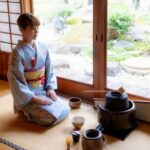
The Nara plan includes a “secret temple” described with a matcha tasting in a serene place. You’re not just shown something; you get a sensory moment built into the quiet setting.
Because details like what kind of matcha or how long you’ll taste aren’t specified, treat this as: you’re likely to get a tasting moment plus a calm temple environment. It’s the kind of stop that makes the day feel intentional instead of only sightseeing.
Osaka by foot: Dotonbori walking and local street dishes
In Osaka, the mood shifts again. Dotonbori is described as walking through the area while eating local dishes on the streets. This isn’t a museum-style city moment. It’s about smells, snacks, and watching the neighborhood energy.
If you’re the type who wants to eat while you walk, this stop is a good match. It’s also easier than scheduling dinner separately, because the tour ties food moments to the walking route.
Abeno Harukas observatory: one big view to close the day
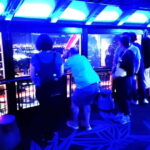
The final listed Osaka highlight is Abeno Harukasu with the observatory at the top of the city’s tallest structures. The description frames it as the “highest” skycraper observatory, which tells you what you’re going for: a clear end point with a dramatic viewpoint.
This is a smart finish after temple stops and street food. Your legs have worked, you’ve eaten, and then you get a view that helps you reset your brain before heading back.
Guide Takashi: clear English and photo-friendly guidance
The biggest repeated praise tied to this experience is the guide. Takashi is described as having excellent English and communication skills, plus strong cultural context for the places you visit. That matters because Kyoto, Nara, and Osaka each have their own “rules of reading” the sights. A guide helps you understand what you’re seeing while you’re there, not after you’re home.
There’s also mention that Takashi is a great photographer. Even if you’re not trying to become an influencer, that can mean quick help with angles, timing, and where to stand for the best results without blocking other people.
Price and value: what $329.02 per person buys you
At $329.02 per person, you’re paying for a private day that strings together multiple cities, includes pickup, and keeps you moving with a single plan. The value math gets better if you’re traveling as a small group (since it’s private and up to 9 people).
A few points that support the price:
- Many of the Kyoto stops listed have admission ticket free noted (so the money goes toward guiding and transport rather than entry fees).
- You get a multi-city routing that would be time-consuming to stitch together yourself.
- You get a guide-led experience at places like Rengeji and Koryu-ji, which are described as harder to reach or less visited.
What you should watch: the tour length can vary depending on the option you book. And the day includes food stops and desserts where you’ll likely pay for what you choose to eat. The tour structure is built to include breaks, but it’s not stated that meals are fully covered.
If you want a stress-free “three cities in one” day with a human plan behind it, this price can feel fair.
Who this tour fits best (and who should skip it)
This works best for you if:
- You want Kyoto, Nara, and Osaka in one go without train transfers.
- Your group likes a mix of famous sights and quieter temple settings.
- You care about understanding what you’re seeing, not just checking boxes.
You might want to skip or choose a different style if:
- You dislike long days and steady walking.
- Your group needs a very relaxed pace with no back-to-back temple stops.
Should you book this Kyoto, Nara, Osaka private tour?
If you’re planning your first time in Kansai and you want variety fast, I’d say yes—especially if your group includes different tastes (temples, food, and big views). The private pickup + drop-off flexibility and the temple pairing with calmer “secret” feeling stops are exactly how you avoid the typical Japan day-trap of only seeing the biggest names.
Just confirm which version you’re booking, because the 3-city example route is described as closer to a 12-hour day. If you can handle that, this tour has a strong feel of: you’ll be busy, but you won’t be bored.
FAQ
Is hotel pickup available?
Yes. If you stay in Kyoto, hotel pickup is available, and you’re taken to the sites directly.
How many people are in the group?
It’s a private tour, and only your group participates. The tour is offered for up to 9 people.
How long is the tour?
The duration is listed as about 7 hours. The example 3-cities option is described as a 12-hour tour, so it’s important to check the exact option you booked.
What stops are included in Kyoto?
Kyoto stops listed include Fushimi Inari-taisha, Rengeji Temple, Myomanji Temple, Koryu-ji Temple, Kinkakuji Temple, Koetsuji Temple, a stop at Nakamuraken for Kyoto desserts, and Matsuo Shrine.
Are entrance fees included?
For the Kyoto stops, the listed admissions are marked as ticket free for each of those stops. Admission details for Nara and Osaka are not specified here, so confirm for your exact route.
Can I choose where I get dropped off?
Yes. You can choose any drop-off location, and it’s set up so you can go to restaurants after the tour.
Do I receive a mobile ticket?
Yes. A mobile ticket is included.
Is free cancellation available?
Yes. Free cancellation is available up to 24 hours in advance for a full refund.
Is there an age requirement related to alcohol?
Yes. The minimum age for alcohol consumption is 18 years old.