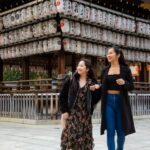
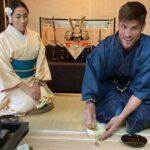
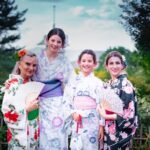
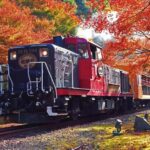
Kyoto in six hours, without the map stress. This private tour is built for people who want Kyoto’s most photo-friendly corners, but also want the culture explained in plain language by a licensed guide.
I love the flexibility: you pick 3–4 sites from a menu, so the day fits your style instead of squeezing you into someone else’s schedule. I also like the pacing and context, from Arashiyama’s bamboo photo path to the torii-at-every-turn experience of Fushimi Inari, with time set aside to actually look.
One possible drawback: it’s a walking tour, and some major stops (like Kiyomizudera, Kennin-ji, and Byodoin) have admissions that are not included, plus Byodoin adds extra travel time to Uji.
In This Review
- Key things that make this Kyoto tour worth your time
- How the custom 6-hour format keeps Kyoto from feeling chaotic
- Arashiyama’s Togetsukyo Bridge and Bamboo Forest: the Kyoto photo hits
- Togetsukyo Bridge (30 minutes, free)
- Bamboo Forest Street / Arashiyama Bamboo Forest (30 minutes, free)
- Kiyomizudera and Yasaka Shrine: temples that work for first-timers
- Kiyomizudera Temple (30 minutes, admission not included)
- Yasaka Shrine (30 minutes, free)
- Gion: historic streets, geisha culture, and where your guide matters
- Gion District (30 minutes, free)
- Fushimi Inari-taisha: the torii gates that change your pace
- Fushimi Inari-taisha Shrine (30 minutes, free)
- Optional add-ons: Kennin-ji gardens and Uji’s Phoenix Hall at Byodoin
- Kennin-ji (15 minutes, admission not included)
- Byodoin Temple in Uji (15 minutes, extra travel time; admission not included)
- Price and value: what $154.37 buys you in the real world
- Guide style and pacing: why the person matters as much as the itinerary
- Practical tips so you get better photos without burning your feet
- Should you book this Kyoto Instagram Highlights Private Tour?
Key things that make this Kyoto tour worth your time
- Licensed guide interpreter: English explanations tied to Japanese culture and history, not just photo spots.
- Choose your own 3–4 stops: you can lean temple-heavy, shrine-heavy, or neighborhood-photo heavy.
- Arashiyama’s classic trio: Togetsukyo Bridge views, the bamboo path, then move on before you lose the light.
- Fushimi Inari’s torii route: you see what it looks like, and your guide helps you plan the easiest photo points.
- Optional “outside the box” add-ons: Kennin-ji dry garden and Uji’s Phoenix Hall at Byodoin Temple.
How the custom 6-hour format keeps Kyoto from feeling chaotic
Kyoto can be amazing and exhausting at the same time. The big problem isn’t seeing things—it’s deciding how to stitch them together while trains, buses, and crowded streets fight for your attention.
This tour solves that by doing two key things. First, it stays flexible. You select your must-see spots from the provided options, and the itinerary builds around 3–4 stops over about 6 hours. Second, you get a licensed local English-speaking guide who can explain what you’re looking at—shrines, temple layouts, and why certain places look the way they do in photos.
That flexibility matters for two types of days:
- If you’re a couple, you can keep it romantic and slow where you want, then hit one big wow stop like Fushimi Inari.
- If you’re traveling with a young child, the guide can keep things moving without turning the day into a sprint. (Guides like Tomy have done this with families by working in breaks and staying flexible when energy levels change.)
You’ll be on your feet. Pickup is on foot in a designated area, and the tour is near public transportation—so it’s not “hike across nowhere.” It’s more like: you walk your route, transit is handled as needed, and your guide manages the flow so you’re not constantly checking apps.
Other guided tours in Kyoto
Arashiyama’s Togetsukyo Bridge and Bamboo Forest: the Kyoto photo hits
Most Kyoto “Instagram routes” lead with Arashiyama for a reason. The sights are iconic, and your guide can help you time the walkway so you’re not just standing in the loudest crowd.
Togetsukyo Bridge (30 minutes, free)
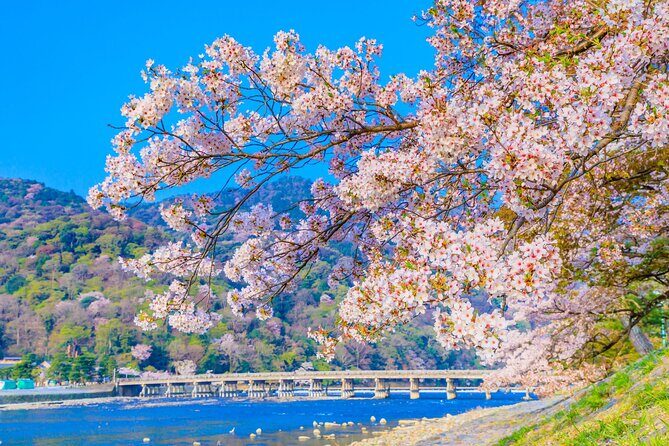
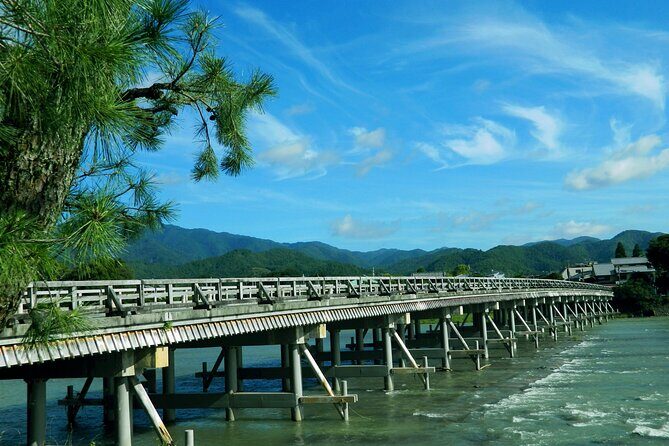
Togetsukyo Bridge spans 155 meters over the Katsura River, linking to Saga Arashiyama. What you’ll appreciate here is the setup for photos: the footpath gives you depth, and the hills create a natural backdrop that makes the bridge feel like it belongs to an old-Japan postcard.
Practical note: the bridge area is meant for walking views, not rushing. In this tour format, you get just enough time to take pictures from a couple angles and soak in the river-and-hills perspective before you move into the next stop.
Bamboo Forest Street / Arashiyama Bamboo Forest (30 minutes, free)
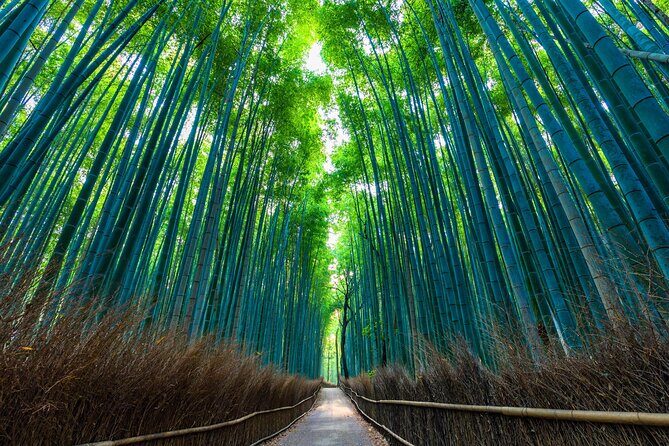
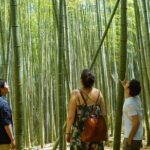
Then you step into the bamboo grove—one of Japan’s most recognizable “path-through-nature” scenes. The view down the path through the bamboo is exactly the kind of shot people want, because it has a strong sense of lines and depth.
Here’s what to do to get the best results: slow down. Don’t treat it like a checklist photo. Give yourself a moment at the start to watch how the light hits the grove, then take the classic centered shot, and finally grab a few wider frames that include the surrounding walkway.
This is also where a guide helps beyond photography. A good guide tells you what you’re seeing and how locals think about the spaces—so your photos are tied to context, not just scenery.
Kiyomizudera and Yasaka Shrine: temples that work for first-timers
Once you’re done with Arashiyama’s nature-heavy look, the tour shifts you toward Kyoto’s temple and shrine identity. These stops are among the most recognizable, but they’re also where timing and explanation make a real difference.
Other private tours in Kyoto


Kiyomizudera Temple (30 minutes, admission not included)
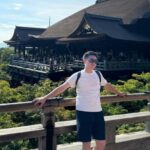
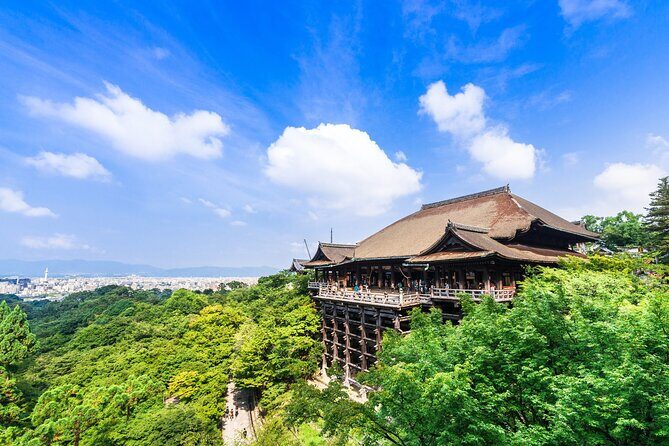
Kiyomizudera is one of Kyoto’s standout temples, and it’s easy to see why when you reach the large open-air wooden terrace. That terrace is a major photo magnet because it frames the greenery and the temple structure at the same time.
Because admission isn’t included here, I recommend budgeting a little extra for entry fees at Kiyomizudera. It’s also the type of place where you’ll want time to look around, not just get one quick shot. In a six-hour day, your best move is to be decisive: pick a couple angles you really want, then let your guide point out the rest.
Yasaka Shrine (30 minutes, free)
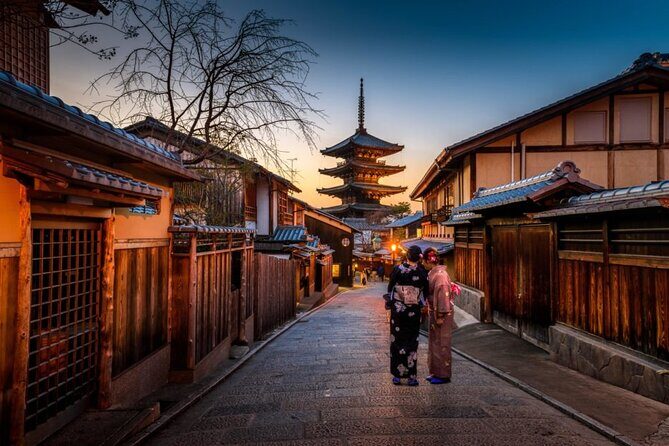
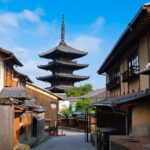
Yasaka Shrine is tied to the image of the five-story Yasaka Pagoda. Even if you don’t walk far into every corner, the pagoda’s 46-meter presence is hard to miss, and the shrine area has that classic Higashiyama feel.
This stop is especially good if you care about Kyoto’s “why” behind the look. Shrine space isn’t random—your guide can help you understand the way the buildings, paths, and sightlines are designed so you feel like you’re moving through a meaningful layout rather than just sightseeing.
Gion: historic streets, geisha culture, and where your guide matters
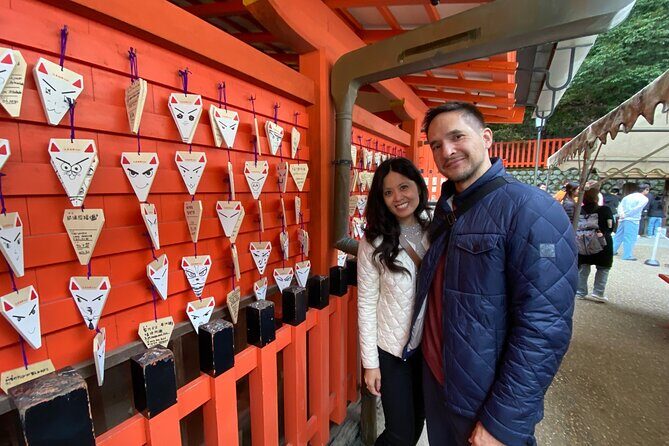
Gion is one of those Kyoto districts that people think they know from photos. The difference in real life is that the streets feel lived-in, and the rules of respectful behavior are part of the experience.
Gion District (30 minutes, free)
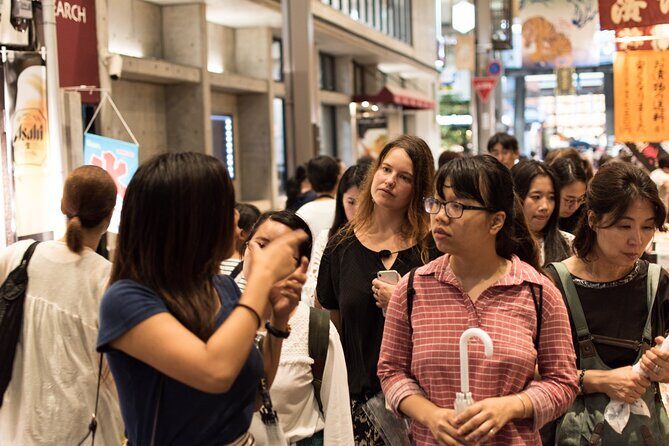
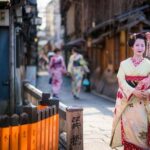
Gion is known for geisha and maiko culture and for beautifully preserved historic streets. In a short stop, you’re not trying to “finish Gion.” You’re building an introduction: what the district looks like, where the atmosphere changes, and which walking lanes offer the best street-level photos.
Etiquette note: in places like this, keep your phone use respectful. If your guide suggests a place to stand or a route to walk, follow it. You’ll get better photos without turning the moment into a problem for anyone around you.
This also helps with crowd reality. One guide described how time can run out at the entrance of Gion, which is a reminder to treat the district like a taste, not a full meal. If Gion is your top priority, consider selecting it as one of your main 3–4 choices and not something you tack on at the end.
Fushimi Inari-taisha: the torii gates that change your pace
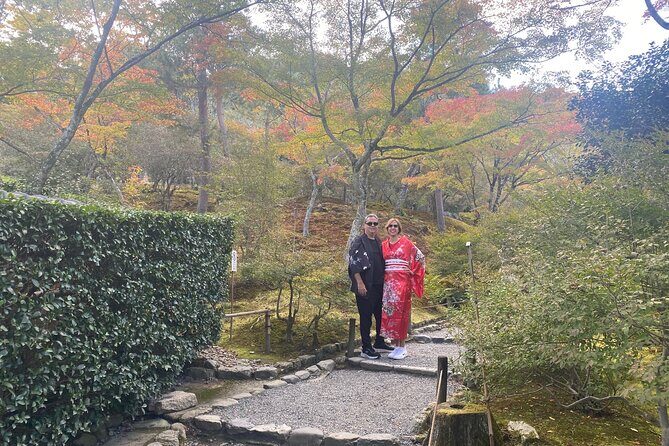
If Kyoto has a single must-see shrine for “I want my pictures to look like Kyoto,” it’s Fushimi Inari-taisha.
Fushimi Inari-taisha Shrine (30 minutes, free)
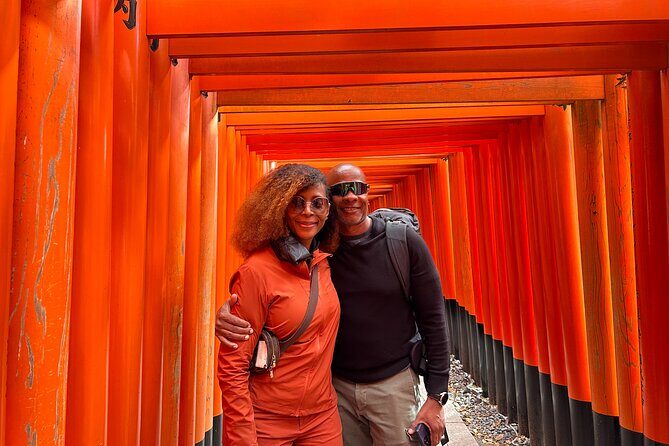
You’ll see the famous vermillion torii gates—more than 1,000 of them. The real magic isn’t just the number. It’s that the gates create a tunnel-like rhythm as you move deeper. Your pace changes naturally: you stop more often, look up more, and start composing shots differently.
In a guided format, you’re also less likely to burn your time on the wrong angles. Guides with strong energy—people have described Amira-san as an energizer bunny—tend to keep you moving at the pace that makes sense for photos. They’ll often point out the best viewing spots so you don’t waste your limited minutes.
One practical consideration: 30 minutes sounds short for this place. That’s why you’ll want your guide to know your goal. Tell them if your priority is:
- a dramatic entrance shot,
- a gate tunnel walk,
- or getting a clean frame with fewer distractions.
Then your guide can help you get the shots that fit your style within the time you have.
Optional add-ons: Kennin-ji gardens and Uji’s Phoenix Hall at Byodoin
This is where you can turn a “highlights loop” into a day that feels more like Kyoto than like a theme park.
Kennin-ji (15 minutes, admission not included)
Kennin-ji is close to busy street areas like Hanamikoji and Shijo, but the temple grounds feel calmer once you step inside. The main highlight here is the karesansui, or dry landscape gardens.
If you like quiet compositions—rocks, patterns, and the feeling of intentional space—Kennin-ji can be a smart contrast after the bright shrine colors of Fushimi Inari and the heavy photo demand in busier districts.
Because admission isn’t included, plan for entry fees if you choose this stop. Also note it’s shorter here—15 minutes—so it’s best as an add-on, not your only cultural stop.
Byodoin Temple in Uji (15 minutes, extra travel time; admission not included)
Byodoin Temple is known for the Phoenix Hall, which is a National Treasure of Japan and a UNESCO World Heritage Site. It’s located in Uji city, so the tour notes extra travel time.
This matters for how you plan your day. Uji isn’t far in “Japan terms,” but in a six-hour schedule, that extra transit can cost you time at other stops. Pick Byodoin if you care about UNESCO-level temple architecture and you want one major “final wow” monument at the end of the day.
Price and value: what $154.37 buys you in the real world
At $154.37 per person for about 6 hours, this tour sits in the middle of the spectrum for private guiding in Kyoto. Whether it’s a bargain or a splurge depends on what you’d otherwise do on your own.
Here’s the value math that matters:
- You’re paying for a licensed interpreter guide, which is more than narration. You get cultural explanations tied to the places you’re seeing.
- You’re paying for time savings. Instead of figuring out routes and entrances, you get a planned flow of stops that match the time you have.
- You’re paying for comfort with logistics. It’s a walking tour with pickup on foot, and you’re not trying to “solve Kyoto” while also trying to take good photos.
In practical terms, this is often worth it if you hate the “train math” part of travel. In one honeymoon-focused experience, the big win was that there was no stressing about directions—just sightseeing and photos with the guide handling the sequencing.
Also, since this is a private tour/activity, you only share with your group. That’s a big deal in Kyoto, where crowded areas can quickly turn into a shoulder-to-shoulder situation if you’re in a general group.
Guide style and pacing: why the person matters as much as the itinerary
Kyoto highlights can feel like a blur unless your guide knows how to slow down at the right moments. The tour’s structure depends on your guide’s ability to keep things moving without rushing the emotional beats of each site.
Across past departures, guides have shown a few consistent traits:
- Flexibility: Tomy was described as flexible with a young child, including built-in breaks.
- Energy and momentum: Amira-san was described as a high-energy guide who kept the day lively.
- Tailoring to your interests: Tark was noted for building an itinerary around what someone wanted to see and then choosing good photo spots.
- Patience: Hiro San was described as kind and patient, with enough time to see major sights without feeling chased.
If you’re choosing between “see everything quickly” and “see the right things,” go for the tour that gives you options and a guide who adjusts. This one does that by design, since you choose the 3–4 stops from the list.
Practical tips so you get better photos without burning your feet
This tour is friendly for most participants because it’s near public transportation and built as a walk-and-see day. Still, Kyoto walking can surprise you.
Here’s how to make it smoother:
- Wear shoes you can walk in for hours. Kyoto’s stones and slopes can feel different than flat-city sidewalks.
- Treat each stop as a mini photo session, not a 10-second checkpoint. Your guide can help you decide where to stand for the best shot.
- Bring a small layer. Even when the day looks mild, temple areas and river-side spots can feel cooler.
- If you’re aiming for the most famous visuals (bamboo tunnel, torii tunnel, the terrace views), plan to take fewer but better photos rather than trying to capture everything.
- If your schedule overlaps a public holiday, expect more people and slower movement. One guide response referenced how a public holiday made the day more packed and slow.
A final tip: if you’re traveling as a couple or planning a special day, tell the guide what you want the day to feel like. In a honeymoon setting, the comfort of not managing the logistics while also seeing the main icons can be a huge emotional win.
Should you book this Kyoto Instagram Highlights Private Tour?
Book it if:
- You want a guided, customizable 6-hour plan built around Kyoto’s most photogenic stops.
- You’d rather pay for direction and interpretation than spend your vacation juggling routes.
- You care about photo spots but also want context—why a shrine looks the way it does, and what you’re actually standing in front of.
Maybe skip or adjust if:
- You’re not comfortable with a walking tour and want mostly seated sightseeing.
- You’d prefer to do only free sites. Some key stops have admission that isn’t included (Kiyomizudera, Kennin-ji, and Byodoin).
- You’re likely to suffer from “short-time panic” at Fushimi Inari or Gion. With only 30 minutes there, you’ll want to tell your guide exactly what you’re aiming to capture.
If you match those points, this tour is a smart way to get Kyoto’s recognizable wow moments in a day, with a licensed guide who keeps the experience understandable and the pacing realistic.