Kyoto’s UNESCO sites, handled for you. This private day tour pairs a guide with a premium van and driver, so you move between Nijo Castle, Kinkakuji, Zen gardens, Kiyomizu-dera, and Fushimi Inari with a lot less stress.
I love the 30-minute structure at each main stop. I also like that your guide can act as a photo helper, timing viewpoints so you get the classic Kyoto angles without guessing.
One consideration: it is a long, packed day (about 9 hours). If you want lingering time in one temple area or lots of side streets, this itinerary may feel a bit tight.
In This Review
- Key highlights I think are worth your attention
- Kyoto UNESCO in One Day: What This Private Tour Gets Right
- Meeting at Kyoto Station Karasuma: How Your Day Starts
- Stop-by-Stop Kyoto: Nijo Castle to Fushimi Inari
- Nijo Castle: A strong start with tickets handled
- Kinkakuji (Golden Pavilion): Pond reflections and instant Kyoto visuals
- Ryoan-ji Temple: The Zen rock garden effect
- Sogenchi Teien / Tenryuji area: Zen walking plus bamboo atmosphere
- Lunch in Kyoto: One hour to actually recharge
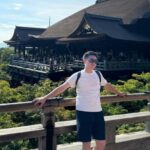
- Kiyomizu-dera: UNESCO Ancient Kyoto landmark time
- Fushimi Inari-taisha: Torii gates and a final photo sprint
- Why the Guide Matters More Than You Think
- Lunch and Dietary Needs: How to Make This Day Fit Your Stomach
- UNESCO World Heritage in a Single Long Day: Worth It?
- Private Touring Costs: Is $525.50 a Good Value?
- Pacing, Comfort, and the Weather Factor
- Who This Tour Fits Best (and Who Might Skip It)
- Should You Book This Kyoto UNESCO Private Tour?
- FAQ
- How long is the Kyoto UNESCO private tour with a premium van?
- What time does the tour start, and where do we meet?
- Is this tour private?
- Which stops are included in the itinerary?
- Are admission tickets included?
- Is lunch included, and can I request dietary options?
- Is pickup available from hotels?
- Does the guide help with photos?
- What if the weather is bad, or I need to cancel?
Key highlights I think are worth your attention
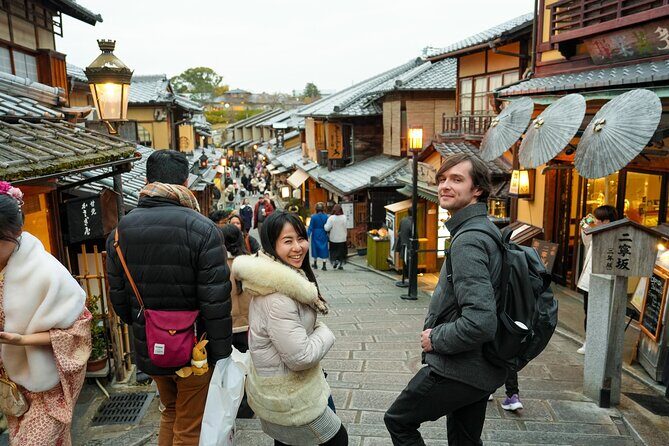
- Private driver + guide means less navigation stress and more time looking at Kyoto
- Photo assistance at the big sights, including the pond reflections at Kinkakuji and the torii photo spots at Fushimi Inari
- Most key admissions are included, so you are not juggling tickets all day
- Lunch break with dietary options available by advance request
- A calm, Zen-focused route through rock garden and temple-garden stops, not just quick sightseeing
- Groups only, no strangers: it is truly your tour with your group
Kyoto UNESCO in One Day: What This Private Tour Gets Right
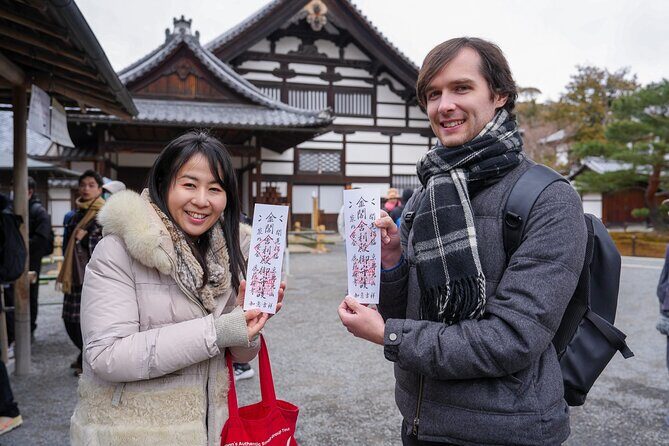
Kyoto rewards slow travel, but most first trips don’t allow it. This tour is built for that reality. You get a tight, UNESCO-heavy route with a driver doing the in-between work, while your guide handles the why behind what you are seeing.
The biggest practical win is time. Instead of burning energy on train changes, bus lines, and ticket counters, you are in a comfortable vehicle most of the day. You then get short, focused windows at the major landmarks—enough to absorb the vibe and get photos, not so long that you lose the group’s momentum.
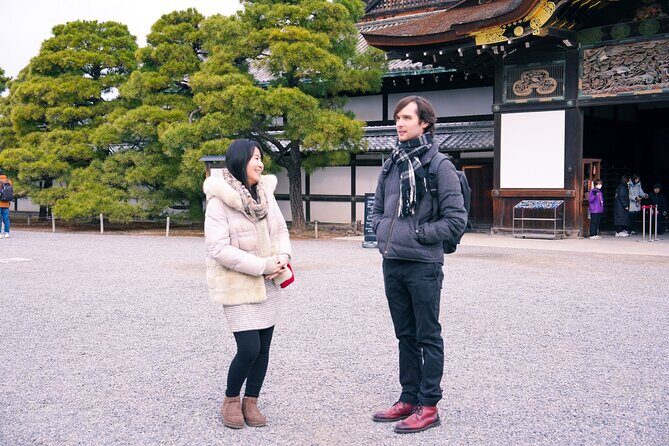
The second win is that it feels like guided sight-seeing, not just transport. Your guide is set up to explain what you are looking at and help you create great images. In the reviews that shape my expectations, guides like Meri and Mari show up with a fun, friendly style, and the drivers like Kyomi or Mr. Yamashita are praised for being competent and making sure the plan actually works.
Other private tours in Kyoto
Meeting at Kyoto Station Karasuma: How Your Day Starts
The tour starts at 9:00 am at the General Taxi Rank, Kyoto Station Karasuma Entrance (Higashishiokojicho, Shimogyo Ward). That location is useful because you can get there easily if you are arriving by train. It also means you are not dependent on a complicated pickup map.
Hotel pickup is listed as offered. If you are staying near Kyoto Station, the meeting point can still be a simple backup. Either way, you get a mobile ticket, which usually makes check-in easier and helps you keep the morning from turning into paperwork.
Since it is private, you do not share the vehicle with strangers. You stay in your group, which matters in Kyoto. Temple crowds can swell fast, and having your own rhythm helps you avoid feeling stuck behind random tour lines.
Stop-by-Stop Kyoto: Nijo Castle to Fushimi Inari
The itinerary is a classic Kyoto greatest-hits day, but it is not just random temples. It is paced to include palace history, iconic architecture, Zen gardens, and shrine photo moments—plus a lunch break you can actually enjoy.
Each major stop is about 30 minutes, and lunch is 1 hour. That means you should plan to keep your energy up: comfortable shoes, a water bottle, and a calm mindset. You are seeing a lot, so the goal is quality moments, not marathon exploring.
Nijo Castle: A strong start with tickets handled
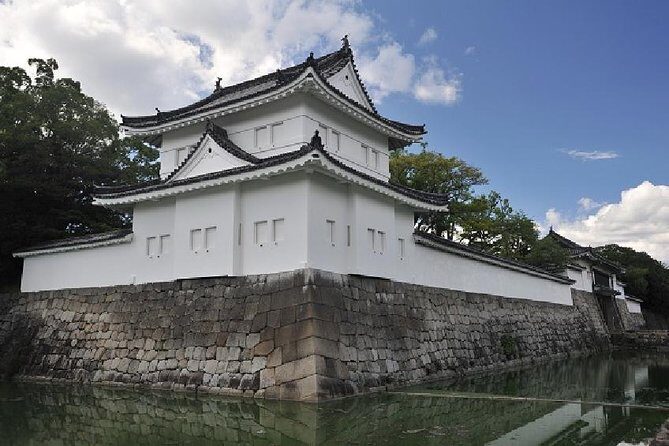
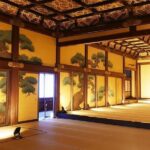
Your day begins at Nijo Castle. You get roughly 30 minutes, and the admission ticket is included. This is a good opening choice because it sets context for Kyoto’s past court and power structures early—so later sights land with more meaning.
This stop also works as a warm-up. Your guide starts with introductions and makes sure preferences and food restrictions are addressed before you head out. That early check-in is exactly what you want on a one-day plan.
Kinkakuji (Golden Pavilion): Pond reflections and instant Kyoto visuals
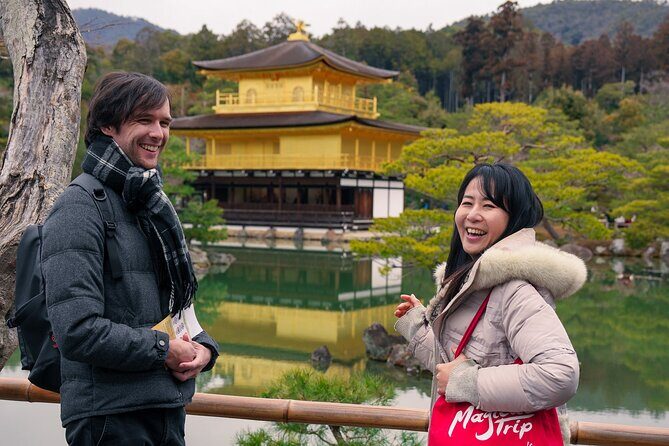
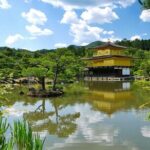
Next up is Kinkakuji, the Golden Pavilion. You get about 30 minutes, and admission is included. The main reason this place is on almost every Kyoto list is obvious once you see it: the pavilion and its pond create one of the most recognizable reflection shots in Japan.
The guide-as-photographer angle is especially helpful here. Instead of guessing where to stand and when to click, your guide can steer you toward the best visual results with the time you have.
Other historical tours in Kyoto


Ryoan-ji Temple: The Zen rock garden effect
Stop three is Ryoan-ji Temple, again about 30 minutes with admission included. The itinerary highlights the rock garden and the meditative stillness behind it, described in Zen terms.
In practical terms, this is the part of the day where you slow down a notch mentally. You do not need long hours to start feeling the difference. You just need a quiet moment and the right framing—something a guide can help with when you only have half an hour.
Sogenchi Teien / Tenryuji area: Zen walking plus bamboo atmosphere
The fourth stop focuses on Sogenchi Teien and the calmer temple-garden feel, with time that includes strolling through bamboo groves and enjoying Tenryuji. Admission is included for this stop as well, and you again get about 30 minutes.
This is a nice tonal shift after Ryoan-ji. If the rock garden is the mind-set, the bamboo and garden paths help reset your body. It is also a practical photography moment because you get natural texture and depth without needing a complicated plan.
Lunch in Kyoto: One hour to actually recharge
Lunch is next, centered in Kyoto proper for about 1 hour. The lunch is included, but the listing notes dietary needs like vegetarian, vegan, and gluten-free options are available if you request them in advance.
This matters more than it sounds. A lot of Kyoto tours race past food, leaving you hungry and grumpy. Here, you have a real hour to eat, reset, and ask any questions while your guide is still in flow. And yes, reviews also mention an excellent lunch stop, which is always a good sign for a one-day itinerary.
Kiyomizu-dera: UNESCO Ancient Kyoto landmark time
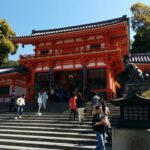
Your sixth stop is Kiyomizu-dera. You get 30 minutes, and admission is included. The listing notes that it is registered as part of the UNESCO World Cultural Heritage “Cultural Properties of Ancient Kyoto” and specifically mentions 1994.
Kiyomizu-dera is a magnet, so crowds can be intense. The short, guided block helps you see the key areas without spending your whole time getting shuffled. You get just enough to feel the scale and atmosphere.
Fushimi Inari-taisha: Torii gates and a final photo sprint
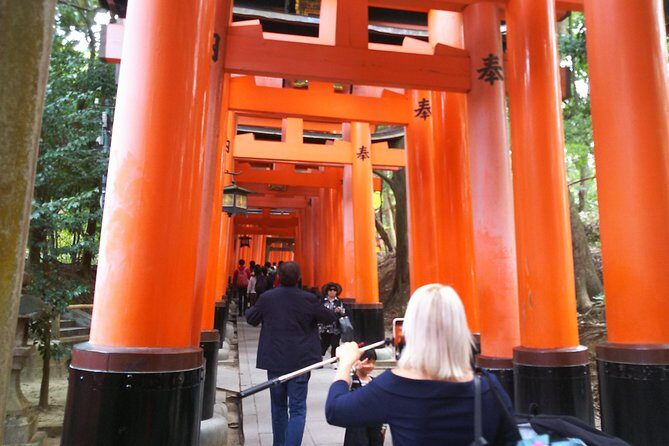
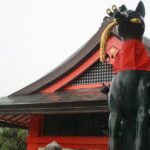
You finish at Fushimi Inari-taisha Shrine. This stop is about 30 minutes, and admission is free. The draw is the endless line of vermilion torii gates, which makes this your best photo payoff for the day.
The guide help is again valuable here. Torii areas reward smart positioning. With a time box and guidance, you get the classic shot chances without burning your afternoon.
Your tour ends back at the meeting point near Kyoto Station Karasuma Entrance.
Why the Guide Matters More Than You Think
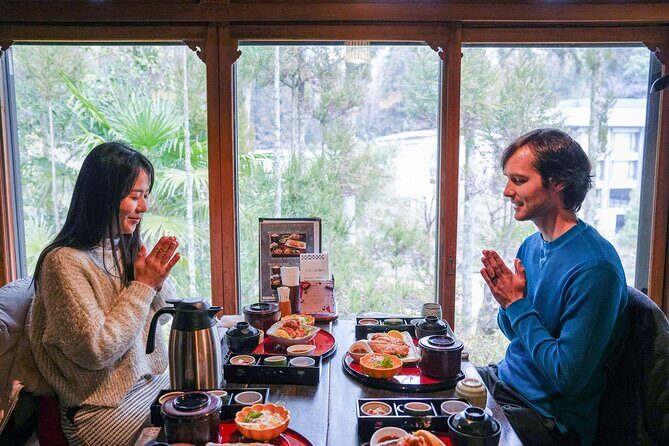
This tour is built around a personal guide, and it shows in the details. At the beginning, your guide checks your preferences and food restrictions. That is not a small touch. It prevents the most common one-day-tour problem: getting through the morning only to realize the lunch plan does not fit.
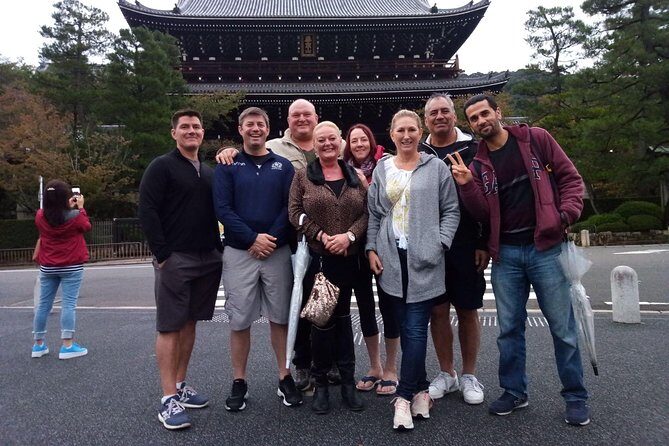
The guide role also includes photography help. That means you are not on your own trying to turn Kyoto into Instagram posts while also reading signs in Japanese. Instead, you can focus on where you are standing and what you are seeing, while the guide helps manage the photo moment.
The tone in the reviews is also consistent: guides named Meri or Mari (depending on how names are written) are described as fun, friendly, and knowledgeable, with a knack for making it easy to talk during the car rides and at stops. Drivers like Kyomi and Mr. Yamashita are praised for being highly competent, which matters because the itinerary has many fixed-time stops.
In a city where getting around is part of the challenge, a guide who can keep things moving makes the day feel simpler.
Lunch and Dietary Needs: How to Make This Day Fit Your Stomach
Lunch is included and takes about an hour. The key detail is the flexibility: the listing says vegetarian, vegan, and gluten-free options are available with an advance request.
So if you have dietary needs, do not wait until the morning. Send the request early as instructed by the operator at booking time. That is the difference between a menu that works and a plan that turns into a last-minute compromise.
Also, pay attention to what the hour actually means. With only one lunch window, you should use it. Eat, rest your feet, and let your guide set you up for the afternoon. Kyoto temples move fast once crowds roll in, and a fueled break keeps you from feeling rushed later.
UNESCO World Heritage in a Single Long Day: Worth It?
Kyoto UNESCO World Heritage sites can feel overwhelming on your own. There are so many choices that you end up overthinking. This tour reduces that stress by choosing a sequence that hits major UNESCO moments and the famous scenery people travel for.
You also get a deliberate mix:
- Nijo Castle for a palace-style start
- Kinkakuji for the Golden Pavilion and pond reflection photos
- Ryoan-ji for Zen garden stillness
- Tenryuji area for bamboo and garden calm
- Kiyomizu-dera for one of the most iconic temple landmarks
- Fushimi Inari for the torii photo payoff
The drawback is that time in each place is limited. About 30 minutes means you will see the highlights, but you likely will not do deep study or slow wandering the way you could on a multi-day plan. If you want that level of depth, you would supplement this with a self-guided afternoon later.
Private Touring Costs: Is $525.50 a Good Value?
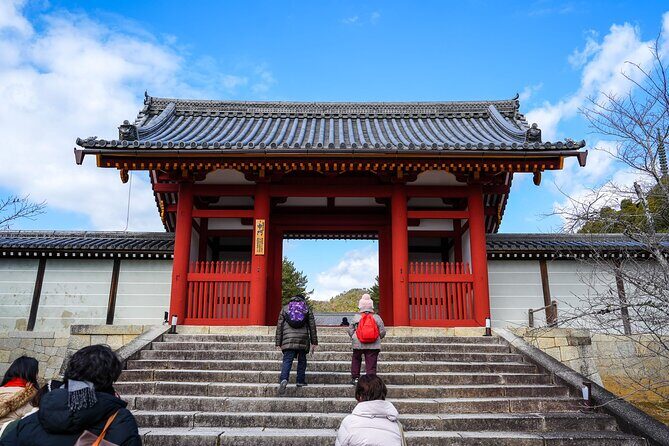
At $525.50 per person, this is not a budget tour. The value comes from what is included and what you avoid.
Here is what you do get in the plan:
- A private tour with your group only
- A premium van with a driver
- Admission tickets included for several major stops (Nijo Castle, Kinkakuji, Ryoan-ji, the Tenryuji/Sogenchi stop, and Kiyomizu-dera)
- Lunch included at a locally recommended restaurant
- Guide support with pacing and photo help
- Some stops have free entry (Fushimi Inari is listed as free)
Then there is what you avoid:
- Ticket lines and repeated entry logistics
- Long stretches of transit during peak crowd hours
- The mental load of building a one-day UNESCO route yourself
Also, there is mention of group discounts. If you are traveling as a group of friends or family, the per-person value improves quickly compared with splitting a bunch of individual taxis and ticket purchases.
If you are a solo traveler with limited time, it can still be worth it because the alternative is cobbling together transport and hoping you time everything right. If you have a full week, you might skip a premium one-day hit list and spend more time choosing fewer neighborhoods.
Pacing, Comfort, and the Weather Factor
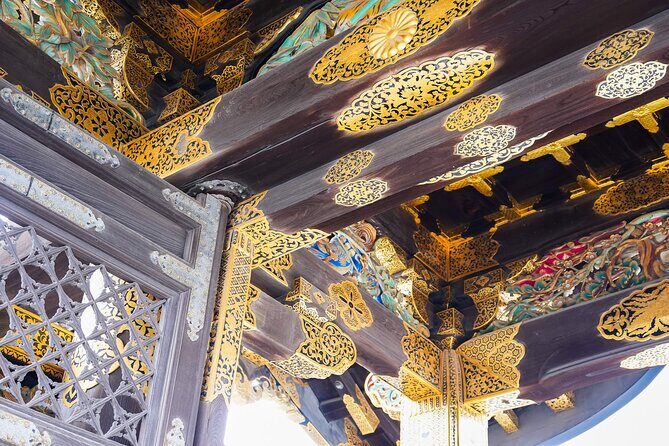
The total duration is about 9 hours, with many stops at around 30 minutes. That is the structure you should expect: a steady flow, not long idle time.
Reviews point to good pacing and breaks when needed. That fits what you would want from a private driver and guide: small timing adjustments so you do not feel trapped in someone else’s schedule.
One more reality check: the experience requires good weather. If it gets canceled due to poor weather, you should be offered a different date or a full refund.
Pack for variable conditions. Kyoto in different seasons can swing from sunny to humid or rainy fast. A private van helps during rain, but you will still be walking some temple grounds.
Who This Tour Fits Best (and Who Might Skip It)
This is designed for people who want the highlights without the stress. The listing calls it ideal for first-time visitors, families, couples, and solo travelers, and that matches the practical setup.
I think it is especially good if:
- You only have one day in Kyoto
- You want UNESCO highlights with guided context
- Your group includes people who dislike transit changes
- You want photo help for the big scenic hits
- You have dietary needs and want that handled with planning
I would be less enthusiastic if:
- You want to spend half a day wandering slowly in one temple area
- Your group loves independent planning and public transport hopping
- You are hoping for lots of off-the-beaten-path time beyond the listed stops
Should You Book This Kyoto UNESCO Private Tour?
Book it if your priority is a smooth, high-impact one-day Kyoto plan. You are paying for less friction: a driver, a guide, included admissions at many major stops, lunch, and photo assistance at the most iconic spots. For many people, that turns a stressful itinerary day into a calmer sightseeing day.
Hold off if you have multiple days in Kyoto and you enjoy building your own route. With more time, you can spread UNESCO sites out and give each one the slow attention it deserves.
If you book, do two things that make a real difference: request dietary needs during booking, and wear comfortable shoes you can walk in for a packed 9-hour day.
FAQ
How long is the Kyoto UNESCO private tour with a premium van?
It runs for about 9 hours.
What time does the tour start, and where do we meet?
It starts at 9:00 am. The meeting point is the General Taxi Rank at Kyoto Station Karasuma Entrance (Higashishiokojicho, Shimogyo Ward).
Is this tour private?
Yes. It is a private tour/activity, so only your group participates.
Which stops are included in the itinerary?
The tour includes Nijo Castle, Kinkakuji (Golden Pavilion), Ryoan-ji Temple, the Tenryuji/Sogenchi Teien area, lunch in Kyoto, Kiyomizu-dera, and Fushimi Inari-taisha Shrine.
Are admission tickets included?
Admission tickets are included for stops such as Nijo Castle, Kinkakuji, Ryoan-ji Temple, the Tenryuji/Sogenchi Teien stop, and Kiyomizu-dera. The Fushimi Inari-taisha stop is listed as admission ticket free.
Is lunch included, and can I request dietary options?
Yes, lunch is included. Vegetarian, vegan, and gluten-free options are available if you request them in advance.
Is pickup available from hotels?
Pickup is offered, and the tour also lists a specific meeting point at Kyoto Station Karasuma Entrance.
Does the guide help with photos?
Yes. The guide also doubles as a photographer and is expected to help you capture photos at the sightseeing stops.
What if the weather is bad, or I need to cancel?
The experience requires good weather. If it is canceled due to poor weather, you will be offered a different date or a full refund. You can also cancel for a full refund up to 24 hours in advance.