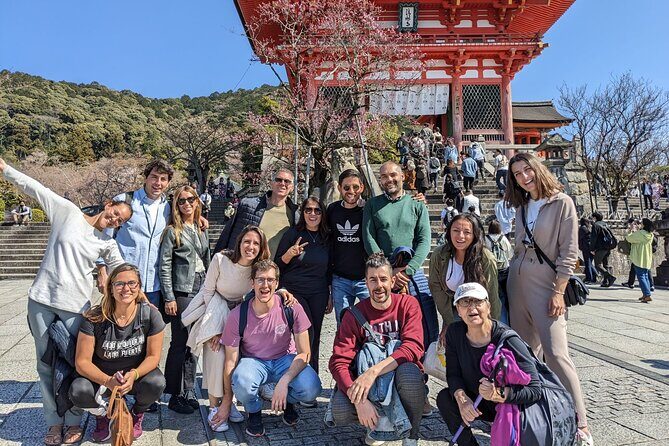
Ninja legends have a paper trail. This private 6-hour outing from Kyoto takes you toward the roots of ninja lore and the real-world families linked to training, tools, and tactics, with an English-speaking guide who can explain what matters without drowning you in trivia. I especially like the focus on an authentic ninja house with practical trick features, plus the energy and clarity of guide Mr. Daiki Fukashi.
The day also gives you a samurai counterpoint at Iga Ueno Castle, where you can see historical armor and swords tied to battle-era shogun culture rather than movie-style fantasy props. One thing to consider: if you’re hoping for a specific ninja performance, there’s a chance it won’t fit into the timing on the afternoon-style schedule.
In This Review
- Key highlights you’ll remember
- Ninja myths versus the world of Iga and Koka
- Private comfort from Kyoto: van, timing, and the value of not rushing
- Stop 1: Iga-ryu Ninja Museum and the “authentic” advantage
- Stop 2: Iga Ueno Castle and seeing samurai gear, not props
- Shogunzuka Seiryuden Temple: a calm break with Kyoto views
- The Iga portion: ninja neighborhoods and the trick-door house
- Koka: herbal mixing, training in the forests, and another ninja style
- Samurais and ninjas together: why this contrast is worth your time
- Price and extra tickets: is it good value?
- Who should book this tour
- Should you book Secrets of Ninjas X Samurais?
- FAQ
- Is this tour private?
- How long is the tour?
- Where does the tour take place?
- What is the price?
- What time does the tour start?
- What’s included in the price?
- What entrance fees are not included?
- Is pickup available?
- Does the tour involve stairs or walking on rough ground?
- What cancellation options do I have?
- Can I bring a service animal?
Key highlights you’ll remember
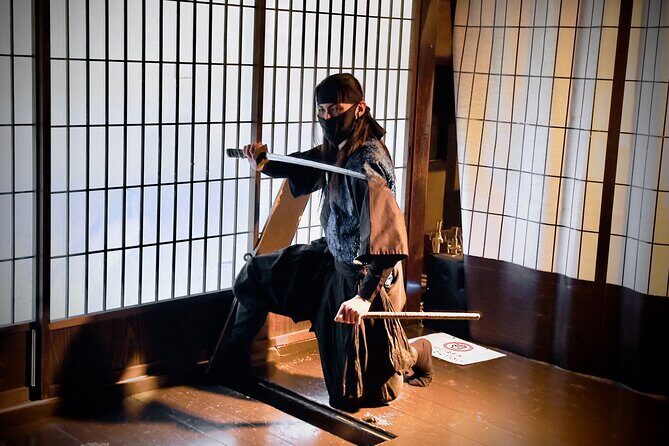
- A real ninja house with mechanical surprises like flipping doors, secret passages, and hidden sword storage
- Iga Ueno Castle for the samurai side, with armor and katana tied to shogun-era history
- Shogunzuka Seiryuden Temple with Kyoto-city views and a spot that locals still enjoy
- Two ninja regions in one day: Iga for the famous clan area, plus Koka for training themes like herbal mixing
- Fully private, air-conditioned ride, with hotel pickup and drop-off so the day stays easy
Ninja myths versus the world of Iga and Koka
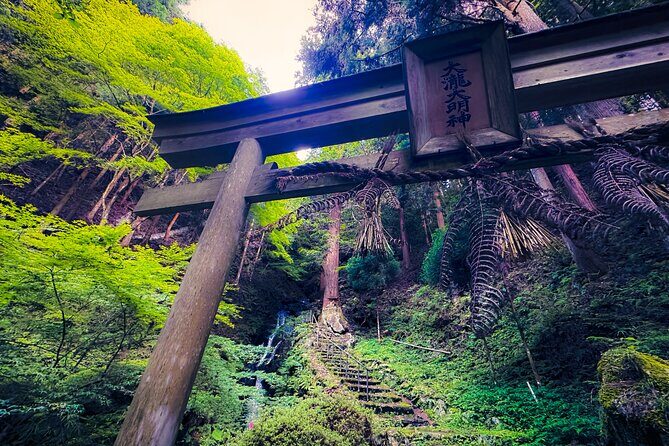
This tour is built around a simple question: were ninjas real, or just story fuel? The answer is yes, but the more interesting point is how real life shaped their reputation. Iga and Koka sit in mountain country, and that geography matters. You’ll drive through nature that changes with the seasons, from cherry blossoms in spring to maple color in autumn, and that helps the training myths make more sense. Hiding, moving quietly, getting through forests, and using resources all look less like magic when you’re surrounded by the same kind of terrain.
You’ll also get a “two lenses” approach. One lens is the ninja world: Iga-ryu traditions, clan territory, and the physical reality of ninja houses and tools. The other lens is the samurai world, anchored by a castle stop where real gear and battle-era objects show up. The balance is what makes the day work. You’re not just collecting cool visuals. You’re comparing systems: how samurai power operated versus how ninja reputations were formed.
Other private tours in Kyoto


Private comfort from Kyoto: van, timing, and the value of not rushing
The logistics are refreshingly low-stress. You’ll travel in a fully private, air-conditioned vehicle, with parking and fees handled. Depending on your group size, it can be a Nissan van or a Mini Cooper convertible, and you get direct pickup and drop-off from your hotel (or anywhere) in the tour’s listed pickup area.
Why this matters: this kind of history day only feels great when you’re not fighting transit. Iga and Koka are about an hour from Kyoto by car, and the route is part of the experience. The guide can point out what you’re seeing as you go, instead of you trying to figure it out on a crowded bus.
You also get a mobile ticket, and the tour runs about six hours. Starting around 1:00 pm means it’s an afternoon-to-evening rhythm, which can be perfect for people who don’t want to wake up early. Just keep in mind that afternoon timing can affect whether any scheduled demonstrations land on your exact day.
Stop 1: Iga-ryu Ninja Museum and the “authentic” advantage
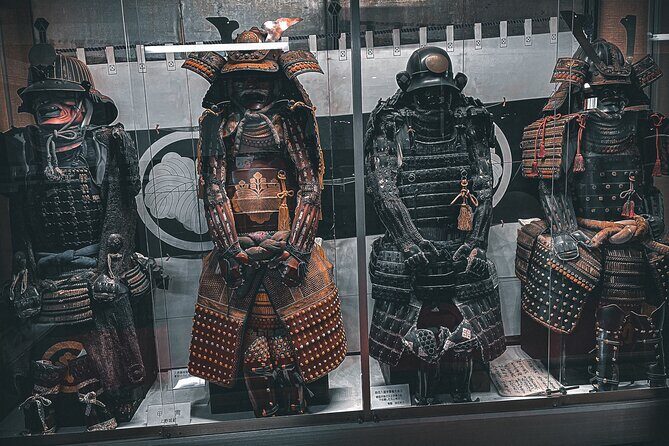
The day begins at the Iga-ryu Ninja Museum. Iga is described as a historical mountain-area city, and the museum leans into the local style tied to Iga-ryu ninjas. One detail I like is that the museum is described as being built by a real ninja master, which is the kind of claim that signals they’re trying to keep it grounded.
You’ll have about an hour here. With this kind of museum stop, expect a mix of explanation and artifacts rather than hands-on action. That’s not a bad thing. In fact, it sets you up to notice what later stops are telling you. When you learn the basics first, the trick-door logic in a ninja house feels like design, not random gimmickry.
Potential drawback: if you’re only interested in theatrics or “show” moments, a museum may feel slower than you want. The payoff is that the rest of the day becomes easier to follow.
Stop 2: Iga Ueno Castle and seeing samurai gear, not props
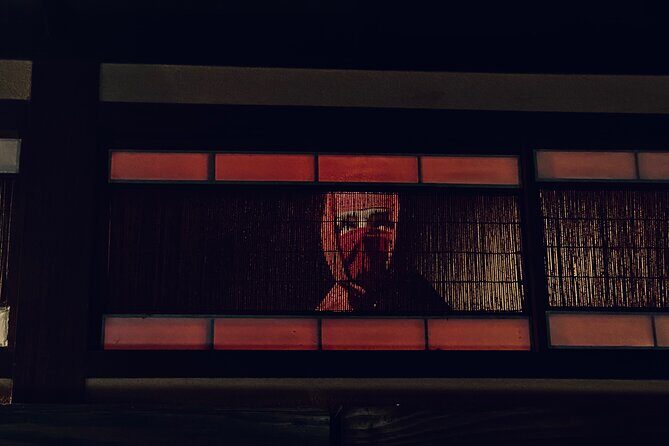
From the ninja start, the tour shifts to Iga Ueno Castle. This is a hilltop castle site in Ueno City, originally built in 1585 during Japan’s warring era. That time period matters because it’s the era when power, weapons, and fort design were all under constant pressure.
Here, the emphasis is on seeing real armor and katana swords used by historical shoguns in battle contexts, not just costume replicas. You’ll have about an hour at the castle, and you’ll use it as a “contrast chapter.” Ninja lore often gets framed as sneaky and shadowy. Samurai history gets framed as direct power, fort control, and visible authority. Putting them side by side helps your brain sort the stories.
Practical note: the castle entrance fee is listed separately (¥600 per person). If you’re budget-checking, plan for that early so you don’t get surprised later.
Shogunzuka Seiryuden Temple: a calm break with Kyoto views
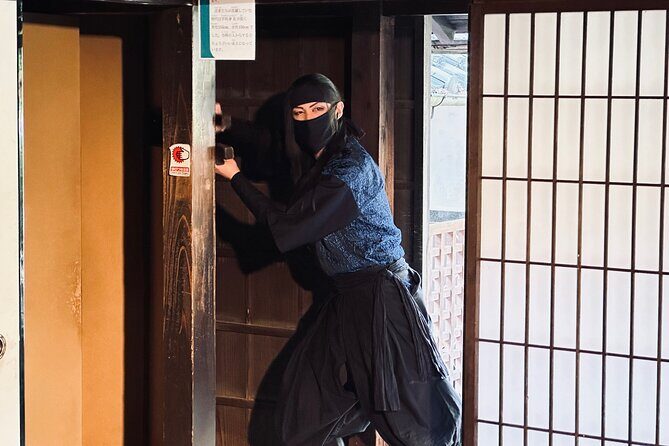
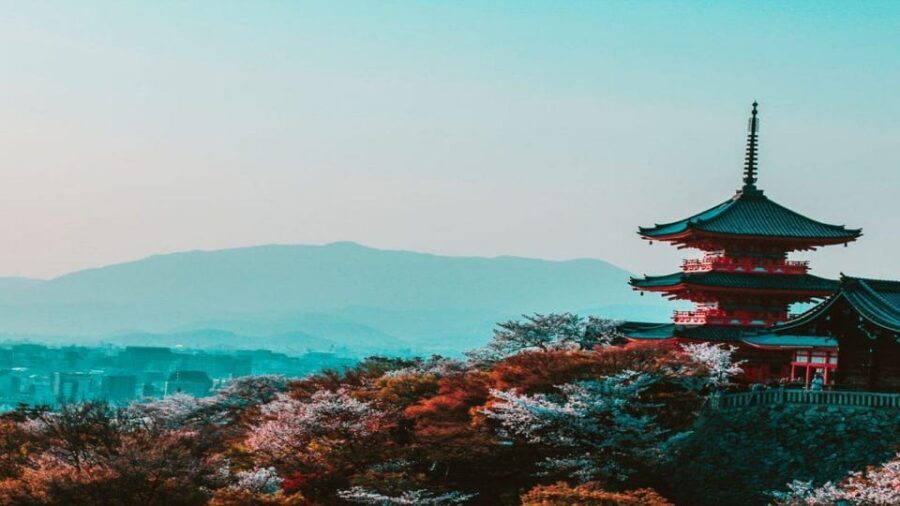
Next comes Shogunzuka (Mound of Shogun) and the Seiryuden Temple area. This stop sits behind the mountains of Gion and is described as being a major viewpoint over Kyoto city. Nowadays it’s also popular with local couples, which tells you the location has something to offer beyond pure history reading time.
You’ll spend about an hour here, and it works well as a breathing pause between the “action-heavy” stops. It also gives you a sense of place. When you can see the city spread out, you can connect the idea of power and movement: who needed to control routes, who needed to hide, and why mountain-adjacent areas played such a role.
This is also a free stop. Some of the value is the shift in pace, not just the story.
Other historical tours in Kyoto


The Iga portion: ninja neighborhoods and the trick-door house
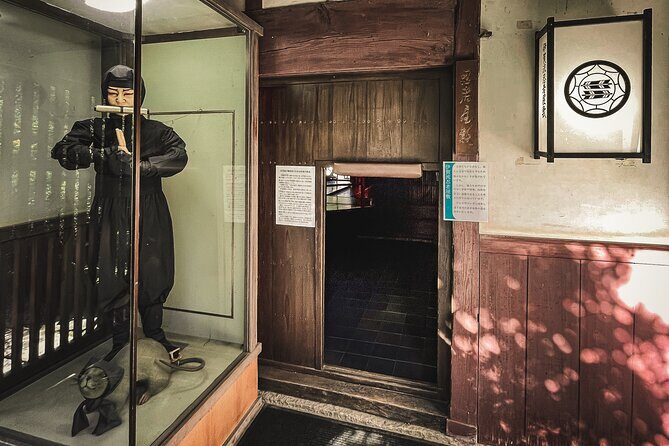
Iga is the flagship ninja area in the tour’s theme. The tour points to Iga as a world-famous ninja region historically run by the Iga-shū (伊賀衆) clan. Even though parts of the city were destroyed by major earthquakes long ago, the cultural identity remained strong enough to preserve and explain the ninja way of life.
You’ll spend about two hours in the Iga area, with free admission for this portion. This is where the tour’s ninja house focus becomes real. In the Iga segment, you can expect to see an authentic ninja house with hidden gimmicks such as flipping doors, secret passages, and hidden sword shelters. Those features aren’t just “cool ideas.” They’re a physical answer to safety, storage, and surprise movement.
What I like about this approach is that it turns ninja stories into architecture. When you see door mechanisms and concealed storage, you start thinking like a designer: what’s the easiest way to move unnoticed, hide valuables, and protect weapons? That’s the kind of thinking that makes history stick.
Possible consideration: some locations have stairs and rough ground. If you have mobility limits, it’s worth going slow and choosing comfortable shoes.
Koka: herbal mixing, training in the forests, and another ninja style
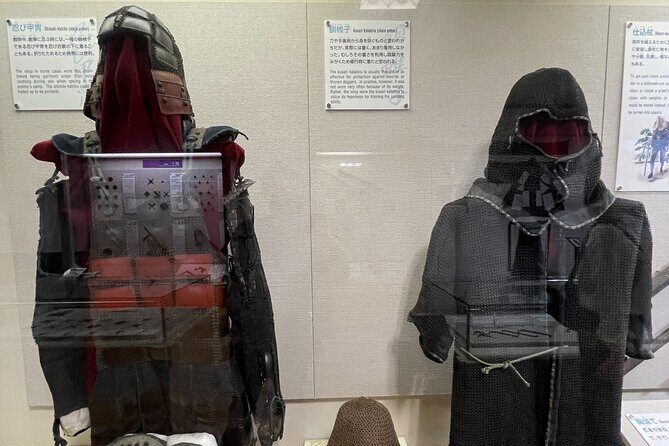
After Iga, the tour shifts to Koka. Koka is presented as one of the two most famous ninja regions/clans, with a standout specialty: herbal mixing skills. In other words, not all ninja work was about only sneaking and fighting. You also see a practical side tied to plants, preparation, and the knowledge required to use natural materials.
You’ll spend about an hour in the Koka area, and it’s described as exploring the region with a local expert. The framing emphasizes real training in deep forests, which again ties back to the mountain setting. That connection between environment and method is where this tour feels more grounded than generic “ninja cosplay” experiences.
A detail I find useful for planning: Koka’s focus is different enough that it avoids repeating the same story twice. Iga leans toward the famous ninja school atmosphere and the house-based trick design. Koka leans toward preparation skills like herbal mixing. If you want a full picture of what ninja life might have required, this pairing helps.
Samurais and ninjas together: why this contrast is worth your time
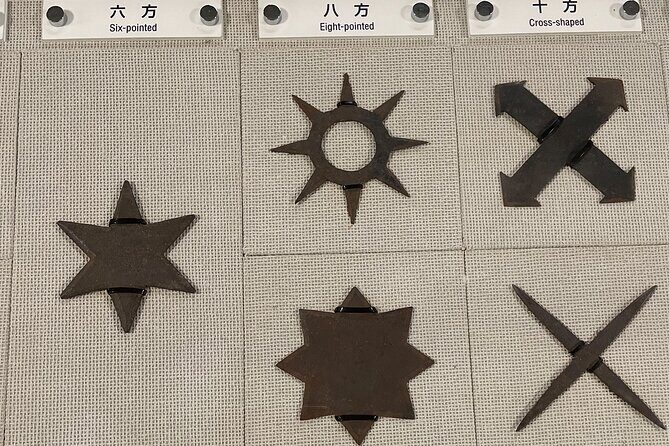
You might think this tour would split into two separate halves: ninjas now, samurai later. But the real value is how the guide can compare the two worlds. Samurai history is not just about armor as a display. It’s about power structures—who controlled territory and what objects mattered in battle contexts. Ninja history, by contrast, is about survival, concealment, and practical engineering like secret passages and weapon storage.
That contrast is also why the day works for different ages. In the feedback you’ll hear, people appreciated that a guide can explain complex ideas clearly enough for both adults and teens. If you’re traveling with kids who like action, the ninja house mechanics do the job. If you have history-minded teens, the castle and viewpoint stops give them structure.
Also, the drive itself helps. Because the day is private and air-conditioned, you’re not just waiting between stops. You’re moving through setting and context.
Price and extra tickets: is it good value?
The tour price is listed as $257.35 per group, up to 6 people. That’s the big picture value: for a private guide and private vehicle for a full six-hour day, you’re not paying “per person” for the service. You do pay additional entrance fees at certain sites.
Based on the included/excluded info, you should expect entrance costs like:
- Iga-Ueno Castle: ¥600 per person (not included)
- Iga Ninja House: ¥800 per person (not included)
- Iga-ryu Ninja Museum: admission ticket not included (amount not specified)
Is it worth paying extra? For me, the deciding factor is whether you actually want the private format and the two-theme pairing in one day. If you’d rather save money and join a bus group, you could find cheaper options. But if you want a fluent English guide, hotel pickup/drop-off, and a guided flow between ninja and samurai stops, this pricing starts to make sense.
Also, the experience is rated 4.8 from the set of feedback you can see, which signals strong consistency for what you’re buying: guide delivery, comfort, and the specific ninja house details.
Who should book this tour
Book it if you want:
- A private day trip that avoids transit stress
- Real-world settings for ninja stories, including trick-door architecture
- A samurai stop where armor and swords are part of the explanation, not just a background photo spot
- An English guide who can explain both history and geography clearly
It’s less ideal if:
- You’re only interested in performances or shows on a strict schedule
- You want a very slow museum-only pace
Because there are stairs and some uneven ground at certain stops, wear shoes you trust.
Should you book Secrets of Ninjas X Samurais?
My take: if you like your history grounded in physical details—doors, passages, weapons, armor—this is a smart pick. The tour’s structure matches the story. It starts with ninja context, shifts to samurai power, pauses for a viewpoint, then returns to ninja design in Iga before adding Koka’s herbal-training angle.
Just go in with the right expectation. This is guided history and place-based learning, not a guaranteed performance ticket. If you’re flexible and you want a guided, private contrast between two major Japanese worlds, you’ll likely feel you got your money’s worth.
FAQ
Is this tour private?
Yes. It’s a private experience, and only your group participates.
How long is the tour?
The duration is about 6 hours.
Where does the tour take place?
It’s based in Kyoto and visits Iga and Koka areas in Japan.
What is the price?
The price is $257.35 per group (up to 6 people).
What time does the tour start?
The start time is 1:00 pm.
What’s included in the price?
Included features are a private air-conditioned vehicle, detailed English descriptions, parking/highway/fuel fees, and direct pickup and drop-off from your hotel (or anywhere) in the listed pickup areas. It also includes a mobile ticket.
What entrance fees are not included?
Iga-Ueno Castle has an entrance fee of ¥600 per person. The Iga Ninja House has an entrance fee of ¥800 per person. Iga-ryu Ninja Museum also lists admission as not included. Shogunzuka Seiryuden Temple and the Iga and Koka area portions are listed as free.
Is pickup available?
Yes. You can get direct pickup and drop-off from your hotel (or anywhere) from the tour’s stated pickup areas.
Does the tour involve stairs or walking on rough ground?
Some locations have stairs and rough ground, so plan for a bit of walking.
What cancellation options do I have?
Cancellation is free up to 24 hours in advance for a full refund.
Can I bring a service animal?
Yes, service animals are allowed.