Sake can feel intimidating. This Kyoto experience turns it into a simple, guided game. You’ll learn how sake is made, then taste multiple styles side by side, so you can figure out what you actually like. The vibe is relaxed but focused, led by certified sake experts like Kiyomi, Mayo, or Kotaro, who explain the differences in plain language and with real patience.
What I like most: you’re taught the basics you need to choose sake on your own, not just handed cups. What I also like: the food pairing is built in, so you understand why a sake that seems average alone can become great with the right bites.
One consideration: it’s very alcohol-forward. If you’re under 20, or if you arrive by car or bicycle, alcohol won’t be served for safety and legal reasons (non-alcoholic drinks are available). Plan around that and you’ll be fine.
In This Review
- Key takeaways before you go
- Kyoto Insider Sake Experience: Why it’s good for beginners
- The 90-minute structure: from brewing basics to side-by-side sips
- The tasting lineup: finding your style instead of collecting random bottles
- Otsumami snacks and pairings: why food changes sake taste
- Hot or cold sake: simple rules that prevent menu mistakes
- How to read sake bottles and menus with confidence
- Meeting the guide, finding the place, and what to bring
- Value check: is $66 for 90 minutes actually a good deal?
- Who this Kyoto sake experience suits best
- Should you book this insider sake tasting?
- FAQ
- How long is the Kyoto Insider Sake Experience?
- How many sake tastings are included?
- Is the tour guided in English?
- What’s included besides the sake tastings?
- Where do I meet the group?
- What’s the price and who is it for?
- Can I cancel for a refund?
- Is transportation included?
- Are there any restrictions on alcohol service?
Key takeaways before you go
- Seven tasting rounds with a sommelier-selected lineup (described as 10+ types in the experience details)
- Hands-on bottle and menu reading tips, so ordering in Japan feels less like guessing
- Dry-to-sweet comparison that helps you pinpoint your personal style
- Otsumami pairings that show how food changes what you taste
- Hot vs cold guidance for actually drinking sake the way Japanese menus expect
Kyoto Insider Sake Experience: Why it’s good for beginners
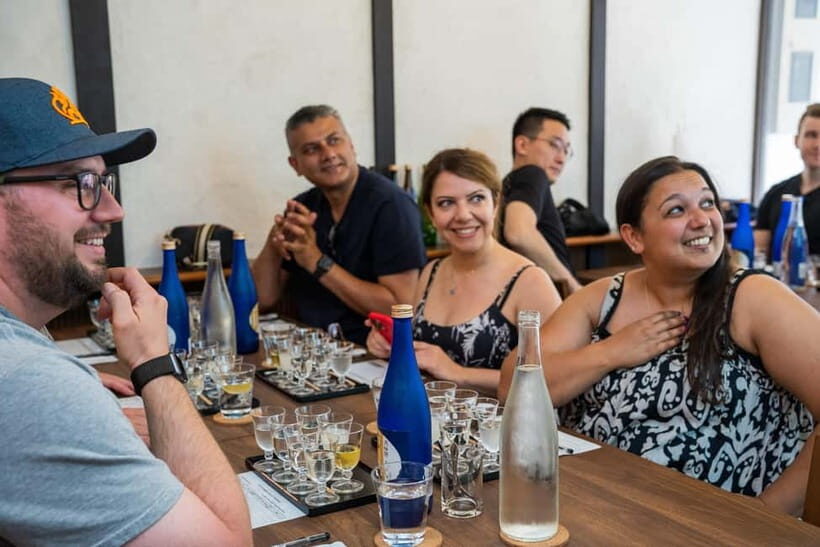
If you’ve ever stood in front of a sake menu thinking, I have no idea what any of this means, this class is designed for you. It’s not about tasting “fancy” drinks for bragging rights. It’s about learning a system: how sake is brewed, what flavor differences mean, and how to order confidently once you’re back out in Kyoto.
The experience also helps because it slows everything down. Instead of one random pour, you get a sequence of comparisons. You start to recognize patterns: crisp can taste crisp across different styles; fruitier profiles can feel brighter; and the same sake can shift with food. That’s how you build real confidence, not just good memories.
And the hosts matter. People highlighted guides such as Kiyomi and Kotaro for clarity and patience, and Mayo for a fun, structured approach. You’re not stuck with a stiff lecture. You’re guided through tastings with time for questions.
If you're still narrowing it down, here are other tours in Kyoto we've reviewed.


The 90-minute structure: from brewing basics to side-by-side sips
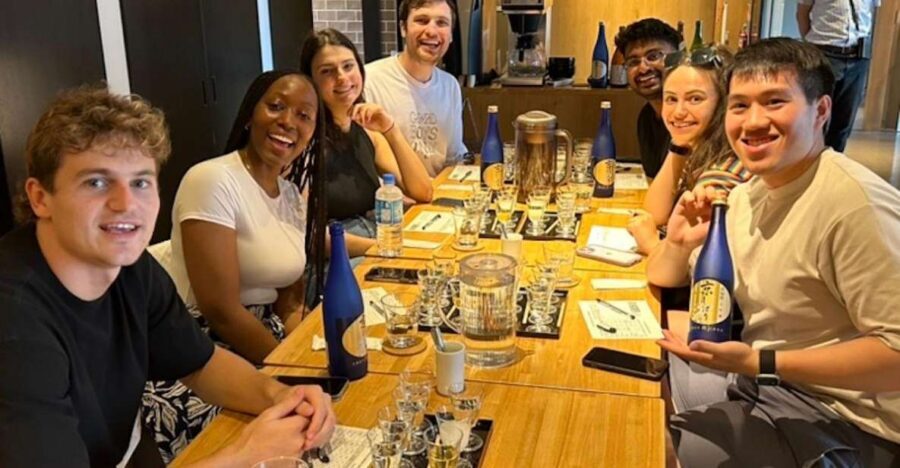
This experience runs about 90 minutes, and it follows a simple teaching rhythm. First, you learn the brewing and quality factors that influence flavor and style. Then you test that knowledge with guided tastings.
The core idea is to connect cause and effect:
- How sake is brewed affects aroma and flavor.
- Different styles shift how dry, sweet, and fruity they taste.
- Quality-related factors (including rice grain refinement) show up in the glass.
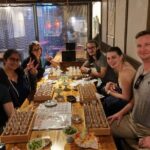
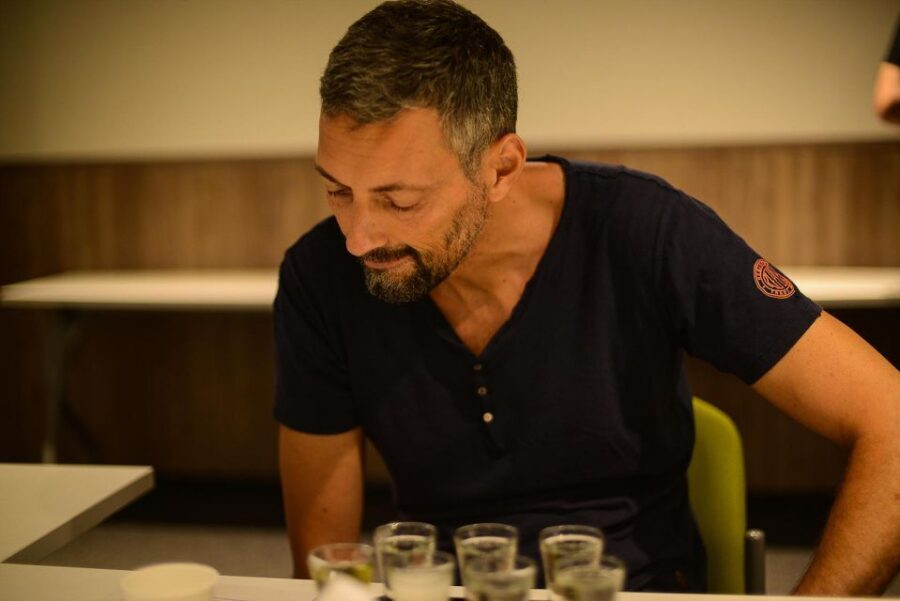
Then comes the practical part. You taste multiple sake types in a dedicated tasting room while your certified guide helps you notice what changes from cup to cup. One of the best ways to understand sake is to compare similar things at once. That’s what this format does: it turns your palate into a comparison tool.
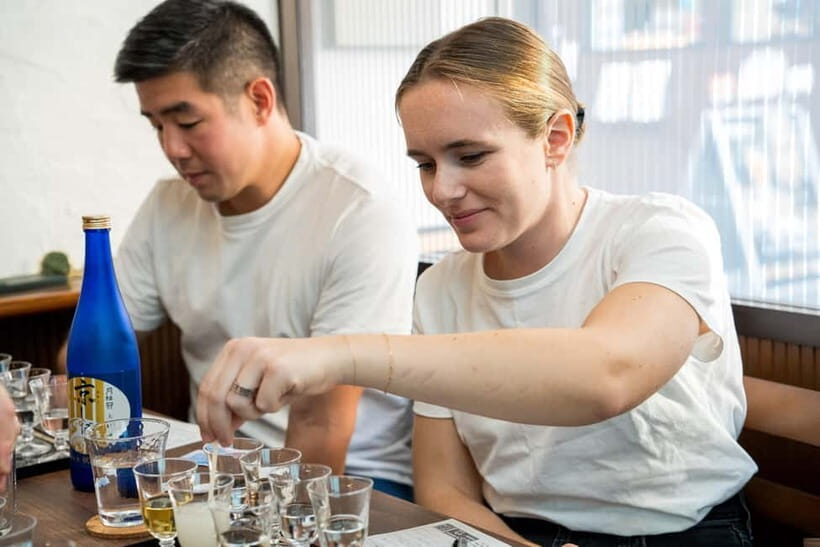
After the initial tastings, you add the snacks. Some people noted the order as tastings first (without food), then tastings with food. That sequence is smart. It gives you a baseline, so you can clearly notice how food pairing changes perception instead of guessing what caused the change.
The tasting lineup: finding your style instead of collecting random bottles
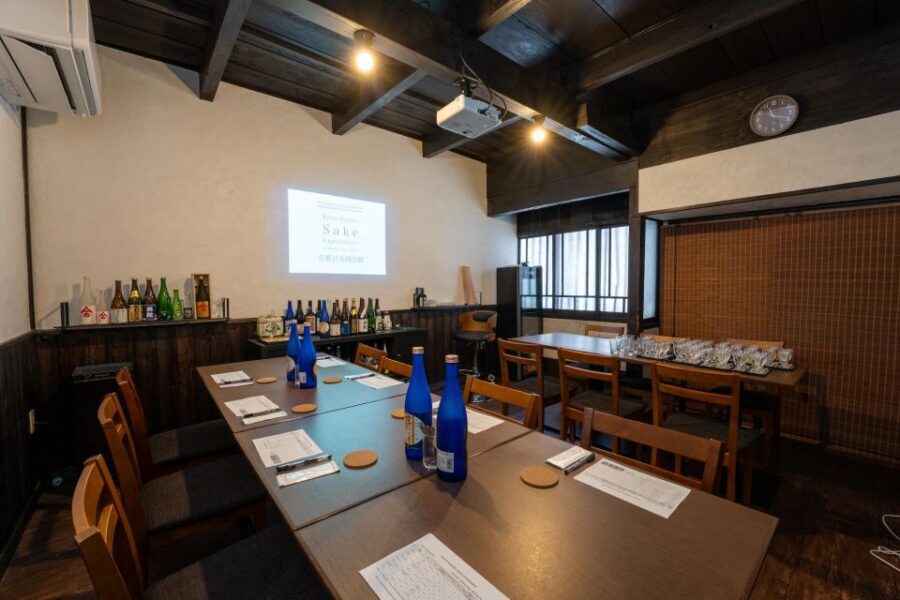
You’ll taste multiple sake styles, described as 7 tastings with a sommelier-selected lineup of 10+ types overall. Either way, the point is the same: you get enough variety to find a direction.
You’re not just chasing “strong” or “mild.” The class is built around identifying key flavor differences, including styles that read as dry and crisp versus those that lean sweet or fruity. Once you can name the difference you like, ordering becomes easier.
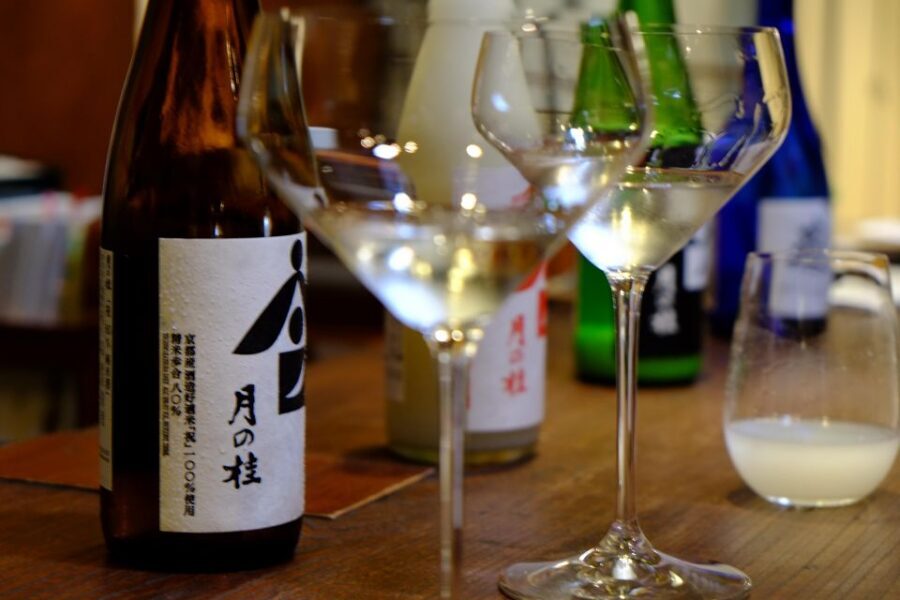
A big value here is the bottle-reading practice. The experience includes a sake cheat sheet and tasting note so you remember what you liked and why. People specifically praised learning how to read the bottle information, and how polishing/refinement of the rice can affect taste. That matters because Japanese menus often describe sake in ways that don’t translate neatly into English. If you can interpret the cues, you’ll avoid the classic mistake: buying a bottle that sounds appealing but tastes wrong for you.
Also, you’ll learn how guides explain regional and ingredient-related differences in simple terms. Even if you don’t memorize every detail, you start to understand what the bottle is trying to tell you.
Otsumami snacks and pairings: why food changes sake taste
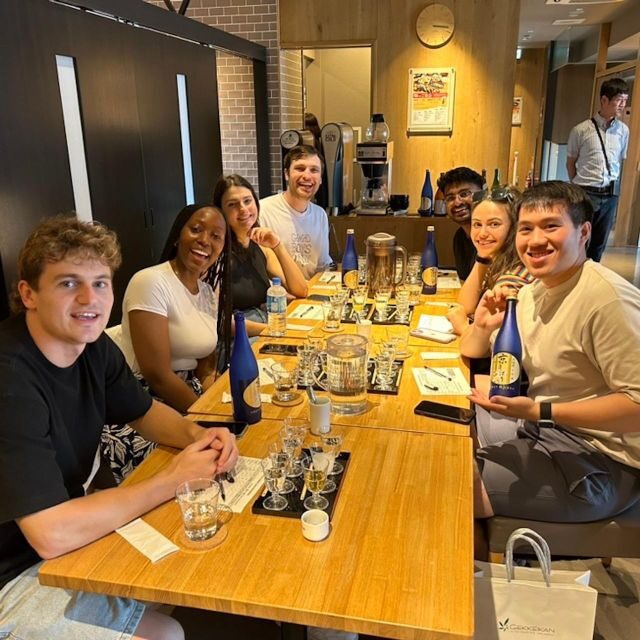
The snacks are not an afterthought. They’re part of the lesson. You’ll have traditional Japanese appetizers called otsumami for pairing.
Here’s why that’s a big deal for real life in Japan. A lot of sake decisions on the menu are food decisions. You might taste a style that seems too sharp or too soft on its own. Then you take a bite with the right snack and the profile shifts in a way you can actually understand.
This class uses food to teach you that effect. People highlighted how pairings changed the way sake tastes, even for sakes they hadn’t loved on their own. One person summed it up as a clear before-and-after moment: a sake might feel “meh” alone, then click with the pairing.
It also helps your order strategy. Instead of guessing, you can think in categories:
- What kind of flavors are in the food?
- How does acidity, salt, or sweetness interact with the sake style?
- Do you want contrast or harmony?
The experience even includes guidance on food pairing basics, including tips for sushi pairings. If sushi is on your Kyoto plan, this is the kind of tip you’ll use that same day.
Hot or cold sake: simple rules that prevent menu mistakes
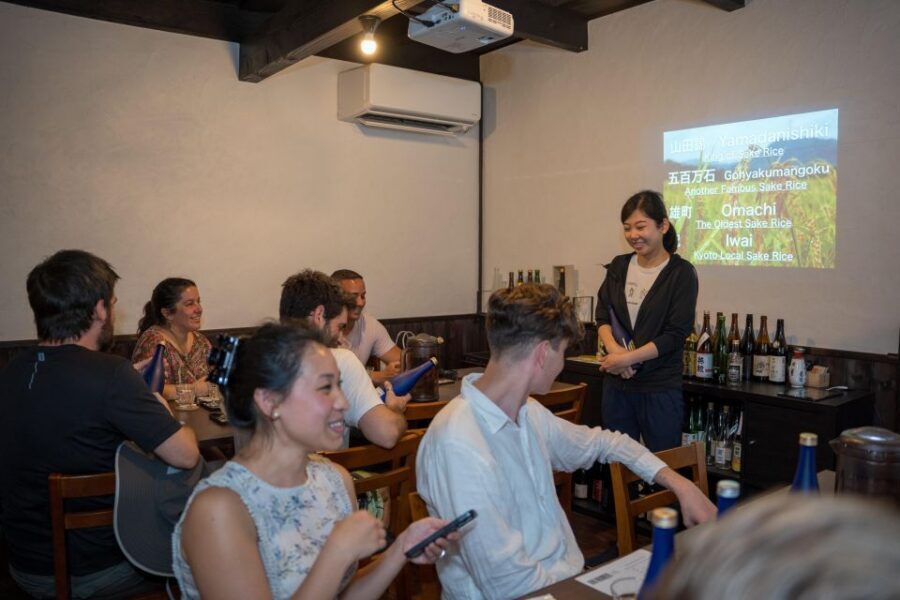
Sake isn’t just one temperature choice. It’s often served hot or cold, and the “right” temperature changes how flavors come across.
This experience includes practical guidance on when and how to enjoy sake hot or cold. That’s valuable because many visitors either:
- order whatever sounds good without thinking about temperature, or
- avoid hot sake because they assume it’s automatically harsh.
Instead, you learn to connect temperature with how the aroma and taste feel on the palate. It’s one more lever you can pull once you’re ordering in Japan, and it turns sake from confusing into controllable.
Other drinking tours in Kyoto




How to read sake bottles and menus with confidence
This is where the $66 price starts to make sense. Tastings are fun, but the “future value” is knowing what to do next.
You get:
- A sake cheat sheet
- A tasting note (so you can remember preferences)
- Guidance on how to read sake bottles and menus
That bottle-reading practice is practical because Japanese sake descriptions can be vague if you don’t know the cues. The class teaches you to interpret the information on the bottle and the logic behind ordering.
One detail that came through clearly from participant comments: people paid attention to polishing/refinement and how it affects taste. That’s not just trivia. If you learn that polishing/refinement impacts the flavor impression, you can use bottle text more effectively when you’re shopping for a bottle after the tasting.
In plain terms: you’re learning how to translate the menu into something your palate can predict.
Meeting the guide, finding the place, and what to bring
You’ll meet by talking to the staff at the counter when you arrive. That’s simple, but don’t treat it casually. You need to be there on time because if you’re more than 20 minutes late, the booking is canceled.
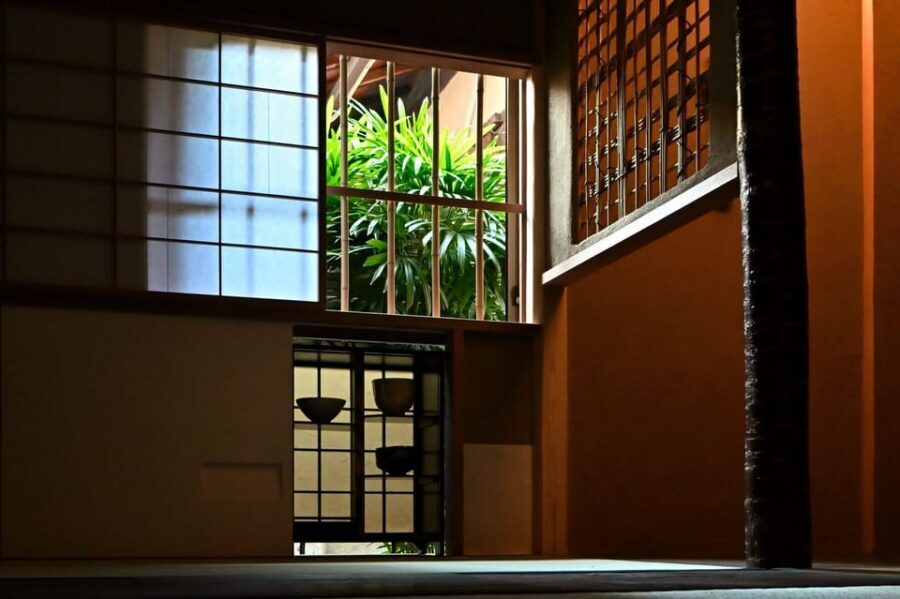
A dedicated tasting room is part of the experience, and that matters because it keeps the learning focused. You’re not bouncing around Kyoto while trying to remember what you were told about flavor.
A few other practical notes:
- Live guide in English
- No bikes allowed
- No strong fragrances allowed (for comfort in a tight tasting setting)
- Let the guide know about any food preferences or allergies on site
Also, plan how you’ll handle the alcohol rules. For safety and legal reasons, alcohol will not be served to guests who arrive by car or bicycle, though non-alcoholic drinks are available. If you want to taste alcohol (not just learn), make your arrival plan accordingly.
Value check: is $66 for 90 minutes actually a good deal?
For $66 per person, you’re buying more than samples. You’re paying for:
- A certified sake expert as your guide
- A sommelier-selected tasting lineup (described as 7 tastings and 10+ types)
- Otsumami snacks for pairing
- A sake cheat sheet and tasting note
- A guided tasting in a dedicated room
Is it worth it? For most sake-curious first-timers, yes, because it reduces two risks that cost money:
1) buying the wrong bottle because the menu was unclear
2) spending time in sake shops with no system
Instead of experimenting blindly, you leave with a framework and a personal shortlist. People also mentioned the servings being generous and the room feeling warm and intimate, which helps you actually enjoy the session instead of feeling rushed.
If you’re already a hardcore sake nerd with years of tasting under your belt, you might find less “new” knowledge. But even then, the pairing logic and the label-reading practice can sharpen how you shop.
Who this Kyoto sake experience suits best
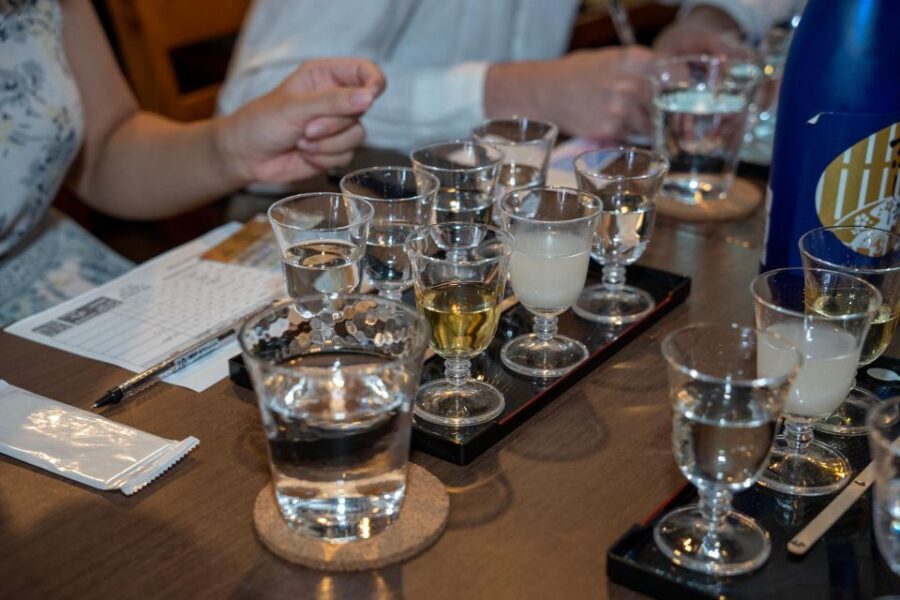
This is best for:
- First-timers who want a calm introduction
- People who care about food pairings and want to understand why tastes change
- Travelers who want to order in Japan with confidence
- Anyone interested in learning how sake style and rice refinement relate to flavor
It’s less ideal if:
- You need a kid-friendly activity. It’s not recommended for children, and age rules apply.
- You’re only interested in non-alcoholic drinks. The experience is designed around sake tastings, and alcohol eligibility is restricted by arrival method.
- You don’t want to participate in tasting rounds. The experience requires reservations, and it doesn’t allow non-drinkers to join.
Also note the age rules clearly: the legal drinking age in Japan is 20, and under-20 guests will only be served non-alcoholic drinks. People under 19 aren’t suitable for the experience.
Should you book this insider sake tasting?
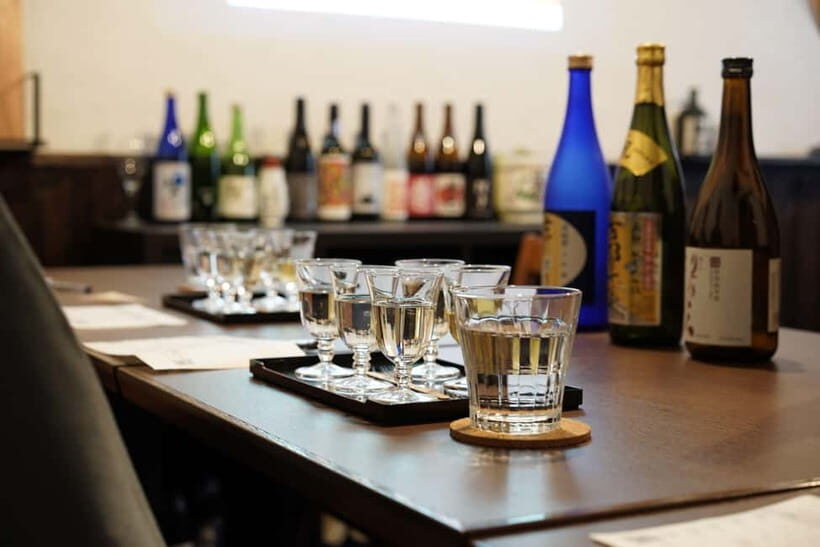
Book it if you want an easy on-ramp to Kyoto sake. This class is built for confidence, not intimidation. You’ll taste a range of styles, see how food pairing changes the same sake, and learn how to read bottle/menu cues so your next purchase is smarter.
Skip it if you’re mainly looking for a sightseeing walk or a non-alcohol tasting event. Also think twice if you can’t commit to being on time, since being more than 20 minutes late cancels the booking.
If you match the basics, this is one of those experiences that pays off the rest of your trip: it turns sake from a confusing menu item into something you can choose and enjoy on purpose.
FAQ
How long is the Kyoto Insider Sake Experience?
The experience lasts 90 minutes.
How many sake tastings are included?
The experience is described as having 7 tastings and a selection of 10+ types selected by a certified sake sommelier.
Is the tour guided in English?
Yes, it includes a live tour guide in English.
What’s included besides the sake tastings?
You’ll get otsumami (traditional Japanese appetizers) for pairing, plus a sake cheat sheet and tasting note. Tastings are held in the provider’s own dedicated tasting room.
Where do I meet the group?
Please talk to the staff at the counter when you arrive at the meeting point.
What’s the price and who is it for?
The price is $66 per person. The experience requires a reservation, and it’s not recommended for children. People under 19 are not suitable, and alcohol service follows Japan’s legal age rules.
Can I cancel for a refund?
Yes. There is free cancellation up to 7 days in advance for a full refund.
Is transportation included?
No. Transportation to and from attractions is not included, and there is no hotel pickup or drop-off.
Are there any restrictions on alcohol service?
Alcohol will not be served to guests who arrive by car or bicycle (non-alcoholic drinks are available). Also, strong fragrances aren’t allowed, and bikes aren’t allowed.