Kyoto can feel big on your first day. This private half-day walk helps you get oriented fast, then zooms in on neighborhoods you actually care about. The best part is the personalized route built around a questionnaire and direct contact with your host, so the day feels like it’s yours, not a canned loop.
I especially like the mix of top sights and “how locals see it” context, from Sanjo’s classic shops along the Kamogawa River to the shrine lanes and Gion-era streets. You also get real flexibility: guides such as Woohee, Mai, Papa Ninja, Andy, Ada, and Alexi Tsubasa have been praised for tailoring the pace and interests, handling crowds, and even helping with practical needs like photos or quick Japanese phone calls. One thing to consider: it’s mostly walking, and some days can be cold or uncomfortable if you don’t dress for Kyoto weather.
In This Review
- Key Takeaways Before You Walk
- A Kyoto Half-Day That Actually Fits Your Day
- Meeting at Sanjo: Where the Route Makes Sense
- Tailoring Starts Before You Leave: Questionnaire + Direct Chat
- Sanjo and the Kamogawa River: Classic Streets With Real Context
- Walking Through Gion: Entertainment District Atmosphere and Photo Moments
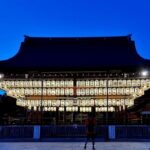
- Yasaka Shrine: A 1,350-Year Anchor for Festival Memories
- The 1895 Shrine Torii Gate: Founding Links Without the Lecture Tone
- An Edo-Period Fortress Linked to Tokugawa Ieyasu
- How the Guide Changes Everything (And Why That Shows Up in Reviews)
- Price and Value: Why $137.74 Can Be a Smart Move
- What’s Included, What You Pay For, and What to Bring
- Should You Book This Kyoto Private Walking Tour?
- FAQ
- What is the duration of the Kyoto private walking tour?
- Is this tour private or shared with other travelers?
- Where does the tour start?
- Can I choose the time I start the tour?
- How is the itinerary customized?
- Is pickup included?
- What’s included in the price?
- What costs are not included?
- Will the guide use public transportation during the tour?
- Is cancellation free?
Key Takeaways Before You Walk
- Private, tailored route based on a pre-tour questionnaire and direct host messaging
- Choose 1–2 neighborhoods, so you’re not stuck seeing what you didn’t plan for
- Sanjo to Gion area coverage includes the Kamogawa River and classic entertainment district lanes
- Shrine time with story context, including Yasaka Shrine and its long festival connection
- A guided plan that reduces navigation stress, especially if language is a barrier
A Kyoto Half-Day That Actually Fits Your Day
A half-day in Kyoto is perfect for getting your bearings. This tour is designed for that exact moment when you want the big landmarks, but you also want to avoid wasting time zigzagging around unfamiliar streets.
You’ll walk at a pace that’s supposed to match your interests and timing. When the day is private, your host can slow down for questions, step around tricky crowd flow, and adjust the route if your group has kids, older relatives, or just a slower rhythm.
Other walking tours we've reviewed in Kyoto

Meeting at Sanjo: Where the Route Makes Sense
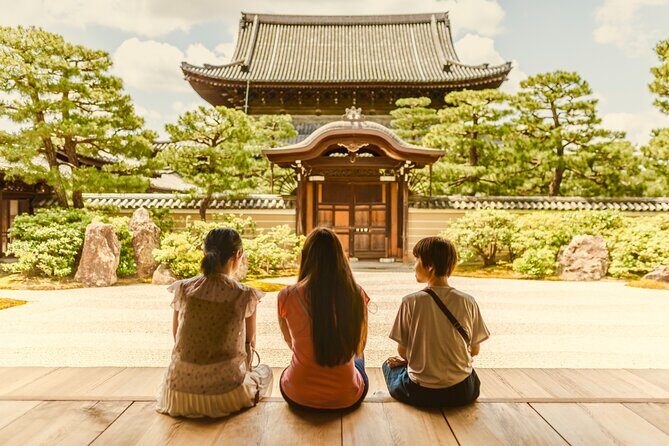
The meeting point is Starbucks Coffee – Kyoto Sanjo-ohashi Bridge in the Nakagyo Ward area. It’s a practical anchor because it puts you in striking range of some of the most walkable “first look” Kyoto zones.
From there, the route naturally leans into the parts of Kyoto that help you understand how the city is stitched together: old shop streets, river walks, shrine approaches, and the entertainment districts that show off traditional architecture. If you’re the kind of traveler who wants your day to flow without constant train transfers, starting in this central pocket helps.
Tailoring Starts Before You Leave: Questionnaire + Direct Chat
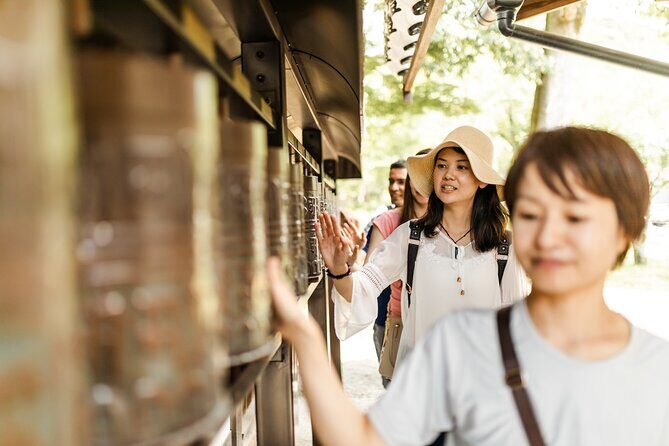
This tour isn’t only about pointing at famous places. After booking, you get a questionnaire to share must-sees, preferences, and interests. Then the host reaches out to craft a customized itinerary around your style—history, food stops (self-paid), cultural experiences, or quieter streets.
That pre-planning matters more than it sounds. It’s the difference between doing Kyoto on hard mode (maps, transit, and guessing what’s worth your time) and doing Kyoto with a guide who’s steering the day to match your priorities.
Sanjo and the Kamogawa River: Classic Streets With Real Context
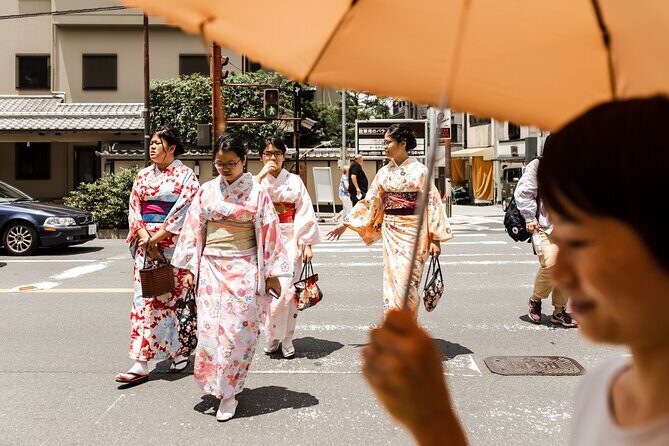
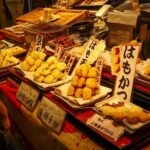
One stop focuses on the Sanjo area, known for historic family-run shops and specialty stores. Even if you don’t plan to shop, this part is useful because it shows you how local commerce and daily life sit right next to tourist Kyoto.
Then you stroll along the Kamogawa River, with your host sharing stories about Kyoto’s heritage and local traditions. This is where you start to understand Kyoto’s “in-between” places—the alleys, bridges, and river edges that feel lived-in rather than staged.
A practical tip: bring layers even when the forecast looks mild. One review mentioned a cold day in Kyoto, and the group still enjoyed Buddhist temples—proof that weather prep is what keeps the tour enjoyable.
Walking Through Gion: Entertainment District Atmosphere and Photo Moments
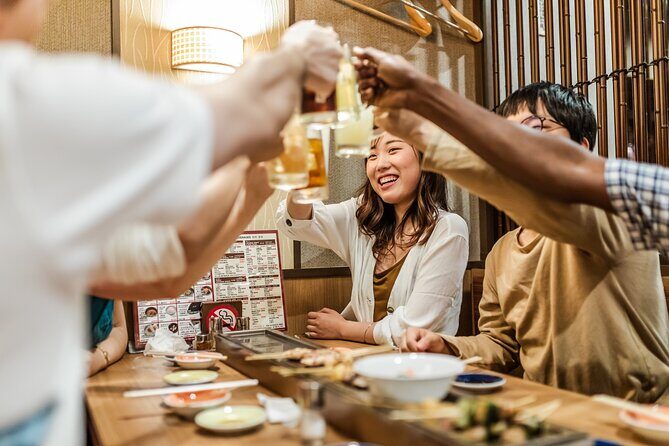
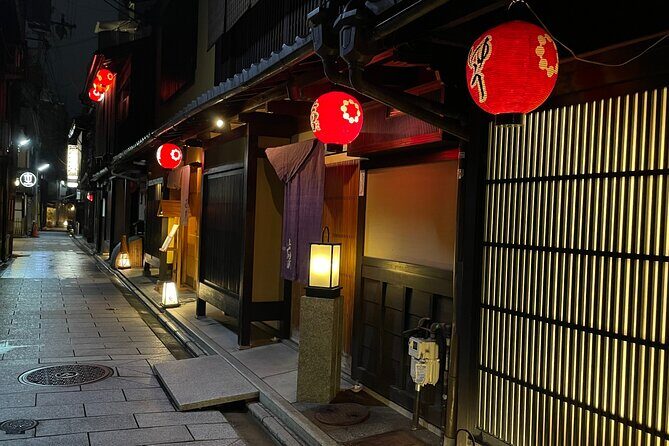
Next up is Kyoto’s iconic traditional entertainment district. You’ll move through atmospheric lanes lined with wooden townhouses, teahouses, and refined restaurants, guided with explanations about what you’re seeing and why it matters.
The route includes Tatsumi Bridge to reach the scenic area beyond. This is a smart add-on because bridges and river views help you break up the day visually after shrine gates and dense streets.
If you like photography, this part tends to work well because the architecture gives you shape and contrast. Plus, a good host can steer you around the worst crowd snags so you spend more time looking than waiting.
Other private tours in Kyoto




Yasaka Shrine: A 1,350-Year Anchor for Festival Memories
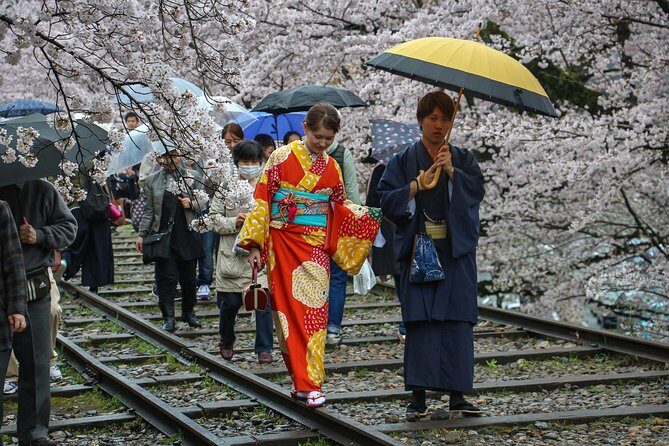
You’ll visit Yasaka Shrine, described as Kyoto’s guardian shrine for over 1,350 years. The emphasis here isn’t just architecture—it’s the meaning behind the place, plus how it ties into one of Japan’s best-known seasonal festivals.
Your host will also connect Yasaka Shrine with Gion Matsuri, one of Kyoto’s most celebrated cultural events. Even if you’re visiting outside festival season, understanding the shrine-festival relationship helps everything else you see in Gion make more sense.
One consideration: shrine areas can be busy, and Kyoto’s foot traffic can be unpredictable on any given day. If you’re hoping for maximum quiet, ask your host during your pre-planning message what timing they recommend for lighter walking.
The 1895 Shrine Torii Gate: Founding Links Without the Lecture Tone
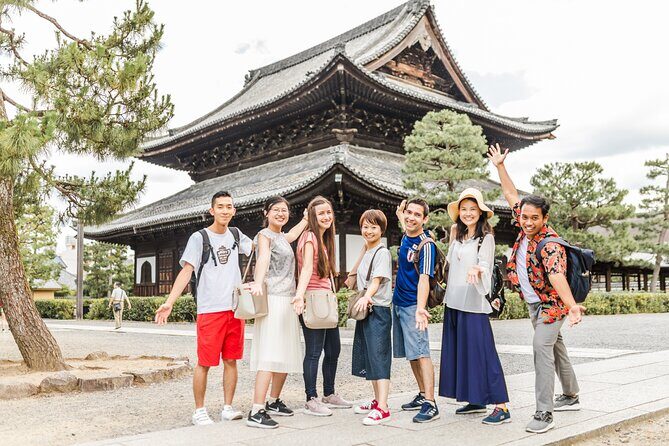
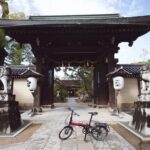
Another stop highlights a grand torii gate and broad approach to a shrine described as relatively modern but important, built in 1895. Your guide explains its connection to Kyoto’s founding and the spirits of the emperors it enshrines.
This is a helpful pivot because it keeps the tour from being “only ancient Kyoto.” It shows you how the city’s identity still gets expressed through later-era spiritual architecture and symbolism.
If you’re a fan of details, this stop is likely to reward you. The torii and approach give you strong sightlines, and the guide’s story work helps you understand what you’re standing in front of instead of just admiring the gate.
An Edo-Period Fortress Linked to Tokugawa Ieyasu
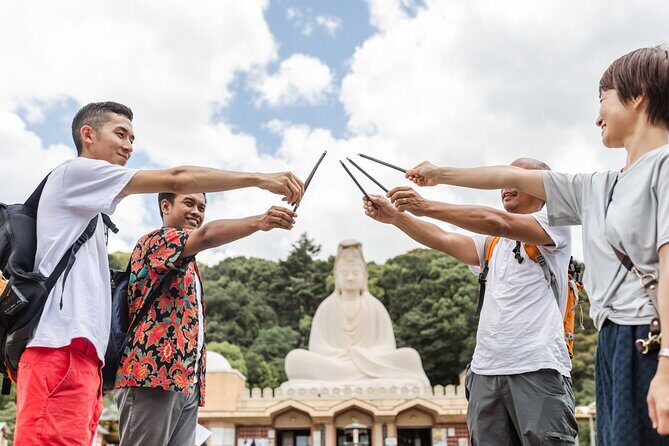
The itinerary finishes with an Edo-period fortress built to show the power of Tokugawa Ieyasu. You’ll wander the grounds while your host shares lively stories about samurai, shoguns, and Kyoto’s dramatic history.
Even without knowing your shogun era facts, this stop works well because fortress layouts and power symbolism are easy to picture once someone puts them into context. It’s also a solid way to close a half-day: you move from river and shrine spaces into a stronger “rule and protection” historical theme.
As you walk, keep an eye out for how the grounds feel designed for authority—this is where Kyoto’s history becomes more than background reading.
How the Guide Changes Everything (And Why That Shows Up in Reviews)
This tour’s standout strength is the people factor. Guides have been praised for asking about interests and then shaping the day around you, not around a checklist.
Examples from real guide styles you’ll want to remember:
- Woohee was praised for tailoring the tour around interests and hitting main attractions plus markets and geisha areas without losing your attention.
- Mai helped a group move smoothly through crowded station areas to reach destinations chosen for that day.
- Andy focused on less crowded spots when that was the priority.
- Ada coordinated in advance, stayed on time, and even helped make phone calls in Japanese when needed.
- Alexi Tsubasa combined getting acquainted with walking Kyoto and pointing guests to shops for Kyoto artisans, plus added-on food recommendations like sukiyaki that are paid by you.
What this means for you: don’t be shy with your priorities. Tell your host what you hate (crowds, long lines, very dense neighborhoods) and what you love (shrines, crafts, markets, river walks). A private guide can steer around your dislikes.
Price and Value: Why $137.74 Can Be a Smart Move
At $137.74 per person, this tour isn’t a budget activity, but it also isn’t priced like a full-day bespoke expedition. For a 3–4 hour private walking experience, you’re paying for three things that matter in Kyoto:
- Time saved: you’re not wasting your limited first-day hours figuring out routes and what fits together.
- Context delivered as you walk: you get explanations at the exact moment you’re seeing torii gates, shrine approaches, entertainment district lanes, and fortress grounds.
- Personal matching: a questionnaire plus direct communication means the day is supposed to track your interests.
Also note that public transport or local taxis may be used to transfer between sites if needed, and exact costs can be discussed with your host. Since the core experience is walking, you generally control how much extra transit you want.
One more value point: it’s booked about 36 days in advance on average, so if your trip dates are fixed, plan sooner rather than later.
What’s Included, What You Pay For, and What to Bring
Included:
- A private, personalized 4-hour walking experience with a local host
- Flexible start times you select during booking
- A pre-tour questionnaire
- Direct communication for planning and local recommendations
- A mobile ticket
Not included:
- Food, drinks, and tickets
- Transportation between sites (if used), though it may be additional
- Gratuities (optional)
So treat this like a guided orientation and story walk, not an all-in-one pass. Your host can point you toward great places to eat or shop, but you’ll pay those costs yourself.
Bring:
- Comfortable shoes for steady walking
- A light rain layer if there’s any chance of showers
- A warm layer if you’re traveling in colder months (Kyoto cold can sneak up on you, even when you expect crisp air)
Should You Book This Kyoto Private Walking Tour?
Book it if you’re a first-timer who wants less stress and more meaning in a short time. It’s also a great pick if you prefer to choose your own neighborhood focus rather than be dragged through a fixed circuit.
Skip it only if you already know Kyoto well, or if you want a self-paced day where you don’t need guidance or interpretation. Also consider whether you’re comfortable with mostly walking for a half day, especially on windy or chilly days.
If you do book: message your host early with your priorities (shrines vs. neighborhoods vs. markets), and ask for a pace that matches your group. That’s where this tour tends to deliver the biggest payoff.
FAQ
What is the duration of the Kyoto private walking tour?
It’s listed as about 3 to 4 hours.
Is this tour private or shared with other travelers?
It’s a private tour, meaning only your group participates.
Where does the tour start?
The meeting point is Starbucks Coffee – Kyoto Sanjo-ohashi Bridge in Kyoto.
Can I choose the time I start the tour?
Yes. Flexible start times are available, and you choose your preferred time during booking.
How is the itinerary customized?
After booking, you’ll receive a short questionnaire about interests and must-sees. Your host contacts you to tailor the route to your preferences and pace.
Is pickup included?
Pickup is offered, but the experience is primarily a walking tour.
What’s included in the price?
The tour includes the private personalized walking experience, the questionnaire, direct communication with your host, and a mobile ticket.
What costs are not included?
Food, drinks, attraction tickets, and transportation are not included. Gratuities are also not included (optional).
Will the guide use public transportation during the tour?
Public transportation or local taxis may be used to transfer between sites, and any exact costs can be discussed with your host after the reservation is finalized.
Is cancellation free?
Yes, the policy is free cancellation. You can cancel up to 24 hours in advance for a full refund.