Kyoto tea slows your day down. This small-group ceremony in Nakagyo Ward lets a tea master show the precise steps of preparing matcha in a private, calm setting—then you taste and learn the etiquette that makes it more than just sipping tea.
Two things I really like: the small group size (max 8) keeps the room peaceful, and you get a hands-on moment where you can learn the ritual rather than just watch. Bonus: tea and traditional sweets are included, so you’re not hunting down snacks after the fact.
One consideration: the tea room can run cold (especially in November), and with a 45-minute slot the pace can feel a little tight if you like lots of back-and-forth.
In This Review
- Key points to know before you go
- Kyoto Tea Ceremony 101: Why This Setting Matters
- Finding the Place Near Nakagyo Ward (Without Overthinking It)
- The Ceremony Flow in 45 Minutes: What You’ll Actually Do
- Matcha Preparation, Step by Step (and Why That’s the Real Value)
- Seasonal Sweets and the Balance of Flavor
- Etiquette, Silence, and the Photo Rules You Must Know
- What You Should Wear (Since There’s No Kimono Option)
- Who This Tea Ceremony Is For (and Who Might Want Something Else)
- Price and Value: Is $56.49 Worth It?
- Practical Tips That Make the Experience Smoother
- Should You Book This Kyoto Tea Ceremony?
- FAQ
- How long is the tea ceremony?
- What’s the group size limit?
- Is tea included?
- Are snacks or sweets included?
- Is kimono rental included?
- Can I take photos or videos during the ceremony?
- Where do I meet for the tour?
- What ticket format will I receive?
- Is the activity near public transportation?
- Are service animals allowed?
Key points to know before you go

- A tea master runs the show with careful, step-by-step guidance for matcha preparation
- Small group cap of 8 helps keep the experience quiet and personal
- Tea and seasonal sweets are included, so the experience is complete
- No kimono rental, so plan for regular clothes
- No photos during the tea performance, but you can take pictures before/after
- Hosts like Mai are praised for calm explanations and warm hospitality
Kyoto Tea Ceremony 101: Why This Setting Matters

Kyoto is famous for traditions, but tea culture is special because it’s slow on purpose. The point isn’t performance for crowds—it’s mindfulness, courtesy, and repeatable motions you can understand in minutes.
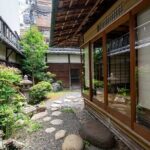
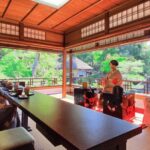
What makes this ceremony work in Kyoto is the setting: a private, elegant tea space where the host leads you through the ritual with enough structure that you won’t feel lost. It’s also timed well for a vacation rhythm—45 minutes is long enough to learn, but short enough to fit between temple visits.
A few more Kyoto tours and experiences worth a look
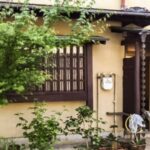
Finding the Place Near Nakagyo Ward (Without Overthinking It)

You meet at 南総合会計事務所 450-1 Sanbongichō, Nakagyo Ward, Kyoto, 604-0871. The activity is near public transportation, which helps if you’re moving around Kyoto by subway/bus and don’t want to plan a long detour.
This is a mobile ticket setup, so you can keep things simple on your phone. If you’re the type who hates last-minute errands, you’ll appreciate that you’re showing up for one focused activity.
The Ceremony Flow in 45 Minutes: What You’ll Actually Do

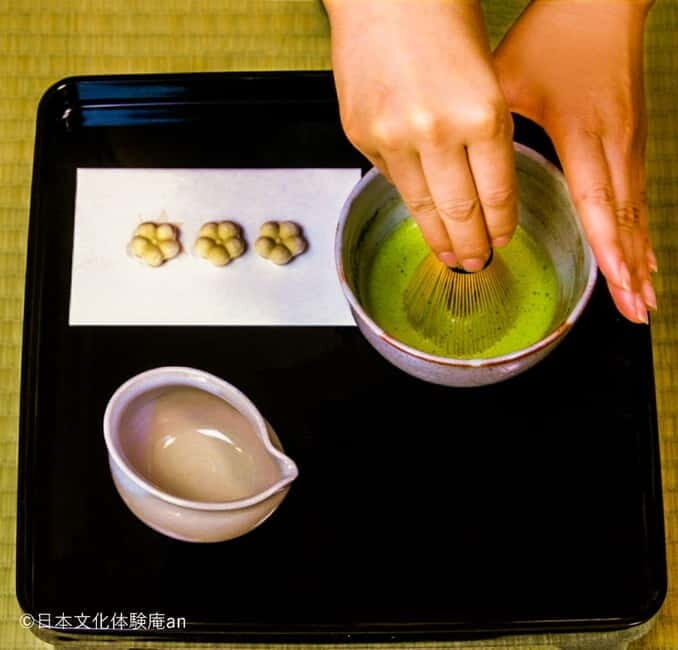
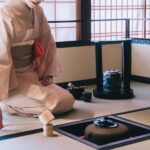
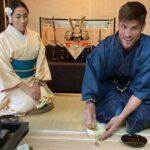
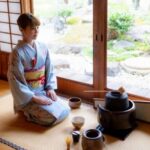
This experience is designed around a single, clear arc: watch the steps, learn what they mean, then participate. Expect a tea master to demonstrate the ritual process using premium matcha sourced from Kyoto producers, with traditional seasonal sweets served alongside.
You’ll also get etiquette coaching—how to enter the tea space, where to sit, and how to handle yourself while tasting. Several guests specifically praised how the host explained the room rules, which matters because tea culture is about manners as much as flavors.
Matcha Preparation, Step by Step (and Why That’s the Real Value)

A lot of Kyoto tea stops are basically drink-and-go. Here, the host breaks down the motions so you understand what you’re looking at—how matcha is prepared and how the ritual is carried out with intention.
The best part is that you’re not stuck behind a plate glass wall. You learn enough to participate, and that makes the tea taste more vivid because you know what your hands are doing.
Some hosts are especially noted for pacing and English explanations, including a host named Mai in at least one widely praised experience. If you’re nervous about the language barrier, you’ll still be fine because the ceremony is visual and guided, not just lecture-based.
Seasonal Sweets and the Balance of Flavor

You’ll be served traditional Japanese sweets with your tea. Reviews highlight that the sweets and matcha were delicious, with the overall experience feeling thoughtful rather than rushed for calories.
Tea ceremonies are about balance: the sweetness clears the palate, and the matcha follows with a different kind of richness. If you usually drink green tea casually, this is a nice upgrade because Kyoto-style matcha is treated with real attention.
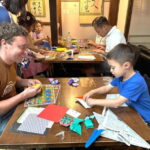
One practical detail from real experiences: if a child dislikes the sweets, the host may offer an alternative (one family reported Oreos being provided). That’s not a guaranteed promise, but it shows the host is willing to keep the experience comfortable for everyone.



Etiquette, Silence, and the Photo Rules You Must Know

Tea rooms ask for a certain quiet. Even if you’re not fully fluent in Japanese, the atmosphere helps you get the rhythm fast—slow movements, calm attention, and space for questions.
Photo rules are strict in the ceremony area. You can take photos before and after, but during the tea performance where the host is demonstrating and you’re participating, photos/videos aren’t allowed. So if you’re the type who documents everything, plan to get your shots outside the exact performance moment.
The host will also guide you on proper etiquette for entering and sitting. I like ceremonies where you’re taught what to do, not judged for not knowing.
What You Should Wear (Since There’s No Kimono Option)

No kimono rental is included. That’s a clear difference from some popular tourist versions of tea where you dress up first for photos.
Wear comfortable clothes you can sit in for a short time. Add layers if you tend to get cold easily—one review flagged that the house can be very cold in November. Tatami-style rooms and quiet air-conditioning don’t always feel warm, so a light jacket can save your comfort.
Who This Tea Ceremony Is For (and Who Might Want Something Else)

This is a strong pick if you want authentic, calm tea culture rather than a high-energy show. The maximum group size of 8 is a big deal: it keeps the host’s attention focused and makes questions feel natural.
It’s also good for couples and small groups who like slower activities. If you’re a parent traveling with kids, it can work too—some families reported their children enjoyed it, especially because the host explained things clearly and handled preferences with care.
If you’re hoping for a fancy “costume + photo + big spectacle” experience, you might feel let down. One caution that comes up is that the session can feel a bit rushed and not overly fancy—more like being invited into someone’s tea world than visiting a staged attraction.
Price and Value: Is $56.49 Worth It?
At $56.49 per person, this isn’t the cheapest activity in Kyoto. The value comes from the parts that usually cost more when you add them separately: a dedicated tea master, matcha preparation guidance, seasonal sweets, and a small-group setting where you’re not competing with a crowd for attention.
Forty-five minutes can sound short, but with tea ceremonies, the payoff isn’t time—it’s the learning. You leave knowing what to look for next time you see matcha prepared, and you understand the etiquette rather than just remembering a drink.
Also, because tea and snacks are included, you avoid the common “surprise add-ons” problem. When an experience is priced fairly for what’s delivered, it feels easier to say yes.
Practical Tips That Make the Experience Smoother
Plan to arrive with a calm mindset. Tea ceremony etiquette is simple, but your body will follow the room if you’re not rushing in your head.
Bring a layer for chilly rooms, especially if you’re visiting in late fall or winter. If you’re wearing something awkward to sit in, you’ll notice it more in a quiet setting where you can’t distract yourself with noise.
If you’re traveling with kids, it helps to be flexible about sweets. The host can sometimes adjust what’s served if something doesn’t work for someone at the table.
Finally, set expectations about photos: shoot before/after, then give the moment your attention while the performance is happening.
Should You Book This Kyoto Tea Ceremony?
Book it if you want a small-group matcha lesson in a quiet private setting, with etiquette taught and tea + seasonal sweets included. It’s a good way to experience Kyoto’s cultural side without spending your whole day in a line.
Skip it if you’re mainly after a kimono-dressing, photo-first attraction or if you’re expecting an extended, multi-hour event. With a 45-minute format and photo restrictions during the ceremony, it’s designed for focus, not for wandering.
If you’re looking for one respectful, memorable Kyoto activity that feels personal, this one is worth your slot.
FAQ
How long is the tea ceremony?
The experience runs about 45 minutes.
What’s the group size limit?
The tea ceremony has a maximum of 8 travelers.
Is tea included?
Yes. Tea (premium matcha) is included.
Are snacks or sweets included?
Yes. Traditional Japanese sweets are included.
Is kimono rental included?
No. Kimono rental is not included.
Can I take photos or videos during the ceremony?
Photos and videos are not allowed during the tea performance area. You can take photos before and after the ceremony.
Where do I meet for the tour?
The meeting point is 南総合会計事務所450-1 Sanbongichō, Nakagyo Ward, Kyoto, 604-0871, Japan.
What ticket format will I receive?
You’ll receive a mobile ticket.
Is the activity near public transportation?
Yes, it’s near public transportation.
Are service animals allowed?
Yes, service animals are allowed.