Kyoto can overwhelm you fast. This private walking tour keeps you moving with a plan, so you can focus on what matters: shrines, temples, and the stories behind them.
I especially like how the tour feels built for real time in Kyoto, not just a checklist. You get private attention, plus the chance to set the pace with the guide, the way you would if you hired a local friend. I also like that it targets two big temple icons (Kinkakuji and Ginkakuji) while starting at Fushimi Inari, so the day has rhythm instead of backtracking.
One thing to consider: this is a tight 6-hour loop, so if you want long, slow stops at every site, you’ll need to work with your guide on priorities and timing.
In This Review
- Key things I think you’ll notice
- A private plan that saves your energy in Kyoto
- Kyoto Station start and finish: the underrated win
- Fushimi Inari-taisha: the torii corridor and how to enjoy it
- Bamboo Forest Trail: a nature reset without losing the day
- Kinkakuji Golden Pavilion: what you’re really paying for
- Ginkakuji Silver Pavilion: Zen calm and wabi-sabi beauty
- Walking, transit, and pace: how to avoid the rushed feeling
- Guide quality: what you can hope for (and what to watch)
- Price and value for a group up to six
- Should you book this Kyoto tour?
- FAQ
- What is the duration of the tour?
- Is this a private tour?
- Where does the tour start and end?
- Is hotel pickup included?
- Are entrance tickets included?
- What’s included in the price?
- What time does the tour operate?
- What’s the cancellation policy?
Key things I think you’ll notice
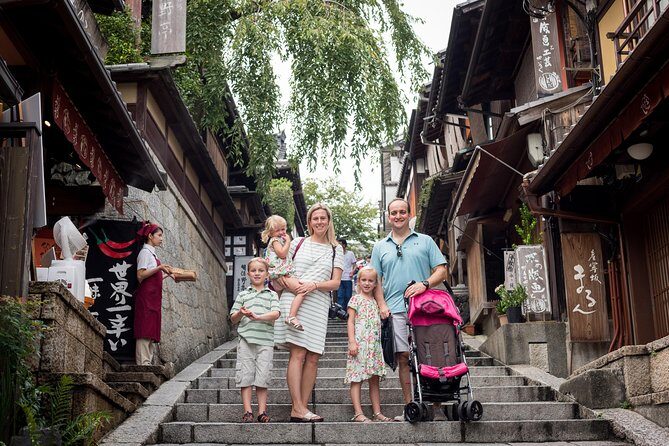
- Private group up to 6 so you can ask questions without shouting over the crowd
- Start and end at Kyoto Station (easy meeting point, no mystery handoffs)
- Fushimi Inari + bamboo forest + Kinkakuji + Ginkakuji in one organized walk-and-transit day
- Admission tickets are not included for Kinkakuji and Ginkakuji, so plan extra budget
- Guide-led pace and flexibility, with examples like Paco asking preferences in advance
- Hotel pickup option and mobile ticket, which helps reduce day-of stress
A private plan that saves your energy in Kyoto
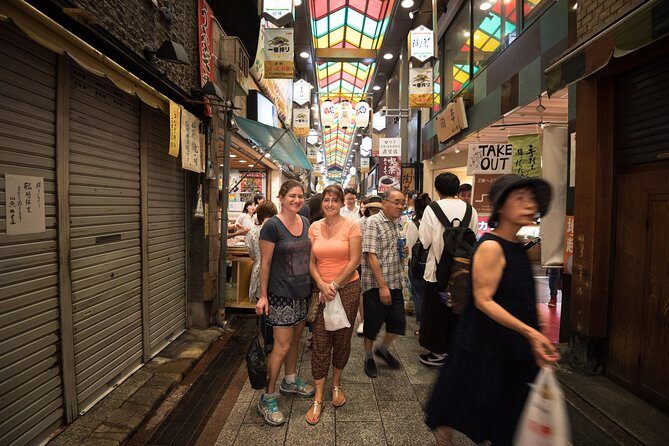
Kyoto rewards curiosity, but it also punishes indecision. With this tour, you trade the mental effort of figuring out routes and entrances for something simpler: a guided day that stays on track.
The big advantage is not just convenience. It’s confidence. When you’re standing in a maze of streets, it’s easy to lose the thread of what you’re seeing. A guide helps you keep meaning attached to every stop: why a shrine feels different from a Zen temple, and why the atmosphere changes as you move through the city.
This works well for short stays. If you only have a day (or you just want your first day to feel smooth), the value is in reducing friction. In multiple guide stories tied to this experience, people praised the same themes: adapting on the fly, helping with navigation, and keeping the day enjoyable even when weather or crowds make plans messy.
If you're still narrowing it down, here are other tours in Kyoto we've reviewed.


Kyoto Station start and finish: the underrated win

I like meeting points that don’t require guesswork, and Kyoto Station is about as solid as it gets. You start near the station and end back at the meeting point. That alone matters, because it means you’re not stuck solving transportation at the end of a long temple day.
The schedule window is also helpful. The tour runs daily from 9:00 AM to 3:00 PM, which gives you a practical choice: go early to reduce time-wasting, or go later if your mornings are packed.
Also, this is built as a private tour for your group only. That matters for pace. If someone in your party needs a slower rhythm, you can usually make that adjustment without holding up strangers who came for a faster photo run.
Fushimi Inari-taisha: the torii corridor and how to enjoy it
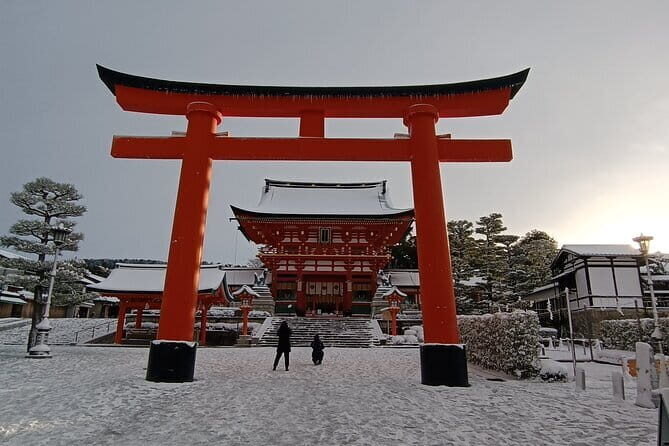
The day starts at Fushimi Inari-taisha Shrine, famous for its long path of orange torii gates. Even if you’ve seen pictures, the main thing you’ll notice in person is how the gates shape your movement. You don’t just look at them—you walk through them, and that changes how it feels.
Why this stop makes sense first: it’s a landmark that orients you. After you arrive, you get a quick foundation for what a shrine experience is like in Kyoto—more process, more atmosphere, less of the formal stillness people expect from a temple courtyard.
What to keep in mind is timing. This kind of attraction can draw crowds, so you’ll enjoy it more if you’re not rigid about how long you stay at every photo point. A guide can help you step to the side, shift where you pause, and keep you moving while still giving you time to appreciate what’s in front of you.
Bamboo Forest Trail: a nature reset without losing the day
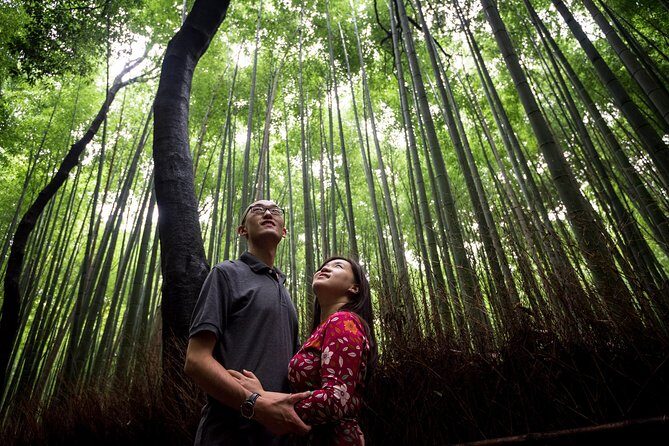
Next up is the Bamboo Forest Trail for about 45 minutes. This isn’t a “see it and run” stop if you use the time well. A bamboo grove works best when you slow down a notch: listen to the quiet feel under the canopy, and let the change in scenery re-center you.
A short stop here is also smart. Bamboo areas can be easy to overstay, and then you’re tired when the big temple visits start. If you treat this as your reset button—walk, breathe, take a few photos, then move on—you’ll get the mood shift without sacrificing the rest of the day.
One practical note: if the day is rainy, bamboo trails can become slick. You’ll feel more comfortable in shoes with decent grip, and you’ll want a simple plan for umbrellas and rain jackets so you’re not fighting your gear while the day is moving.
Kinkakuji Golden Pavilion: what you’re really paying for
Then you reach Kinkakuji Temple, the Golden Pavilion. This stop is about one hour, and it’s one of the most iconic sights on the route.
Here’s the balanced truth: Kinkakuji is famous for a reason. But the experience can feel either magical or crowded depending on timing and how you move through the grounds. This is where the guide value shows up. You’re not just getting there—you’re getting a more comfortable rhythm around it.
Also, entrance tickets for Kinkakuji are not included. So when you budget, remember that part of your day is paid entry, not just guide time. Your guide can still help you manage the flow so you’re not stuck waiting in the wrong place.
If you care about the visual details, tell your guide before you arrive. People like Paco and Jose David have been praised for adjusting the day to what guests want, and for answering questions at the right moments instead of dumping facts after you’ve already passed the key view.

Ginkakuji Silver Pavilion: Zen calm and wabi-sabi beauty
After Golden Pavilion brightness, you switch gears to Ginkakuji Temple, the “Silver Pavilion.” This is described as a serene Zen temple known for wabi-sabi beauty, plus elegant gardens.
This is a great match for the tour format because it changes the emotional tone. At Fushimi Inari you’re walking a dramatic corridor. In bamboo you’re stepping into a natural hush. At Ginkakuji you slow down again, and the garden-and-temple feel becomes more about restraint than spectacle.
It’s also a helpful contrast for first-time Kyoto visitors. If you only visit one kind of temple, you miss the range of what Kyoto does well. This tour gives you that range with two hour-long stops back-to-back, both guided so you understand what you’re seeing instead of just watching the crowd stream past.
Like Kinkakuji, entrance tickets for Ginkakuji are not included. Budget for it, and don’t let sticker shock turn into impatience. If you arrive with the right expectations—calm, space, and stillness—you’ll get more satisfaction from the hour.
Walking, transit, and pace: how to avoid the rushed feeling
This experience runs about 6 hours, so it’s not designed for marathon wandering. It’s designed for smart coverage.
That’s why the guide’s pacing matters. In different guide experiences connected to this type of private Kyoto format, people often highlight the same benefit: the guide keeps things moving while adjusting to your group’s needs. For example, Tom was praised for customizing the tour after discussing what the group wanted, and Jose was praised for adapting based on requests. Those details matter because Kyoto days go sideways fast when your group is mismatched.
Expect a fair amount of walking, plus time shifting between stops. Transportation is not included in the listing details, even though pickup is offered. If you’re the type who hates last-minute routing, ask your guide early in the day how you’ll move between places so there’s no scramble.
My practical advice: set expectations with your group before you meet. Agree on three must-sees (you’ll probably keep these four anyway), then give your guide permission to decide what gets more time and what gets a solid look before moving on.
Guide quality: what you can hope for (and what to watch)
The included heart of this tour is the expert guide, and the way this lands on the ground comes down to communication style and pacing.
The strongest praise patterns were clear:
- Guides who adapt to interests and requests (Paco asked for requests in advance)
- Guides who help you navigate the city so you’re not wasting energy (people mentioned smooth train navigation)
- Guides who explain culture in a way that makes the sites feel less random
One caution from a less satisfied review: if you’re sensitive to accents or you want a lot of factual depth on every stop, you may need to be proactive. Ask questions early, and if the pace feels too quick, say so immediately. In a private setting, the guide can usually respond faster than you could in a group tour.
Also, bring a rain plan. One less-favorite day was described as rainy, and weather always changes how comfortable Kyoto walking feels. A poncho and grippy shoes will do more for your enjoyment than you’d think.
Price and value for a group up to six
The price is $371.41 per group for up to 6 people. That’s the key metric: this isn’t priced per person, it’s priced per group.
So value depends on how you divide the cost:
- If you’re two people, you’ll feel the price more.
- If you’re four to six, it starts to feel like a bargain, especially because you’re paying for time with a guide, not just transport.
What makes it good value is the structure. A full Kyoto day can turn into a costly mess if you hire multiple fixes—direction help, transit help, and on-site explanations. Here, you get a single plan: guide-led movement, four major stops, and a pace that’s meant to work within a 9:00 AM to 3:00 PM window.
Two costs to remember: entrance tickets for Kinkakuji and Ginkakuji are not included, and transportation is not included (pickup is offered). Meals are not included either. If you budget those items up front, the tour price tends to look more reasonable.
Should you book this Kyoto tour?
Book it if:
- You want a first-time Kyoto win without getting lost or stuck planning.
- You like learning as you walk—shrines, temples, and cultural context that connects the stops.
- Your group can move at a steady walking pace for about a half-day.
Skip it or adjust your expectations if:
- You’re the type who wants to spend a long, slow hour at just one site. This tour is built to cover four major stops in limited time.
- You strongly prefer fully guided explanations at every second and fear any mismatch in communication style. In a private tour, you can still steer the conversation, but you should come ready to ask questions.
If you do book, the best move is simple: tell the guide what kind of Kyoto day you want—history-focused, atmosphere-focused, or photo-and-walk balance—and be honest about what feels too rushed for your group.
FAQ
What is the duration of the tour?
The tour runs for about 6 hours.
Is this a private tour?
Yes. It’s private, and only your group participates.
Where does the tour start and end?
It starts at Kyoto Station (Higashishiokoji Kamadonocho, Shimogyo Ward, Kyoto) and ends back at the same meeting point.
Is hotel pickup included?
Pickup is offered, but transportation is not listed as included. The day includes an expert guide.
Are entrance tickets included?
Entrance tickets are not included. Fushimi Inari-taisha and the Bamboo Forest Trail are listed as free, while Kinkakuji and Ginkakuji require tickets.
What’s included in the price?
The included item is the expert guide. Mobile ticket and hotel pickup are listed as features, while meals are not included.
What time does the tour operate?
It runs daily within the window of 9:00 AM to 3:00 PM.
What’s the cancellation policy?
You can cancel for a full refund if you cancel at least 24 hours before the experience’s start time.
If you tell me your group size and which month you’re going, I can suggest the best time of day for this route and what to prioritize when the day feels tight.