Quiet countryside beats Kyoto crowds. This Kyoto Satoyama ride takes you out of the city and into Sonobe, where you’ll move along rural roads, stop at historic shrines, and eat in a way that feels connected to the place. It’s only about a 30-minute train ride from Kyoto City, and your English guide is local—Maki (born and raised in Sonobe), plus her team.
What I like is the combination of real local guidance and easy pacing. Stops are only about 10 to 20 minutes apart by bike, so you’re not constantly in full-throttle mode. And the food choices matter: you can do hands-on soba (Course A) or switch to a traditional-house lunch built around local produce (Course B).
One thing to plan for: if you add the Mario mountain (Mt. Komugi) exploration, your day can run later—past 2 PM depending on timing and how many extras you choose.
In This Review
- Key things that make this tour worth your time
- Sonobe Satoyama feels like the Kyoto you came for
- Getting there and how the ride stays manageable
- Course A vs Course B: how lunch changes the whole experience
- Course A: hands-on soba + soba set meal
- Course B: local produce in a traditional Japanese house
- Quick tip to choose
- Stop 1: Ikimi Tenmangu Shrine and the exam-success vibe
- Stop 2: Sonobe Castle ruins, now a school gate
- Stop 3: the closed school soba workshop (fresh, hands-on, and real)
- Stop 4: Make Shrine and Tanba agriculture under a thatched roof
- The extras you can add (kimono, koto, spring water, and Mt. Komugi)
- Who this tour fits best (and who might want to think twice)
- Price and value: why $78.83 can actually make sense
- Should you book Kyoto Satoyama Cycling with Lunch and English Guide?
- FAQ
- FAQ
- What are the two course options, Course A and Course B?
- How long is the tour?
- Is this a private tour or a group tour?
- Where do we meet, and what time does the tour start?
- Does the tour include shrine and castle stops?
- If I choose Course A, what happens during the soba part?
- Can the meal accommodate dietary needs?
- What extra experiences can I add during the tour?
- What if the weather is bad?
Key things that make this tour worth your time

- English guidance from Maki, a Sonobe local who explains what you’re seeing in plain, practical terms
- Short bike legs between stops (about 10–20 minutes), making the ride feel relaxed instead of exhausting
- Course A hands-on soba, including using local buckwheat flour and eating freshly boiled noodles
- Course B traditional-house lunch, focused on local produce (a different vibe than cooking your own lunch)
- Optional extras you can add for free, like kimono photo, koto playing, and spring-water drinking
- A town feel that’s easy to love, with countryside views, birds, and a river sound in the background
Sonobe Satoyama feels like the Kyoto you came for
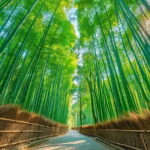
Kyoto’s big-name sights are amazing, but they’re also crowded and kind of fixed. Sonobe is different. This tour is built around Satoyama countryside—working landscapes where you’ll see fields, homes, and the slower rhythm of daily life.
The best part is that the day doesn’t feel like you’re jumping through checkboxes. It feels like a guided walk through a community. You stop, listen, and then move again. Even the order of stops—learning-focused Tenmangu shrine, then castle ruins, then the soba experience—has a “morning to afternoon flow” that makes sense when you’re out in rural Kyoto.
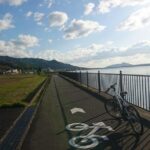
And yes, you’re riding e-bikes, which matters. You still get the feel of “cycling countryside,” but without turning the trip into a fitness test. That’s huge if you’re traveling with mixed ages or if you just don’t want your legs to revolt by stop three.
Other cycling tours in Kyoto Prefecture
Getting there and how the ride stays manageable

Your tour begins at Mizobe-6-21 Sonobechō Oyama Higashimachi, Nantan, Kyoto (622-0041), starting at 10:00 AM. It ends back at the meeting point, so you’re not dealing with a complicated end point or extra transportation.
Timing is also straightforward. The overall duration is listed as 4 to 5 hours, and it includes your travel time by bicycle. Between the main points, you’re usually looking at 10 to 20 minutes on the bike—long enough to feel like you’re out exploring, not so long that you’re wiped out.
A smart little detail: the operators plan for weather. They’ve shared that they provide disposable hand warmers and neck warmers and also warn you in advance what to wear based on the forecast. That’s the kind of practical help that turns a cold morning into a bearable ride.
Course A vs Course B: how lunch changes the whole experience

This tour isn’t one-size-fits-all. You pick one of two course styles, and that choice shapes the mood of your afternoon.
Course A: hands-on soba + soba set meal
Course A leans into participation. You’ll get to make soba noodles using buckwheat flour harvested locally, then eat the results. In the rural setting, making noodles yourself feels more than just a souvenir activity—it connects you to why the region grows what it grows.
The soba stop is set up in a closed elementary school, which gives it a community, slightly quirky, very human feel. In addition to freshly boiled soba, you’ll typically get a meal like tempura and rice balls served as part of the lunch.
Course B: local produce in a traditional Japanese house
Course B is more about tasting than making. You’ll head to a restaurant that uses a traditional Japanese house style and focuses on local produce. If you’d rather spend your energy cycling and talking than shaping dough, this is the smoother option.
You can also think of Course B as the more relaxed option for people who are curious about rural food but don’t want to worry about timing in a hands-on workshop.

Quick tip to choose
- If you want something you’ll remember with your hands as well as your eyes, pick Course A.
- If you want a comfortable, seated lunch that still feels local, pick Course B.
Stop 1: Ikimi Tenmangu Shrine and the exam-success vibe

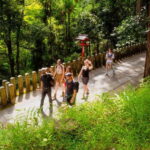
Your first stop is Ikimi Tenmangu Shrine, described as the oldest Tenmangu shrine in Japan. Tenmangu shrines are dedicated to Sugawara no Michizane, often associated with learning and success in exams.
Even if you don’t follow shrine customs closely, this stop gives you a built-in context for Japanese religious life: prayer here is specific, and the symbolism is clear. It’s also a good early start because it’s a short visit (about 10 minutes) and the admission is free.
Practical note: shrines are peaceful, so keep your voice low and give yourself a minute to notice what’s around you—stone, wood, and that quiet “temple air” that feels different from a city street.
Stop 2: Sonobe Castle ruins, now a school gate

Next comes the ruins of Sonobe Castle. This is where the tour gets pleasantly historical without turning into a lecture. The area is used as the main gate of Sonobe High School, and you can still see remaining structures like the main gate, castle walls, turrets, and a guardhouse.
The description that this was the last castle built in Japan is the kind of detail that makes you look twice. You’re not just seeing random stone. You’re seeing something that got repurposed into daily life—education and heritage living side by side.
Plan about 20 minutes here. Since it’s tied to a school schedule, the exact timing of what you can see can vary a bit, so just stay flexible.
Stop 3: the closed school soba workshop (fresh, hands-on, and real)

Then you hit the day’s most hands-on moment. This stop is at a location marked as the front of a former school (a closed elementary school) where you can experience making soba noodles.
Here’s what makes it feel authentic: you’re not just watching someone “do noodles.” You’re using buckwheat flour harvested locally, and then you eat what you help make. Freshly boiled soba is served, and it’s supported with other parts of the meal like tempura and rice balls.
This stop runs about 1 hour 50 minutes. That’s long enough to learn without feeling rushed, and it’s long enough that you can slow down and enjoy. If you’re the kind of person who likes process—how ingredients become a dish—that time window is a gift.
If you’re in Course B, you won’t do the soba-making portion as your lunch anchor, but Course A gives you a more tactile connection to Sonobe life.
Stop 4: Make Shrine and Tanba agriculture under a thatched roof

The last main stop is Make Shrine, which enshrines the god of agriculture from the Tanba region—a reminder that food supply wasn’t automatic. In a region like this, agriculture and community survival are tightly linked.
You’ll notice the setting: the main hall has a traditional thatched roof. That detail matters because it changes the feel of the visit. You’re not just passing through a shrine. You’re looking at a structure built for the rhythm of local materials and local weather.
This is a shorter stop at about 30 minutes. It’s a nice bookend after the soba experience because both are about food—one through cooking, one through farming tradition.
The extras you can add (kimono, koto, spring water, and Mt. Komugi)

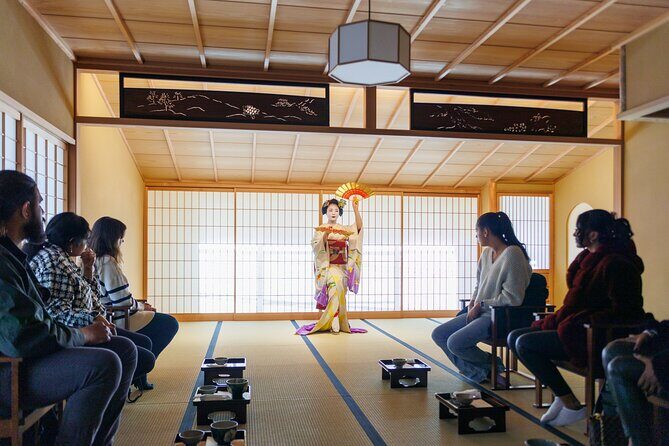
One of the best parts of this tour is that you can choose extra experiences included in the price. At the start of the tour, you can add two or three options, depending on what you want to focus on.
Common extras listed include:
- Castle visit (if you want more time on that theme)
- Shinto shrines (worship) as an added cultural moment
- Drinking spring water over a small mountain
- Photo in a kimono
- Playing the koto (a traditional Japanese instrument)
- Mario Mountain exploration (Mt. Komugi, described as the birthplace of Mario)
A heads-up that matters: adding Mt. Komugi is the one extra that can push the tour past 2 PM. So if you have a later dinner plan or you’re catching a train right after lunch, think carefully about how many extras you want.
If you’re traveling with kids, the Mario connection can turn the countryside into a mini adventure story. If you’re traveling as adults, kimono photos and koto can be a quick, memorable cultural break without turning the day into a museum marathon.
Who this tour fits best (and who might want to think twice)
This tour works well for:
- People who want Kyoto energy but not Kyoto crowds
- Couples, friends, and families who like a mix of scenery + food + short cultural stops
- Anyone who wants an English guide who’s from the area, like Maki, rather than someone rotating through only as a professional guide
It can be less ideal if:
- You’re extremely time-crunched and can’t handle the chance of the day running later with Mt. Komugi
- You dislike cycling at all, even with e-bikes. The ride is broken into short segments, but it’s still cycling time
Price and value: why $78.83 can actually make sense
The price is listed at $78.83 per person (also described as 15,000 yen). At first glance, that’s not “budget.” But this is one of those situations where the value is in what’s bundled.
You’re getting:
- An English guide (local, with explanations at each stop)
- E-bike cycling with short transfer time between points
- Entry coverage where relevant (the stops you’re given are free admissions)
- A lunch experience that’s not generic—either hands-on soba or local-produce dining
- Optional cultural extras like kimono photo and koto included
Also, tours like this tend to be booked ahead; this one averages 86 days in advance. If you’re traveling in a busy season, booking earlier is smart simply because local countryside capacity isn’t unlimited.
Should you book Kyoto Satoyama Cycling with Lunch and English Guide?
If you want rural Kyoto that feels lived-in—not staged—this is a strong yes. The key reasons are simple: you get a real countryside ride, you spend time at places that connect to learning and agriculture (not just pretty buildings), and lunch isn’t an afterthought. It’s either something you make (Course A) or something rooted in local produce (Course B).
I’d book it if:
- You’re happy doing a half-day with guided stops
- You’d enjoy learning from someone local, especially Maki
- You can spare time for extras if they match your interests (kimono, koto, or Mt. Komugi)
I’d hesitate only if you have very tight timing and can’t risk the day stretching later with added activities. Otherwise, this is the kind of day that turns Kyoto from a list into an experience you can talk about.
FAQ
FAQ
What are the two course options, Course A and Course B?
Course A includes a hands-on soba noodle-making experience and a soba set meal. Course B focuses on local produce at a restaurant in a traditional Japanese house.
How long is the tour?
The tour is listed as about 4 to 5 hours, and that total duration includes travel time by bicycle between stops.
Is this a private tour or a group tour?
It’s a private tour/activity, so only your group participates.
Where do we meet, and what time does the tour start?
The meeting point is Mizobe-6-21 Sonobechō Oyama Higashimachi, Nantan, Kyoto 622-0041, Japan, and it starts at 10:00 AM.
Does the tour include shrine and castle stops?
Yes. The tour includes a visit to Ikimi Tenmangu Shrine and the ruins of Sonobe Castle, plus a stop at Make Shrine.
If I choose Course A, what happens during the soba part?
You’ll make soba noodles using local buckwheat flour at a former elementary school, and you’ll enjoy freshly boiled soba. Tempura and rice balls are also served.
Can the meal accommodate dietary needs?
Vegan, vegetarian, and allergy-friendly meals are available if you request them.
What extra experiences can I add during the tour?
You can choose two or three extra experiences included in the price, such as a kimono photo, playing the koto, drinking spring water, castle and worship options, and Mario Mountain exploration (Mt. Komugi).
What if the weather is bad?
This experience requires good weather. If it’s canceled due to poor weather, you’ll be notified the day before and you can either reschedule or get a full refund.