Amanohashidate on an e-bike is a smart way to see more. This tour lets you ride across a famous 3km sandbar, then weave through beaches, rice fields, and old roads while stopping at respected Shinto and Buddhist sites. It also includes locally recommended moments that many visitors skip, including a shrine with centuries of history and a samurai merchant mansion.
I really like two things about the experience. First, the ride itself is easy and scenic thanks to the latest e-bikes, so you get movement and views without feeling wrecked. Second, the stops feel purposeful, not random photo stops, with Amanohashidate lookouts and multiple shrines that each have their own vibe.
One consideration: the Amanohashidate View Land climb costs extra if you choose to do it, so your total day may be slightly more than the base price. And like much of outdoor Kyoto sightseeing, it depends on good weather.
In This Review
- Key highlights you’ll care about
- Amanohashidate sandbar by e-bike: why this is more than scenery
- The 2-hour-30-minute route: what you’ll see in order
- Stop 1: Amanohashidate Shrine
- Stop 2: Chion-ji Temple
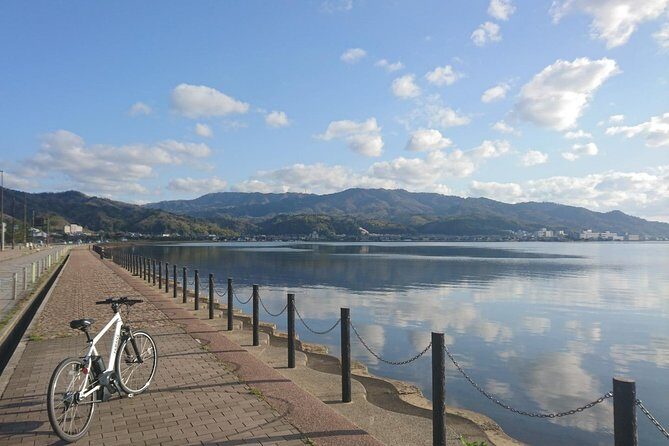
- Stop 3: Amanohashidate sandbar crossing (the ride)
- Stop 4: Amanohashidate View Land (optional extra cost)
- Stop 5: Manai Shrine
- Stop 6: Motoise Konojinja Shrine
- Why the e-bike ride feels easier (but still gives you payoff)
- The local guide touch: how you get less-common moments
- What it costs (and whether it’s a smart buy)
- Practical tips that make the day better
- Should you book the Amanohashidate e-bike culture tour?
- FAQ
- How long is the Amanohashidate sand bar and culture e-bike tour?
- What does the tour cost?
- Is this a private tour?
- What’s included in the route?
- Are entrance fees included?
- Can I cycle across the sandbar?
- Do I need to be physically fit?
- What makes View Land different from the sandbar ride?
- What happens if the weather is bad?
- When will I get confirmation after booking?
Key highlights you’ll care about
- E-bike crossing of a sandbar that only pedestrians and bicycles can use
- Multiple shrine and temple stops with free admission for most locations
- A ride planned around real conditions, including heat-management flexibility
- A climbable viewpoint option at Amanohashidate View Land (not included in price)
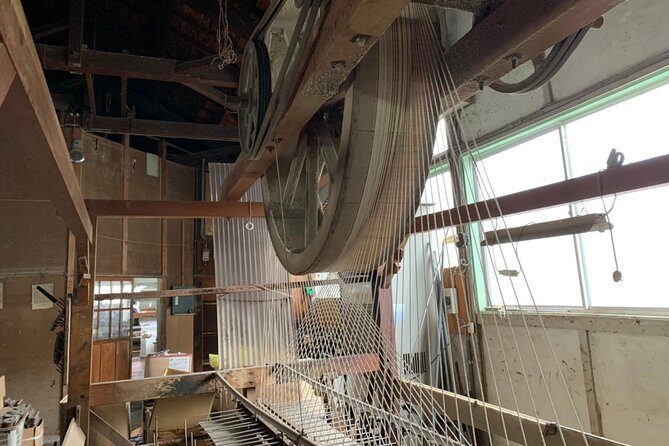
- Local-guided detours that can include a silk factory and other lesser-seen spots
Amanohashidate sandbar by e-bike: why this is more than scenery
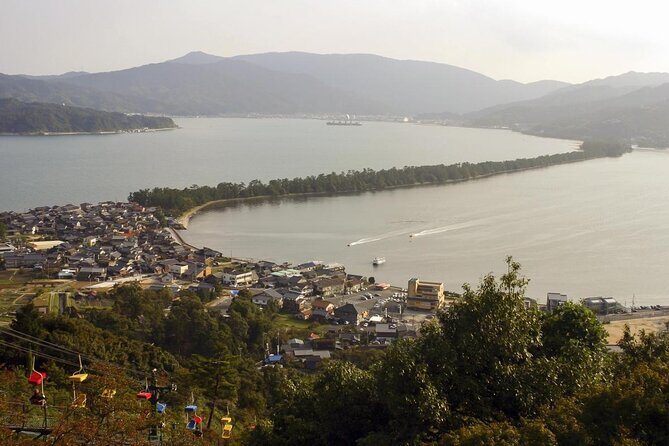
The star of the show is Amanohashidate, a long natural sandbar regarded since ancient times as a kind of bridge to the heavens. It’s famous for being one of Japan’s Three Most Scenic Spots, but what makes this tour practical is how it moves you through the area instead of asking you to figure everything out on your feet.
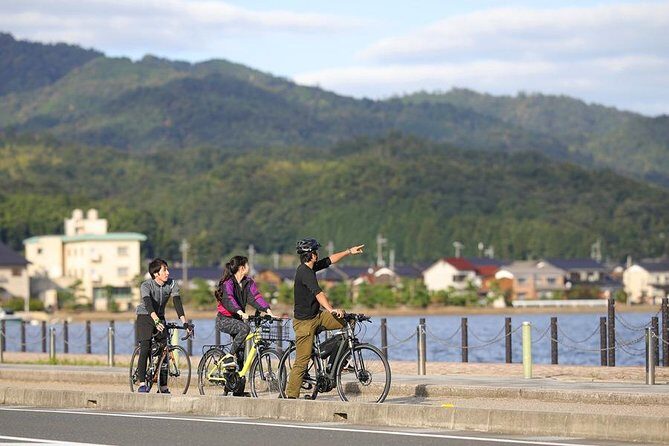
Crossing the sandbar on an e-bike changes your perspective fast. You’re close to the shoreline, you feel the open space, and you get a sense of how the sandbar shapes daily life nearby. Also, because access is limited to pedestrians and bicycles, this is one of the rare places where a bike ride feels like part of the experience—not just transportation.
The other reason I like this setup: it gives you time. You’re not trying to cram “a little bit of everything” from train station to train station. In about 2.5 hours, you can cover a meaningful route, pause at key places, and still enjoy the ride through rice fields and historic roads.
Other cycling tours in Kyoto Prefecture

The 2-hour-30-minute route: what you’ll see in order
This is a tight, well-paced loop—about 2 hours 30 minutes—that mixes short visits with one main scenic ride. Most stops are quick, and that helps if you’re visiting in busy seasons or dealing with heat.
Stop 1: Amanohashidate Shrine
You start at Amanohashidate Shrine right on the sandbar area, with free admission. It’s a good first stop because it orients you: you see the religious importance of the site and you get a clear idea of where the famous crossing runs.
A short visit like this also sets the tone for the rest of the tour. You’re about to ride and explore, but the tour isn’t just sightseeing—it’s anchored by places people have honored for a long time.
Stop 2: Chion-ji Temple
Next is Chion-ji Temple, again about a brief stop with free admission. Even when time is short, this kind of stop matters because it adds balance: Shinto shrines are central here, but Buddhist sites like Chion-ji help round out the cultural picture.
If you like places that reward a slow glance, aim to look at details rather than only buildings from afar. Small features are often the real payoff when your time is limited.
Stop 3: Amanohashidate sandbar crossing (the ride)
Now for the main event: cycling across the sandbar, with time set aside to do it properly. This section is the memorable middle—about 20 minutes—and it’s where you’ll feel the “bridge” reputation for yourself.
Since sandbar access is restricted to pedestrians and bicycles, the bike ride becomes a guided way of being in the scene rather than hovering at its edge. It’s also one of those experiences that can feel different depending on light, wind, and tide-like conditions—so treat the ride as the moment, not a transfer.


Stop 4: Amanohashidate View Land (optional extra cost)
Then you have a choice: climb up to Amanohashidate View Land for a top-down look. The climb is around 20 minutes, and the entrance fee is charged separately, so it’s the one add-on that can change your budget.
You can skip it if you’ve visited before. That’s actually a helpful policy, because View Land can be redundant for people who already know the view. If it’s your first time in the area, though, a higher vantage point is a great way to confirm what you saw during the sandbar ride.
Stop 5: Manai Shrine
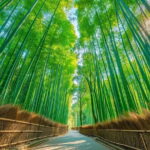
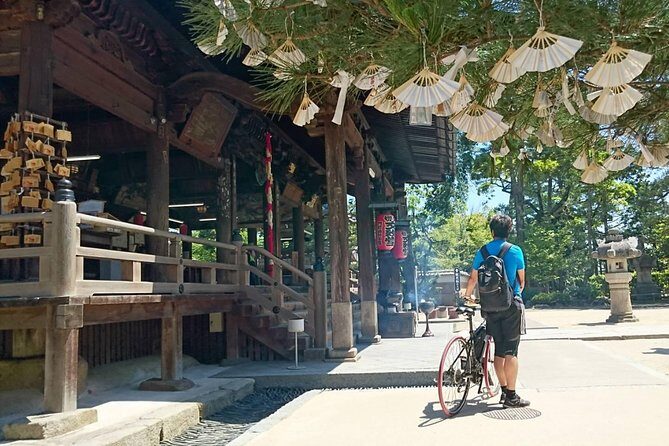
Manai Shrine is a sacred Shinto site tied to the belief that the gods first descended from heaven. This stop is about 10 minutes and free, and it tends to offer more than a quick photo because you can see elements like holy water, bamboo forests, and the gods’ boats.
This is the kind of stop that rewards respectful attention. You don’t need a long time here to appreciate the atmosphere, but you do want to slow down for a minute and take in the details the shrine is known for.
Stop 6: Motoise Konojinja Shrine
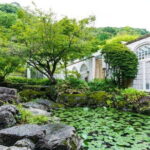
Finally, you visit Motoise Konojinja Shrine, also free and about 10 minutes. Like Manai, it connects to the idea of the gods’ first descent from heaven, but the features here are different—think the thatched-roof shrine and turtles.
That contrast matters. You’ll feel like you saw two sides of the same spiritual story, not just six quick stops that blur together.
Why the e-bike ride feels easier (but still gives you payoff)
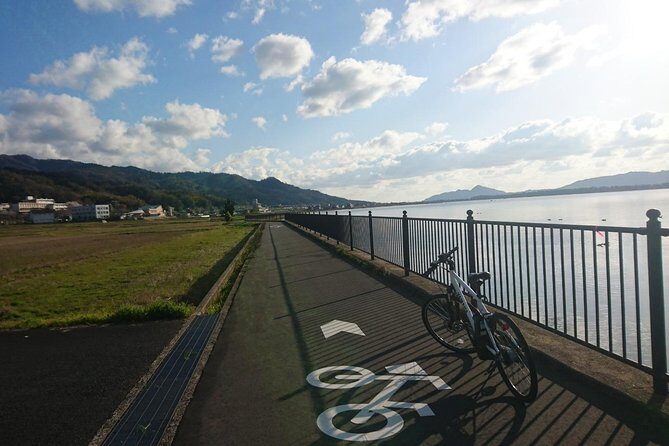
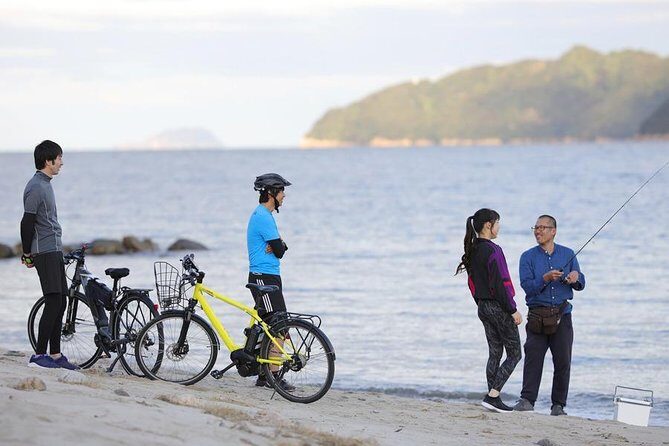
The tour uses the latest e-bikes, and that’s a big deal for value. Amanohashidate is scenic, but it’s not always flat in the ways you might expect. An e-bike turns a potentially tiring day into a comfortable one, especially if you’re traveling with mixed mobility in your group.
I also like that the route includes rice fields and historic roads. That’s how you get the “Kyoto countryside” feel, not just ocean postcards. The electric assist keeps the pacing friendly, so you can focus on the scenery and the stops rather than constantly fighting the climb.
And yes, the reviews highlight that you still get an honest workout. That’s the best combination: you’re not totally coasting, but you’re not arriving sweaty and miserable either. One review specifically noted the guide planned a flat, shady route when it was extremely hot, which shows you the ride isn’t on rails.
The local guide touch: how you get less-common moments
A good guided tour does more than point at the big sights. This one is designed around the idea that your guide will recommend extra places that most tourists don’t hit.
In the provided details, those additional moments can include a shrine with over 2000 years of history and the mansion of a samurai merchant who once became wealthy through business constraints like time and energy. That kind of story turns the ride into something you can talk about later, not just something you forget after a selfie session.
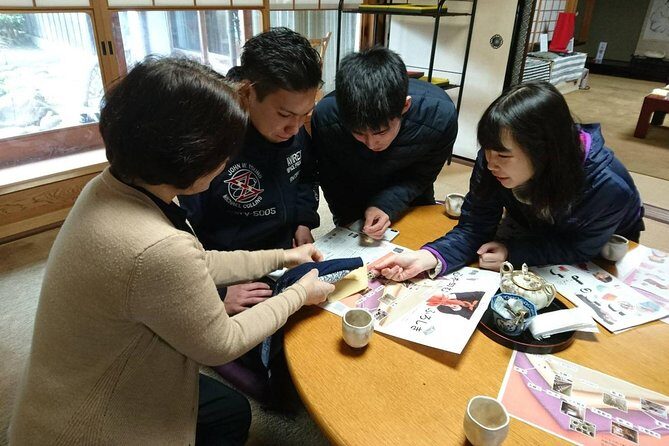
Reviews also mention a stop connected to a silk factory and a cable car bonus. Those specifics matter because they point to the tour’s real strength: the guide is tailoring your day with nearby cultural stops, not only executing a strict checklist.
If you care about authentic flavor, this is exactly the type of tour structure that helps. You’re not wandering with no plan, but you also aren’t stuck on a rigid script.
What it costs (and whether it’s a smart buy)
The price is $97.73 per person, and the tour is booked on average about 52 days in advance. It’s not a budget add-on, but for a 2.5-hour private outing with e-bike support, it can still feel like solid value.
Here’s the practical way to judge it: you’re paying for three things you’d otherwise have to assemble yourself:
- a working e-bike (not a casual rental)
- a guided route with cultural context and time management
- access to a sandbar crossing experience that’s easier when someone else handles the flow
Most major shrine and temple stops in the plan are free, which helps keep your day from turning into a chain of paid entrances. The one notable extra is View Land, which is charged separately.
So if you like guided structure and you want to cover the sandbar area plus shrines without stress, this price is easier to justify. If you’re the kind of traveler who loves figuring things out solo and you’re already confident with local transit, you might decide to self-guide and save money. But you’ll likely give up the “less visited” cultural story moments your guide can add.
Practical tips that make the day better
This is an outdoor-friendly tour, so you want to prepare like you’re going to spend time in sun and salt air.
- Bring sunscreen and water. One review specifically called out extreme heat, and the guide adjusted the route to stay flatter and shadier.
- If you want beach time, pack swimwear. One review suggested taking bathers for fun.
- Wear shoes that can handle seaside paths. Even with an e-bike, you’ll step around at shrines and viewpoints.
- Plan for weather. The tour requires good weather, and if it gets canceled due to poor conditions, you’ll be offered a different date or a full refund.
Also, check your timing mindset. This isn’t a slow, contemplative stroll tour. It’s more like a guided scenic loop: enough stops to learn and see, not enough to turn the day into a long endurance event.
Should you book the Amanohashidate e-bike culture tour?
Book it if you want:
- the sandbar crossing plus shrine-hopping without logistics stress
- an e-bike day that’s friendly even if you’re not super fit
- a guide who brings in extra local culture, like silk-related stops and other stories
Skip it (or consider another format) if:
- you already know you only want one or two sights and would rather self-pace
- you dislike weather-dependent outdoor plans
- you’re not interested in viewpoints like View Land, since it’s an extra paid choice
My take: this is a strong choice for travelers who want value from time. In a short, organized window, you get the main iconic view area, plus multiple shrines with distinct meaning, and you ride through the kind of quiet countryside streets that make Amanohashidate feel lived-in rather than staged.
FAQ
How long is the Amanohashidate sand bar and culture e-bike tour?
It runs for about 2 hours 30 minutes (approximately).
What does the tour cost?
It costs $97.73 per person.
Is this a private tour?
Yes. It’s private, meaning only your group participates.
What’s included in the route?
The stops include Amanohashidate Shrine, Chion-ji Temple, cycling across the Amanohashidate sandbar, Amanohashidate View Land (optional), Manai Shrine, and Motoise Konojinja Shrine.
Are entrance fees included?
Most of the listed shrines and Chion-ji are free. Amanohashidate View Land has an entrance fee that is not included.
Can I cycle across the sandbar?
Yes. The sandbar crossing is specifically arranged so that only pedestrians and bicycles can pass there, which is where your e-bike comes in.
Do I need to be physically fit?
Most travelers can participate, and the tour uses the latest e-bikes, so even if you’re not very fit, you can still enjoy the ride.
What makes View Land different from the sandbar ride?
View Land gives you a higher vantage point for seeing Amanohashidate from above. It’s a climb and is an extra paid entrance if you choose to go.
What happens if the weather is bad?
The experience requires good weather. If it’s canceled due to poor weather, you’ll be offered a different date or a full refund.
When will I get confirmation after booking?
Confirmation is received within 48 hours of booking, subject to availability.