You leave with a real scarf. The Kyo-arashi Shibori Scarf Class at Kyoto Shibori Museum teaches the tube-and-string dye-resist method, so your pattern survives the color stage. It’s also handy for planning because the museum sits about a 5-minute walk from Nijo Castle.
I like two things a lot. First, the small group size (up to 8 people) keeps the instructor’s eyes on your steps. Second, you get something practical and visual: after you make your scarf, you can explore the museum while your piece dries, which turns the wait into real learning.
One thing to consider: you’re not walking out instantly finished. You’ll have some drying time, so build a little buffer in your schedule after the class.
In This Review
- Key points worth your attention
- Kyoto Shibori Museum makes the class feel like more than a craft stop
- What you’ll make: a Kyo-arashi scarf using dye-resist tube-and-string binding
- How the class runs during your hour in the workshop area
- Upstairs museum time: tools, samples, and the reason the patterns work
- The museum shop: original items, fabric, and gifts that don’t look mass-made
- Price and value: $49 for a class plus museum admission
- Languages, group size, and why the instruction feels manageable
- Who should book this Kyo-arashi scarf class, and who might skip it
- Should you book the Kyo-arashi Shibori Scarf Class?
- FAQ
- How long is the Kyo-arashi Shibori Scarf Class?
- What technique will I learn in the class?
- Is museum admission included?
- How big is the class group?
- What languages are available for instruction?
- Can I cancel for a refund?
Key points worth your attention

- Tube-and-string technique: You learn the Kyo-arashi approach that resists dyeing to form bold patterns.
- Upstairs museum time while it dries: You can keep busy looking at shibori works and displayed tools.
- Small group instruction: With a cap of 8 participants, you’re less likely to feel lost mid-step.
- Clear English support: The class runs with an instructor who can teach in English or Japanese.
- Museum shop after class: Original scarves, accessories, and fabrics give you solid gift ideas.
Kyoto Shibori Museum makes the class feel like more than a craft stop
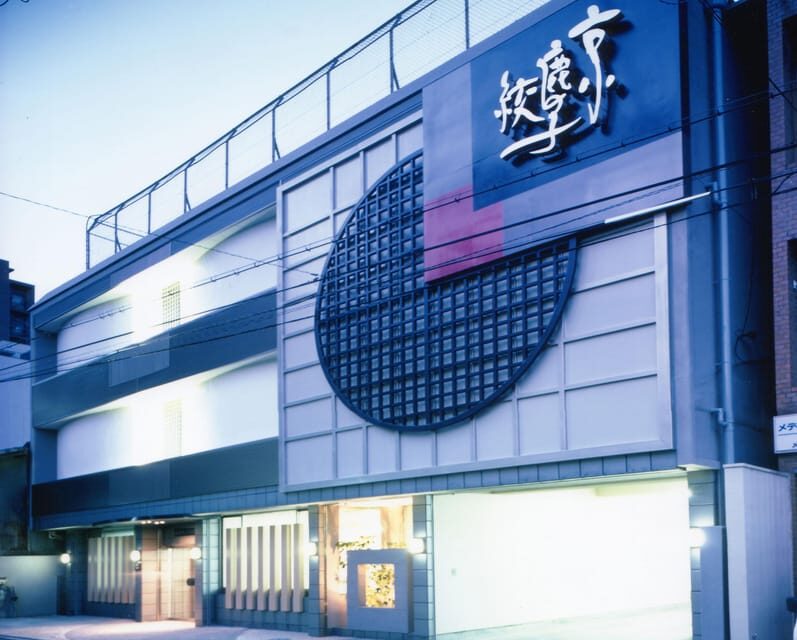
If you like doing things with your hands, this works. The Kyoto Shibori Museum is the place you’d expect for a shibori workshop: a museum devoted specifically to shibori, showing the tools, methods, and finished pieces that make the technique worth the effort.
The museum opened in 2001, and the whole idea is to spread shibori to more people through shibori works. That mission matters because the class doesn’t feel like a standalone “make-and-go” souvenir. You’re learning one method, yes, but you’re also being surrounded by examples—so you start to notice what makes one pattern sharper, one color plan more tasteful, and one process more precise.
There’s also a practical bonus: the museum’s location near Nijo Castle means you can pair this with another Kyoto highlight on the same day. If you’re already in that area, you’re saving time and effort versus jumping across town just for a workshop.
Other museum experiences in Kyoto Prefecture

What you’ll make: a Kyo-arashi scarf using dye-resist tube-and-string binding
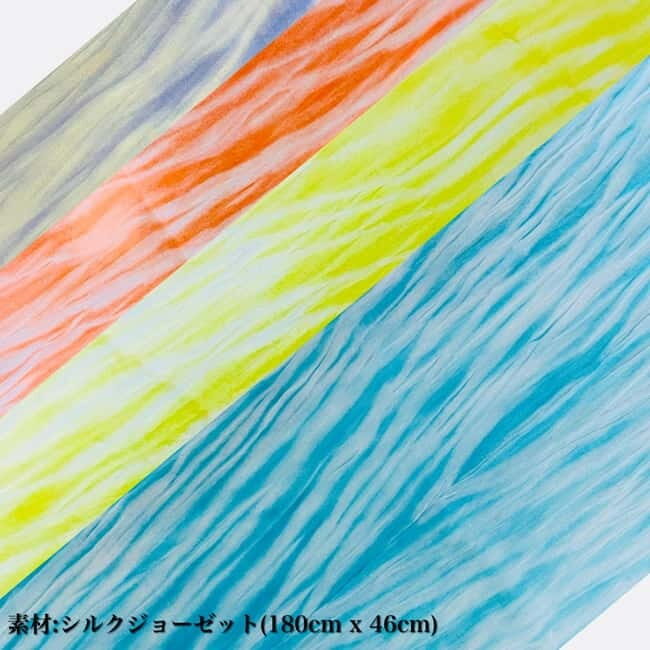
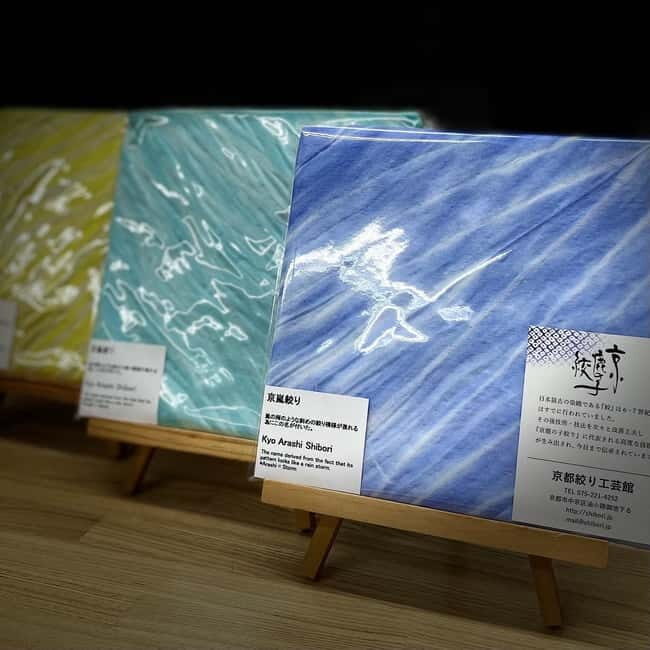
This class focuses on Kyo-arashi shibori, a technique that uses a tube and string to resist dyeing. In plain terms: you’re shaping the fabric and binding it so the dye won’t reach certain areas the same way. When you remove the bindings, the pattern shows up because the dyeing was controlled.
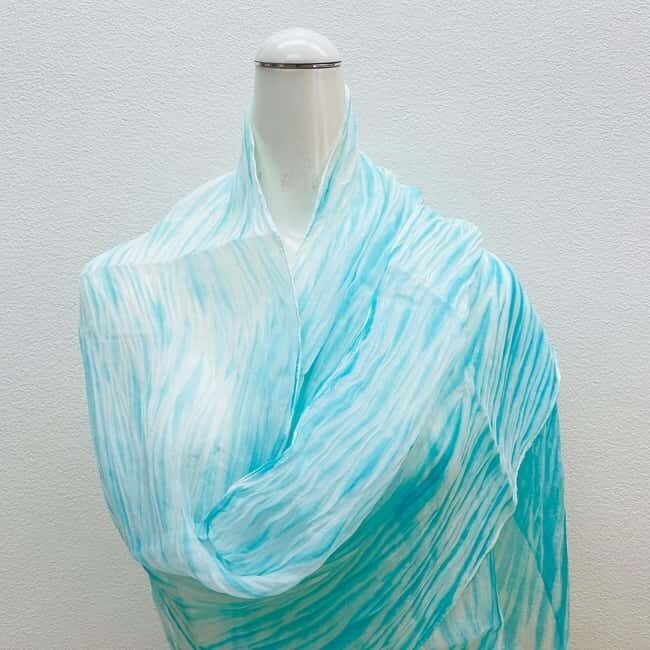
You’ll be working on your own scarf during the lesson, which typically runs 30 to 60 minutes within the overall 1-hour experience. The final look is the point. Kyo-arashi is known for highly designed patterns, and that’s exactly what you’re aiming to create—something stylish enough to wear, not just something you made in a rush.
Also, this is where the museum context really helps. You aren’t learning in a vacuum. As you work, you’ll see samples and finished pieces displayed in the museum, and that gives you a better sense of what “good pattern” means in shibori terms.
If you’ve never done shibori before, don’t worry. The workshop is designed for beginners, and the steps are taught through instruction in English or Japanese.
How the class runs during your hour in the workshop area
Your time is built around two stages: making the scarf, then using the museum time while your piece dries.
First comes the hands-on part. You’ll learn how to prepare and bind the fabric using the tube-and-string method. Then you carry that through the scarf-making steps as instructed. The class format is small-group, capped at 8 participants, which helps when you need clarification—especially when you’re trying to understand how tight to tie and what the binding is meant to do.
Next comes the waiting period, and this is the part I’m glad they built in. After you finish the key steps, your scarf needs time to dry. Instead of leaving you idle, the experience is set up so you can wander upstairs through the museum and look at displayed art and tools while you wait.
You’ll also get a short visual explanation during the experience. One review notes that a video is shown about the art of shibori, and that kind of pacing is helpful. You can watch, take in what’s happening, and then connect that to what you’re doing with your own hands.
Upstairs museum time: tools, samples, and the reason the patterns work

This is one of the best parts of the whole experience. Your scarf drying time becomes active learning time, not dead time.
The museum displays shibori-related tools used in the process, along with samples and examples. In other words, you’re not just looking at pretty finished scarves—you’re seeing the machinery of the craft. When you can see tools used in shibori, it makes the technique feel less mysterious and more technical. That’s the shift that turns a fun workshop into something you actually understand.
You can also take your time with the museum pieces. Reviews mention going through the museum upstairs, and that makes sense because upstairs is where the displays and examples tend to help you connect your scarf to the wider world of shibori. If you’re the type who likes to compare one pattern to another, you’ll likely enjoy this stage because the museum is set up for that kind of looking.
And yes, you can explore at a comfortable pace. You’re not racing through exhibits while your hands are still wet or while your scarf is still in-process. You get to let the learning and the sightseeing happen at the same time.
The museum shop: original items, fabric, and gifts that don’t look mass-made
Once your scarf is underway, the museum shop becomes a smart final stop. This is not the usual quick rack of items. You can admire a variety of original shibori pieces, souvenirs, and fabrics tied to the museum’s focus.
I like shops like this because they let you benchmark what you just learned. After doing the tube-and-string technique yourself, you can look at finished accessories and see what feels similar to what you made. You can also compare pattern intensity and how the colors show through the shibori resist effect.
If you’re shopping for gifts, this is also a win. A scarf or accessory bought directly from a dedicated shibori museum tends to feel more intentional than something generic. You’re more likely to find items that match your taste, not just whatever is cheapest.





Price and value: $49 for a class plus museum admission
At $49 per person for a 1-hour experience, the question is simple: what do you get for that money?
You get a taught workshop (you make your own Kyo-arashi shibori scarf) and museum access along the way. Best of all, workshop participants receive free admission to the Kyoto Shibori Museum, which is normally 1,000 yen. That matters because you’re not only paying for the hands-on class. You’re also getting a full museum visit included in the experience flow.
In practical value terms, this price makes sense if:
- you want both a hands-on souvenir and a museum visit
- you’re staying near Nijo Castle and can easily build this into your day
- you prefer a small-group setting (limited to 8 people) where the instructor can help
It might feel less worth it if you’re short on time and you only want the fastest possible shopping stop. But if you’re curious about how shibori works, the admission inclusion is a real advantage.
Languages, group size, and why the instruction feels manageable
This class is offered with an instructor who can teach in English and Japanese. That dual-language setup is useful because you won’t have to guess what comes next when your hands are already busy.
Small group matters here. With a limit of 8 participants, you’re less likely to feel like part of a production line. It’s easier to ask a question mid-step, and you can correct issues early—before a mistake becomes something you have to live with until the scarf is finished.
The tone from the experience matches what you’d hope for in a beginner-friendly workshop: friendly, helpful staff who make the process easy. And since you can explore the museum while your scarf dries, you don’t have to worry about feeling stuck waiting for results.
Who should book this Kyo-arashi scarf class, and who might skip it

This is a strong match for:
- couples or a small group who want a shared hands-on memory
- anyone who likes crafts but also wants context through a real museum
- visitors who want to combine a workshop with sightseeing near Nijo Castle
- people who like structured instruction with time to ask questions
You might hesitate if:
- you don’t like waiting around for crafts to dry or set
- you want a very short activity with no museum time built in
- you’re only interested in buying finished souvenirs and don’t care about learning the technique
For many people, the sweet spot is that mix: you get the personal satisfaction of making something, plus the calming bonus of museum browsing after the hard part.
Should you book the Kyo-arashi Shibori Scarf Class?
I’d book it if you want a memorable Kyoto activity that isn’t just watching from the sidelines. The tube-and-string Kyo-arashi method is genuinely visual and pattern-driven, and the included museum access turns drying time into useful learning.
Book it especially if you’re already planning to see Nijo Castle that day. The short walk makes it easy to build the class into your schedule without stress.
Skip it if your schedule is tight and you can’t afford the waiting that comes with making textile art. But if you can give it an hour and accept that your scarf needs a little time, this is a well-priced, small-group workshop that ends with something you can actually wear or gift.
FAQ
How long is the Kyo-arashi Shibori Scarf Class?
The experience lasts 1 hour, with the scarf-making part described as taking about 30 to 60 minutes.
What technique will I learn in the class?
You’ll learn Kyo-arashi shibori, a dye-resist technique that uses a tube and string to create designed patterns.
Is museum admission included?
Yes. Workshop participants receive free admission to the Kyoto Shibori Museum, which is normally 1,000 yen.
How big is the class group?
It’s a small group limited to 8 participants.
What languages are available for instruction?
The class instructor can teach in English and Japanese.
Can I cancel for a refund?
You can cancel up to 24 hours in advance for a full refund.