Quiet ink, big Kyoto energy.
This calligraphy workshop is a simple activity with a deep payoff: you’ll learn the background of kanji, including its Zen roots, then practice it step by step. The setting helps too. You’re not learning in a classroom. You’re learning inside a traditional Kyoto townhouse that most visitors never get access to.
Two things I really like about this experience are the take-home kanji artwork (you actually leave with your finished piece) and the way the lesson is taught in a small group setting (max 5). One possible consideration: this is a short, structured session, so if you want lots of time for advanced styles or heavy repetition, you may feel a bit time-crunched in 1 hour 30 minutes.
In This Review
- Key highlights you’ll care about
- Why Kyoto calligraphy feels oddly calming
- From Zen roots to your first kanji strokes
- Inside the townhouse: old Kyoto access without the hassle
- Materials included, so you can focus on the brush
- Lesson flow in 3 stages: intro, demo, practice
- Getting feedback in a small group (and the teacher matters)
- Price and value: about $58.64 for a take-home craft
- Practical tips so your calligraphy doesn’t feel rushed
- Who should book this Kyoto calligraphy workshop?
- Should you book this calligraphy class
- FAQ
- How long is the calligraphy workshop?
- What’s included in the price?
- Is hotel pickup or drop-off included?
- How many people are in the class?
- Can I take my calligraphy work home?
- What if a participant is under 18?
- Is there a cancellation policy?
Key highlights you’ll care about
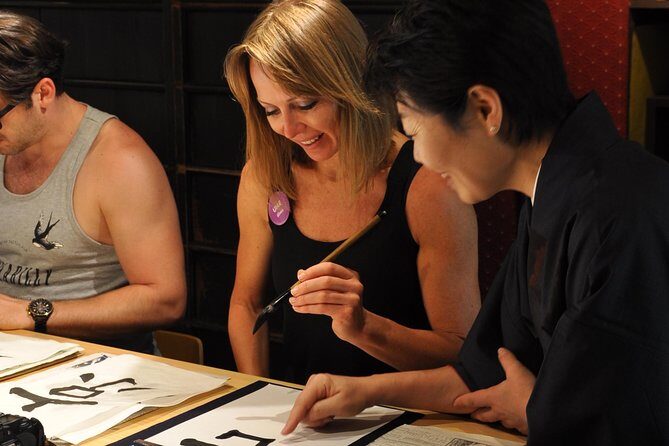
- 80-year-old traditional wooden townhouse setting for an Old Kyoto feel, not a generic studio
- Zen-root history + hands-on practice in the same lesson
- Small group size (up to 5) means more instructor attention
- All supplies included (ink, paper, plus utensils rental fee)
- You leave with your own calligraphy piece as a souvenir
Why Kyoto calligraphy feels oddly calming
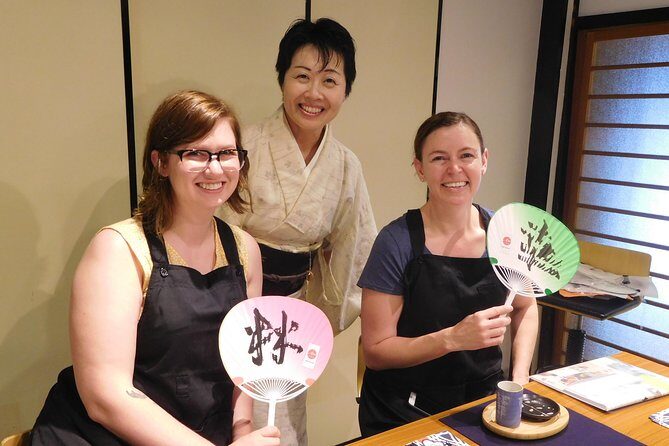
Japanese calligraphy looks fancy, but the basic idea is refreshingly practical: you make black-ink letters on white paper. What turns it into a calm experience is the mindset built into the craft. The workshop frames calligraphy with Zen roots, so you’re not just learning a technique—you’re learning how to slow down and focus.
That meditative quality is the real reason this works well even if you’re a first-timer. The lesson moves in phases (intro, demonstration, then hands-on), so you’re never guessing what to do next. You watch, you try, and you adjust with guidance.
And there’s a nice psychological trick in how instructors explain kanji. You might assume kanji is impossibly hard. The workshop approach treats the characters like structured shapes, almost like drawing pictures. That helps your brain stop panicking and start cooperating.
If you're still narrowing it down, here are other tours in Kyoto we've reviewed.


From Zen roots to your first kanji strokes
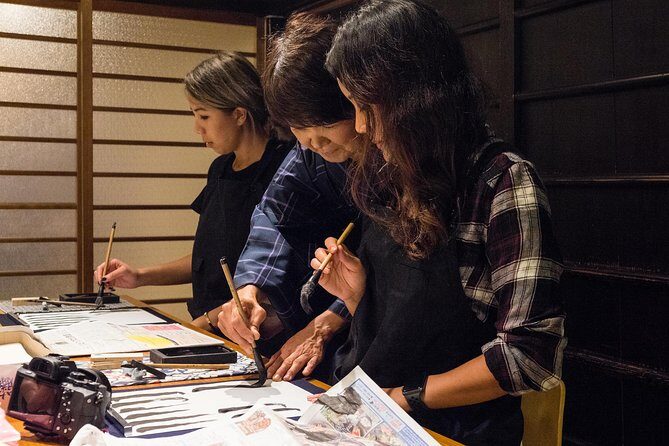
This class starts with essential knowledge about calligraphy, including the history and background of the art form. You’ll also get that Zen framing that explains why calligraphy is often taught as more than handwriting.
A key point for beginners: kanji characters are built from parts, and those parts connect like forms. The workshop describes kanji as originally linked to visual symbols—so instead of thinking of kanji as tricky letters, you can approach it as drawing pictorial shapes on paper.
Then comes the demonstration. You’ll see basic techniques before you’re asked to perform them. That order matters. If you jump straight into writing, most people feel overwhelmed. With a demo first, you get a mental model of what “good” looks like: brush pressure, stroke direction, and control.
Inside the townhouse: old Kyoto access without the hassle
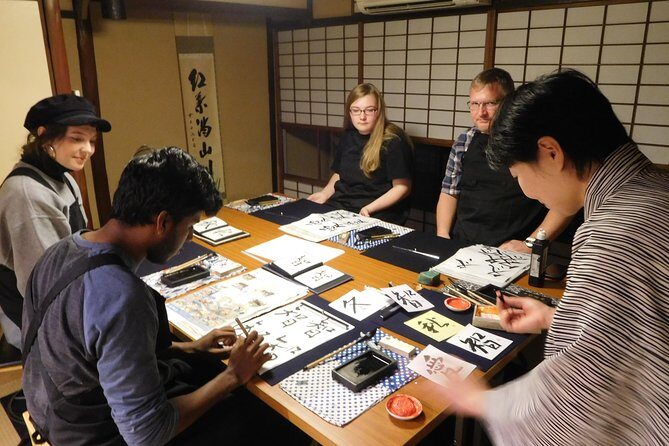
The experience takes place in Kyoto at Ami Kyoto, starting at 605 Nishidachō, Shimogyo Ward. It ends back at the same meeting point, so you’re not running across the city after class.
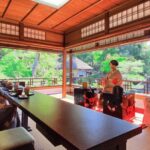
The townhouse itself is a big part of the value. The workshop is taught in an 80-year-old traditional wooden townhouse, which changes the whole mood. Instead of a fluorescent-lit setting, you’re in a space that feels like Kyoto’s older domestic architecture—where quiet matters and details catch your eye.
The class is also limited in size (maximum 5 travelers). That’s a hidden advantage in a small venue. You’re more likely to get a smooth flow rather than a crowded, noisy room where you can’t concentrate.
Also, it’s described as near public transportation, which is exactly what you want in Kyoto. You’re not planning a long detour. You’re adding an hour and a half of craft to an existing day.
Materials included, so you can focus on the brush
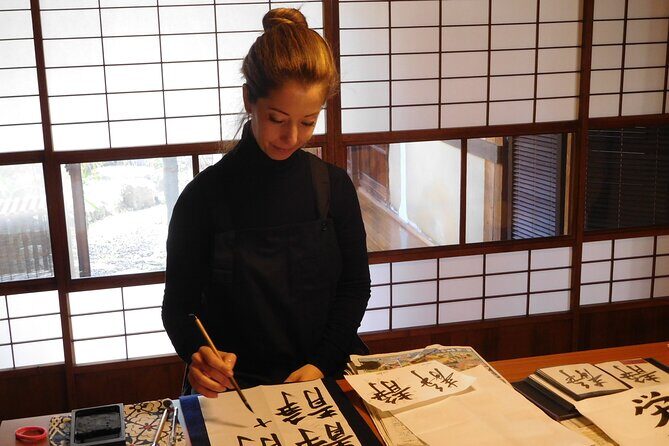
This workshop includes the basics you’d otherwise have to shop for. You don’t need to guess what ink to buy or how to pick paper quality. Materials provided include ink and paper, plus a calligraphy utensils rental fee.
You’ll use those tools during the demonstration and your hands-on practice. That matters because calligraphy isn’t just about the character; it’s about the tools shaping the result. When the workshop supplies everything, you can concentrate on forming strokes rather than worrying about whether you’re using the wrong equipment.
And because you take home what you make, the materials inclusion is part of the souvenir value. You’re not leaving with a lesson summary on your phone. You’ll have a finished piece you can display, gift, or frame later.
Lesson flow in 3 stages: intro, demo, practice
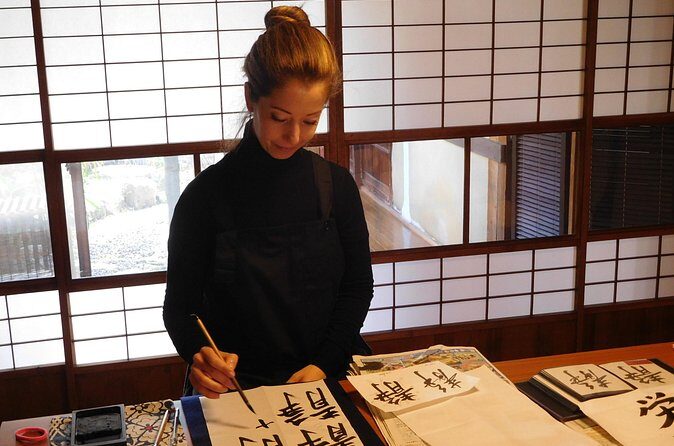
Here’s how the workshop is structured, in a way that keeps you moving instead of stuck.
First, there’s an introduction. You get essential knowledge about calligraphy and its background. This sets expectations: calligraphy varies by person, and the beauty is partly in how individual style shows through.
Next comes demonstration. You’ll watch the teacher show basic techniques and explain how to approach the strokes. This is when beginners often relax most. Once you see what to do, the practice stage feels much more doable.
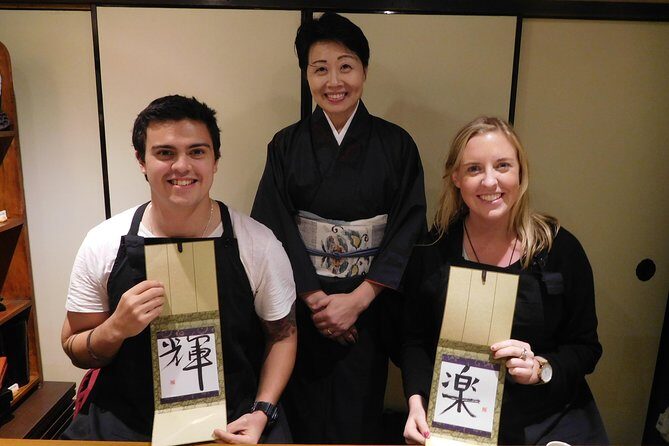
Finally, there’s hands-on time. You’ll create your own Japanese kanji calligraphy art work. The workshop emphasizes that beginners can still produce something beautiful with careful guidance, and that shows in how the session is taught.
In small groups, the teacher can help with the parts that trip you up—like stroke flow, spacing, and how to correct your approach without turning it into a stressful test.



Getting feedback in a small group (and the teacher matters)
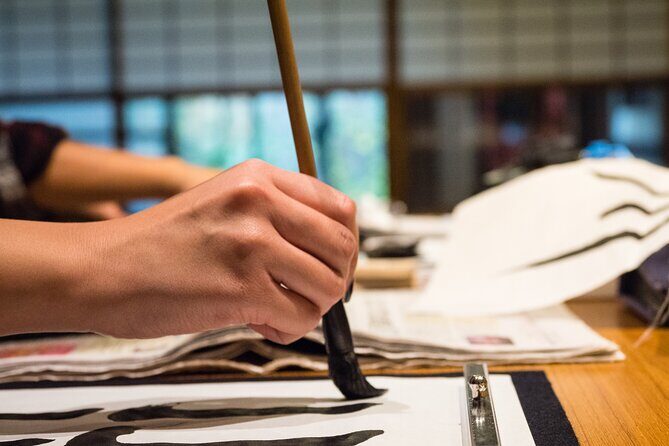
The workshop is described as small-group instruction, with a maximum of 5 people. That’s the difference between “I kind of tried” and “I improved while I was learning.”
Instructors provide instructive feedback as you practice. The guidance is also described as encouraging, which matters for calligraphy. If your first attempt looks rough (it will, if you’re new), you need feedback that helps you adjust rather than freeze you.
One named instructor you’ll see referenced in feedback is Toshiko. That name comes up in the context of both knowledge and teaching style, and it’s a good signal that the workshop cares about how the lesson lands for each student.
If you’re traveling with a friend or family member, the small group format can also feel cozy. One-on-one attention isn’t guaranteed, but the class size gives your brain room to focus.
Price and value: about $58.64 for a take-home craft
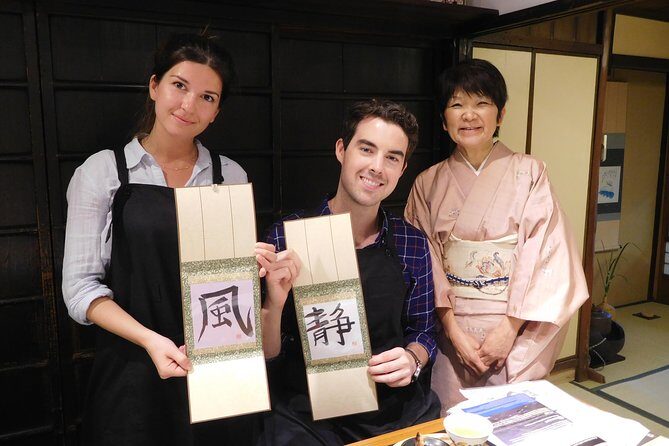
At around $58.64 per person for roughly 1 hour 30 minutes, this isn’t a bargain class where you write a single character and leave. It’s priced like an experience with real instruction and included materials.
Here’s how I think about value:
- Included supplies: ink, paper, and utensil rental fee. You’re not paying extra for the basics.
- You take the finished work home: that’s a tangible souvenir.
- Small group size: max 5 means more practical coaching per person than bigger workshops.
- The setting: learning in a traditional townhouse (described as 80 years old) adds atmosphere you can’t fake at home.
What’s not included is hotel pickup/drop-off. That’s common, but it changes the math a bit. Plan on getting yourself to the meeting point near public transportation. If you’re already moving around Shimogyo or central Kyoto, that’s easy. If you’re far out, factor in transit time so the experience still feels worth the price.
It’s also noted that it’s often booked about 8 days in advance on average. If calligraphy is a must-do for your Kyoto plan, don’t wait until the last minute.
Practical tips so your calligraphy doesn’t feel rushed
You can’t control everything in a short class, but you can control how prepared you feel.
- Go in curious, not perfect. The workshop treats calligraphy as something personal. A good result can still look different from someone else’s.
- Watch the demo closely before writing. Most beginners miss one small instruction and spend the rest of the session correcting a habit.
- Use the feedback fast. If your teacher adjusts your stroke or spacing, try the change immediately rather than waiting for the end.
- Plan for carrying your artwork. You’ll leave with your piece, so bring a bag that can hold it without bending.
Also, don’t assume this is only for people who can already draw. The teaching approach is geared to beginners, including those who think kanji is too difficult.
Who should book this Kyoto calligraphy workshop?
This workshop fits best when you want a hands-on cultural activity that doesn’t require prior skill.
I think it’s especially good for:
- Beginners who want real guidance and not just a casual try
- People who like quiet, focused activities with a meditative tone
- Families and teens who want a structured craft. If someone is under 18, they must be accompanied by an adult. If the adult doesn’t participate, a viewing fee is specified.
- Short on time travelers who still want something meaningful that you can take home
Solo travelers also do well here. Small group size keeps the experience from feeling impersonal.
Should you book this calligraphy class
If you’re looking for an authentic Kyoto moment, this is a strong pick because you get three things in one session: Zen-informed calligraphy instruction, a traditional townhouse setting, and a take-home artwork.
I’d book it if:
- kanji calligraphy is on your Kyoto wishlist
- you want guided practice rather than trial-and-error
- you like the idea of learning in a space you likely wouldn’t access otherwise
I’d think twice if:
- you want advanced calligraphy techniques or lots of repetition
- you’re expecting a long, open-ended art session
FAQ
How long is the calligraphy workshop?
The experience lasts about 1 hour 30 minutes.
What’s included in the price?
Materials are included, such as ink and paper, plus the calligraphy utensils rental fee.
Is hotel pickup or drop-off included?
No. Hotel pickup and drop-off are not included.
How many people are in the class?
The group is limited to a maximum of 5 travelers.
Can I take my calligraphy work home?
Yes. You take home the Japanese kanji calligraphy art work you create during the workshop.
What if a participant is under 18?
Participants under 18 must be accompanied by an adult. If the adult does not participate, a viewing fee of 3,500 yen per person will be charged.
Is there a cancellation policy?
Yes. Free cancellation is available if you cancel up to 24 hours in advance for a full refund. If you cancel less than 24 hours before the start time, the amount paid is not refunded.
If you want, tell me your travel dates and whether you’re doing this with kids or as a solo stop. I can help you choose a good time slot in your Kyoto day so it doesn’t feel rushed.