Morning Kyoto feels like a secret. This half-day Kyoto highlights walk starts early so you can wander the torii gates at Fushimi Inari in calm light, then head for the big viewpoints at Kiyomizu-dera without the heavy crowd crush. I also like that you get real cultural guidance, not just sightseeing.
The main drawback is simple logistics: this is a walking-first experience using public transportation, and if you are late for the Kyoto Station meeting time, you cannot join and there is no refund.
In This Review
- Key points worth waking up for
- Why Kyoto in the morning feels different than the afternoon
- Meet at Kyoto Station: a straightforward start (and an easy panic point)
- Fushimi Inari Shrine: torii gates in soft light, not gridlock
- Shinto and temple etiquette: the part you’ll use long after the tour
- Kiyomizu-dera: included admission plus the payoff views
- Kasuga Grand Shrine: the Shinto prestige stop you may not plan yourself
- Gion at walking pace: historic streets without forcing a rush
- Ikki’s guide style: explanations, questions, and photo timing
- What the tour includes (and what you’ll need to budget)
- Getting your feet ready: moderate walking, no strollers, and no wheelchair access
- Price and logistics: does $81 make sense for Kyoto?
- Who should book this Kyoto morning tour
- Should you book this Kyoto Morning Highlights Tour?
- FAQ
- How long is the tour?
- Is transportation included?
- What is included with the entrance fee?
- Will I be taking most of this tour on foot?
- Is the tour wheelchair-friendly?
- What happens if I cancel or I’m late to the meeting point?
Key points worth waking up for
- Early departure for quieter shrines so you can enjoy Fushimi Inari before the peak rush
- Shinto and temple etiquette that actually helps you know how to pray respectfully
- Kiyomizu-dera viewpoints with included admission (500 yen)
- Gion on foot for a gentler look at Kyoto’s historic streets
- Professional photos included, plus photo tips for better framing
- Guide-led pacing so you don’t just rush between landmarks
Why Kyoto in the morning feels different than the afternoon
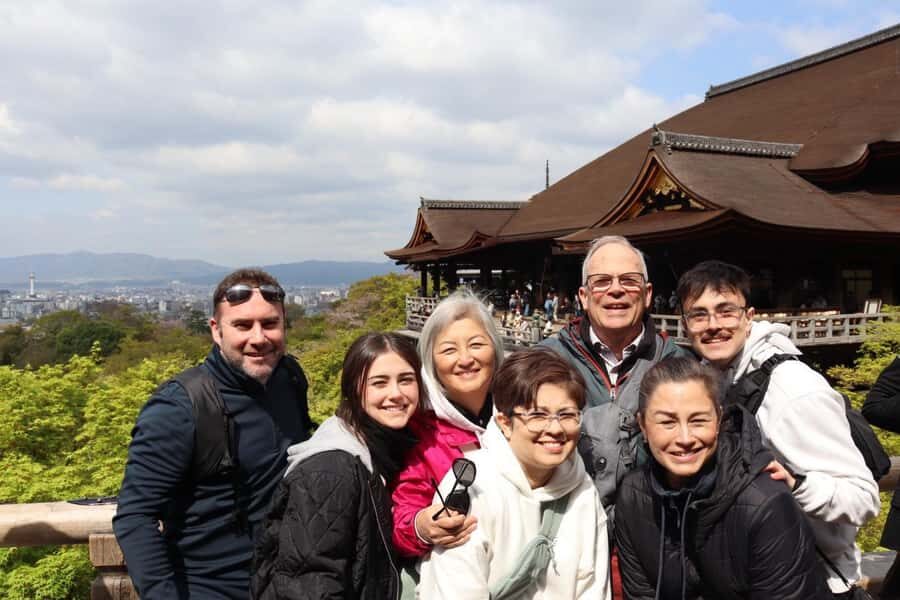
Kyoto’s most famous sights get mobbed for a reason. They really are that good. But the morning changes the whole feel: the air is cooler, the streets are calmer, and the shrines feel less like a checklist.
This tour is built for that. You move at a walking pace with public transportation links, and you aim to see top sites before the day fully wakes up. If you hate shoulder-to-shoulder sightseeing, this kind of start time matters more than fancy promises.
A few more Kyoto tours and experiences worth a look


Meet at Kyoto Station: a straightforward start (and an easy panic point)
Your tour begins at the central exit of Kyoto Station, with Kyoto Tower visible nearby. Your guide waits by the yellow map near the central exit next to a 7-Eleven, holding an OTAKU hopper sign.
This matters because you have only one chance to get it right. The tour is strict about meeting time—if you’re late, you can’t join and you won’t get your money back. Plan to arrive a bit early, and keep an eye on your meeting point images after booking.
Fushimi Inari Shrine: torii gates in soft light, not gridlock

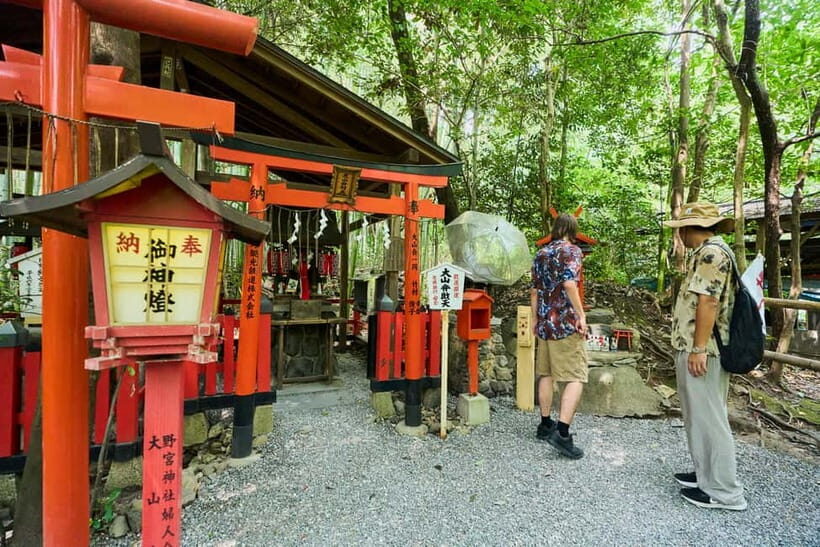
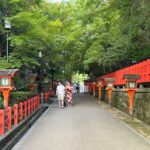
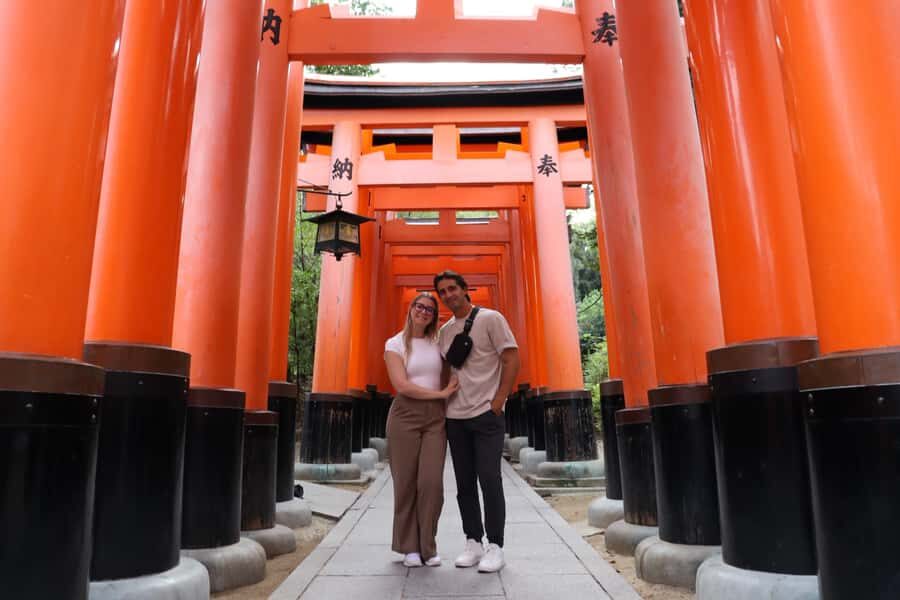
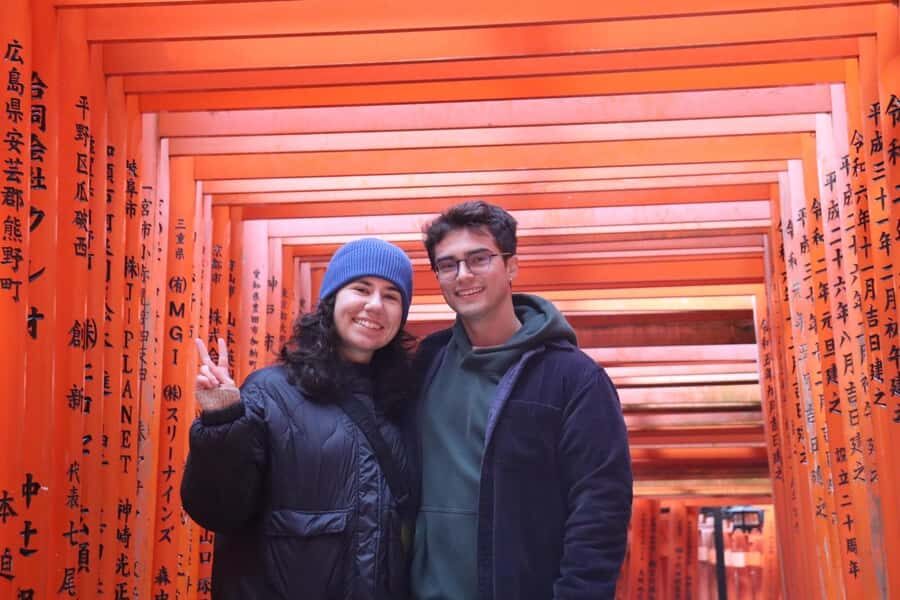
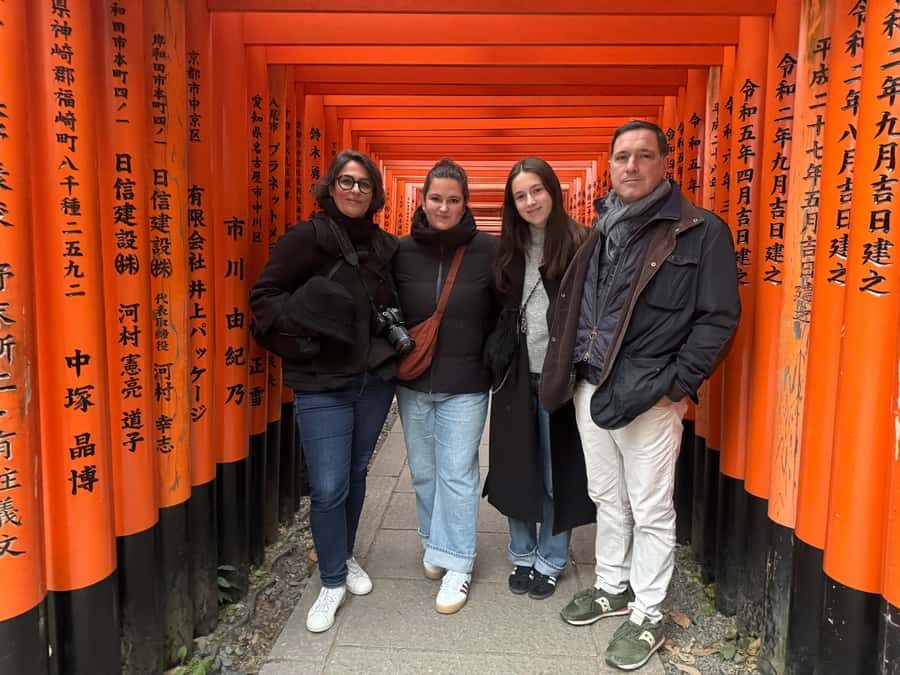
Fushimi Inari is the headline for a reason. You’ll walk through the iconic torii-gate paths, described as about 10,000 gates, and the early timing turns that big visual into something more personal. Instead of a crowded funnel, you get space to notice the details—stone steps, shrine offerings, and the way the path curves as it rises.
What I like about this stop is that it’s not only about the spectacle. The guide’s explanations help you understand how the place works and what you’re seeing as you go deeper along the route. Even if you’ve seen photos before, being there in person can feel surprisingly different when you know what each element is for.
Practical note: you should expect ongoing walking over uneven stone paths and steps. Bring comfortable shoes that can handle that kind of Kyoto ground.
Shinto and temple etiquette: the part you’ll use long after the tour
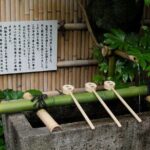
One of the strongest themes from the tour experience is how the guide teaches you how to behave in sacred spaces. The guide, Ikki, is highlighted for explaining the right etiquette for temples and shrines—so you’re not just copying gestures you don’t understand.
That includes practical advice on how to pray at Shinto shrines. The value here is simple: you can visit other sites afterward and feel confident instead of guessing. It also changes how you experience the place—less performance, more respect.
Also, you’ll get story-based context for what you see. The guide’s explanations are described as detailed and easy to follow, with English that stays clear and natural.
Kiyomizu-dera: included admission plus the payoff views
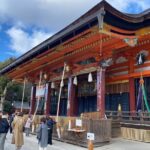
Kiyomizu-dera is one of Kyoto’s most dramatic temple sites, and the tour gives you time to see it properly rather than sprinting through. You’ll also have the included entrance fee for Kiyomizu-dera Temple (500 yen), which helps the math when you compare tours.
The big reason this stop works on a morning schedule is the viewpoint effect. You’re heading toward those elevated views earlier, when the light is often softer and the area tends to feel less congested. Even if you’ve seen postcards of the terrace, standing there when the crowds are lighter makes a real difference.
A small consideration: it’s still a walking-and-steps kind of stop. Wear shoes you trust, because no one wants their day decided by sore feet on the steep sections.
A few more Kyoto tours and experiences worth a look




Kasuga Grand Shrine: the Shinto prestige stop you may not plan yourself
The tour highlights include time to discover Kasuga Grand Shrine, described as a prestigious Shinto site. While many Kyoto itineraries skim Shinto details, this gives you a chance to see another side of religious Kyoto beyond the headline attractions.
Because the tour information doesn’t spell out extra admission details or exact timing for this portion, treat it as a guided “spotlighting” moment rather than a standalone deep museum visit. You’re there to absorb what it means and how it fits into Kyoto’s Shinto traditions—guided pacing helps you connect the dots.
If you’re the type of person who likes to understand what you’re looking at, this kind of added shrine stop is the difference between seeing Kyoto and reading Kyoto.
Gion at walking pace: historic streets without forcing a rush
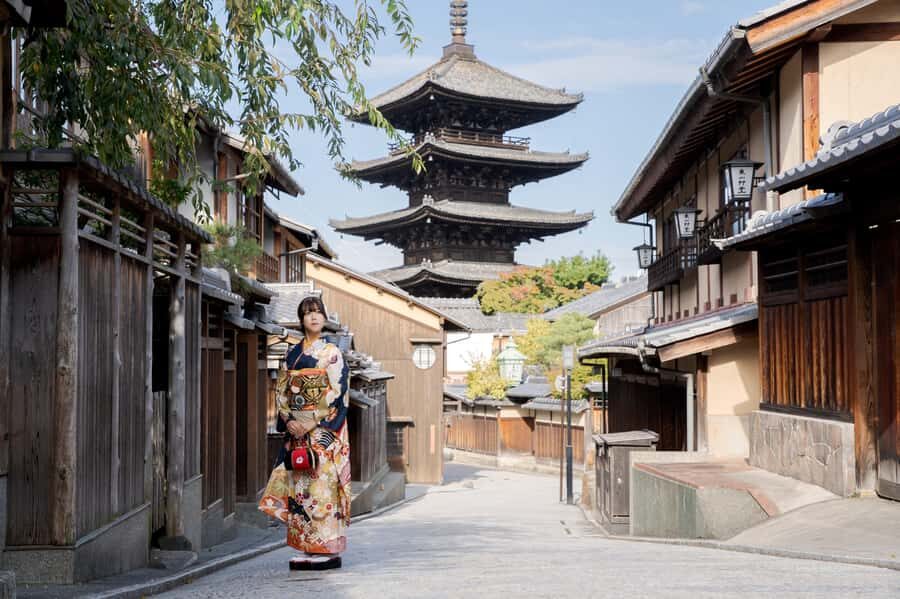
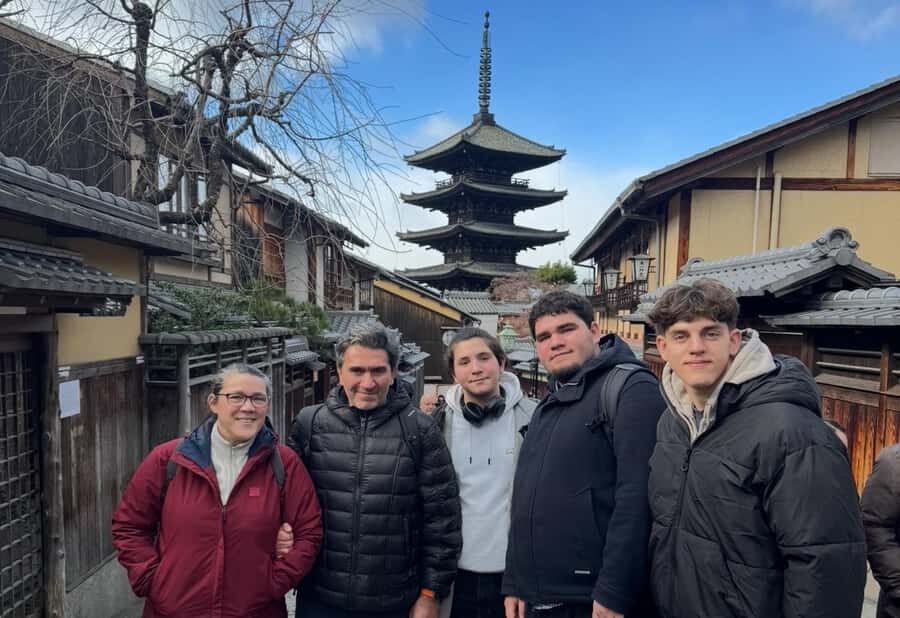
Ending in Gion is smart. Gion is Kyoto’s famous historic district, and by the time you reach it, you’ve built a rhythm: shrine to temple to story, then street-level Kyoto atmosphere.
Walking matters here. On foot, you notice the small stuff—the rhythm of narrow lanes, the texture of old-town streets, and how the neighborhood feels different from temple grounds. The tour is also described as efficient for a half day, which means you’re not just dropping into a single photo spot and leaving.
Gion is also a good place to use what you learned about respectful behavior. You’ve already been coached on shrine and temple etiquette, so your mindset shifts from sightseeing to observation.
Ikki’s guide style: explanations, questions, and photo timing
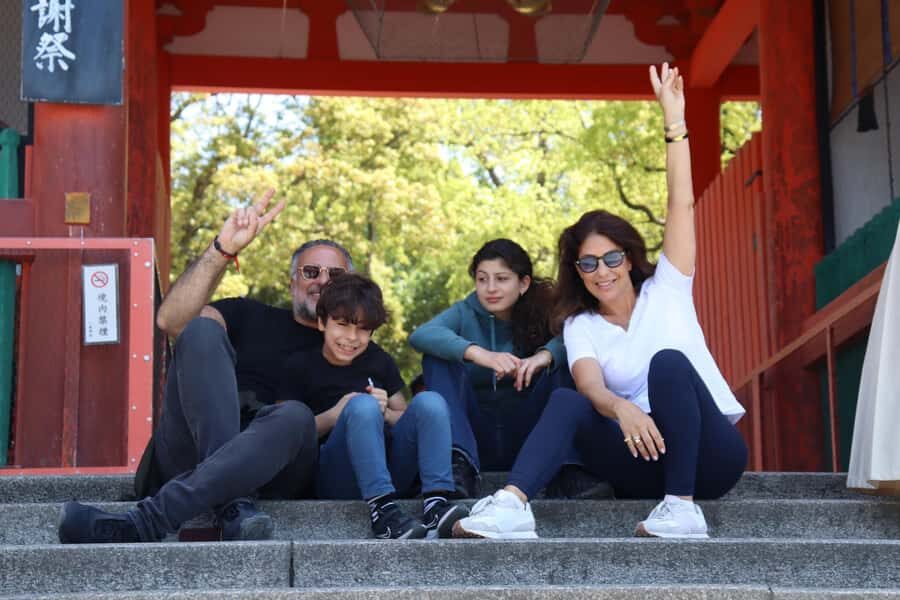
The tour consistently points to one guide: Ikki. The praise is focused and specific—he’s described as professional, kind, and able to explain traditions and history in clear English. Several comments highlight his ability to answer questions and point out details that most people would miss.
He’s also credited with taking lots of photos during the morning and knowing good photo spots. That matters because photo opportunities in Kyoto are rarely as simple as a single angle. A guide who understands timing and where to stand makes your images more worth keeping.
If you’re traveling with friends or family and want to avoid doing constant camera-swap duty, this is a real advantage. You get more shared moments, not just your own selfies.
What the tour includes (and what you’ll need to budget)
This Kyoto morning highlights tour is priced at $81 per person, which is where value really depends on what you compare it to. If you were doing this solo, you’d pay for a guide for explanations (or spend hours self-learning), you’d still need to manage timing, and you’d likely buy at least one set of entry fees.
Here’s what’s included:
- A passionate local English-speaking guide (with strong cultural explanations)
- Kiyomizu-dera admission (500 yen)
- A sample of Kyoto’s traditional sweets
- Stunning professional photos taken during the tour
- Free Wi-Fi
Not included:
- Public transport fare (about 400 yen)
- Meals and drinks
- Personal expenses
For many people, the “hidden value” is the photo component plus the time saved by starting early. You’re buying a morning plan and a translator for culture, not just walking access.
Getting your feet ready: moderate walking, no strollers, and no wheelchair access
This is a walking experience with moderate walking throughout. That means comfortable shoes are non-negotiable. If you’re planning long days after this, keep your legs in mind—Kyoto morning starts can still be physically demanding.
Two restrictions are clear:
- Baby strollers are not allowed
- Wheelchair users are not suitable for this tour
So if you need mobility accommodations, you’ll want to look at other options rather than forcing a good idea into the wrong format.
Price and logistics: does $81 make sense for Kyoto?
Let’s be practical. You’re paying for:
- Guided early access planning (so you avoid some crowds)
- Cultural explanations, including how to pray respectfully
- Transportation coordination (you do pay an additional approx 400 yen)
- Entry fee covered for Kiyomizu-dera
- A sweets sample
- Professional photos taken during the tour
For $81, that’s a solid package if you value learning and don’t want to spend your morning figuring out routes, queue timing, and etiquette alone. If you’re the type who likes to wander freely without any structure, a self-guided morning might be cheaper. But then you’re trading away the guide’s explanations and photo help.
Who should book this Kyoto morning tour
You’ll probably love it if you:
- Want top Kyoto sights in half a day
- Prefer morning light and lighter crowds
- Like learning how temples and shrines work, not just taking photos
- Want someone to handle timing and photo spots
You might skip it if:
- You can’t do stairs and uneven walking surfaces
- You need wheelchair-friendly routing
- You dislike early mornings and strict meeting-time rules
It’s also a good choice for first-timers. The tour gives you a Kyoto “language” for what you’re seeing—so you can explore the rest of the city with better context.
Should you book this Kyoto Morning Highlights Tour?
If your goal is a meaningful Kyoto morning—Fushimi Inari, Kiyomizu-dera, and Gion—with a guide who explains etiquette and stories, this tour is a strong bet. The included photos and the practical cultural coaching make it feel less like sightseeing and more like understanding.
If you’re sensitive to early starts or you’re planning to arrive late from another part of Kyoto, think twice. The tour’s biggest strength is also its biggest rule: start on time, walk comfortably, and you’ll get the benefits.
FAQ
How long is the tour?
It’s a half-day morning tour designed to fit Kyoto’s must-see highlights before crowds arrive.
Is transportation included?
Public transportation is not included. You should budget about 400 yen for transit.
What is included with the entrance fee?
Kiyomizu-dera Temple admission is included (500 yen). Other costs and meals are not included.
Will I be taking most of this tour on foot?
Yes. It’s a walking-focused experience with moderate walking and some use of public transportation.
Is the tour wheelchair-friendly?
No. It is not suitable for wheelchair users.
What happens if I cancel or I’m late to the meeting point?
You can cancel up to 24 hours in advance for a full refund. If you’re late for the meeting time, you will not be able to join the tour and you won’t receive a refund.