This Kyoto evening tour hits the right notes. You get Gion Corner cultural performances, then step into a candlelit tea ceremony in a ryokan setting, with lantern-lit streets in between. It’s a well-paced mix of stage arts, food, and quiet moments—very Kyoto, and very easy to follow.
I also like that you’re not stuck guessing what you’re watching. A licensed English guide helps you connect the dots as you see dance, tea ceremony, flower arrangement, koto music, court music/dance (bugaku), and comic theater (kyogen), plus either bunraku or noh depending on season. One possible drawback: the meeting/start logistics can be a bit of a scramble if you end up taking a taxi from a distance—there’s been a fix in progress, but it’s worth planning buffer time.
In This Review
- Key Things To Know Before You Go
- When a Kyoto Night Program Makes Sense
- Price and What You Actually Get for It
- Your Evening Game Plan: From Hotel to Gion Corner
- Stop 1: Gion Corner and the Art of Understanding What You’re Watching
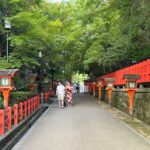
- Stop 2: Hanamikoji Street and the Walk Through Preserved Gion
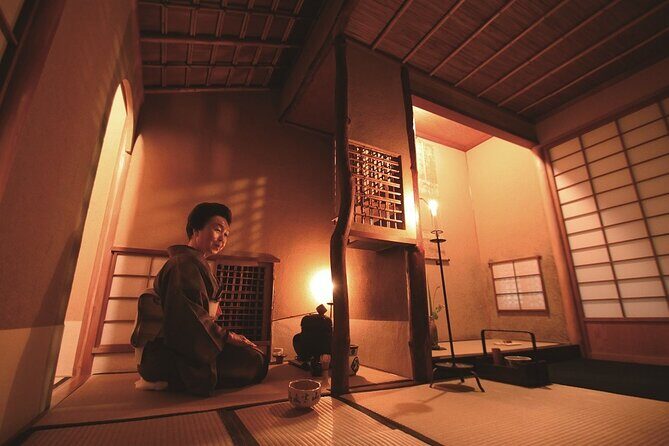
- Stop 3: Candlelit Tea at Ryokan Yoshi-Ima (Kurenaitei)
- Zen-Style Vegetarian Dinner: Buddhist Food, Real Constraints
- How the 4 Hours Actually Feel
- Who This Tour Fits Best (And Who Might Skip It)
- The After-Dinner Bonus: End in Central Gion
- Should You Book This Kyoto Traditional Culture Night Tour?
- FAQ
- FAQ
- What time does the tour start, and how long is it?
- Is admission to the performances included?
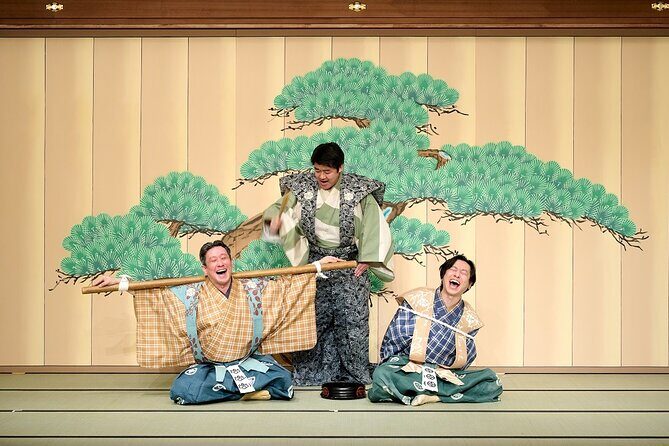
- What performance arts are shown at Gion Corner?
- Do you get bunraku or noh?
- Is the dinner vegetarian?
- Are drinks included with dinner?
Key Things To Know Before You Go
- Gion Corner is seasonal: bunraku or noh switches depending on the time of year, and parts of the program can change.
- You’ll walk through historic Gion: the route includes Hanamikoji Street and the preserved traditional-building area around Gion Shimbashi.
- Tea in a candlelit room: the ceremony happens in Kurenaitei at Ryokan Yoshi-Ima, in a dedicated tea ceremony room.
- Zen-style vegetarian dinner with real details: it’s Buddhist vegetarian style, but tempura sauce can include bonito—salt substitution is possible.
- Small-group feel: the tour caps at 24 people, and you move as a group without feeling rushed all night.
- All the big-ticket items are included: admission fees, the Japanese-style dinner, and the guide interpreter fee are part of the price.
When a Kyoto Night Program Makes Sense
Kyoto at night can be tricky. The main areas look beautiful, sure—but it’s also easy to burn time figuring out what’s on, where you’re supposed to go, and what you’re actually looking at. This tour solves that problem by stacking three “hard-to-plan” pieces into one evening: a performance hall program, a guided stroll through Gion, and a ryokan meal plus tea ritual.
It also has a practical advantage: you’re doing this after the day’s sightseeing. A 5:05 pm start time means you’re not fighting daytime crowds while also trying to catch a show. Instead, you’re arriving when streets start to glow and the city shifts into evening mode.
And yes, you still get some free strolling time. After dinner, you end right in central Gion, so you can keep walking on your own if you feel like it.
Other evening experiences in Kyoto



Price and What You Actually Get for It
The price is $175.60 per person for about 4 hours (with the timing built for travel and waiting around performances). That’s not cheap, but it’s also not just paying for a “walk and talk.” The tour price includes the admission fees, a Japanese-style dinner, and the National Government Licensed English guide interpreter fee.
What’s not included is anything you want to drink during dinner. If you’re the type who orders something more than water, set aside a bit extra. That’s the main “surprise cost” to watch for.
A detail I like for planning: the experience uses a mobile ticket, and it’s typically booked around six weeks ahead (about 42 days on average). If you’re traveling in peak season, I’d book earlier rather than later so you’re not stuck with whatever time slots remain.
Your Evening Game Plan: From Hotel to Gion Corner
The tour starts at Good Nature Hotel Kyoto (Shimogyo Ward, Inarichō). The start time is 5:05 pm, and you finish after dinner at Ryokan Yoshi-Ima in central Gion.
From a practical standpoint, the early part of your evening matters most, because it sets the tempo. You want to arrive where the first program begins without stress. There’s been feedback about the initial meet-up happening away from the venue, and the operator has said that starting in December 2024, the approach will switch from a taxi hop to walking from the meeting point to Gion Corner. That’s a good change. Walking is easier to control, and you don’t have to worry about traffic.
Tip for your own sanity: build in a little extra buffer before 5:05 pm. Kyoto trains and buses are great, but evenings can get busy, and you don’t want your first program to be the thing you rush.
Stop 1: Gion Corner and the Art of Understanding What You’re Watching
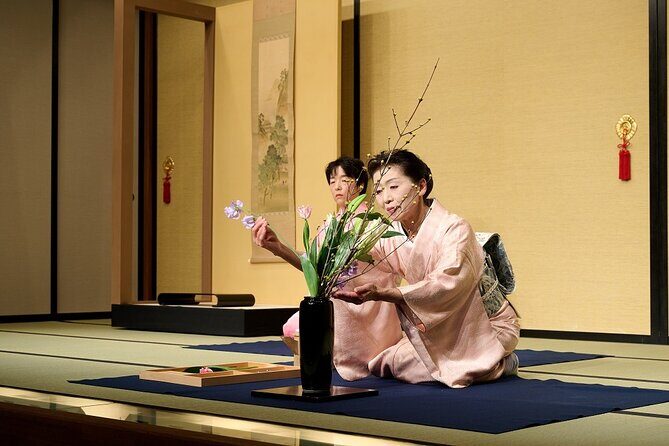
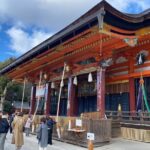
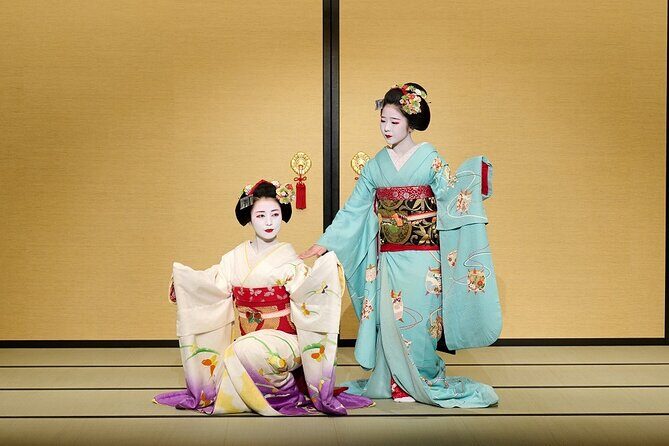
This is the heart of the show part of the night. At Gion Corner, you’ll watch a structured set of traditional arts. Expect a mix like Kyoto dance, tea ceremony, flower arrangement, koto music, bugaku (court dance and court music), and kyogen (traditional comic theater). Then there’s the seasonal element.
Here’s the seasonal swap:
- Mar 15 – Nov 30: you’ll see either bunraku or noh as part of the program (the listing notes bunraku vs noh depends on season).
- Dec 1 – Mar 14: the program includes Kyoto dance, tea ceremony, flower arrangement, koto, bugaku, and kyogen; bunraku/noh isn’t listed for this winter window.
Two small but important things:
- The program is subject to change. You’re seeing a traditional arts showcase, not a guaranteed exact script every night.
- The guide’s role is big here. Even if you’ve seen a clip online, these arts make more sense when someone explains what to notice—timing, gesture, sound, and the cultural logic behind the performance.
One more detail that’s easy to miss but fun: you may be able to take a commemorative photo with a maiko. If that matters to you, keep your phone ready during the designated time.
This stop lasts about 50 minutes, and it’s long enough to give you a real sense of the art forms—without dragging you through a marathon.
What could be a drawback? If you prefer hands-on experiences only, a performance-heavy stop can feel a little “watch-y.” But the guide helps make it more than passive viewing.
Stop 2: Hanamikoji Street and the Walk Through Preserved Gion
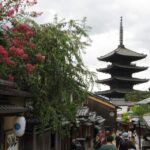
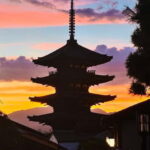
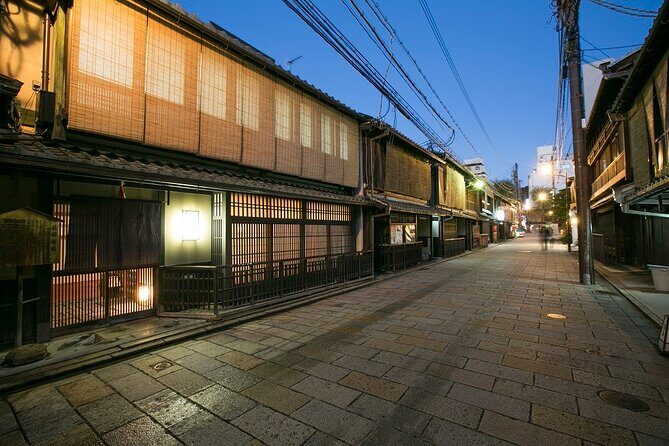
After the performance, you head into the streets. You’ll spend about 30 minutes walking from Hanamikoji-dori Street toward Gion Shimbashi, which is an Important Preservation District for Groups of Traditional Buildings.
This is where the tour earns its “traditional culture night” title in a way a museum ticket never can. The buildings and alley atmosphere in Gion are the point. Paper lanterns and the evening light do the heavy lifting here. Your guide can point out what you’d otherwise ignore: the difference between a street that’s just scenic and a street that’s actively preserved, plus how the old layouts still shape movement today.
This walk is also a nice tempo reset after sitting for a show. It gives you time to breathe, look around, and get oriented—so that when you’re later at dinner, it doesn’t feel like you’re just hopping from one location to another with no context.
One consideration: because it’s evening, it can get crowded and you’ll be moving as a group. If you want quiet photography time, you may need to wait for a break in the flow.


Stop 3: Candlelit Tea at Ryokan Yoshi-Ima (Kurenaitei)
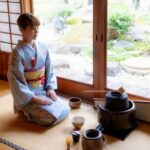
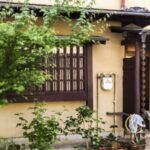
Now for the part that feels most personal: your tea ceremony at Ryokan Yoshi-Ima, in the tea room called Kurenaitei. The tour lists 1 hour 30 minutes here, which includes the tea moment and the meal afterward.
The ceremony is described as candlelit and private for the group, and that’s a big deal. You’re not squeezing into a rushed common space. Instead, you’re stepping into a calmer rhythm—an important contrast to the performance hall.
What you should expect from this kind of tea ceremony experience is not “tea trivia.” It’s about atmosphere and respectful procedure. Even if you don’t know the steps, the guide’s explanations help you understand why each part exists and what the ceremony is trying to create in the room.
One practical note: this tour includes a dinner afterward, so you’ll want to pace yourself with water and not treat it like a sprint between courses.
Zen-Style Vegetarian Dinner: Buddhist Food, Real Constraints
Dinner is one of the strongest value points on this tour, because it’s included. It’s served in a Zen-style approach and described as Buddhist vegetarian cuisine.
Here’s the key detail you’ll want to know before you have expectations set: it’s vegetarian-style, but bonito stock is used in the tempura dipping sauce. The tour notes that you can request salt as a substitute for the tempura dipping sauce. Tempura ingredients are listed as:
- tofu
- namafu (wheat gluten)
- yuba (tofu skin)
- seasonal vegetables (like eggplant, lotus root, ginger, and shiitake mushrooms)
You’ll also have miso soup and rice.
Two more constraints matter for dietary planning:
- Requests for Muslim-friendly meals, Indian thali meals, and allergy-friendly meals are not accepted.
- The tour welcomes vegetarian participants, but it does not position itself as strictly vegan or strictly no-fish-cross-contact.
If you eat vegetarian and are okay with the explanation and possible salt substitution, you’ll likely find this dinner thoughtful and comforting. If you’re vegan or have strict restrictions, you should confirm ahead of time how your situation will be handled—because the presence of bonito stock in sauce is specifically called out.
Also, dinner time drinks cost extra. So keep that in mind if you want tea, soda, or alcohol with your meal.
How the 4 Hours Actually Feel
Even though the itinerary list of stops adds up to about 2 hours 50 minutes, the tour is scheduled for about 4 hours total. That extra time is for travel between locations and waiting around performances.
In practice, that’s not a bad thing. Waiting is normal for show-based experiences—especially when you’re in a traditional venue with timed programming. The benefit is that you’re not sprinting, and you’re not missing the start of the next part because you underestimated transit.
The group size cap of 24 people also helps your experience feel controlled. You’re not in a crowd the entire night. You can still hear the guide and follow instructions without constantly asking who went where.
Who This Tour Fits Best (And Who Might Skip It)
This is a strong match if you want:
- a guided evening in central Kyoto without spending hours coordinating bookings
- traditional arts at Gion Corner plus a meaningful pause afterward in a ryokan setting
- a dinner included in the price, delivered in a Buddhist vegetarian style with clear food details
It’s also good if your Japanese is limited. The tour uses a National Government Licensed English guide, and that makes a big difference when you’re watching arts with lots of context.
Who might not love it?
- If you only want street wandering and zero seated time, the performance stop may feel too scheduled.
- If you’re picky about food restrictions beyond vegetarian (allergies, strict vegan, or religious dietary patterns not covered), this tour may not be the easiest fit.
Also note age limits: children under 7 can’t participate. And for participants under 18, parental permission in writing is required; anyone under 15 or not yet enrolled in middle school must be joined by a parent or guardian.
The After-Dinner Bonus: End in Central Gion
The tour ends at Ryokan Yoshi-Ima, which is in a convenient location in central Gion. That’s handy because you’re not stranded far from your next move.
If you still have energy, you can do a slow post-dinner walk around Gion on your own. If you want to head back quickly, you’ve got that option too, since the finish is central.
Even better: ending in the same neighborhood where you started the street walk keeps the night feeling cohesive.
Should You Book This Kyoto Traditional Culture Night Tour?
I’d book it if you want a Kyoto evening that’s structured, cultural, and not work. The combination of Gion Corner performances, a guided walk through Hanamikoji and Gion Shimbashi, plus a candlelit tea ceremony and dinner at Ryokan Yoshi-Ima is exactly the kind of pairing that saves time and reduces guesswork.
Book with extra care if your diet is strict or you need allergy accommodation, because the dinner specifically notes bonito stock in tempura dipping sauce and also states that allergy-friendly requests aren’t accepted.
One more “decision helper”: if you’re excited to learn what the performances mean, the guide makes this tour feel more like understanding than just watching. If you just want photos and wandering, you might find a self-guided evening more your speed.
FAQ
FAQ
What time does the tour start, and how long is it?
The tour starts at 5:05 pm and runs for about 4 hours total. The itinerary’s stop times add up to about 2 hours 50 minutes, with extra time for travel and waiting.
Is admission to the performances included?
Yes. Admission fees for the tour stops are included.
What performance arts are shown at Gion Corner?
Gion Corner includes traditional Kyoto dance, tea ceremony, flower arrangement, koto music, bugaku (court dance and music), and kyogen (traditional comic theater). Bunraku or noh is performed depending on the season, and the exact content can change.
Do you get bunraku or noh?
Either bunraku or noh is performed depending on the season. The listing also notes that winter performances (Dec 1–Mar 14) focus on dance, tea ceremony, flower arrangement, koto, bugaku, and kyogen.
Is the dinner vegetarian?
The dinner is described as Buddhist vegetarian cuisine, and vegetarian participants are welcome. However, the tempura dipping sauce uses bonito stock. Salt can be used instead of the tempura dipping sauce.
Are drinks included with dinner?
Dinner includes the meal itself, but dinner time drink charges are not included.