Kyoto can feel like a sprint. This ikebana session turns it into something quieter. You’ll learn the art of Japanese flower arrangement in a renovated, about 100-year-old townhouse, and your work is later shown in a tokonoma inside a traditional room.
What I like most is the balance between structure and freedom. Instructors Taro-san and Chiaki-san are welcoming, and they genuinely encourage you to treat it as your own arrangement, not a test. The second big win: you’re taught to focus on the beauty of the flowers and branches as they naturally are, using the mood of wabi-sabi.
One thing to consider is the time. At around 40 minutes, it’s not a long, slow craft day. It’s perfect if you want a clear start-to-finish experience, but less ideal if you’re hoping to linger and redesign multiple times.
In This Review
- Key things to know before you go
- Kyoto’s ikebana class in a renovated 100-year townhouse
- What you’re really learning: classical ikebana and wabi-sabi
- Inside the 40-minute workshop: how it flows for beginners
- The setting and staff that make it feel calm, not academic
- Flowers by season: why the materials matter
- Finishing moment: taking your ikebana home (with less hassle)
- Where to fit this into your Kyoto day
- Value for the price: what $65.15 buys you
- Who this class is perfect for
- When you might want to choose something else
- Practical details you’ll want to know
- Should you book Kyoto Cultural Ikebana Experience at SEKKA FLOWERS?
- FAQ
- How long is the ikebana experience?
- Where does the experience meet in Kyoto?
- Is this class suitable for beginners?
- How big is the group?
- Will I get to display or take my arrangement home?
- What ticket type do I need?
- What’s the cancellation rule?
Key things to know before you go
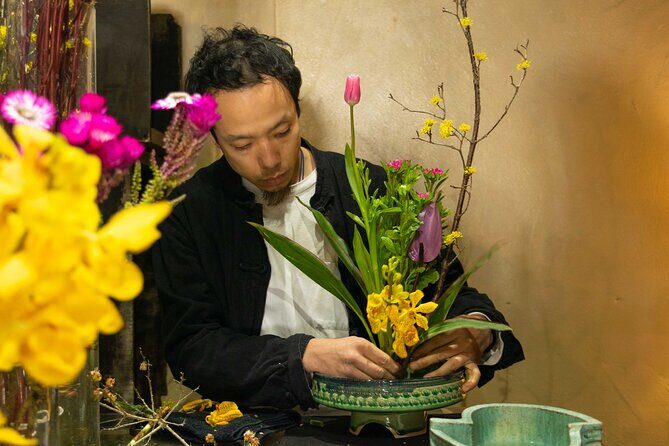
- A small group of up to 6 means you get real attention, not a lecture from the back row
- A tokonoma display is part of the experience, so your arrangement feels like it belongs in a traditional room
- Beginner-friendly: there’s no wrong answer vibe, even if you’ve never held clippers before
- Classical forms with wabi-sabi: you’ll follow tradition while honoring the natural shape of stems and flowers
- A peaceful break from Kyoto crowds, since the workshop setting is calm and focused on the senses
- Your finished arrangement may be delivered to your accommodation afterward, based on participant experiences
Kyoto’s ikebana class in a renovated 100-year townhouse
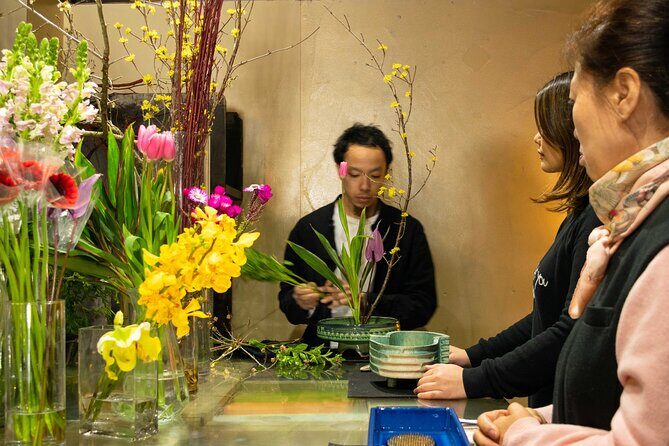
This class happens at a flower shop set in a renovated traditional townhouse in Kyoto’s Kita Ward area. The setting matters here. Instead of doing ikebana in a bright studio, you’re in a space with the bones of old Japan—perfect for the kind of attention ikebana asks for. And the location is handy if you’re already in the Kyoto temple zone: it’s near Kinkaku-ji and Daitoku-ji.
The workshop is a cultural experience course focused on learning, not just making something pretty. You’ll spend about 40 minutes with an instructor guiding you through ikebana principles and the art’s background, so it feels grounded rather than random.
Also, the class is small (maximum 6 travelers). That’s a big deal for an activity like this. When the group is tight, you’re more likely to get help that matches what you’re actually doing with your stems and flowers.
If you're still narrowing it down, here are other tours in Kyoto we've reviewed.


What you’re really learning: classical ikebana and wabi-sabi
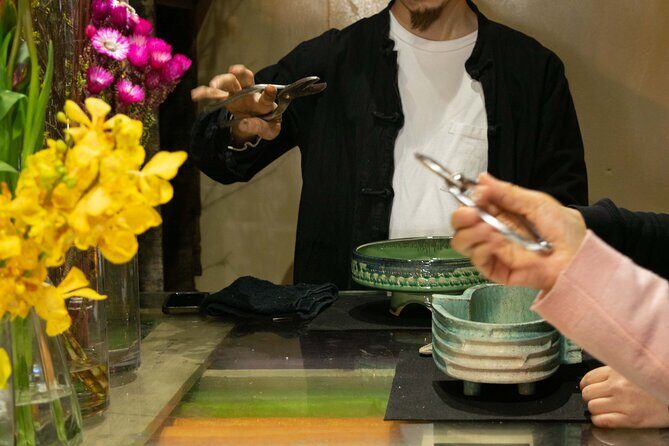
The core idea is simple: ikebana is about making something thoughtful from living materials. This experience leans on classical forms, and it stresses keeping the natural state of flowers and branches. That means you’re not trying to force everything into a stiff shape. Instead, you’re guided to let the stems and blooms suggest the structure.
Then comes the mood: wabi-sabi. In practical terms, it’s about slowing down and noticing quiet beauty—texture, line, and imperfection. The course description also points to awakening your primal senses. You can expect the tone of the session to be calm and sensory-focused, like paying attention to what you’re holding and how it changes when you move it.
If you’re the type who likes rules, this gives you tradition to lean on. If you’re the type who hates rules, this still works because the instructors encourage you that there’s no right or wrong answer. That attitude shows up in the way the guidance is described: instructive and informative when you need it, but not micromanaging your creativity.
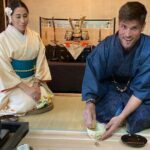
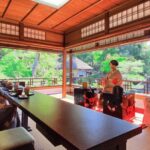
And there’s a special moment built into the workshop: your arrangement is displayed in a tokonoma, an alcove found in traditional Japanese rooms. That’s not just decorative. It changes how your finished piece feels. You’re not rushing it into a bag and calling it done. You’re letting it be seen in the environment it’s meant for.
Inside the 40-minute workshop: how it flows for beginners
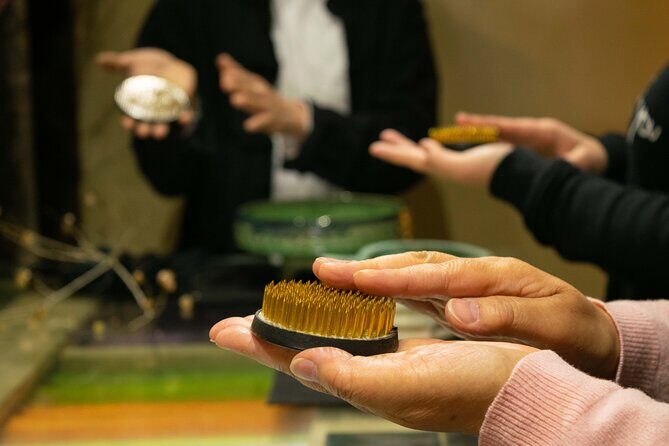
At roughly 40 minutes, you’ll move through a complete arc: learn the basics, work with flowers and branches, and finish with a display moment. Because the class welcomes beginners, you don’t have to arrive with any special skills.
Here’s what I think makes the timing work well for most people:
- It gives you enough time to create something you can be proud of
- It prevents decision fatigue, which matters when you’re standing in front of cut stems and wondering what to do
- With a small group, the instructor can correct posture, timing, and technique without making you feel rushed
From the comments about the teaching style, the instructors seem to strike a practical balance. They guide you enough to keep you moving, then step back so you can make choices. That’s ideal if you want to learn the logic behind the arrangement, but still want your own version rather than a copy.
The session also includes a history and art component. Even in a short format, that’s helpful. When you understand why an arrangement is built a certain way, it feels less like craftwork and more like art with meaning.
The setting and staff that make it feel calm, not academic
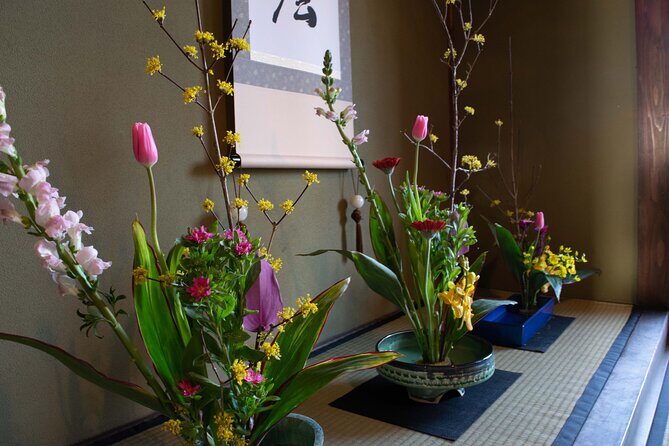
Kyoto has plenty of culture classes, but not all of them feel peaceful. This one leans into calm. The flower shop in the townhouse setting creates a quieter pocket away from the busy streets, and that shows in the overall tone people described: a breath of fresh air compared with Kyoto’s energy.
It also helps that the instructors are presented as warm and welcoming. Names come up clearly—Taro-san and Chiaki-san. That matters because good guidance isn’t just about technical steps. It’s also about how comfortable you feel while building your arrangement.
Two other details stand out in how the class is described:
- You’re encouraged to treat it as personal expression, not perfection
- Your arrangement stays connected to the flower’s natural beauty, not a forced look
If you’ve ever felt intimidated by cultural activities, this is the kind of lesson where you can relax. The goal is participation, understanding, and making something that looks intentional in a traditional space.
Flowers by season: why the materials matter
The course focuses on flowers that represent the seasons in Japan. That’s more than a decorative detail. Seasonal materials keep the lesson grounded in place and time. Kyoto in spring isn’t the same as Kyoto in winter, and ikebana reflects that shift.
When the instructor emphasizes respecting each flower’s and branch’s natural state, you start paying attention to how materials differ:
- Some stems are naturally angled, so you work with that line
- Some blooms look better when they’re allowed to breathe rather than tightly packed
- Some forms feel more right when you keep the structure simple
This kind of lesson teaches you something you can reuse later. Even if you can’t replicate a specific seasonal flower, you’ll remember the principle: treat the stems like living shapes with their own character.
And because this is classical in style, there’s an added layer: tradition gives you boundaries, and the season gives you variation.




Finishing moment: taking your ikebana home (with less hassle)
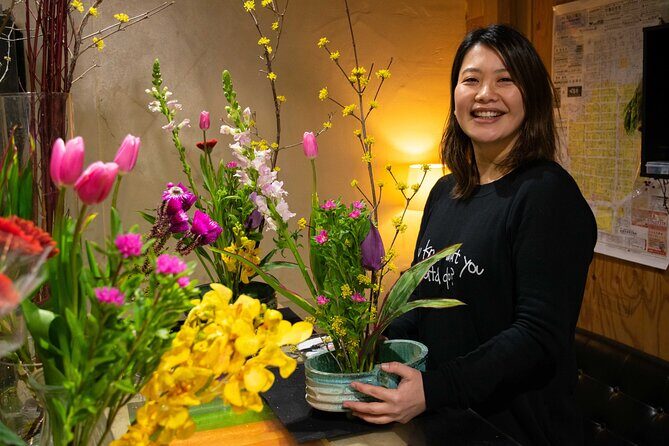
Your work is not just made for the class room. It’s displayed in a tokonoma, and then you can continue enjoying it afterward.
One of the most practical wins here is that arrangements can be delivered to your accommodation after the workshop. People specifically noted that the flowers arrived safely and that delivery made it easy to keep plans moving in Kyoto.
That matters a lot in Kyoto, where you’ll often be walking, using transit, and juggling temple visits. A finished ikebana can be fragile and awkward to carry. Delivery cuts out the stress and lets you stay in “enjoy the day” mode instead of “protect the stems” mode.
If you prefer to keep things simple, you’ll appreciate this. If you like photographing your final piece, you can still do that during the display moment, then let delivery handle the transport.
Where to fit this into your Kyoto day
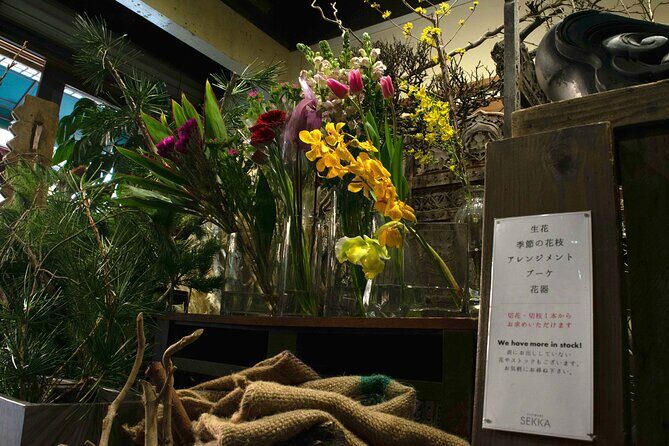
Because it’s near Kinkaku-ji and Daitoku-ji, I’d treat this as a temple-zone reset. Plan it so you’re not rushing from one crowded spot to another without a break.
The class duration is about 40 minutes, so you can pair it with:
- A morning temple block, then an afternoon calmer activity
- A mid-day pause to slow down before you head back out for more sights
- A day focused more on culture than long hikes
If you’re trying to manage crowds, this is also a smart choice. It’s not the kind of experience that depends on being at a specific scenic viewpoint. It depends on attention, quiet, and your hands working with the flowers.
Value for the price: what $65.15 buys you
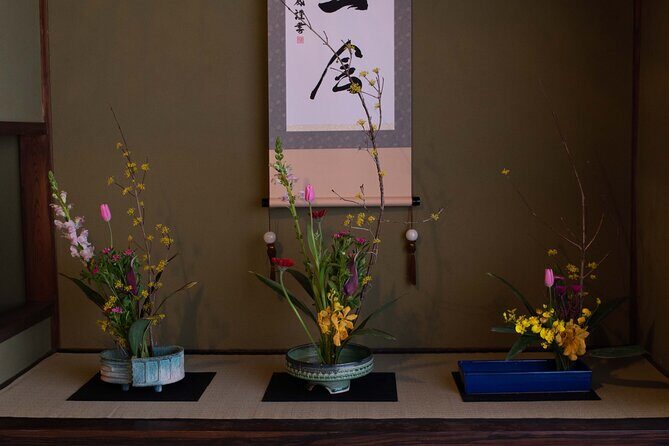
At $65.15 per person for around 40 minutes, this isn’t a bargain workshop. But it does include the elements that make the price feel fair for Kyoto:
- Guided instruction in a traditional setting
- Learning the history and art behind ikebana, not just making an item
- A final presentation moment in a tokonoma
- A small group size (max 6), so you’re not lost in a crowd
- Delivery to your accommodation, noted by participants, which reduces hassle in a city full of logistics
So you’re paying for more than time. You’re paying for the experience setup: the townhouse setting, the instructor attention, and the finishing touch that gives your arrangement a proper place to be seen.
Who this class is perfect for
I’d point you to this ikebana workshop if you:
- Want a calmer cultural activity that contrasts with Kyoto’s busiest hours
- Are a beginner and want guidance without judgment
- Enjoy art you can take home, especially when it’s made with seasonal materials
- Like traditional details, like the tokonoma presentation
It’s also a good fit if you’re traveling as a couple or family. One participant described bringing their wife and kids, and everyone enjoyed it. If you’re visiting with teens who like hands-on creativity, this can work too since the class is designed to welcome beginners.
When you might want to choose something else
If you want a long workshop where you build multiple arrangements, this one may feel short. It’s designed as a complete, focused lesson in about 40 minutes.
Also, if you’re the kind of person who hates being in a small indoor group setting, keep in mind the class is capped at 6. That’s generally a positive thing, but it still means you’re not doing a solo activity.
Practical details you’ll want to know
The meeting point is at 44-4 Murasakino Kamimonzenchō, Kita Ward, Kyoto, 603-8217, Japan. The activity ends back at the meeting point.
You’ll use a mobile ticket, and you’ll receive confirmation at booking time. It’s near public transportation, and service animals are allowed. Most travelers can participate.
Should you book Kyoto Cultural Ikebana Experience at SEKKA FLOWERS?
Yes, if you want a short, meaningful break in Kyoto’s temple neighborhood and you like art that values natural beauty. This class has a great combo: beginner-friendly guidance, classic ikebana principles, and a tokonoma display that makes your work feel part of a tradition.
Book it especially if you’d rather learn with kind instructors like Taro-san and Chiaki-san and leave with less stress thanks to the chance of accommodation delivery. You’ll get something you can keep seeing, not just another photo in Kyoto.
If you’re chasing a full-day craft marathon, you might look elsewhere. But for most people, a calm 40-minute ikebana lesson is a strong value.
FAQ
How long is the ikebana experience?
The class runs for about 40 minutes.
Where does the experience meet in Kyoto?
It meets at 44-4 Murasakino Kamimonzenchō, Kita Ward, Kyoto, 603-8217, Japan.
Is this class suitable for beginners?
Yes. Beginners are welcome.
How big is the group?
The group is limited to a maximum of 6 travelers.
Will I get to display or take my arrangement home?
Your arrangement is displayed in a tokonoma in a traditional Japanese room, and participants noted that the finished flowers can be delivered to their accommodation afterward.
What ticket type do I need?
You’ll have a mobile ticket.
What’s the cancellation rule?
You can cancel for a full refund up to 24 hours before the experience start time (local time). If you cancel less than 24 hours before, the amount paid is not refunded.