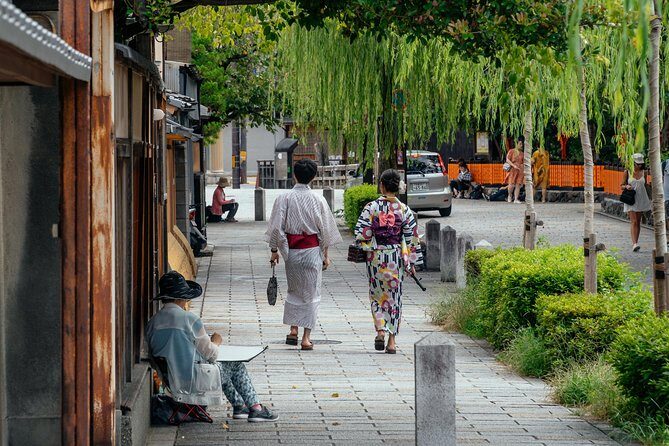
Kyoto feels like two worlds in one morning. This 4-hour guided walking tour strings together Kiyomizu-dera, Sanjūsangendō, and Fushimi Inari-taisha so you can see the big names without spending the whole day planning. It’s a small-group format (max 8) with a guide who keeps the story moving while you keep your feet moving.
I especially like the way the tour balances major sights with real context—why Kiyomizu-dera matters, what you’re actually looking at in Sanjūsangendō, and how Fushimi Inari fits into shrine culture. I also like that temple admissions are included for Kiyomizu-dera and Sanjūsangendō, so you can focus on the experience instead of running ticket math in the moment.
One thing to consider: the tour has a moderate amount of walking, plus you transfer by train between neighborhoods. The train fee is not included, so you’ll want an IC card or coins ready for about ¥170 per person.
In This Review
- Key things to know before you go
- Why this half-day Kyoto walk hits Kiyomizu-dera, Sanjūsangendō, and Fushimi Inari
- Getting started at Kyoto Ceramic Center and what the small-group format changes
- Kiyomizu-dera: the wooden stage views and how to look smarter
- Sanjūsangendō: seeing 1,001 Thousand-Armed Kannon statues up close
- Shichijō Station transfer to Fushimi Inari: plan for the one extra cost
- Fushimi Inari-taisha: torii gates, photo timing, and quieter routes
- Pacing, shoes, and rain-or-shine reality in Kyoto
- Price and value: what you’re really paying for at $78.18
- Who this tour is for (and who might want something different)
- Should you book? My practical take
- FAQ
- How long is the Kyoto Guided Walking Tour?
- What are the main stops on the tour?
- Is admission included?
- What is the start time and meeting point?
- Where does the tour end?
- Is the tour operated rain or shine?
- How many people are in the group?
- Do I need an IC card for the train?
Key things to know before you go
- Two temple ticket entries included for Kiyomizu-dera and Sanjūsangendō
- Fushimi Inari is free, with plenty of time for torii-gate photos
- Small group up to 8 people, which makes questions easy
- A guided train hop via Shichijō Station (train fare not included)
- Rain or shine, so you’ll be prepared either way
- Guide-led pacing that keeps multiple stops from feeling rushed
Why this half-day Kyoto walk hits Kiyomizu-dera, Sanjūsangendō, and Fushimi Inari
Kyoto’s top sights can be overwhelming if you try to do them all on your own. This tour keeps it tight: you cover three icons in about 4 hours, with a guided flow between them. That matters because the best moments at famous temples are often quick—views, details, and the way the light hits stone and wood.
The bonus here is Sanjūsangendō. It’s not as instantly famous as Fushimi Inari, but it’s unforgettable once you’re inside. You get to stand in a hall built around devotion, while still ending at the red torii gates that everyone pictures when they plan Kyoto.
A few more Kyoto tours and experiences worth a look


Getting started at Kyoto Ceramic Center and what the small-group format changes
The meeting point is Kyoto Ceramic Center (Kyoto Ceramic Art Association Official Shop and Gallery) at 583-1 Yūgyōmaechō in Higashiyama. The tour starts at 8:30 am, and it ends at Fushimi Inari-taisha Honden (the sanctuary area) in Fushimi Ward.
Starting early helps. You’ll beat some of the heaviest crowds, which means more time to actually look—at carvings at Kiyomizu-dera, and at the sheer number of statues inside Sanjūsangendō. And because the group is capped at 8 travelers, the guide can keep attention on the details without losing people in a big herd.
Kiyomizu-dera: the wooden stage views and how to look smarter
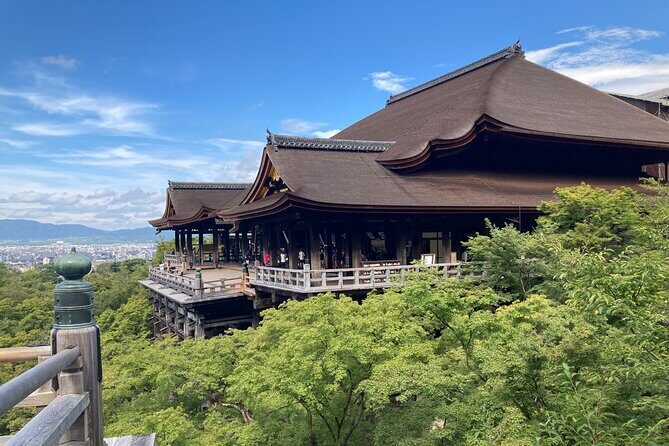
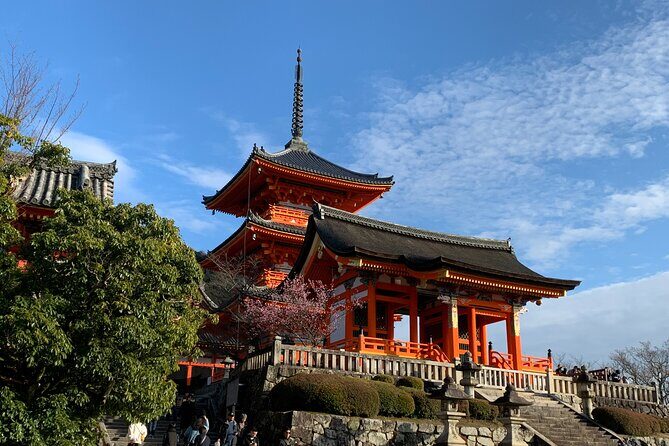
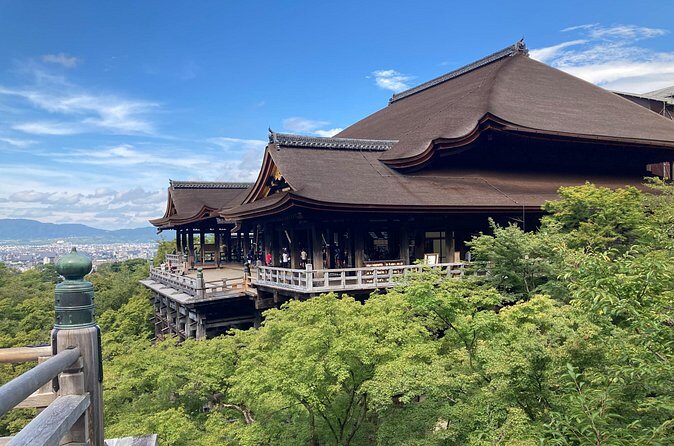
Kiyomizu-dera is a Buddhist temple tied to Kyoto’s deep timeline—it was founded in the late 8th century. The big reason it’s on every itinerary is its dramatic design, especially the famous wooden stage area where you can take in wide views over the surroundings. In seasonal moments, those views include cherry trees, which is exactly the kind of detail that turns a photo into a memory.
When you arrive with a guide, you don’t just see the temple—you learn what to focus on while you’re there. The stage area is the obvious draw, but the charm of Kiyomizu-dera is in the mix of wooden architecture, steep setting, and the way the approach funnels you toward the best viewpoints.
A potential drawback: Kiyomizu-dera is popular, so even with an early start, expect busy moments. If you’re someone who gets flustered in crowds, you’ll appreciate that the guide keeps the pacing steady and helps you time your photos instead of stopping randomly.
Sanjūsangendō: seeing 1,001 Thousand-Armed Kannon statues up close
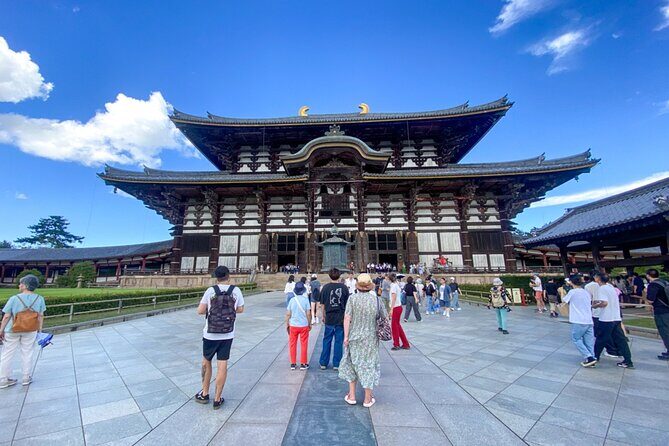
Sanjūsangendō (Sanjūsangendō Temple) is where the tour turns from “wow” to “how is that even possible?” This temple is known for its hall that houses 1,001 statues of the Thousand-Armed Kannon, the Goddess of Mercy. That number isn’t just trivia; it’s part of the emotional weight of the place once you’re inside.
The tour slot here is about 30 minutes, which sounds short until you realize how much is going on visually. You’ll want to slow down the moment you enter the hall. Even when you can’t fully take in every statue from one viewpoint, the repetition and scale create the feeling you’re supposed to get: devotion made visible.
What I like as a practical matter is the time design. You’re not asked to sprint. You get enough minutes to experience the main hall and also take a step back mentally. That balance is hard to recreate if you’re doing this solo, because it’s easy to spend too long in one place and rush the rest.
Shichijō Station transfer to Fushimi Inari: plan for the one extra cost
Between the temples, the tour uses a short train connection. The transfer includes a stop at Shichijō Station for the ride to Fushimi Inari-taisha. Here’s the one logistical detail you need to be ready for: the train fee is not included.
The tour data calls out a fare of ¥170 per person. So bring an IC card or coins so you’re not stuck at the machine or trying to get change mid-morning. It’s a small cost, but it’s also the easiest one to forget if you’re assuming everything is covered.
This transfer also keeps the route sensible. Without it, you’d be walking a longer distance between areas and losing time you could spend enjoying the temple interiors and the torii paths.
A few more Kyoto tours and experiences worth a look




Fushimi Inari-taisha: torii gates, photo timing, and quieter routes
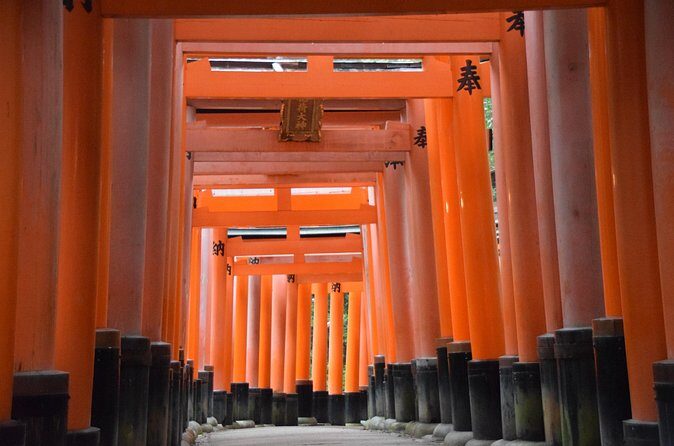
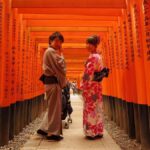
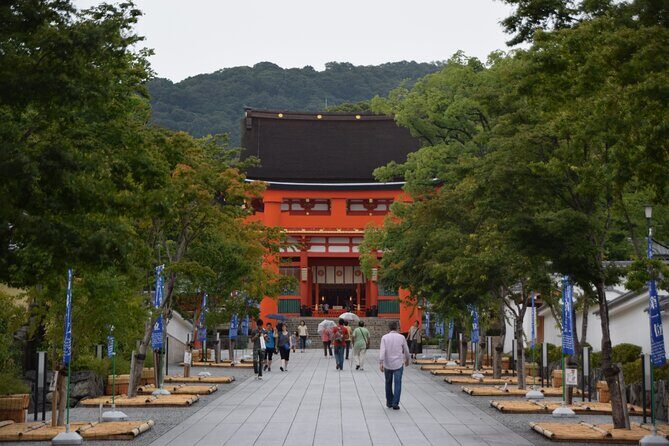
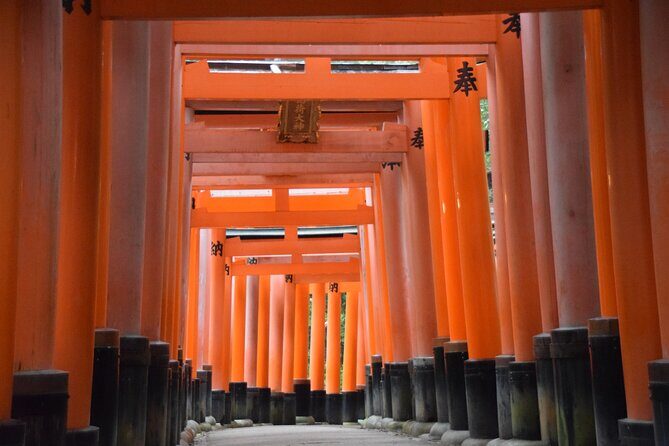
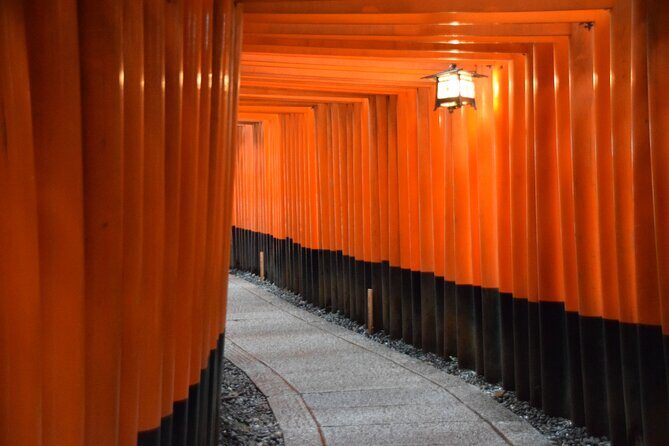
Fushimi Inari-taisha is dedicated to Inari, the Shinto god associated with rice, agriculture, and prosperity. It’s famous for thousands of vibrant red torii gates, and the scenery is why it’s so often used in films and travel photos.
This is a 45-minute stop, and that’s the right amount of time for most people. You can walk into the gate corridor, pause for photos, and still have enough time to enjoy the atmosphere instead of racing toward the next viewpoint. And because the tour ends at the sanctuary area in front of the Honden, you’ll finish where the pilgrimage energy feels most concentrated.
One of the best surprises from this style of guided visit is that you may not be limited to the single busiest path. The guide can steer you toward quieter lanes inside the larger Fushimi Inari complex, which makes a huge difference for photos and for the sense of calm. You still get the signature torii sequence, but you also get moments where it feels like you’re walking with the place rather than through a crowd.
If you’re traveling with a camera, plan for the color contrast. Red torii against bright sky or darker temple shadows creates dramatic images. The best shots usually come after you’ve walked a little deeper, not right at the first gate where everyone stops.
Pacing, shoes, and rain-or-shine reality in Kyoto
This tour is listed as moderate walking, and that matches how the day feels on the ground. You’ll move between stops and you’ll likely stand and walk through temple areas where paths aren’t flat like an airport terminal. Wear comfortable walking shoes. Your feet will thank you.
The schedule runs through the morning start time and lasts about 4 hours total. That’s long enough to feel like you did something meaningful, but short enough that you can still enjoy the rest of your Kyoto day afterward—shopping, a café break, or another temple you find on foot.
One practical note: the tour runs rain or shine. Kyoto weather can turn fast, and wet stone can make surfaces more slippery. If rain is possible, bring a compact umbrella or rain jacket, and keep your camera protected. The guide’s job is to keep you moving and safe, not to cancel at the first drizzle.
Price and value: what you’re really paying for at $78.18
At $78.18 per person, this tour sits in the mid-range for guided Kyoto experiences. The value comes from a few specific things you actually feel during the day:
- Admissions included for Kiyomizu-dera and Sanjūsangendō. That cuts down on fiddly decisions on the spot.
- A guide-led route that strings neighborhoods together without you needing to figure out timing between major sights.
- Time efficiency: three iconic stops in about half a day, not a full-day marathon.
The one extra cost you should expect is the train fare between the areas (around ¥170 per person). It’s not a dealbreaker, but it is a cost you should factor in when you compare to a tour that only includes walking.
I also think the small group size matters for the price. With a maximum of 8 people, you’re not just receiving facts at a distance. You can ask questions during the walking segments, and the guide can adjust pacing if someone needs a slower moment for photos or a break.
Who this tour is for (and who might want something different)
This tour is a strong fit if you want Kyoto highlights with structure. It works well for first-time visitors who want Kiyomizu-dera and Fushimi Inari but also want the extra layer of Sanjūsangendō. It’s also good if you like learning while you walk, because the guide’s explanations tie the sights together instead of treating them as isolated checkpoints.
It’s also a decent match for couples and small friend groups due to the 8-person cap. You’ll get the social comfort of a group, plus enough space to move at a human pace.
If you prefer totally self-guided wandering with no schedule, this might feel a bit structured. You’ll still have time for photos and pauses, but it’s not designed for you to linger for hours at one place.
Should you book? My practical take
Yes, I’d book this tour if you want the classic Kyoto hits—Kiyomizu-dera and Fushimi Inari torii gates—and you also care about seeing Sanjūsangendō without trying to piece it all together yourself. The early start, included temple tickets, and small-group size make it a solid way to spend a half-day.
I’d skip it only if you’re strongly against any train transfer and you’d rather pay for things yourself and build your own route. Otherwise, this is a well-paced route that gives you memorable stops without turning Kyoto into a full-day logistics project.
FAQ
How long is the Kyoto Guided Walking Tour?
The tour lasts about 4 hours.
What are the main stops on the tour?
You’ll visit Kiyomizu-dera, Sanjūsangendō, and then Fushimi Inari-taisha, with a train transfer via Shichijō Station between areas.
Is admission included?
Admission tickets are included for Kiyomizu-dera and Sanjūsangendō. Fushimi Inari-taisha entry is free. The train fee is not included.
What is the start time and meeting point?
It starts at 8:30 am at Kyoto Ceramic Center in Higashiyama.
Where does the tour end?
It ends at Fushimi Inari-taisha Honden, in front of the sanctuary area.
Is the tour operated rain or shine?
Yes, the tour runs rain or shine.
How many people are in the group?
The tour has a maximum group size of 8 travelers.
Do I need an IC card for the train?
Yes. The train fare is about ¥170 per person, and the tour suggests bringing an IC card or coins.