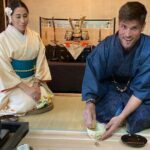
Paper knots calm the mind fast.
This hands-on Kyoto workshop teaches mizuhiki, the Japanese craft of twisting paper into a string and tying it into meaningful knots. You’ll start with colored paper, pick a design from the sample table, and leave with a small accessory you can actually use. I like that it’s not all theory, and you’ll get that satisfying rhythm that makes time feel shorter.
Two things I especially like are the step-by-step knot practice and the friendly, patient teaching tone (one instructor named Akemi is highlighted as especially gentle). The main catch is the class is only about 1 hour, so you’ll likely focus on one project, and if you want to keep crafting at home you may need to source things not included like certain mizuhiki types and metal fittings.
In This Review
- Key Points Worth Knowing
- Kyoto’s Mizuhiki Craft Class: Small Knots With Big Japanese Meaning
- What You’ll Make: Pochi Bag Mini Bags and the Abalone Knot
- Step-by-Step Workshop Flow at RakueJapan (Rakue)
- Choose paper and build your Pochi bag base
- Learn the Abalone knot, then practice it with string
- Pick your accessory from the sample options
- Create your mizuhiki accessory and ornaments
- Take a break with matcha and sweets
- The Guide Factor: Patient Tutoring That Keeps Beginners Moving
- Matcha and Sweets at the End: More Than a Treat
- Price and Value: $19.60 for Materials and Real Craft Time
- Where You’ll Meet in Kyoto (and What That Means for Your Day)
- Practical Notes Before You Go
- Who This Kyoto Mizuhiki Workshop Suits Best
- Should You Book? My Decision Checklist
- FAQ
- How long is the mizuhiki workshop in Kyoto?
- Is this a private class?
- What is included in the price?
- What should I know about mizuhiki or supplies for making items at home?
- Where do I meet the instructor?
- Is there a mobile ticket?
- Is it near public transportation?
- Can I cancel for a full refund?
Key Points Worth Knowing
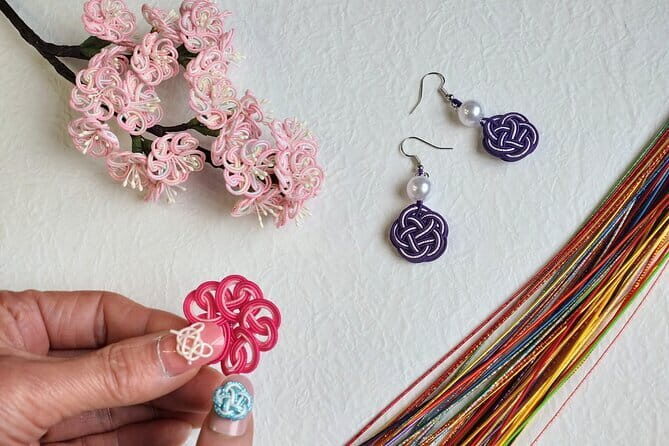
- You’re learning real mizuhiki knots, including the basic Abalone knot, then building toward an accessory design.
- Your project starts with a Pochi bag mini bag, using colored papers before you tie the knot.
- Guided practice happens early, so even if you’re new to knots, you get a low-pressure way to learn the motions.
- Design choice is part of the fun, with options like earrings, hair ornaments, mini baskets, and cute accessory ideas shown in samples.
- You finish by relaxing, with matcha and sweets right after the crafting work.
- It’s a private experience for your group, and it runs near public transportation at RakueJapan.
Kyoto’s Mizuhiki Craft Class: Small Knots With Big Japanese Meaning
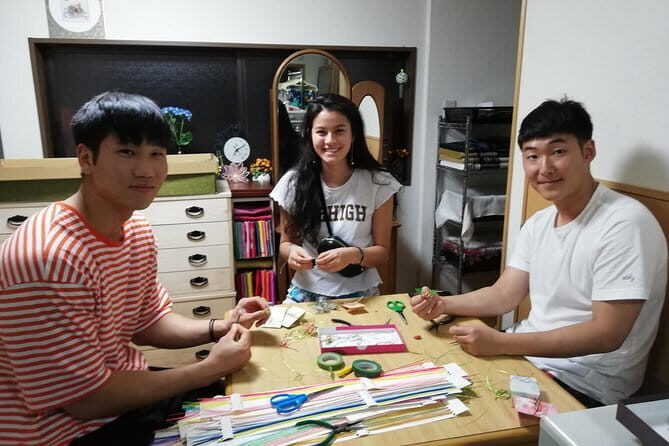
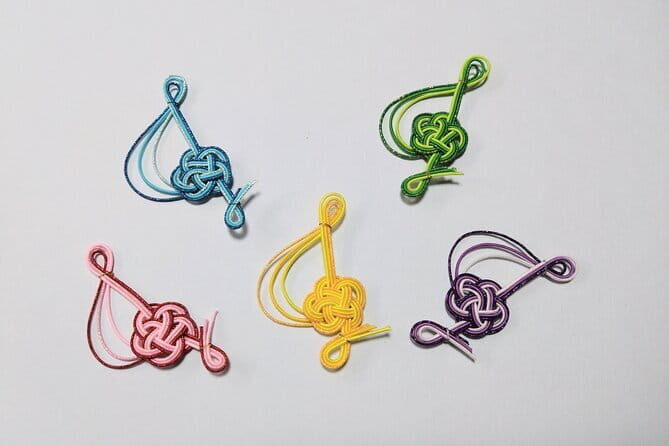
If you’ve ever bought Kyoto accessories that look oddly perfect and ask yourself how anyone could make that at a tiny table, this class answers that itch. Mizuhiki is a paper-cord craft made by winding thin twisted paper with thread, then tying it into knots that look decorative and feel intentional.
What makes this workshop more interesting than a typical souvenir stop is the cultural layer. Mizuhiki was used for sacred things in rituals, and even now you’ll see it tied around envelopes for money gifts on special occasions. The class doesn’t quiz you on etiquette. Instead, you learn the craft basics so the look makes sense when you see mizuhiki in the wild around Kyoto.
If you're still narrowing it down, here are other tours in Kyoto we've reviewed.



What You’ll Make: Pochi Bag Mini Bags and the Abalone Knot
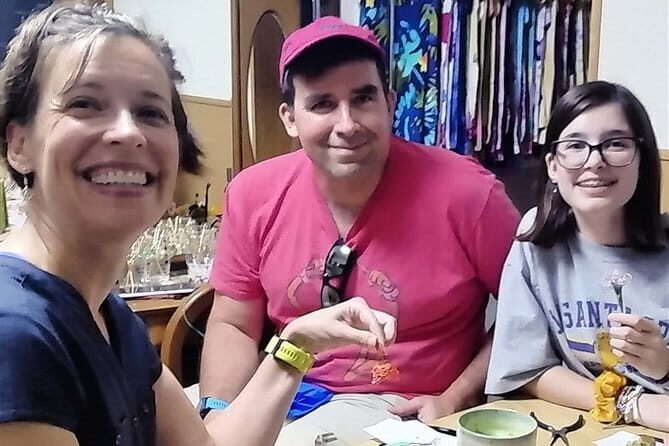
Your finished item usually comes from a combo of two elements: paper and knotwork.
First, you’ll choose colored papers to make a Pochi bag, a mini bag style you can use as a charm, small gift detail, or accessory component. Then you’ll tie in the Abalone knot, one of the basic knot patterns used as a foundation for many designs.
The workshop style here is smart: you don’t jump straight into a complex “final form.” You practice the knot structure with just a string first, then you apply it to the bag and accessory pieces. That means you learn the movements that matter, not just how to copy one finished example.
Depending on what you pick from the sample set, you might end up making items like:
- straps of strawberry-themed pieces
- floral hair ornaments
- cute earrings
- mini baskets
- or a keychain-style accessory (some projects are finished as practical little keepsakes)
The designs can look detailed, but the class structure is meant to keep you moving forward.
Step-by-Step Workshop Flow at RakueJapan (Rakue)
This experience is centered in one place, and the timeline stays focused. It runs about 1 hour and ends back at the meeting point at RakueJapan, so you’re not burning energy on transfers or wandering between stops.
Here’s how the session typically unfolds:
Choose paper and build your Pochi bag base
You start by selecting colored paper for your mini bag. This part matters because it sets the vibe. Mizuhiki is visual by nature, and the color choices can make the final accessory feel playful, seasonal, or gift-like. It’s also a simple warm-up before you get into knot precision.
Learn the Abalone knot, then practice it with string
Next comes the core lesson: the basic Abalone knot. You’ll first see the pattern demonstrated, then you’ll practice using just string before transferring the knot to your project. This is the part where many people relax, because once your hands understand the motion, the rest feels easier.



Pick your accessory from the sample options
After the basics, you choose what you want to make. There’s a sample set to guide you, and you can select the accessory that matches what you want to bring home from Kyoto. The benefit of picking from samples is that you can see the end result clearly while you work, instead of guessing where you’re going.
Create your mizuhiki accessory and ornaments
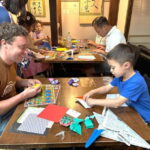
Then it’s hands-on time. You’ll select some mizuhiki materials and start tying and arranging until your accessory feels complete. The craft naturally demands attention, and that concentration is part of why it feels relaxing at the end. It’s busy work in the best way.
Take a break with matcha and sweets
Finally, you stop tying, sip matcha, and enjoy sweets. The timing is practical. You’re done with the tricky part, and your brain has shifted from fine-motor focus to simple enjoyment.
If you’re the kind of traveler who wants an activity that feels like a real break (not another bus ride), this format does a good job.
The Guide Factor: Patient Tutoring That Keeps Beginners Moving
Mizuhiki looks fussy until someone slows it down for you. What stands out in the class experience is the teaching style: welcoming, encouraging, and careful with your pace.
People consistently describe the instructor as:
- friendly and patient
- good at explaining what to do next
- willing to step in when your knotwork isn’t landing the way you expect
One review specifically names Akemi and praises her patience and kind approach. Another mentions how the instructor guided even a beginner smoothly through building a set of earrings. That matters because the craft relies on small movements; if you’re left on your own, it turns stressful fast. Here, you get the kind of help that makes a beginner feel capable.
Because it’s a private experience for your group, you’re not competing for attention or rushing to keep up with a larger class.
Matcha and Sweets at the End: More Than a Treat
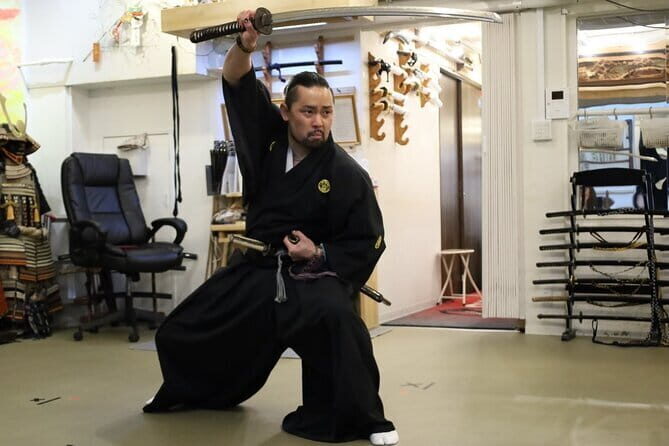
This isn’t just a dessert add-on. The matcha and sweets serve the flow of the session.
You spend most of the hour doing careful, repetitive knot tying. By the time you finish your accessory, you’re mentally tired in a focused way. The break gives your hands time to settle and lets you enjoy the result without rushing out.
It also creates a nice moment to look at your finished work with fresh eyes. In a workshop like this, that’s when you really notice the details: the knot symmetry, the way color combinations work, and how the final piece feels balanced.
Price and Value: $19.60 for Materials and Real Craft Time
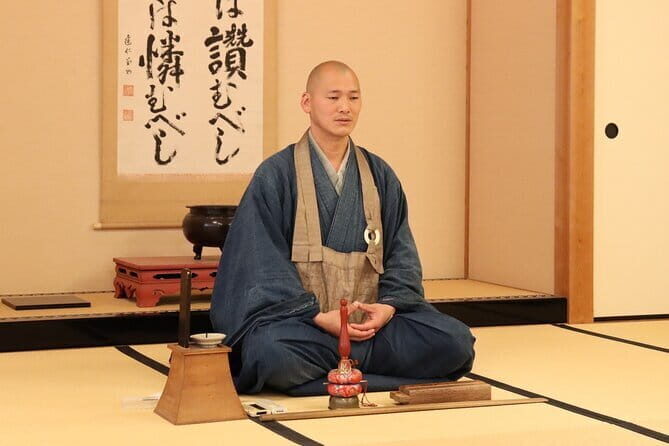
At $19.60 per person, this class is priced for accessibility, not for exclusivity. What you get for that price is important: materials are included, and you also get matcha and sweets.
That combination tends to be the difference between “I watched a craft demo” and “I made something I’ll actually use.” You’re paying for:
- hands-on tuition
- the basic knot practice
- the materials needed to build your selected accessory
- and a finish that feels like a Kyoto moment, not a snack between train rides
It’s also short. An hour can be a good value if you want a meaningful activity without committing half a day. The only real value tradeoff is that you may not make multiple, large projects. You’ll focus on one accessory and do it well.
Where You’ll Meet in Kyoto (and What That Means for Your Day)
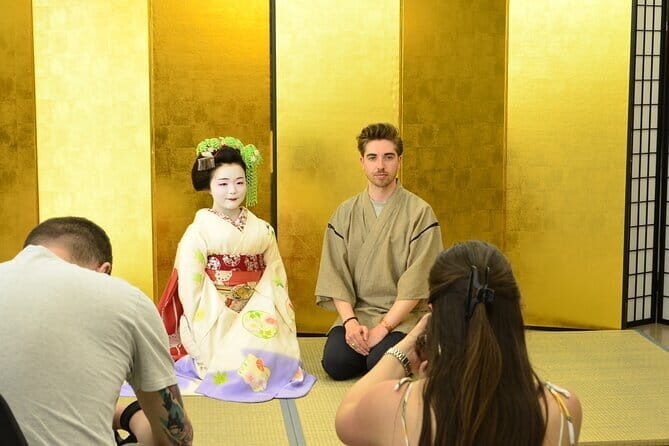
You meet at RakueJapan at 600-8481 Kyoto, Shimogyo Ward, Shijōhorikawachō, 255 野村ビル 2階. The location is near public transportation, which helps if you’re combining this with other Kyoto plans.
Because it’s also described as private and ends back at the meeting point, you can treat it like a contained block in your itinerary. No long walk back and forth. No guessing where you’re supposed to go next.
If you like to plan by landmarks, consider checking the general area around Shijōhorikawachō before you go, so you can arrive calm and avoid sprinting in the last ten minutes.
Practical Notes Before You Go
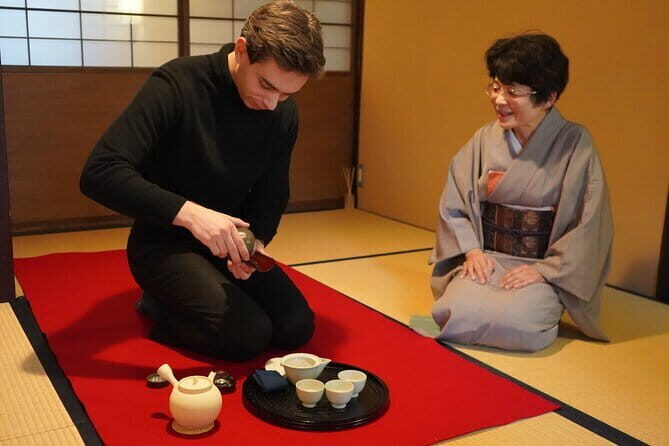
A few grounded points based on the info provided:
- Duration: about 1 hour.
- Mobile ticket: yes.
- Most travelers can participate: the workshop is described as open to most people.
- Included: materials plus matcha and sweets.
- Not included for home crafting: mizuhiki for non-gift items and metal fittings for making items at home.
That last line is worth a glance. If you imagine turning your class skill into a long-term hobby, plan for a little extra sourcing later. But if you want a Kyoto craft moment that leaves you with a usable souvenir, you’re set.
Also, if you want a specific time slot, the experience is popular and the booking window tends to be fairly early. If your schedule is tight, check availability sooner rather than later.
For inspiration, the workshop’s work is published on Instagram under rakue9.
Who This Kyoto Mizuhiki Workshop Suits Best
This class fits especially well if you:
- want a Kyoto souvenir that’s handmade and tied to a real Japanese tradition
- like calm, hands-on activities where you can focus and learn a technique
- enjoy making small items you can wear or carry, like earrings, hair ornaments, or a mini charm
- want something beginner-friendly that still feels satisfying
It may feel less ideal if you:
- only want a fast photo stop with no time spent tying knots
- expect a long session with multiple different finished pieces
- need a kit-style takeaway for home making right away (metal fittings and certain mizuhiki types are not included)
Should You Book? My Decision Checklist
Book this workshop if you want a real craft skill (not just a one-off demo) in a short, friendly session. The included materials and the matcha-and-sweets finish make the price feel grounded, and the private format helps beginners learn without pressure.
Skip it if you’re looking for a big, full-day art experience or if you need a take-home package that covers metal fittings and everything for ongoing home projects. In that case, you might be happier with a larger hobby kit elsewhere.
Overall, this is the kind of Kyoto activity you can slot in for an hour and leave with something meaningful, colorful, and personal.
FAQ
How long is the mizuhiki workshop in Kyoto?
The class runs for about 1 hour (approx.) and ends back at the meeting point.
Is this a private class?
Yes. It’s listed as a private tour/activity, so only your group participates.
What is included in the price?
Materials are included, plus matcha and sweets.
What should I know about mizuhiki or supplies for making items at home?
The information says mizuhiki for non-gift items and metal fittings for making them at home are not included.
Where do I meet the instructor?
You meet at RakueJapan, 600-8481 Kyoto, Shimogyo Ward, Shijōhorikawachō, 255 野村ビル 2階.
Is there a mobile ticket?
Yes, the tour lists a mobile ticket.
Is it near public transportation?
Yes, the meeting point is near public transportation.
Can I cancel for a full refund?
Free cancellation is offered. You can cancel up to 24 hours in advance for a full refund; within 24 hours, there is no refund.