One sip can teach you a lot. This newly opened Kyoto stop turns sake tasting into a guided lesson, with a certified instructor greeting you in a traditional kimono. I love how the tasting is organized around 7 sake-and-snack pairings instead of random pours, and I also like that you get practical instruction on reading labels and tasting like a pro. One thing to keep in mind: it’s a shared group session, so the vibe may feel slightly less private than a one-on-one experience.
The best part for me is the “why” behind what you taste. Sake changes with brewing style, and even the cup matters, which makes this feel like more than a quick drink-and-go. You’re also close to subway Karasuma Oike, so it fits easily into a day of temple lanes and backstreet shopping.
If you’re not a sake person yet, good news: this is beginner-friendly, in English, and designed to help you find what you actually like. It does require participants to be 20 years or older, and if you plan to drive or bike, alcohol is strictly prohibited for you.
In This Review
- Key reasons Sanjo Chasuian is worth your time
- Finding Sanjo Chasuian: easy Kyoto access near Karasuma Oike
- Meeting your instructor in kimono and getting started in clear English
- The 80-minute flow: 7 pairings that teach you how to taste
- Varied sake vessels: why your cup affects what you taste
- Snack pairings that act like a shortcut to better ordering
- Price and value: is $50 fair for Kyoto’s sake lesson?
- Who this Kyoto sake tasting is best for
- A few practical tips to enjoy the session more
- Should you book Sanjo Chasuian?
- FAQ
- How long is the Kyoto sake tasting at Sanjo Chasuian?
- What is included in the price?
- How many people are in the group?
- Is the experience offered in English?
- What age do you need to participate?
- Can the venue accommodate dietary restrictions?
- Is alcohol available for everyone?
- Can I buy sake or the vessels after the tasting?
Key reasons Sanjo Chasuian is worth your time
- Kimono greeting + certified sake instructor to make the learning feel real, not scripted
- 7 types of Japanese sake paired with snacks so you taste with context
- Varied sake vessels, because aroma and flavor can shift with the cup
- Label-reading and tasting tips in English, helpful for ordering later in Kyoto
- Small group limit of 6, so it stays interactive even though it’s shared
Finding Sanjo Chasuian: easy Kyoto access near Karasuma Oike
Sanjo Chasuian is set up for travelers who want something cultural without adding a travel headache. It’s about a 5-minute walk from subway Karasuma Oike, which matters in Kyoto, where you can burn time fast just getting between neighborhoods.
You’ll enter the facility using the address you’re given, and there’s a large logo plate with the name Sanjo Chasuian near the door. When you walk in, the staff are waiting to welcome you, so you’re not wandering around trying to guess where the experience starts.
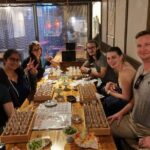
The room itself can be table seating or a Japanese-style space, depending on how they set things up that day. Either way, you’re there for one focused purpose: tasting, learning, and comparing.
A quick note for your schedule: the whole experience runs 80 minutes. That’s long enough to build confidence, but short enough that you won’t feel stuck all evening.
Other sake brewery and tasting tours in Kyoto


Meeting your instructor in kimono and getting started in clear English
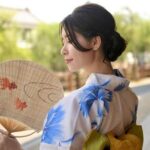
From the moment you arrive, this experience signals that it’s about Japanese sake culture, not just tasting alcohol. Your instructor is a female certified instructor with the International Sommelier of Sake certification, and she welcomes you in a traditional kimono.
One of the best review takeaways here is that the guidance sticks. Names like Yuko come up in feedback, and that’s consistent with the style you want in a tasting: clear explanations plus a friendly, calm pace. If you’re worried about being out of your depth, don’t. The lesson is built for international visitors, and explanations are offered in English.
During the early part of the session, you’ll learn the basics of sake history and brewing methods, plus how to understand the types of sake and how to read labels. That might sound like homework, but it’s actually useful because sake menus in Japan can be confusing if you don’t know what you’re looking at.
You’re also guided on how to taste. That’s key. Many people drink sake and think, I like it or I don’t. A tasting you can repeat is different. You start noticing aroma, texture, and how it changes with food.
The 80-minute flow: 7 pairings that teach you how to taste
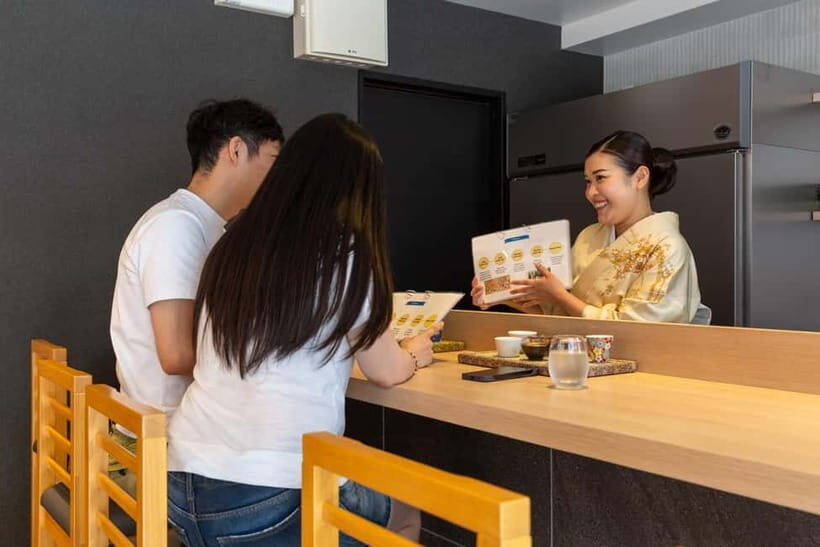
This is not a sit-there-and-wait type of activity. It’s structured around 7 types of Japanese sake with snack pairings, and the package includes a welcome drink plus a total of 8 sakes.
Here’s the practical way to think about the flow:
- You start with a welcome drink, then move into the main sequence of tastings.
- For each sake, you’re given a snack pairing that’s meant to work with that particular style.
- Between tastings, you’re taught how to notice differences and how those differences connect to brewing and labeling.
The pairing concept matters more than you might expect. The snacks aren’t there just to keep your stomach comfortable. They’re part of the lesson, so you learn what pairing does to aroma and taste.
A good example of what this helps you do is pick better bottles later. Once you understand why a certain style works with a certain flavor profile, ordering becomes less guesswork. In Kyoto, that kind of confidence is gold, because you can spend less time translating a label and more time enjoying the drink.
Because the group is limited to 6 participants, you’re not just watching. You can ask questions, and the instructor can adjust explanations if you’re confused about terms. It’s shared, not private, but it still feels interactive.
Varied sake vessels: why your cup affects what you taste
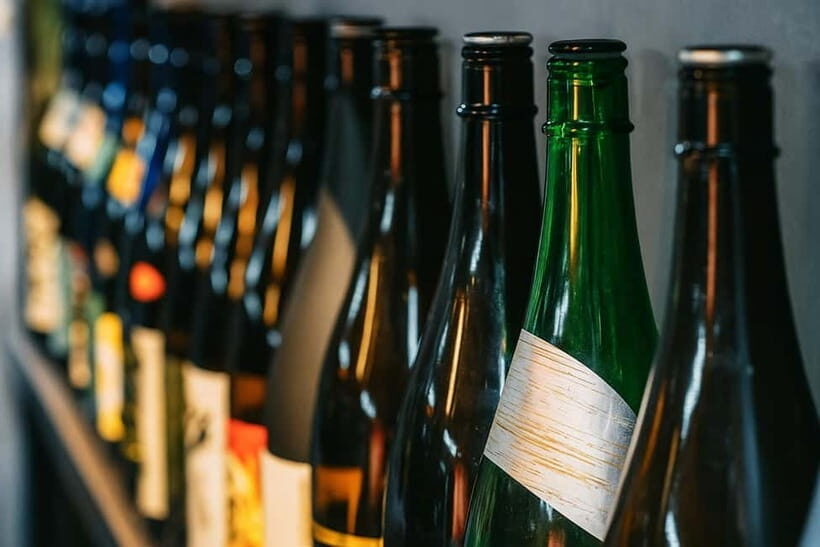
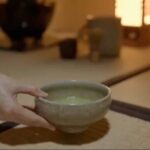
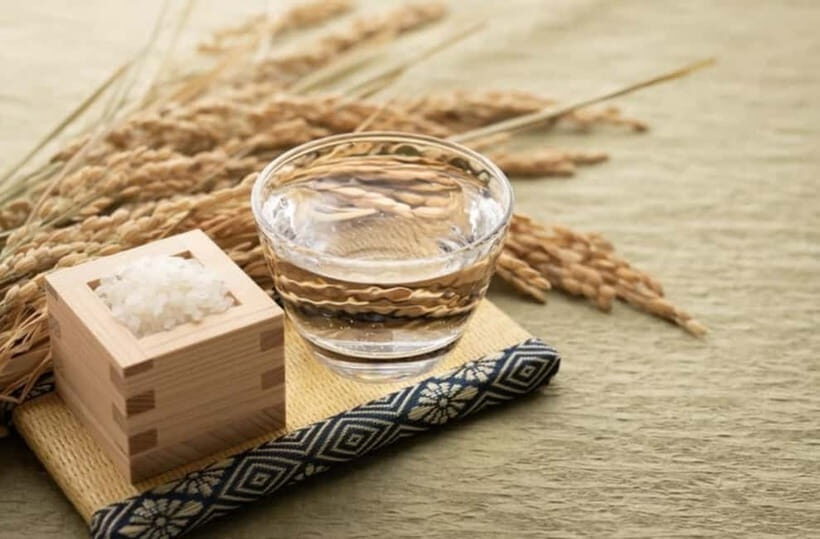
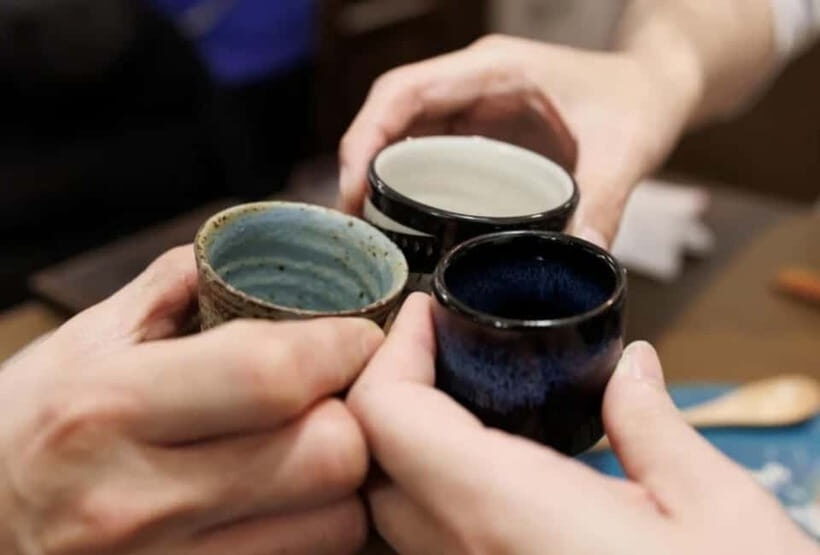
One of the most interesting parts is the focus on sake vessels. You taste sake in different cups, and you learn that flavor and aroma can change depending on the vessel.
This sounds like a small detail until you experience it. Aroma is half the game in sake. A vessel can change how the liquid hits your nose, and it can subtly shift how the drink feels on the palate. That means your favorite sake might taste different depending on how it’s served, and now you’ll know to pay attention.
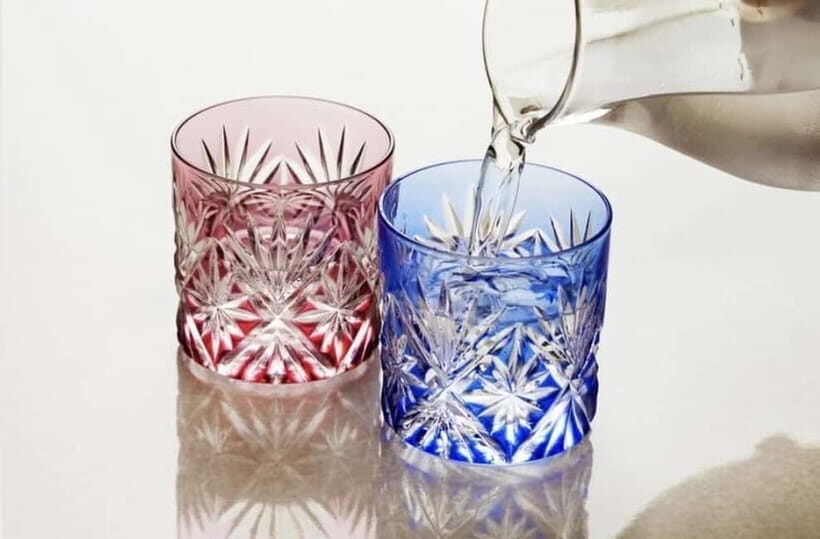
You also get the visual side of Japanese drinkware, which matters if you like seeing craftsmanship. The cups are part of the experience, not an afterthought.
And yes, there’s a practical payoff: your favorite sake and sake vessels are available for purchase at the shop. That’s handy if you’re trying to recreate the tasting at home or you want a souvenir that’s actually tied to what you learned.
Snack pairings that act like a shortcut to better ordering
The pairing approach is one of the most praised aspects of this experience. The snacks are carefully matched to the sake, and the idea is that both the sake and the snack play starring roles.
Here’s why that’s valuable for you:
- You learn pairing logic, not just pairing results.
- You start noticing how food can make a sake feel drier, softer, brighter, or more structured.
- You build a short list of what you personally like, instead of chasing what sounds fancy.
The instruction also covers useful pairing tips for different dish styles. Even if you never become a sake nerd, those practical rules help you choose with confidence at restaurants.
And because you taste multiple sake types, you get a better sense of your taste direction. You’re not forced to like everything. The goal is to discover your favorites and understand why.
If you have dietary restrictions, you should email or message by WhatsApp in advance. They’ll do their best to accommodate your request, but the exact details of substitutions aren’t guaranteed in the info provided, so it’s smart to communicate clearly ahead of time.






Price and value: is $50 fair for Kyoto’s sake lesson?
Let’s talk money like adults. At $50 per person for an 80-minute session, you’re paying for:
- A certified sake instructor
- English explanations
- 7 sake types plus a welcome drink (listed as 8 sakes total)
- Snack pairings
- A vessel-focused tasting experience
- A small group setting capped at 6 people
This is where value shows up. You’re not paying for a vague tasting flight. You’re paying for structure: guided tasting, label and pairing knowledge, and a comparison experience across multiple sake styles and cups.
If you’ve ever sat through a tasting where you barely get explanation, this is the opposite. You’ll leave with vocabulary you can use and pairing instincts you can apply.
Also, it’s newly opened and has a grand opening discount until September 15. If your dates line up, that discount can make the value feel even easier to justify.
Who this Kyoto sake tasting is best for
You’ll probably love this if you want a culturally grounded activity that doesn’t require prior knowledge. It’s designed to be beginner-friendly, and the English instruction helps you stay engaged instead of translating in your head.
This is also a great fit if you’re traveling with people who like food and drink, but you want the experience to have a lesson component. The snack pairing angle makes it feel like a tasting menu moment, not just a drinking session.
You might want to skip or reconsider if:
- You’re under 20, since participation requires 20+
- You need a fully private experience, since it’s shared with other guests
- You plan to drive or bike, because alcohol is strictly prohibited for those riders
A few practical tips to enjoy the session more
These are small habits that make tastings go better:
- Pace yourself. 8 sakes in 80 minutes is not a beer marathon, but it still adds up.
- Pay attention to aroma before you drink. The vessel part will make more sense once you focus on smell first.
- Tell the instructor what you tend to like. If you already know you prefer dry styles or softer flavors, say so early.
- Don’t ignore the label-reading tips. Even one or two concepts can help you order more confidently later.
Should you book Sanjo Chasuian?
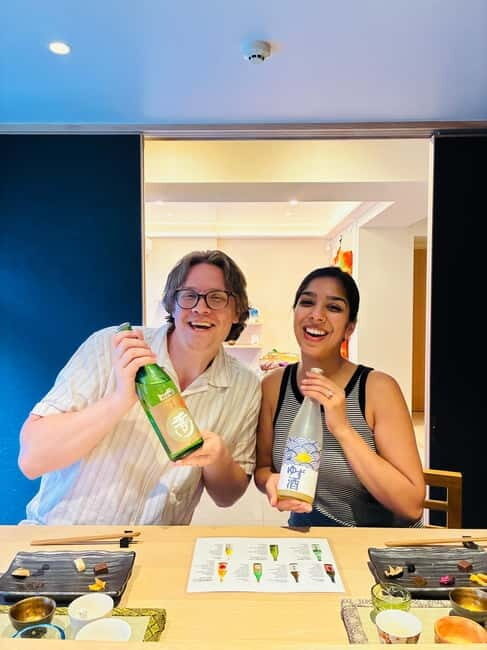
If you want an authentic Kyoto sake experience that teaches you something useful, I’d say book it. The combination of a certified instructor, English guidance, structured tastings, and the vessel-focused element makes this more meaningful than a quick tasting flight.
I’d only hesitate if you’re looking for complete privacy, or if your schedule is tight enough that 80 minutes is a big chunk. Otherwise, this is a strong value way to understand sake culture and walk away with both favorites and practical instincts for ordering in Japan.
FAQ
How long is the Kyoto sake tasting at Sanjo Chasuian?
The experience lasts about 80 minutes.
What is included in the price?
You get a welcome drink and 7 types of sake (8 sakes in total), plus snack pairings.
How many people are in the group?
It’s a small group limited to 6 participants. It is also a shared plan, meaning you may be grouped with other guests.
Is the experience offered in English?
Yes. Guidance and explanations are offered in English, and the instructor is English-speaking.
What age do you need to participate?
Participants must be 20 years of age or older.
Can the venue accommodate dietary restrictions?
You should inform them of any dietary restrictions by email or WhatsApp in advance. They will do their best to accommodate your request.
Is alcohol available for everyone?
Alcohol is strictly prohibited for participants who are driving cars or bicycles.
Can I buy sake or the vessels after the tasting?
Yes. Your favorite sake and sake vessels are available for purchase at the shop.