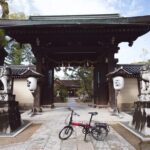
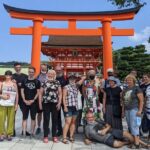
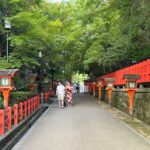
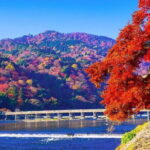
Kyoto rewards the people who slow down. This private, 7-hour walking tour is built for that. You tell your interests in a short questionnaire, then City Unscripted pairs you with a like-minded local host who shapes the day around you. I love the flexibility to adjust as you walk, and I love that you get both major landmarks and calmer, off-to-the-side streets instead of a rigid checklist.
The main thing to consider is simple: this is mostly on foot. You’ll start at Starbucks near Sanjo-Ohashi Bridge, and you may use public transport or a taxi only to hop between areas. If you’re hoping for a driver and air-conditioned comfort the whole time, this isn’t that type of tour.
In This Review
- Key takeaways before you book
- Why this Kyoto day feels personal
- Meeting at Starbucks near Sanjo-Ohashi Bridge
- Kamo River crossing: the east-side doorway
- Machiya streets, stone alleys, and teahouse culture
- Shinto shrine time: lanterns, rituals, and peaceful side areas
- A local public garden break that isn’t just sightseeing
- A quiet cobblestone alley with ryokan frontage
- The real value: flexibility and a host who reads your pace
- Price and what $251.52 really buys you
- How the 7-hour walking format works in real life
- Hotel pickup and getting there without headaches
- Who this tour is best for
- Should you book this Kyoto private 7-hour tour?
- FAQ
- What does the tour include?
- How long is the Kyoto tour?
- Is food or attraction entry included?
- How do you get between stops?
- Where does the tour start and end?
- Can hotel pickup be arranged?
- What is the cancellation policy?
- Is this tour only for my group?
Key takeaways before you book
- Fully customized route based on your interests and personality, not a one-size plan
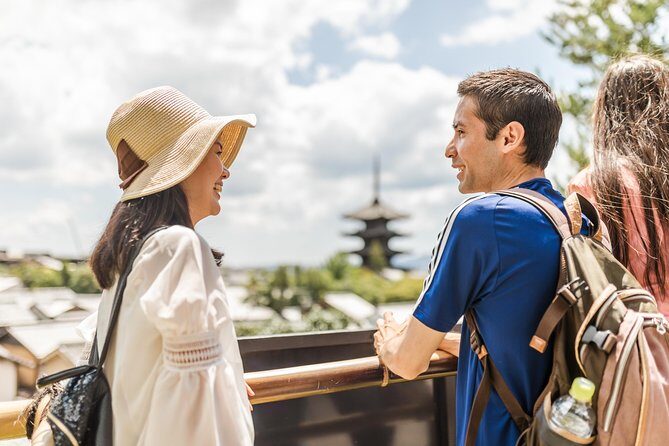
- Private walking experience with your group only, so you can ask questions all day
- Stop mix that works: Kamo River gateway area, atmospheric machiya lanes, a Shinto shrine, a local public garden, and a quiet cobblestone alley
- A host who adjusts on the move when the day, your pace, or your curiosity changes
- Hotel pickup is possible from centrally located hotels, so you don’t need to figure everything out solo
- Fluent, detail-focused guiding is a highlight, with Masaya praised for excellent English and smart tailoring
Why this Kyoto day feels personal
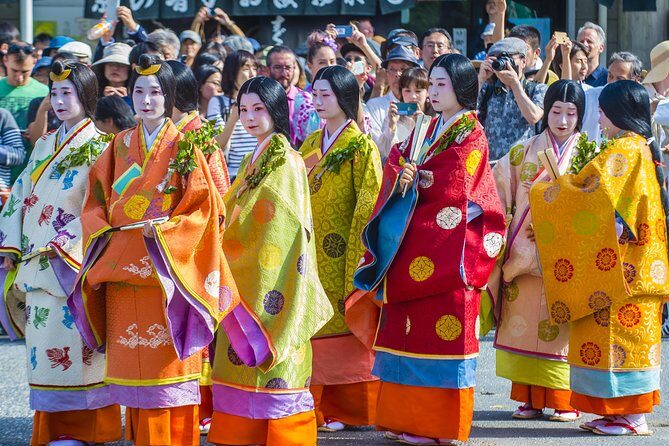
Kyoto is huge, and the difference between a good day and a great day is often who’s holding the map. This tour leans on a local host who uses your preferences to build the flow, so you’re not marching through scenes you didn’t ask for.
You’ll do a walking route that still includes Kyoto classics. The trick is that the classic moments are paired with quieter context—what a place means, what locals notice, and where you can pause without feeling stuck in a crowd line.
Also, the guiding style matters. One guide named Masaya stood out for fluent English and the way he tuned the day to his guests, which is exactly what you want in a private tour. When communication is that smooth, questions stop being awkward and start being useful.
Other private tours in Kyoto


Meeting at Starbucks near Sanjo-Ohashi Bridge
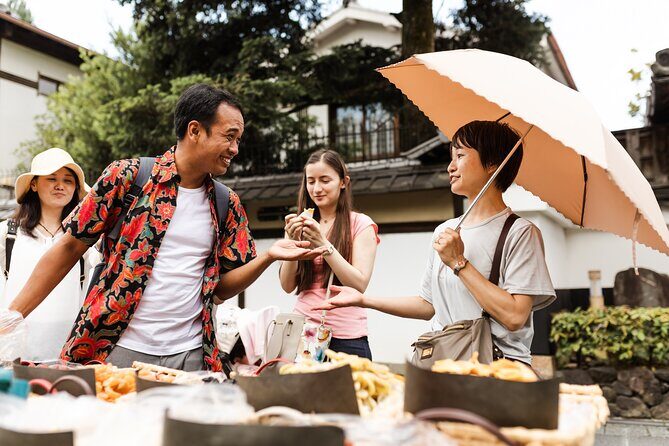
Your day starts at Starbucks Coffee in Kyoto near Sanjo-ohashi Bridge. That’s a practical choice: it’s a clear landmark, and you’re positioned close to an important east-side entry area.
From there, the host leads you through a route shaped around your interests. You can also choose your start time, which matters in Kyoto when foot traffic and lighting change fast during the day.
One more practical point: the tour ends back at the meeting point. That’s helpful if you want your day to feel closed-loop, especially when you’re planning dinner later.
Kamo River crossing: the east-side doorway
A typical first stop is a historic crossing over the Kamo River, plus a symbolic entryway into Kyoto’s cultural east side. Your host may connect it to the Edo-period role of travel routes, including ties to the old Tokaido Road.
This is a good way to begin because it gives you bearings fast. Instead of rushing straight into temples, you start with a sense of how people historically moved through Kyoto and why certain areas became important.
One potential drawback: if you’re the type who prefers instant sights, you might find this opening a little “context heavy.” But for most people, it pays off later, because the rest of the day makes more sense when you know what you’re looking at.
Machiya streets, stone alleys, and teahouse culture
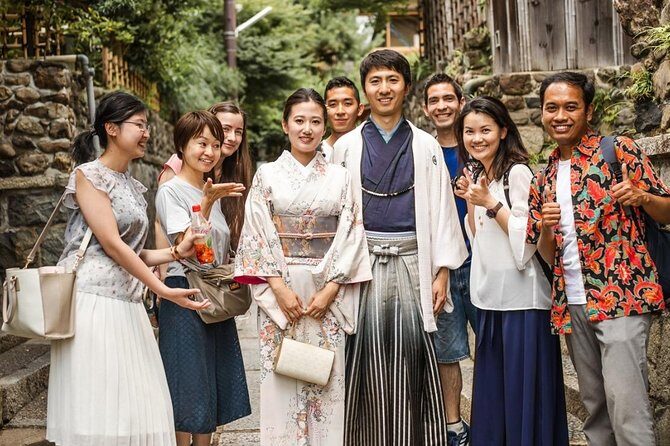
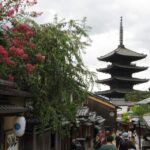
Next, the route often moves into a neighborhood known for machiya wooden townhouses, quiet stone alleys, and traditional teahouses. This is the Kyoto most people picture, but it’s also the Kyoto that can feel confusing if you’re not sure what to look for.
Your host can explain geiko traditions and guide you along lesser-known paths. Even without naming every street, you’ll likely come away with an understanding of how these lanes work, why they’re arranged the way they are, and where the “quiet views” tend to be.
Two small travel realities apply here. First, the best walking lanes can be narrow, so you’ll want decent shoes. Second, you’ll be walking through places that still function as neighborhoods and cultural spaces, so your host’s guidance on where to stand and how to move matters.
Shinto shrine time: lanterns, rituals, and peaceful side areas
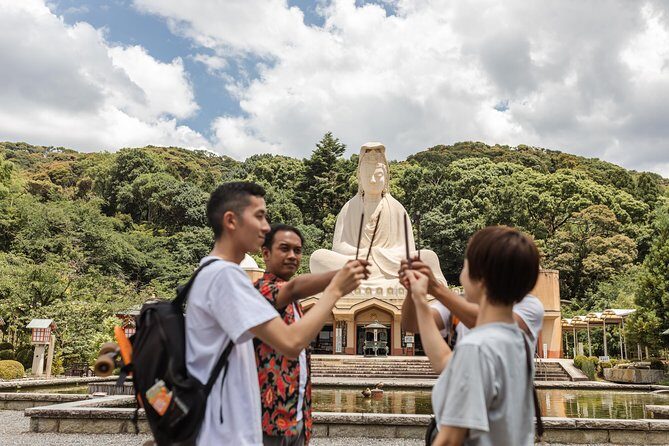
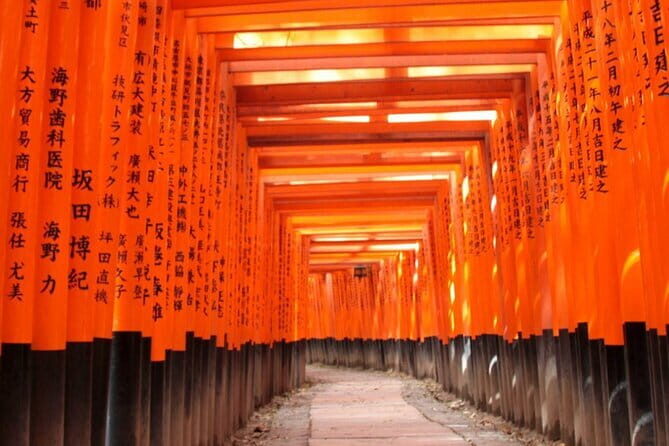
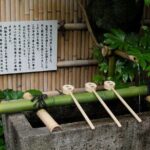
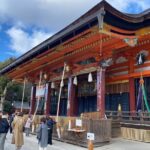
A major stop in the day is a Shinto shrine known for its bright lanterns, seasonal festivals, and welcoming energy. Your host may demonstrate purification rituals, and you might also visit tranquil sub-shrines with calmer corners.
This part of the tour is a strong value add because it’s not just photo time. Purification rituals and shrine etiquette are easy to miss on your own, especially if you don’t know what you’re looking at or when it’s appropriate to participate.
The possible consideration here is timing and atmosphere. Shrines can be busier around festival periods, and ceremonies can shift depending on the day. A host who can read the situation helps you keep the experience respectful and comfortable without turning it into a rigid script.






A local public garden break that isn’t just sightseeing
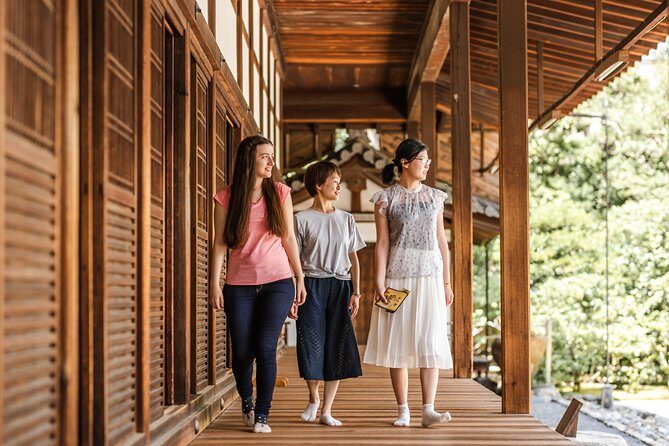
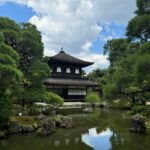
After the shrine, the route often includes a spacious public garden beloved by locals, especially during cherry blossom season. You’ll see tree-lined walkways, reflective ponds, and shaded benches—exactly the kind of pause that turns a long walking day into something you actually enjoy.
This is a smart pacing move. Kyoto can feel like nonstop looking, and gardens give your brain a reset without requiring a “museum level” time commitment. It also helps you take photos with less stress, since gardens naturally create space for people to spread out.
Food and drinks aren’t included, so this can be a good spot for a snack you bring or buy on your own. If you do want a break with minimal searching, plan to carry a small water bottle and something light, because the day is built around walking time.
A quiet cobblestone alley with ryokan frontage
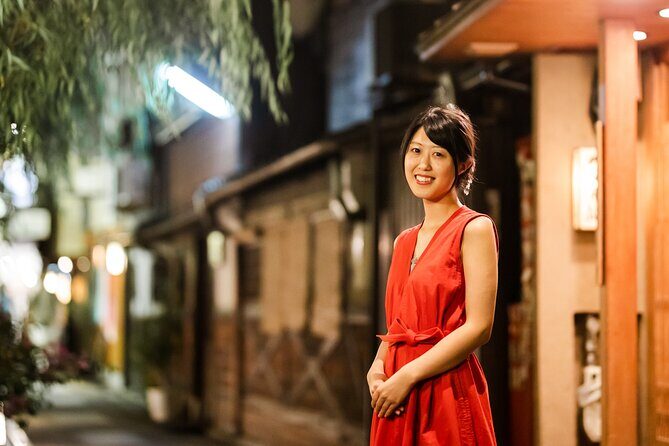
The last “style” stop in the sample route is a beautifully preserved cobblestone alley hidden in central Kyoto. The lane is lined with traditional inns (ryokan) and offers a peek into old-world charm with secluded gardens.
This is where private guiding really shows its worth. With a host, you’re more likely to notice small details—textures, doorways, garden layouts—and understand how the area fits into Kyoto’s larger rhythm. Without that context, you might just think you’re looking at a pretty street and move on.
One drawback to keep in mind: “hidden” in the sense of quieter doesn’t always mean “long and dramatic.” Some alleys are short, and the payoff is in the mood and the slow look, not in a huge monument. If you prefer giant wow-factors every ten minutes, this stop may feel more subtle—but that’s also why it works for many people.
The real value: flexibility and a host who reads your pace
The tour is flexible in a way that standard group sightseeing rarely can be. Your host can adjust durations and start times, and they can reshape the day while you’re already walking it.
That matters because Kyoto isn’t predictable in the way big cities can be. Crowds shift by hour. Weather changes what you’ll enjoy walking through. Your energy level changes faster than you plan. Flexibility lets you handle all of that without feeling like you’re failing a schedule.
I also like that the host reaches out before you go to craft a fully customized itinerary suited to your style—history, food, cultural experiences, or the quieter angles of the city. The pre-tour questionnaire makes the experience feel less random from the start.
Price and what $251.52 really buys you
At $251.52 per person, this tour isn’t the budget option. But it’s also not priced like a luxury car tour either. You’re paying for a private local host, a customized route, and the time it takes to plan around you.
Here’s what you get that justifies the cost when it fits your travel style:
- Private time with someone who can explain what you’re seeing, not just point
- Customization based on what you actually care about
- Flexibility to change the day while you’re in motion
- Local decision-making on pacing and where to spend attention
What’s not included is also clear. Food, drinks, and attraction tickets aren’t part of the price. Transportation between sites isn’t covered either, since the plan is primarily a walking experience. If you’re budgeting carefully, you’ll want to estimate your own meals and any public transport or taxi hop fees.
If you’re traveling as a couple or small group, private guiding can also start to feel more reasonable because you’re not splitting value across strangers. If you’re solo, it can still be worth it when you want a deeply tailored day instead of a general overview.
How the 7-hour walking format works in real life
The tour is around 7 hours, and it’s mostly walking. That’s great if you like seeing Kyoto at human speed, but it also means you’ll want to plan around comfort.
Bring walking shoes you actually trust. Kyoto’s streets are a mix of pavement, stone, and uneven lanes. Your route includes alleyways and garden paths, so foot fatigue can creep up faster than you expect.
Also, expect to use some judgment about breaks. This tour includes garden time in the sample route, which helps. But the rest of your pacing depends on your host and your own energy.
If you get tired easily, tell your host early. A good private guide will adjust the day to keep it enjoyable, not punishing.
Hotel pickup and getting there without headaches
Hotel pickup can be arranged from any centrally located hotel. That’s a big deal if you’re staying in Kyoto’s busy core and don’t want to do train math right before a long day.
If you prefer not to use pickup, the Starbucks meeting point is easy to find using public transportation since it’s near transit. Either way, you’re anchored to a clear starting location and an ending return to the same spot.
Just note the tour doesn’t include a private vehicle. If you’re expecting to be driven between stops, you’ll likely need public transport or taxis for transfers, and the exact costs can be discussed after booking.
Who this tour is best for
This is ideal when you want Kyoto, but not as a list. You’ll love it if you’re the kind of traveler who likes asking questions, lingering for a better viewpoint, and mixing iconic stops with quieter lanes.
It also fits well for people who don’t want to plan every minute. The questionnaire and direct communication with the host do the heavy lifting, and you get a tailored day instead of a standard route.
If your goal is a fast hits tour with minimal walking and zero decision-making, you might feel the format is too flexible and too foot-focused. In that case, you’d want a different style of tour that includes more transportation.
Should you book this Kyoto private 7-hour tour?
Book it if you want a private, walking-based Kyoto day shaped by your interests. The strongest reasons are the flexible itinerary, the mix of a recognizable starting area plus atmospheric neighborhoods, and the quality of guiding highlighted by fluent English from Masaya and the way he personalized the schedule.
Pass on it if you need a mostly seated tour with lots of included transportation and scheduled stops where you never have to think. This is for people who like walking and who want a local’s explanations, not a bus ride with a passive narration.
If you’re on the fence, one practical test helps: look at your must-dos for Kyoto. If they fit into culture, neighborhoods, shrine etiquette, and calm garden time, this tour is a strong match. If your must-dos are mostly ticketed attractions or you hate walking, you may end up wishing you’d chosen a different format.
FAQ
What does the tour include?
You get a private and personalized walking experience with insider tips from a local host. You also get a pre-tour questionnaire, direct communication with your host for itinerary planning, and flexible start times and durations.
How long is the Kyoto tour?
It’s about 7 hours.
Is food or attraction entry included?
No. Food, drinks, and tickets to any attractions aren’t included.
How do you get between stops?
The tour is primarily walking. Public transportation or local taxis may be used to transfer between sites, and any exact transportation costs can be discussed with your host after booking is finalized.
Where does the tour start and end?
It starts at Starbucks Coffee – Kyoto Sanjo-ohashi Bridge (Nakajimachō, near the 113 Omiya Building area) and ends back at the same meeting point.
Can hotel pickup be arranged?
Yes, hotel pickup can be arranged from centrally located hotels.
What is the cancellation policy?
You can cancel for a full refund up to 24 hours in advance of the experience start time. If you cancel less than 24 hours before, the amount you paid won’t be refunded.
Is this tour only for my group?
Yes. This is a private tour/activity, and only your group participates. Service animals are allowed, and most travelers can participate.