Kyoto feels quieter when you walk. This 3-hour private route mixes nature and temple life in Arashiyama/Sagano, and the stories stay practical, spiritual, and personal. I love the serenity you get by steering clear of the biggest crush of visitors, and I also like how the guide makes temple history feel human, not distant. I love the focus on two very different sites—Adashino and Giou-ji—so you leave with more than postcard photos. The only drawback: you cover several key stops in a short time, so if you’re the type who needs to linger in silence, the pace may feel a bit tight.
You’re not just sightseeing. You’re learning how faith was lived day to day—through exile, grief, and ritual—then reflecting on how that same range of emotion shows up in your own life now. And yes, you’ll get moments where you’re invited to participate, not just listen.
In This Review
- Key highlights you’ll feel fast
- Entering Quiet Arashiyama: why this 3-hour format makes sense
- Meeting at JR Saga-Arashiyama: a small detail that prevents stress
- Stop 1, Adashino Nenbutsu-ji: the “heartless field” story and 8,000 Buddhas
- Why this stop hits emotionally
- What you’ll actually see
- A practical caution
- Stop 2, Giou-ji Temple: women’s sorrows in a small, personal setting
- The story you’ll be guided through
- What makes this temple feel different
- Stop 3, Saga Torimoto preserved street: a calm look at Kyoto life beyond attractions
- If you want photos
- Stop 4, Sagano bamboo grove: what to notice when it’s not just a photo stop
- Stop 5, Tenryuji Temple: guided calm and a finish that feels grounded
- What the guide helps you do
- A practical timing note
- Walking pace, shoes, and what to bring so you don’t rush yourself
- The biggest practical limiter: time
- Price value: why $38 can feel fair for what you get
- Who this tour suits best (and who should choose differently)
- Should you book this quiet Arashiyama and Sagano temples tour?
- FAQ
- How long is the Kyoto Quiet Arashiyama and Sagano temples tour?
- Is the tour guided in English?
- What does the price include?
- What’s not included in the tour price?
- Where do I meet the guide?
- What should I bring and what’s not allowed?
Key highlights you’ll feel fast
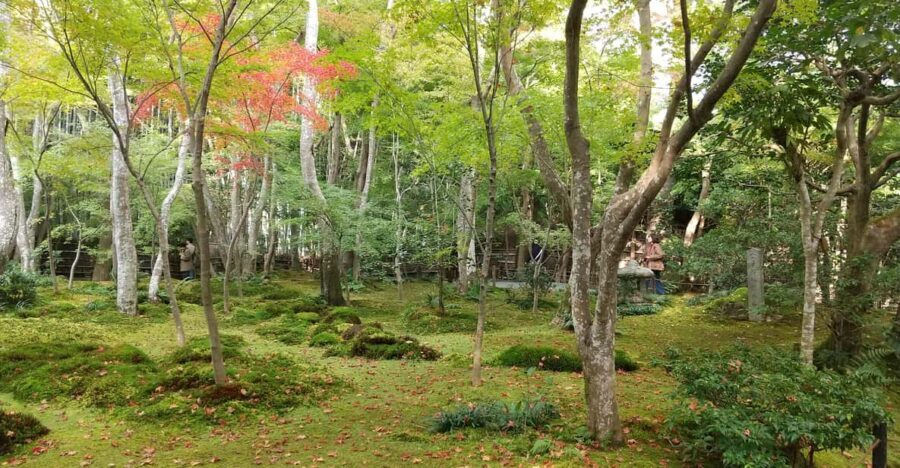
- A quiet-first plan through Arashiyama and Sagano that aims to reduce crowd time
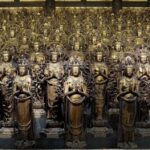
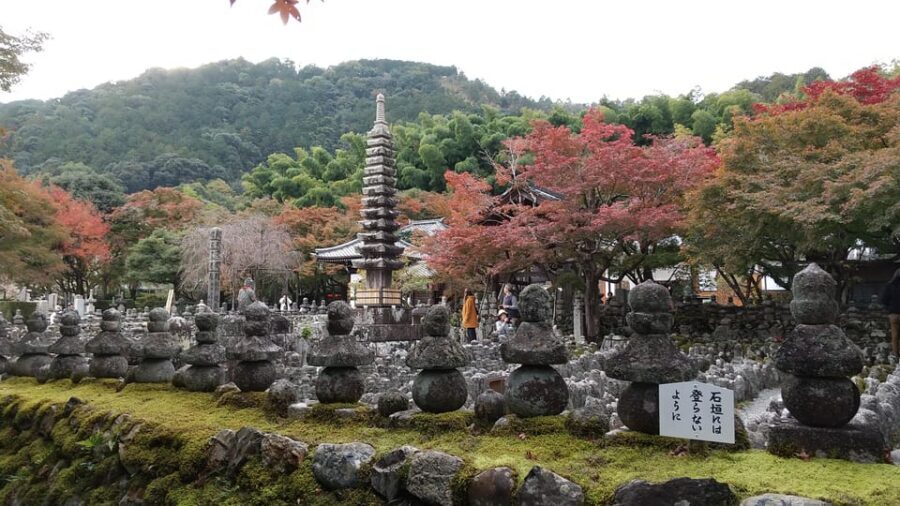
- Adashino Nenbutsu-ji’s tragic background and about 8,000 stone Buddha statues
- Giou-ji Temple’s women’s sorrows story from the Heian period, with four women practicing Buddhism
- Hands-on temple moments (including participation in prayer/meditation traditions, depending on the site)
- Tenryuji Temple guided time that balances story + calm
- Saga Torimoto preserved street for a look at preserved homes and Kyoto’s suburban feel
Entering Quiet Arashiyama: why this 3-hour format makes sense
Arashiyama can be a lot. Even when the scenery is stunning, it’s easy to get stuck in photo lines and herd timing. This tour’s big value is how it’s built to keep you moving, but not rushing—you get quiet walking time plus guided context, so each stop lands.
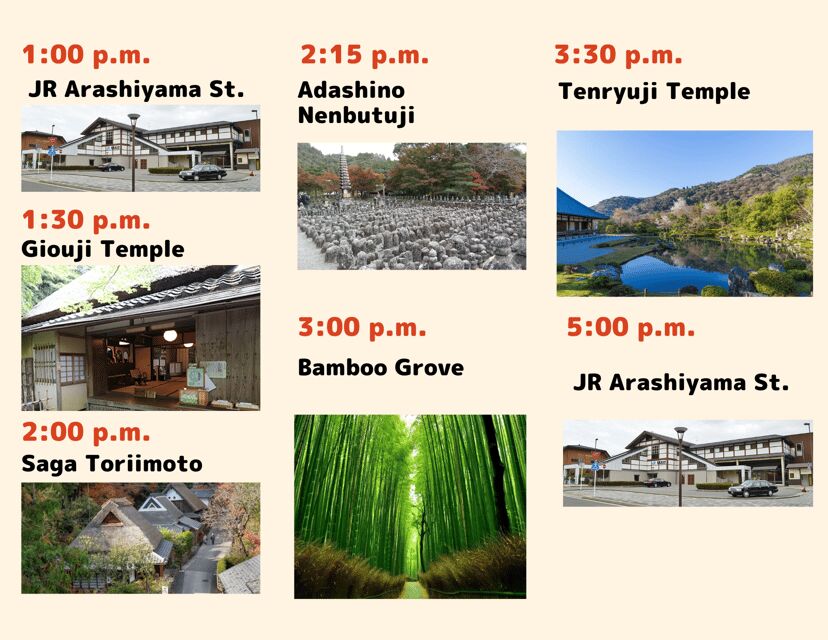
Three hours also means you can do this without blowing your whole day on logistics. You’re set up for a satisfying “temples + atmosphere” loop: you start at JR Saga-Arashiyama, then work your way through temples and a couple of very Kyoto neighborhood moments, with enough guidance that you’re not guessing what you’re looking at.
And the teaching style matters. The tour isn’t just dates and names. It uses narrative explanations tied to real human lives: favorite dancers and rivalries, monastic teachings, and ritual for spirits. That’s why it feels meaningful even if you’re not a temple expert.
A few more Kyoto tours and experiences worth a look

Meeting at JR Saga-Arashiyama: a small detail that prevents stress
You meet outside the ticket gates at JR Saga-Arashiyama Station (not Hankyu or Randen Arashiyama station). The guide holds a sign with your name in the plaza right there. Arrive about 15 minutes early so you can find the sign without starting the tour frazzled.
This matters because Arashiyama has multiple stations and you don’t want to lose your first 10 minutes crossing rail lines. If you’re using transit apps, double-check you’re at JR Saga-Arashiyama.
Stop 1, Adashino Nenbutsu-ji: the “heartless field” story and 8,000 Buddhas
Adashino Nenbutsu-ji is where the tour turns serious. You’ll get a guided visit and time to walk the surrounding approach at a gentle pace. The tone is reflective, because the story behind the place is about death, teaching, and remembering.
Why this stop hits emotionally
The tour explains that the temple was built in the Kamakura period. “Adashino” is tied to the idea of a vain field—and in the local story, the area became known as a place where the dead were left with no one to pray for them, so people called it the heartless field.
Then the founding monk Hōnen (1133–1212) comes into the picture. He taught nenbutsu, a practice centered on chanting. In other words, this isn’t only about memorializing the dead—it’s also about building a spiritual routine meant to help ordinary people with faith and reassurance.
What you’ll actually see
One of the most concrete things you get here: the temple area is associated with almost 8,000 stone statues of Buddha. The tour shares that these statues were dug up and collected, which makes the place feel like history you can walk through, not just a backdrop.
If you like religious sites for their symbolism, this is a strong one because the symbolism is grounded in a physical collection. You don’t have to imagine what “memory” looks like—you see it as stone.






A practical caution
This stop is emotionally heavy, so don’t book it right after a late night or a long travel day. Give yourself a moment before and after to breathe. Comfortable shoes help a lot here.
Stop 2, Giou-ji Temple: women’s sorrows in a small, personal setting
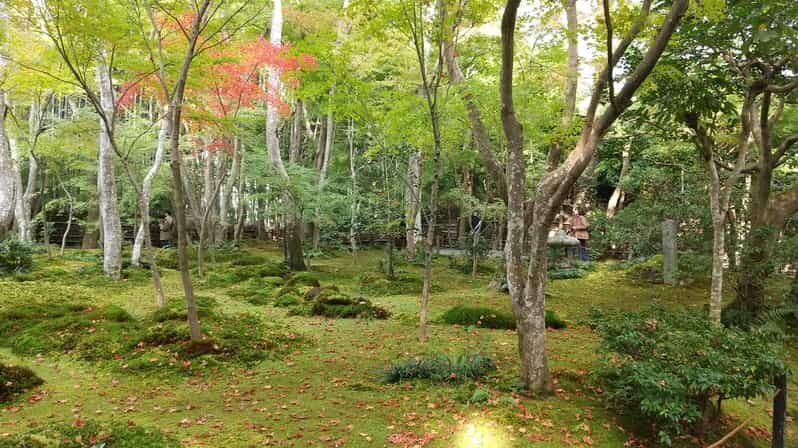
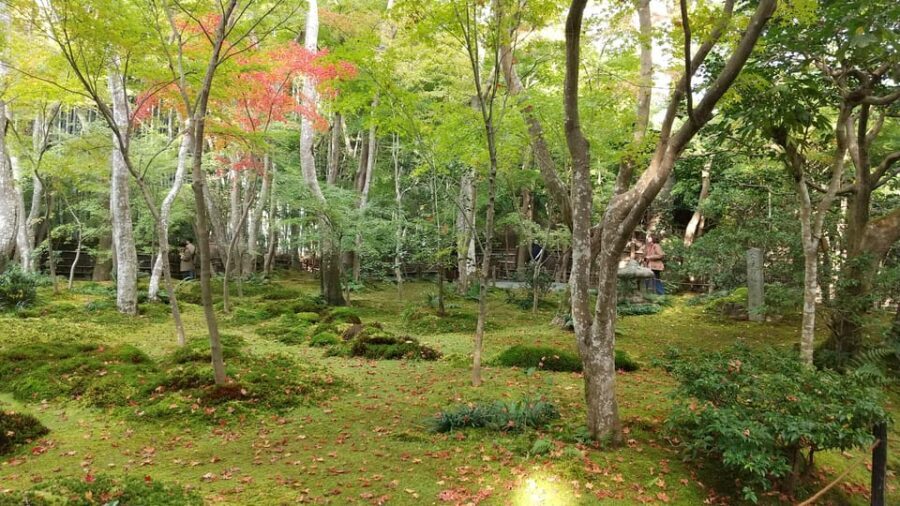
Giou-ji Temple is the other emotional anchor, but it’s a different kind of tragedy. Instead of the “heartless field,” you get a court-and-identity story from the Heian period.
The story you’ll be guided through
Giou-ji’s “Giou” name connects to a woman’s name, and the tour frames the temple as the stage of women’s sorrows. Giou is described as a dancer in the period, favored by Taira no Kiyomori (1118–1181), a major shogunal figure in the Heian era.
The narrative turns as Kiyomori’s affection shifts to Butsugozen. Giou is driven away, and eventually she becomes a nun and lives here in her rest life. Then the story adds another layer: Butsugozen is also thrown away and becomes a nun, and the tour explains that four women practiced Buddhism together in this setting.
Even if you’re not fluent in the background, the guide’s role is to make the human stakes clear. Who gets favored. Who gets discarded. How a spiritual life becomes a place to rebuild after losing status, love, and safety.
What makes this temple feel different
Giou-ji is small and intimate in the way these stories demand. It’s not built to overwhelm you with scale. Instead, it gives you a chance to connect with one life—and then see how that one life reflected the social world around it.
If you enjoy places where faith meets personal grief, this is the kind of stop you’ll remember on the walk back to the station.
Stop 3, Saga Torimoto preserved street: a calm look at Kyoto life beyond attractions
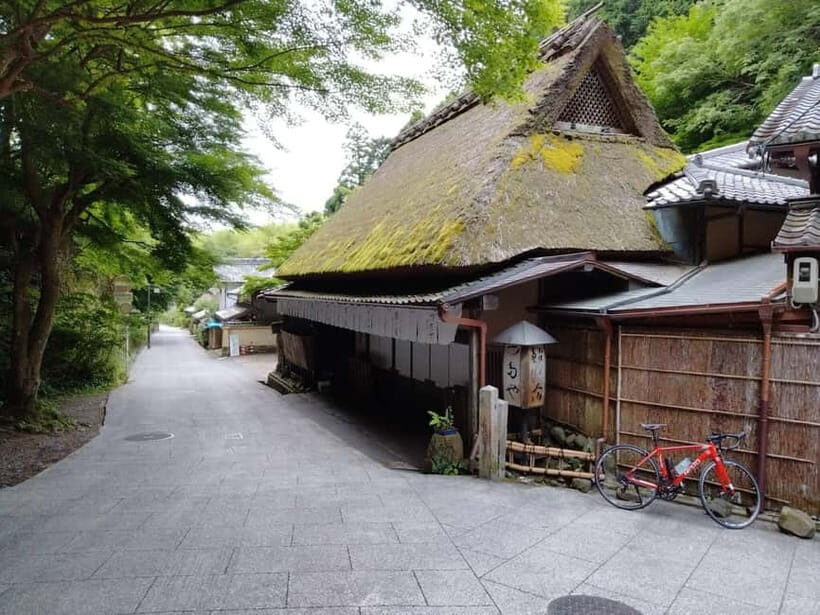
Between temples, the tour makes time for a pass-by at Saga Torimoto preserved street. This isn’t a long sit-down stop, but it’s a valuable breather.
The point here is atmosphere: you see farmhouses and machiya houses mixed together, forming a preserved historical streetscape in Kyoto’s suburbs outside Rakugai (as described in the tour framing). You also get a sense of everyday residential architecture, not only temple gates and bamboo.
This is where you can reset your mind. Temples ask for attention. A preserved neighborhood lets your eyes roam a bit and helps the story stick.
If you want photos
You’ll get scenic views on the way here, but keep it realistic. This is a guided walking tour with time boxes, so grab what you want quickly and let the guide keep moving the group.
Stop 4, Sagano bamboo grove: what to notice when it’s not just a photo stop
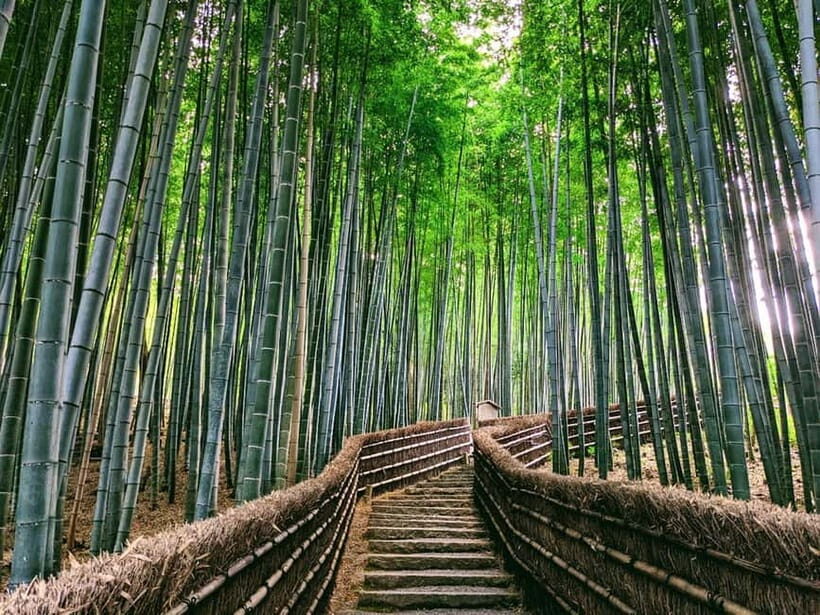
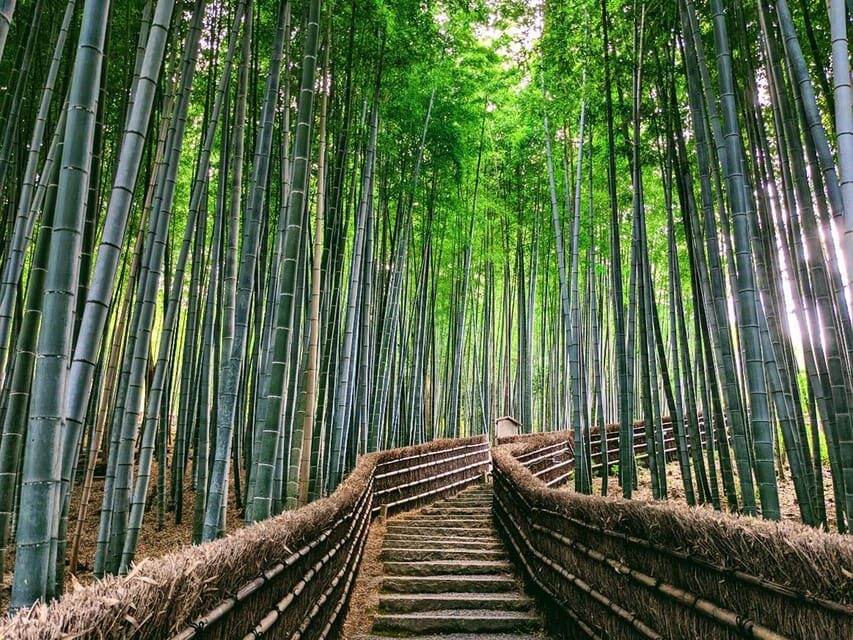
The tour includes Sagano bamboo grove for scenic views on the way. That means you’re not promised a long “stand here for 40 minutes” experience.
The value is timing plus context. When a bamboo grove is crowded, the only thing you notice is elbows. Here, because the tour’s designed to avoid crowd pressure, you can pay attention to how the light and the walking rhythm change the feel of the space.
Look for small details: the spacing of the stalks, the way sound changes under the canopy, and how the grove becomes a transition zone between temple intensity and the calmer stretch toward Tenryuji.
Stop 5, Tenryuji Temple: guided calm and a finish that feels grounded
Tenryuji Temple is a major capstone on this route, and you’ll get about 1.5 hours with guided time and sightseeing.
This is where the tour’s “breath of history through your own senses” idea becomes more practical. By now you’ve heard tragic narratives at Adashino and Giou-ji, and you’ve seen a preserved street that feels like Kyoto beyond the main tourist machine. Tenryuji then gives you a structured, guided way to slow down and take it in.
What the guide helps you do
The guide uses narrative-style explanations and may include hands-on experiences at select temples. In practice, that can mean participation prompts for prayer or meditation traditions—exactly the kind of thing that turns a temple visit from viewing into understanding.
Even if you’re not religious, this is worth your attention because it shows how ritual shapes daily life. You’re not only learning what temples are. You’re learning how people use them.
A practical timing note
Because the tour ends back at JR Saga-Arashiyama, Tenryuji is often the stop where you should decide your priorities. If you’re filming a lot, you can lose the quiet moments that make this tour feel special. I’d choose: either capture key photos early, then focus on the guide’s narrative later.
Walking pace, shoes, and what to bring so you don’t rush yourself

This tour is built around walking, and the plan assumes you’re comfortable on your feet.
Bring:
- Comfortable shoes (non-negotiable)
- Water to stay hydrated
- Hat, sunscreen (Kyoto light can be unforgiving)
- Camera if you want photos of bamboo and temple spaces
And one small but important reminder: no smoking during the experience.
The biggest practical limiter: time
At 3 hours, you’re not getting a slow, independent temple crawl. You’re getting a guided path that hits big emotional and cultural beats without letting you get lost.
So if you’re the type who wants to sit down and stare at one object for 25 minutes, do that later. This tour is best for people who want meaning without turning the whole day into one long grind.
Price value: why $38 can feel fair for what you get
At $38 per person for about 3 hours, the value comes from three places:
- Admissions are included for all temples visited.
- You’re paying for guided narrative—not just a walking escort.
- You get hands-on experiences at select temples, which is harder to replicate with a self-guided route.
If you were to do this on your own, you could save money—maybe. But you’d likely lose the storytelling that connects the sites: the “heartless field” concept at Adashino, the personal court tragedy of Giou-ji, and the way Tenryuji brings the experience back to grounded calm.
For me, this is the kind of price where you’re not buying luxury. You’re buying clarity.
Who this tour suits best (and who should choose differently)
This is a great fit if you:
- Want temples with context, not just architecture
- Like a guide who can connect faith + human story
- Enjoy quiet walking and nature-adjacent scenery in Arashiyama/Sagano
- Appreciate practical participation, like prayer/meditation prompts
It’s less ideal if you:
- Need mobility accommodations. The tour notes it’s not suitable for people with mobility impairments and not for wheelchair users.
- Hate moderate walking. Even with guidance, you’ll cover several stops.
Should you book this quiet Arashiyama and Sagano temples tour?
I think you should book it if you want your Kyoto day to feel intentional. This tour is designed to move past surface sightseeing and into the way people actually lived, prayed, and coped—through rivalry, loss, devotion, and remembrance.
Book it if you like:
- A small set of carefully chosen stops
- Guided storytelling in English
- A quieter pace than the standard Arashiyama rush
- Hands-on temple participation elements
Skip or reconsider if you:
- Want long independent time in each location
- Need full accessibility support
- Prefer purely scenic wandering with zero structured narrative
If you match the first list, this is a strong value way to experience Arashiyama and Sagano with your brain awake and your senses engaged.
FAQ
How long is the Kyoto Quiet Arashiyama and Sagano temples tour?
It lasts about 3 hours.
Is the tour guided in English?
Yes, it’s a live tour guide in English.
What does the price include?
You get a guided walking tour of Arashiyama, admission to all temples visited, and hands-on experiences at select temples.
What’s not included in the tour price?
Transportation to and from the meeting point, meals and drinks, and personal expenses are not included.
Where do I meet the guide?
Meet at JR Saga-Arashiyama Station, outside the ticket gates. The guide holds a sign with your name in the plaza.
What should I bring and what’s not allowed?
Wear comfortable walking shoes and bring water, sunscreen, and a hat. Smoking is not allowed.