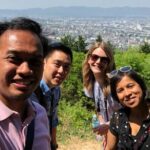
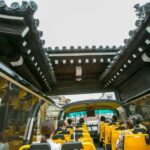
Four kilometers, fewer crowds.
This Hidden Kyoto e-biking tour is a smart way to see major sights like Kinkakuji and Kitano Tenmangu without spending the whole day stuck in lines or foot traffic. You get a foldable rental e-bike and helmet, plus an English-speaking route coordinator who connects what you’re seeing to temple etiquette and everyday Kyoto culture. I particularly like the way the ride blends famous UNESCO stops with quieter side streets and calm Zen spaces.
Second, the small group size (max 8) makes it easier to get personal attention while you learn how to handle the bike smoothly. I also love that the e-assist makes hills feel doable, so you’re not exhausted before the temple photos. One possible drawback: if you prefer a very fast pace with lots of wandering time, plan for the coordinator to take some time explaining history and customs at stops, so you’ll be “park-and-listen” sometimes.
Key things that make this tour worth your morning
- E-powered foldable bikes that keep the route fun on hills
- UNESCO-listed Kinkakuji plus a string of major temple sites in one loop
- Quiet backstreets where you’ll feel like you’re moving like a local
- Temple etiquette and context explained in plain English
- Small groups (up to 8 people) for easier pacing and safety
- A built-in tea break with story and atmosphere
Getting fitted at NORU: the start that sets the tone
The tour starts at NORU Kyoto Bike Tours, at 429-22 Takigahanachō in Kamigyo Ward. It’s close to public transportation, which matters because you’ll want a relaxed start, not a sprint. You’ll check in, get outfitted with your included rental bike and helmet, and get basic help before you roll out.
Timing is straightforward but non-negotiable. You must arrive 15 minutes early, and departures run at 8:30, 9:00, 12:30, and 1:00. The tour ends back at the starting point. Also note the tour runs with a maximum of 8 travelers, so you’re not blending into a big crowd.
The bikes are foldable and e-powered, and the route is designed for an easy, safe ride for most people 13+. That age limit matters because the bike handling and group flow assumes you can ride with attention. If you’re nervous about cycling, the e-assist is a big help—more on that in a minute—but you still should feel comfortable mounting, stopping, and turning on busy-ish streets.
If you're still narrowing it down, here are other tours in Kyoto we've reviewed.


The ride length and effort: what you’re actually signing up for
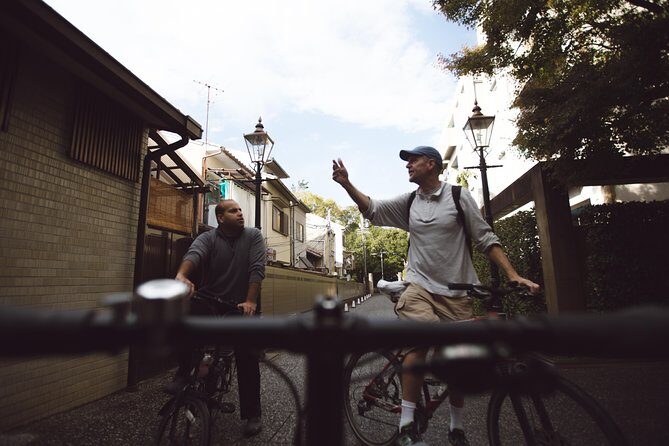
You’ll cover about 4.3 to 4.9 miles (around 7 to 8 km) in total. That’s not long in distance, but it’s long enough to see Kyoto in motion—shops, walls, temple approaches, and neighborhood lanes—without burning your day.
The big value here is effort control. The e-bike keeps your legs from doing all the work on steeper sections, so you can stay focused on where you’re going instead of your breathing. Several guides on this tour are praised for making the bike training feel practical (clear instructions, patience, and safety checks). You’ll often ride at a relaxed pace, with stop-and-start moments that feel like a guided walk, just with wheels.
If you’re expecting a “strenuous cycling workout,” this isn’t that. The tour is for people who want to cover more than a walking itinerary while keeping it calm and manageable. And if you decide you can’t ride at all, there’s no refund—so be honest with yourself at check-in about your comfort level.
Stop 1: Kinkakuji and the UNESCO wow factor (without the full-day stress)
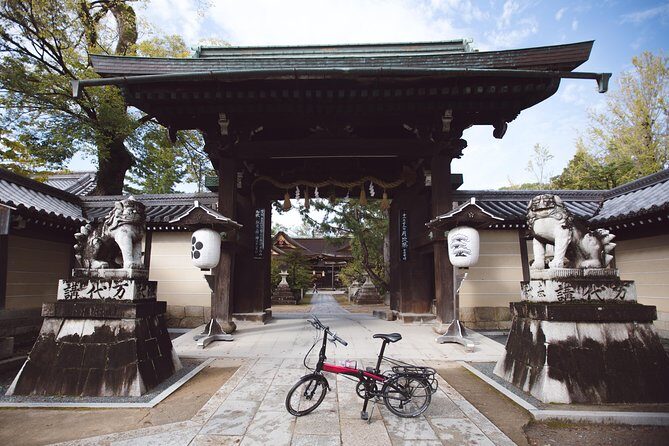
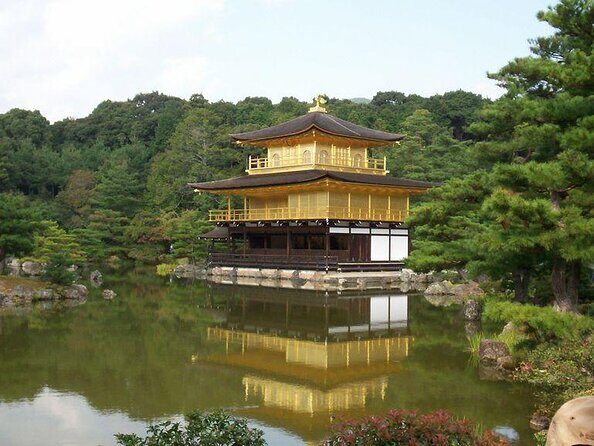
Your first major highlight is Kinkakuji Temple, Kyoto’s famous Golden Pavilion. It’s UNESCO-listed and it’s the kind of place that attracts big numbers. The win here isn’t just seeing it—it’s how the tour gets you there as part of a planned loop, so you’re not spending all your energy juggling trains, taxis, or crossing the city on foot.
Kinkakuji is visually dramatic, but it can also be a place where you feel rushed if you’re on your own. With this tour, you get time to experience it in the context of what comes next: the shift from “iconic Kyoto” into the quieter temple compounds that many visitors never reach.
What to keep in mind: even if crowds are thinner than you expected, this is still a top site. Bring your patience for photo lines and be ready for temple rules (quiet voices, respectful behavior, and careful movement where foot traffic is controlled).
Stop 2: Daitoku-ji Temple Complex—Zen calm in a maze of meaning
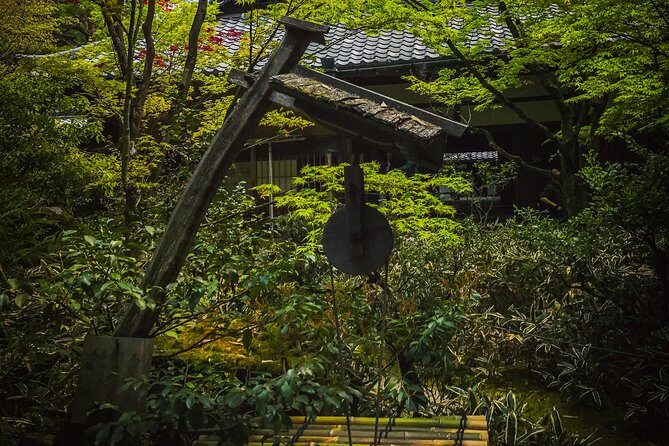
After the Golden Pavilion, the tour moves into Daitoku-ji Temple Complex. This is where Kyoto starts feeling less like a checklist and more like a lived-in spiritual landscape. Daitoku-ji isn’t just one building. It’s a cluster of temple spaces with the kind of order that makes you slow down without being told.
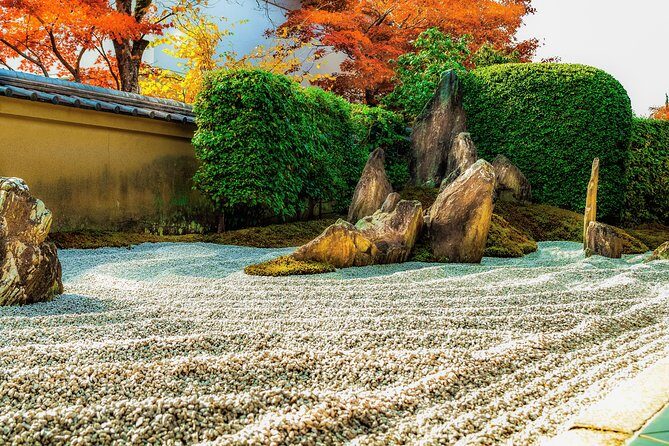
This stop is often praised because the guide doesn’t just point at buildings—they connect what you’re seeing to Zen practice and the way gardens and courtyards shape your experience. If you’re curious about Buddhism beyond surface labels, this is one of the places where you’ll likely get clearer explanations of what Zen gardens are meant to communicate.
Expect to walk some temple paths and pause at viewpoints. Wear shoes that work well on uneven stone. You’re on a bike for the ride, but you’re still a pedestrian once you’re inside the temple grounds.
Stop 3: Kitano Tenmangu—shrine energy and Kyoto’s tradition beat
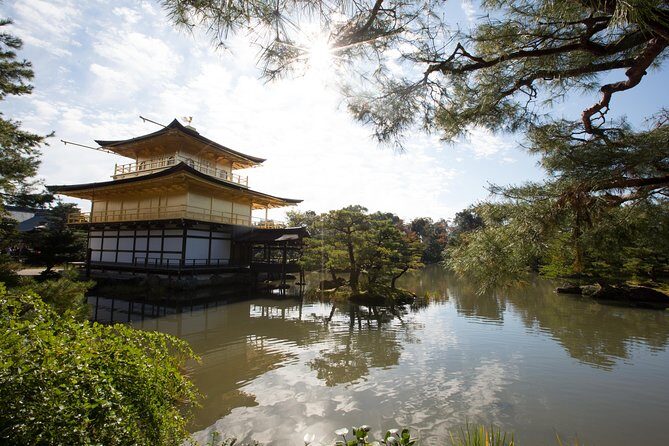
Next up is Kitano Tenmangu Shrine. This shrine carries real cultural weight in Kyoto, and it’s not just about aesthetics. It’s the kind of stop where you start noticing how religion, local identity, and daily life overlap.
Like the other stops, what makes Kitano Tenmangu stronger on this tour is the commentary style. Guides are praised for English storytelling that stays practical—explaining shrine customs and what visitors should do (and avoid) to be respectful. Even if you only catch part of the talk, you’ll usually come away with a better sense of what you’re witnessing.
If you enjoy seeing where locals actually go—rather than only following crowds between famous landmarks—Kitano Tenmangu fits the theme of this tour perfectly.
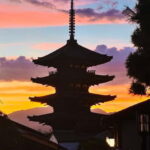

Stop 4 and 5: Koto-in and Zuihoin—small stops, big atmosphere
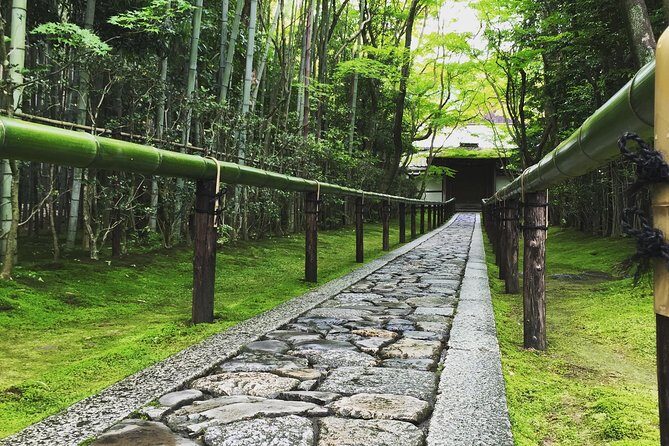
The itinerary includes Koto-in and Zuihoin. These feel like the “good breathing space” moments on the tour. After walking and looking at larger name sites, these quieter garden-like temple spaces help Kyoto settle into your brain.
Both stops are the kind of places where a guided explanation can make a noticeable difference. Temple gardens and Zen courtyards aren’t always intuitive at first glance. With the route coordinator’s guidance—often touching on Zen Buddhism and the meaning of design—you’ll be more likely to notice the details that you’d otherwise miss.
Also, these are the spots that often feel best during photos. Not because they’re flashy, but because the atmosphere tends to be calmer and more human-sized than the biggest-picture attractions.
The guides: names you’ll hear and what they bring to the ride
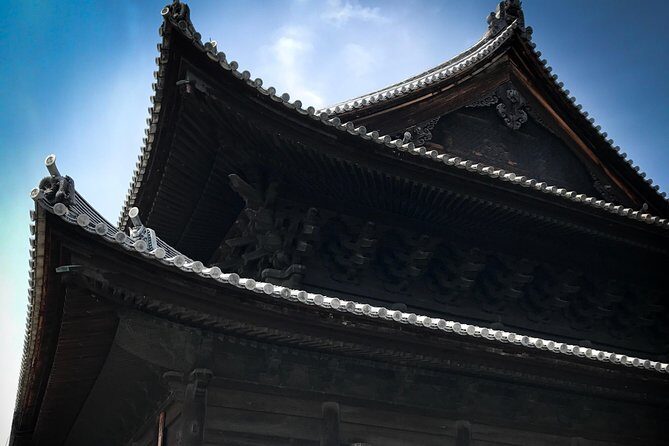
The tour includes an English-speaking route coordinator, and the biggest reason the reviews run so high is the storytelling quality. Different guides show different strengths, but the overall pattern is consistent: clear explanations, lots of cultural context, and help understanding temple etiquette without making it feel like a lecture.
You may ride with guides such as Yuta, Michael, Sean, Henry, or Shizuka, and they’re repeatedly praised for being engaging—some share Zen Buddhism connections, others explain Shinto vs. Buddhism, and many provide helpful etiquette tips before you enter sacred spaces.
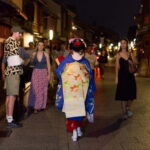
One theme that shows up again and again is how guides connect Kyoto’s history to what you’re doing right now—walking respectfully, staying quiet in key areas, and understanding the difference between shrine and temple customs. You can also get stories about things like geisha and Maiko culture, plus feudal Japan context, in ways that make the city feel more connected rather than random stops.
A balanced note: one critique you may want to consider is that some people felt the narration at certain breaks took longer than expected for a half-day ride. If you prefer minimal talking, you’ll still be able to see everything, but you may spend more time paused than you wanted.
The tea stop: a small break with a long story
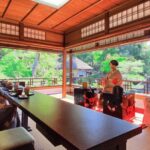
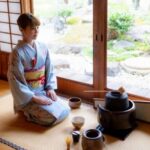
One of the most memorable parts of this experience is the tea stop, which many people describe as charming and story-filled. The tour includes water, but the tea moment adds atmosphere and lets you reset—cool off, sit down, and connect the cultural dots the guide has been building.
In one detailed account, the tea place was described with impressive age—1025 years across 28 generations—along with sweets and a chance to slow down before continuing. Even if your exact stop differs, plan on a short break that feels part of the route, not a random detour.
If you’re the kind of traveler who likes context, this is where the tour tends to click.
Weather reality: rain can happen, and your plan should flex
The tour requires good weather. If poor weather cancels it, you’ll be offered another date or a full refund. That’s the official rule.
In practice, Kyoto weather can be moody even when it doesn’t fully ruin plans. Some people have done the tour in rain, and their guides helped with rain-related comfort (like providing gear). Still, don’t rely on having everything covered—bring a small rain layer and consider waterproof gloves if you’ll be riding in wet conditions.
Best approach: pack for “maybe wet,” even if the forecast looks decent. On an e-bike, wet hands and wet brakes are the main annoyance, not temple weather.
Price and value: why $116 can make sense here
At $116 per person, this isn’t the cheapest way to see temples in Kyoto. But it’s priced like an experience with real included value: bike, helmet, an English route coordinator, and water, plus the ability to move efficiently across the city.
Here’s what you’re really paying for:
- You cover more ground than a walk-only plan, without needing taxis for every segment
- The e-assist reduces fatigue, so you actually enjoy temple time instead of rushing
- You get context for shrine/temple etiquette and what you’re looking at
- Small group pacing helps you feel safer and less lost
If you’re the type of traveler who gets tired on foot after an hour, or you want to see famous sites but also want the calmer Kyoto streets, this is often a good trade. If you already love biking and you’re comfortable navigating Kyoto by yourself, you might question the cost. But most people choose this because they don’t want to spend their precious time figuring out the route, the etiquette, or the order of stops.
Who should book this Hidden Kyoto e-bike tour
This tour fits you best if:
- You want famous temples plus quieter lanes without the whole-day grind
- You like guided explanations that help you understand shrine and temple culture
- You’re okay pausing for stories and learning at each stop
- You want an easy cycle day that still feels like Kyoto, not like a bus tour
It may not fit if:
- You strongly prefer a “mostly free time” sightseeing style with minimal talking
- You don’t ride bikes comfortably yet (or you’re likely to decide mid-tour that you can’t continue)
- You want a purely walking vibe with no cycling at all
Should you book this Hidden Kyoto e-bike tour?
If you want Kyoto that feels calmer, clearer, and less crowded, I think this is a strong choice. The combination of e-bike convenience, small group size, and temple-focused storytelling makes it ideal for first-timers who want more than a basic checklist—and it also works well for returning visitors who want streets they likely wouldn’t find on their own.
Book it if you’re excited to ride, pause, learn, and see both headline sites and the quieter temple corners that shape Kyoto’s mood.
FAQ
How long is the Hidden Kyoto e-biking tour?
It runs about 3 hours 45 minutes.
Where do we meet, and does the tour end there too?
You meet at NORU Kyoto Bike Tours, 429-22 Takigahanachō, Kamigyo Ward, Kyoto. The tour ends back at the same meeting point.
What’s included in the price?
Included items are an English-speaking route coordinator, rental bike, rental helmet, and water.
Is the ride hard for beginners?
The tour is described as easy, safe, and fun for riders 13+, with minimal effort for most people. Still, it’s a bike ride, so you should be comfortable riding and handling stops.
What sites are on the itinerary?
The listed stops are Kinkakuji Temple, Daitoku-ji Temple, Kitano Tenmangu Shrine, Koto-in, and Zuihoin.
Do I need to bring food?
Food and drinks are not included, unless specified. Water is included, but plan on your own for meals.