Handmade ramen beats any souvenir. This small-group class at the Ramen Factory Kyoto turns ramen from something you order into something you actually build, from dough to bowl. You’ll work on noodles, mix soup, choose toppings, and finish by eating your own lunch, with multiple daily start times.
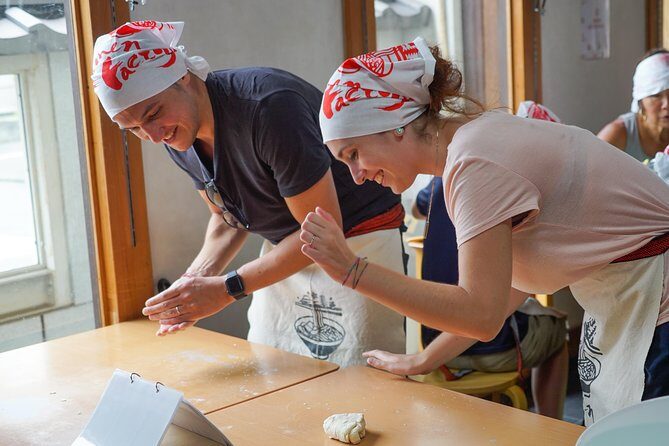
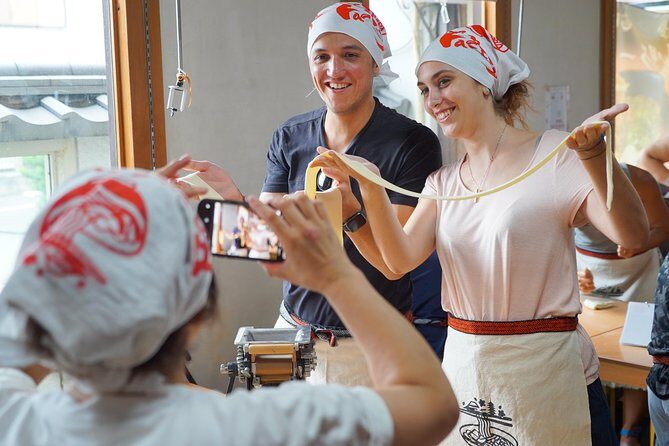
I especially love the hands-on noodle making part. You’re not just watching; you’re kneading, pressing, and rolling dough into noodles. I also love the payoff: a home-cooked lunch where your choices show up in the bowl, not just on a worksheet.
One possible drawback: drinks aren’t included, so plan to buy water or tea nearby if you need it. Also, there’s a media shooting notice, so if you’d rather not appear on camera, tell staff before the class starts.
Key Highlights You’ll Actually Care About
- Real noodle work: knead, roll, and press dough so you understand what makes ramen ramen
- Build-your-bowl choices: pick flavors and toppings to match your taste
- Eat what you make: your ramen becomes lunch right after cooking
- Dietary flexibility: the factory is Halal-certified, and vegetarian/vegan options are available on request
- Small group energy: max 20 people, with an instructor who keeps things moving
- A fun atmosphere: instructors like Mahiro and Moeka (seen in past classes) bring humor and support
Kyoto’s Ramen Factory Kitchen: what makes this class different
Kyoto has no shortage of places to eat ramen. This class is different because you learn the process behind the comfort food. You’ll start with basic ramen building blocks, then turn them into a bowl that’s yours.
The setting is a working ramen factory environment, which matters. You get a practical rhythm—prep, cooking steps, then plating—so the class doesn’t feel like a long lecture. And because the group is capped at 20, you usually get enough attention when your hands get confused (they will).
If you’re wondering what kind of instruction you’ll get, the best clue is the instructor style that shows up repeatedly in past sessions. Names like Mahiro, Moeka, Hiro, Haruka, and Fuku have been highlighted as friendly, funny, and efficient teachers. Even when the steps look simple in videos, you’ll find out they take practice—and that’s the point of a good class.
If you're still narrowing it down, here are other tours in Kyoto we've reviewed.


From Dough to Noodles: the hands-on ramen-making steps
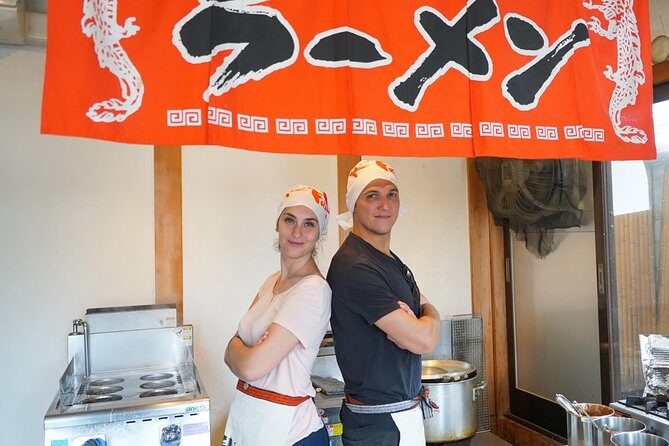
The class is built around making ramen noodles from scratch. That means you’ll work through the core technique: dough handling. You’ll knead and shape the dough until it’s workable, then roll and press it into noodles.
Here’s the practical thing: ramen noodle dough isn’t hard in the chemistry sense, but it’s easy to mess up in the finger-and-pressure sense. Several people note that the process is trickier than it looks, even with step-by-step teaching. That’s why an instructor watching your form is valuable. You get real-time corrections instead of guessing and hoping.
You’ll also understand the texture you’re aiming for. When you press and shape noodles yourself, you notice what happens when the thickness is uneven. Then you taste the difference in the finished bowl, which makes the lesson stick.
Depending on your topping selections, the class also handles parts of the topping prep and cooking. For example, past participants describe working with protein toppings that may include techniques like rolling or tying (for things like chicken thigh) and finishing with high-heat tools. If you’re vegetarian, you’ll follow the class flow with your chosen ingredients instead. Either way, the main idea stays the same: ramen is a system, not a single recipe.
Broth Mixing and Seasoning Choices: customizing flavor without guesswork

Ramen is ramen because of the broth base and seasoning balance. In this class, you don’t just get handed a bowl and told to admire it. You help create the taste by choosing your flavor direction and then mixing seasonings.
This is where the customization becomes useful. You’ll pick from flavors and toppings, then assemble the ramen in a way that matches what you like. If you prefer a richer feel, you can lean that way through your choices. If you want something lighter, you can steer the seasoning and topping mix.
A key detail: you’re learning how to think about ramen flavor. Even if you don’t memorize exact ratios (nobody does on vacation), you understand the logic behind what salty, savory, and aromatics are doing in the bowl. That makes it easier to repeat at home later instead of chasing one perfect taste.
Toppings: protein, vegetables, and the final build
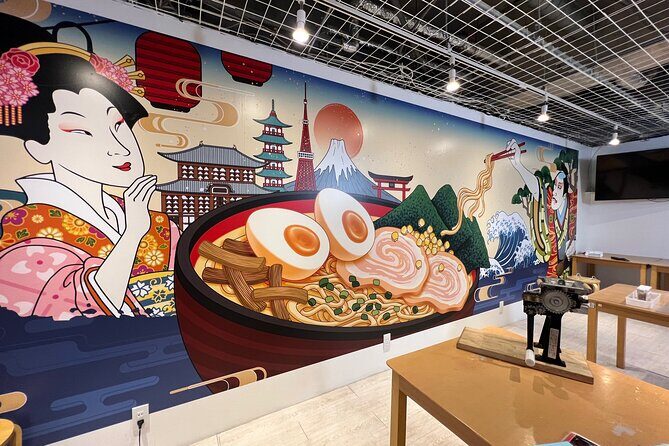
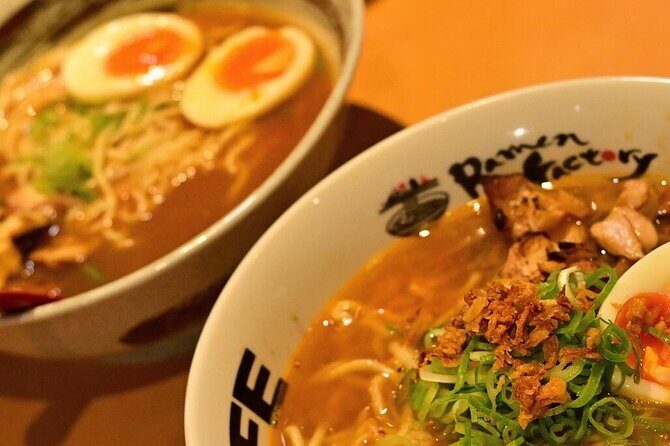
Toppings are where ramen becomes personal. In your class, you’ll add what you selected—meat and vegetable combinations—so everyone leaves with a different bowl even if the noodle dough started the same way.
If you’re choosing meat-based toppings, you may work with protein prep steps during the class. One past student specifically described hands-on prep and finishing for a chicken thigh topping, including roasting with a mini torch after cooking. That kind of step explains why toppings can taste restaurant-level even when you’re cooking in a class setting.
If you’re vegetarian or vegan, you’ll still be guided through the toppings portion with options available on request. The factory is Halal-certified, and the class accommodates Halal preferences as part of its setup. If you need vegan specifically, you should request it after booking so the kitchen can plan accordingly.
Lunch You’ll Actually Want to Eat: timing, portion, and payoff
You’ll finish with a home-cooked lunch: your personalized ramen bowl. This is the part that makes the class feel worth it, even compared to just ordering ramen on your own. Making the noodles gives you a connection to the meal, and the tasting happens immediately after cooking.
I also like how this class is paced. It’s long enough to feel like you learned something real, but not so long you’re exhausted before you eat. The duration is about 1 hour 30 minutes, which is a sweet spot for a Kyoto afternoon or evening break.
One practical tip straight from how people plan the day: book a time that lines up with when you’d normally eat. If you go in hungry, you’ll enjoy the bowl more because you’ll be tasting it fresh from the work you just did. If you go in too full, the “I made this” feeling is still fun, but you might not experience the full reward.





Halal-certified, vegetarian, vegan: how to plan your dietary needs
This is a rare kind of ramen class because it’s built for more than one dietary approach. The Ramen Factory Kyoto is Halal-certified, and the class can accommodate Halal preferences.
Vegetarian options are available. Vegan options are also possible, but you need to request them after booking so the team can prepare appropriately. That matters because vegan ramen needs more than swapping one ingredient; you need the kitchen to plan the broth and toppings accordingly.
If you’re traveling with specific dietary needs, don’t wait until the day of the class. Send the request promptly so they can match you with the right ingredients and seasoning options.
Practicalities: where to go, how long it takes, and group size
You’ll make your own way to the meeting point in Kyoto:
Japan, 602-0841 Kyoto, Kamigyo Ward, Kajiichō, 44714 BF1 Ramen Factory Kyoto
The important detail is BF1. You’re likely entering on an upper street level and going down to the basement floor, so check the address carefully on your map app.
The class ends back at the same meeting point. Duration is about 1 hour 30 minutes. It’s a small-group format with a maximum of 20 people, so you’re not stuck in a huge crowd while you try to learn noodle technique.
You also get a mobile ticket, which keeps things simple. Confirmation is received at booking, and the location is near public transportation, so you won’t need a complicated route plan to get there.
Price and value: is $131.32 a smart buy for Kyoto?

At $131.32 per person, this isn’t a “cheap activity.” But the value is that you’re paying for multiple things at once: instruction, a working kitchen experience, and a meal you eat immediately after cooking.
Here’s what’s included:
- Tour escort/host
- Local taxes
- Food tasting
- Lunch
Drinks are not included, so factor in water or tea if you want it with your meal.
If you usually like food experiences that teach a skill, this class earns its price. You’re paying less for a meal and more for the ability to recreate ramen noodle technique and seasoning logic at home. And since you can customize flavors and toppings, it doesn’t feel like you paid to follow a script you can’t personalize.
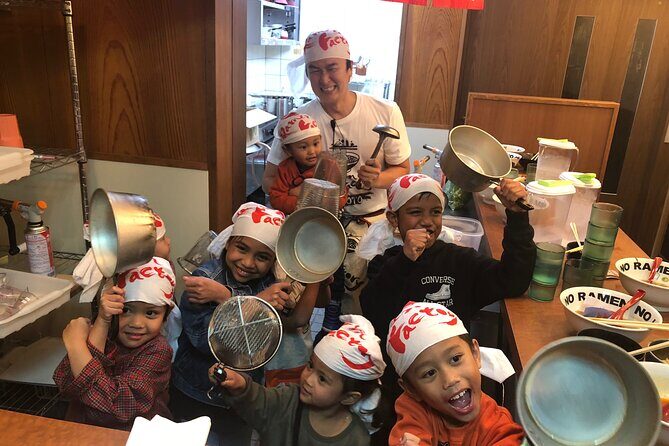
Family-friendly also shows up in the feedback. If you’re traveling with kids, the hands-on nature tends to keep attention on the task, not just the final bowl.
When this class shines most (and when it might not)
Book this class if you love ramen and want more than a one-time meal. You’ll get real technique for noodles and a better understanding of how broth and toppings work together.
It also fits well if you want a break from walking all day. Kyoto is intense on foot. A cooking class gives you something different: sitting, hands-on work, then eating in a controlled environment.
It may not be your best match if you hate tactile cooking steps like kneading and rolling dough. If you’re the kind of person who prefers to watch rather than participate, you’ll probably still enjoy it, but you won’t get the full benefit.
One more consideration: media shooting is possible during your visit, and your images or video may be used for promotions. If you don’t want to appear, notify staff before the class starts. They’ll do their best to accommodate.
Should you book the Ramen Cooking Class at Ramen Factory in Kyoto?
Yes, if you want a Kyoto food experience with a clear skill payoff. This class is built around the core of ramen—noodles, broth, toppings—and it ends with you eating your own bowl. That makes it feel like a complete activity rather than just a meal with a small side lesson.
I’d especially recommend it for:
- ramen fans who want to learn the process, not just taste
- people who like customizing food with guided choices
- families who want a hands-on group activity
- anyone who needs vegetarian, vegan on request, or Halal-friendly options
If you’re mainly chasing the cheapest way to eat ramen in Kyoto, you’ll likely find cheaper bowls outside. But if you want something you can actually take home—skills, technique, and taste memory—this is a strong value play for the price.
FAQ
FAQ
How long is the Ramen Cooking Class at Ramen Factory Kyoto?
The experience lasts about 1 hour 30 minutes.
Where does the class meet in Kyoto?
It meets at Japan, 602-0841 Kyoto, Kamigyo Ward, Kajiichō, 44714 BF1 Ramen Factory Kyoto, and the activity ends back at the meeting point.
What is included in the price?
Your ticket includes a tour escort/host, local taxes, food tasting, and lunch.
Are drinks included with the lunch?
No. Drinks are not included.
Can I get vegetarian, vegan, or Halal options?
The factory is Halal-certified. Vegetarian options are available, and vegan options are available on request. If you want vegan, you need to contact after booking.
Is this a small group experience?
Yes. The class has a maximum of 20 travelers.
Do I need to bring paper tickets?
No. You receive a mobile ticket.
Is there a limit on when I can get a refund?
You can cancel for a full refund up to 24 hours in advance of the experience’s start time.
Will I be photographed or filmed during the class?
There may be media shooting during your visit, and entering the premises means you consent to potential use of recordings. If you prefer not to appear, notify staff before the class begins.