Kyoto can feel huge at night. Then you step into quiet. This experience pairs candlelit Zazen at a temple not open to the general public with direct teaching from a monk, plus time to practice breathing and sitting. You’ll also get a gentle cultural lesson on Zen so the calm isn’t just atmospheric—it’s meaningful.
Two things I really like about this: the small private group vibe (I’ve seen groups of 4 and also mixed-age groups up to 7), and the way the monk explains Zazen in plain, usable terms before you sit. One thing to consider: it’s a short evening session (70 minutes), so if you want hours of instruction, you’ll need a separate longer class later.
In This Review
- Key Takeaways Before You Sit
- A Candlelit Kyoto Temple Where Zazen Feels Practical
- Getting Oriented at Kodaiji Park (And Finding It Smoothly)
- Entering a Temple Not Open to the Public
- The Monk’s Lecture: What Zazen Is Really Asking You To Do
- Practicing Zazen in Candlelight (What It Feels Like)
- The Tea Ceremony and Monk Discussion: Turning Calm Into Context
- Photography, Food Rules, and Small Etiquette Details
- Group Size and Why Private Matters Here
- Who This Experience Is Best For
- Price and Value: Does $774 Make Sense?
- Should You Book Candlelit Zen at Kyoto’s Secret Temple?
- FAQ
- How long is the Candlelit Zen experience?
- What is included in the session?
- Is hotel pickup included?
- Where do I meet the guide?
- Can I take photos during the temple visit?
- Is there food or drinks allowed inside the temple?
- What is the group size and privacy style?
Key Takeaways Before You Sit
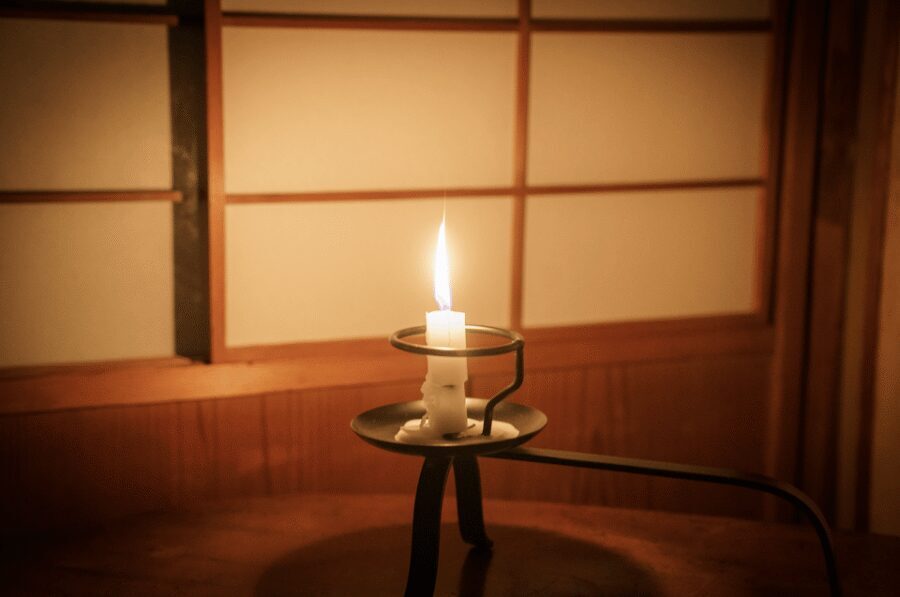
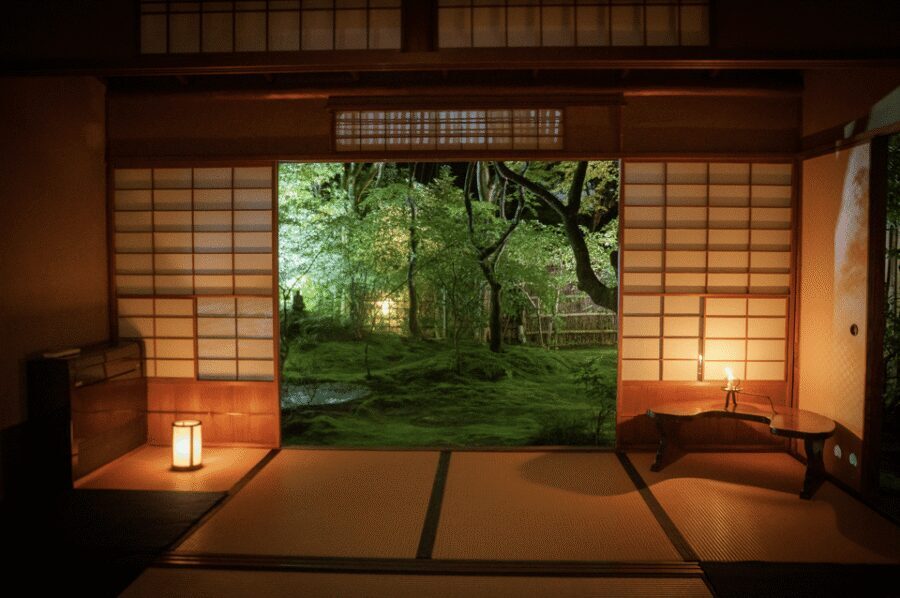
- Candlelight + moss garden create a calm setting that makes it easier to slow your body and mind
- Monk-led Zazen: you learn principles and techniques, then practice
- Breathing focus helps you find rhythm instead of forcing “blank mind”
- Tea ceremony and talk afterward turns meditation into conversation, not just quiet time
- Photography allowed, no flash so you can document the moment without disrupting it
A Candlelit Kyoto Temple Where Zazen Feels Practical
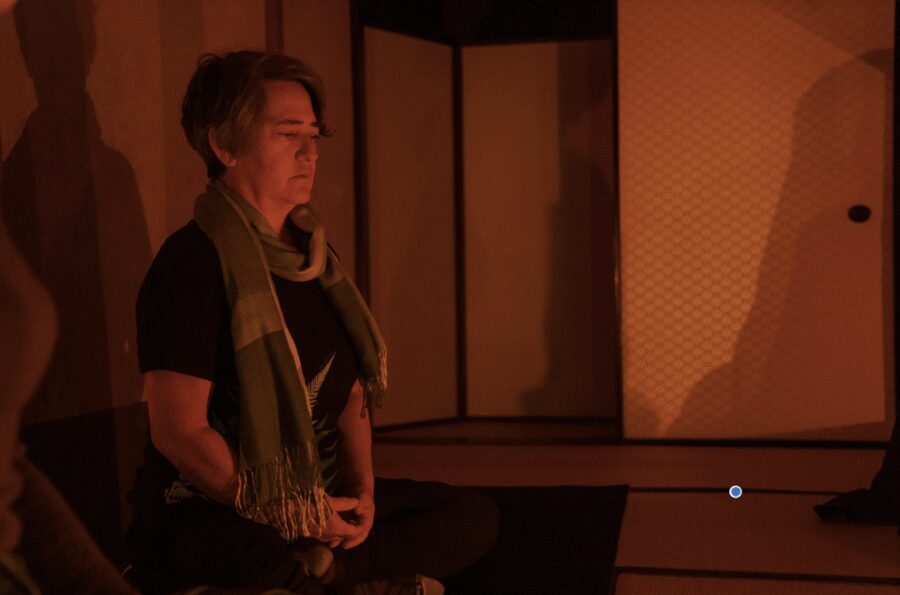
This isn’t a sightseeing stop with a meditation clip at the end. You’re going at evening hours, inside a temple that isn’t part of the usual public circuit. That matters, because the setting isn’t trying to entertain you. It’s built for restraint: candlelight, soft movement, and the sense that you’re entering a space with rules.
The experience runs for 70 minutes, and it’s structured so you don’t just sit and hope. First there’s a short cultural orientation. Then you get a lecture from a monk on the principles and techniques of Zazen (seated meditation). After that, you practice. Finally, you close with a tea ceremony and a discussion with the monk.
You also get the bonus of a skip-the-line separate entrance, which keeps the experience from turning into a group-management headache. For an activity that’s basically about attention and calm, fewer logistics bumps are a win.
Other evening experiences in Kyoto


Getting Oriented at Kodaiji Park (And Finding It Smoothly)
You meet at the toilet at Kodaiji Park, on the northern side of the toilet. That sounds odd until you’re standing there—then it becomes a clear landmark. The guide waits there, and in my experience of tours like this, having one exact meeting point reduces the stress that can ruin your evening mood.
Communication is a big deal here. One guide named Soma was described as friendly and helpful, and there’s mention of clear messaging over WhatsApp to make finding the meeting spot easier. If you’re prone to arriving late or get anxious about directions, this is the kind of setup that helps you start the experience already relaxed.
Also note what’s not included: there’s no hotel pickup or drop-off. You’ll want to plan your own timing and transit so you arrive early enough to settle in.
Entering a Temple Not Open to the Public
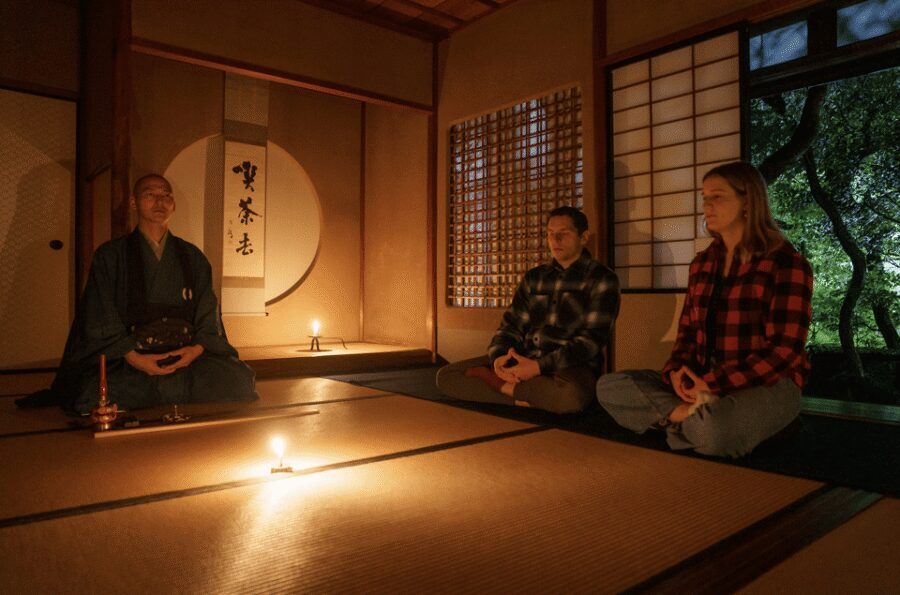
At the temple, you’re guided through entry and basic etiquette. You’ll learn briefly about Japanese culture and Zen—enough context to make what you’re doing feel connected to something real, not like a performance.
This part matters more than people think. Zen practice isn’t only about stillness. It’s also about how you behave in a space dedicated to it: quiet, respectful volume, and not disrupting others. Even if you don’t understand every concept yet, following the rhythm of the room helps you absorb the practice faster.
You’ll also hear about what to do during the session—how the monk wants you to sit, and what kind of focus you should keep. If you’ve tried meditation before and felt frustrated, this is where the relief often starts. There’s a method. You’re not left to guess.
The Monk’s Lecture: What Zazen Is Really Asking You To Do
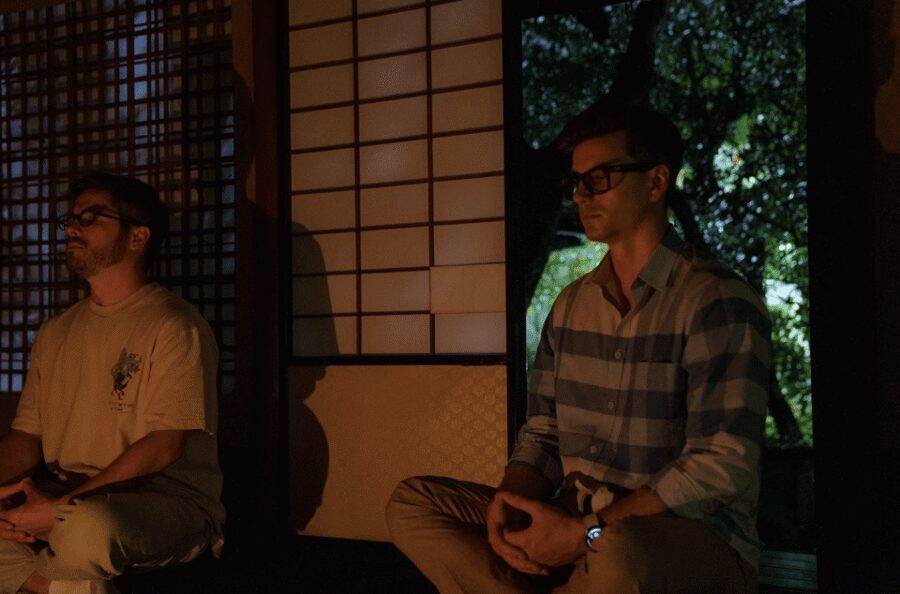
The monk’s talk covers the principles and techniques of Zazen, and it’s designed to help you unify your mind rather than fight your thoughts.
The teaching includes a big theme: detaching from ego and worldly concerns. That can sound heavy, but in a practical meditation session, it usually translates into something simple: stop trying to manage your mind like a to-do list. Instead, align your attention with your body and your breath.
You’ll also hear the idea of breathing rhythmically. That’s not an extra gimmick. Rhythm gives you a reference point. When your mind wanders (it will), you return to the rhythm. Wandering isn’t failure; it’s the training.
And yes, you’ll get time to ask questions or have a short discussion later with the monk after the tea ceremony. That makes the lecture feel less like a lecture and more like a conversation you can carry home.
Practicing Zazen in Candlelight (What It Feels Like)
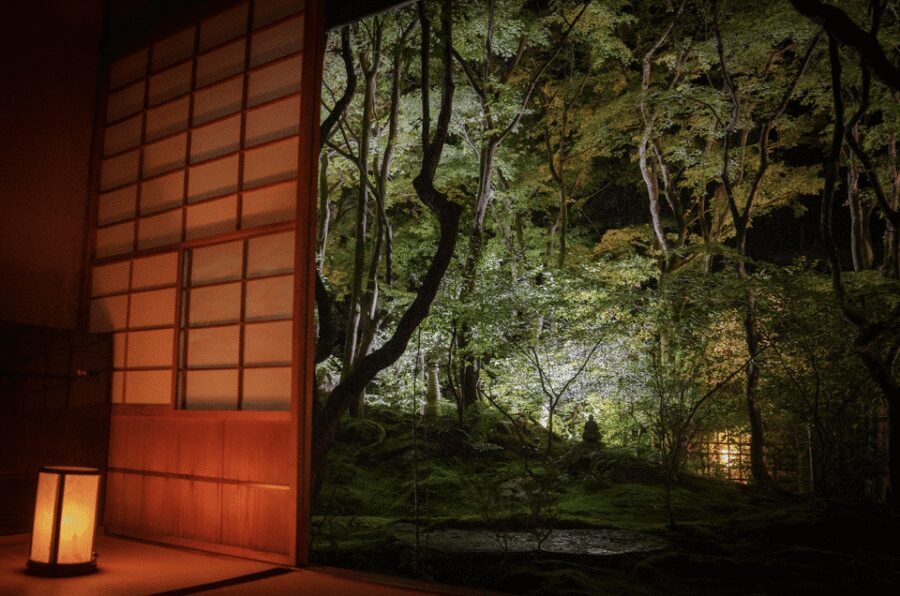
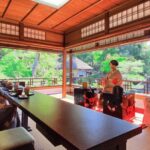
Now comes the part most people remember: sitting in candlelight at a hidden Kyoto temple. The candles don’t just look pretty. They change your body. Light flickers, shadows soften, and it’s harder to feel restless when everything in the room is inviting calm.
You practice Zazen after the talk, following the monk’s guidance. You’ll focus on seated meditation and the breathing rhythm you learned earlier. The goal is not to force emptiness. The goal is steadiness.
If you’re bringing kids or teens, this can be surprisingly workable. One group included adults and children aged 12 to 18, and everyone reportedly got something out of the session. That suggests the instruction is approachable rather than overly technical. Still, keep expectations realistic: it’s meditation. Some attention drifting is normal.
Photography is part of the experience, too—but with rules: photos are allowed, flash is not. That means you can capture candlelight and the temple atmosphere, but you won’t blind the room or distract others. If you’re serious about photos, bring a phone with good low-light capability and keep your shutter discipline tight so you’re not constantly breaking your own focus.

The Tea Ceremony and Monk Discussion: Turning Calm Into Context
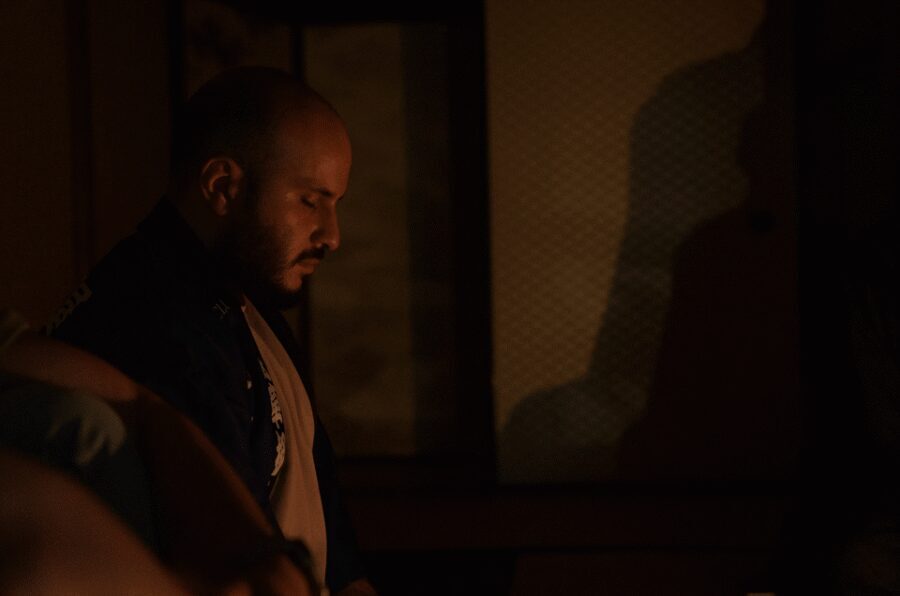
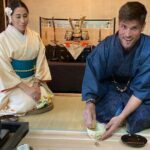
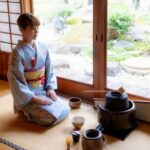
The session ends with a tea ceremony plus a discussion with the monk. This is a smart way to close. Meditation is internal, and many people leave feeling calm but unsure what to do with that feeling afterward. Tea and conversation give you a bridge between experience and understanding.
Tea ceremony here isn’t described as a long cultural performance. It’s part of the flow: you sit, you practice, then you come back into normal interaction in a respectful way. That shift helps you integrate what you felt during Zazen instead of losing it immediately to the next street in Kyoto.
The discussion part is also valuable because it lets you ask what you didn’t fully grasp in the lecture. Maybe you struggled with the breathing rhythm. Maybe you wondered what exactly the monk meant by ego and worldly concerns. A short conversation can turn “I sat there” into “I understand what to try next.”
Photography, Food Rules, and Small Etiquette Details
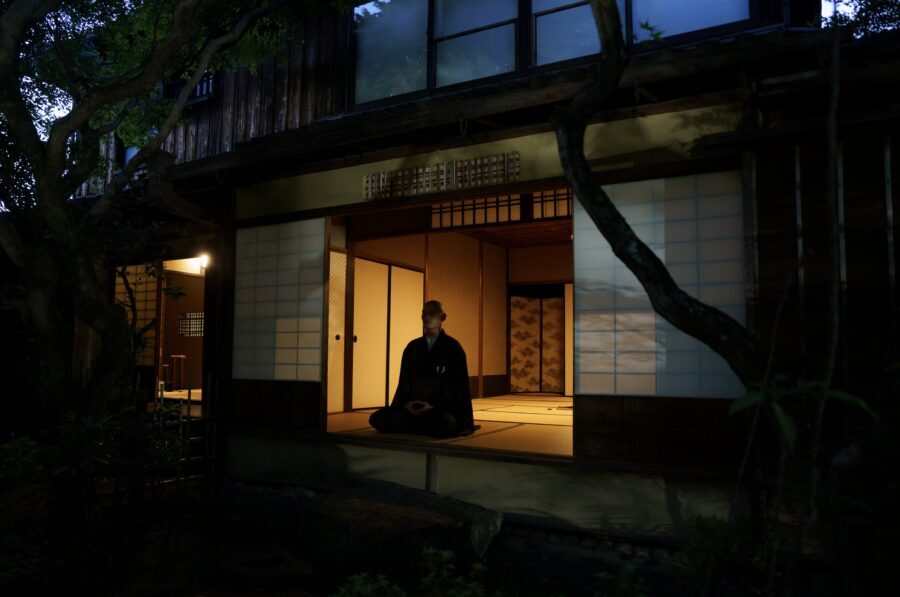
These rules are simple, but they affect how smooth the experience goes.
- Photography is allowed, but no flash
- Food and drinks are not allowed inside the temple
- The setting is calm by design, so move thoughtfully and keep your phone use quiet during practice
If you’re the type who likes to capture everything, plan your photos before practice begins. During meditation, treat your phone like it’s in a different room. You’ll enjoy the session more, and you’ll also get better photos later because you’ll be less frantic.
Group Size and Why Private Matters Here
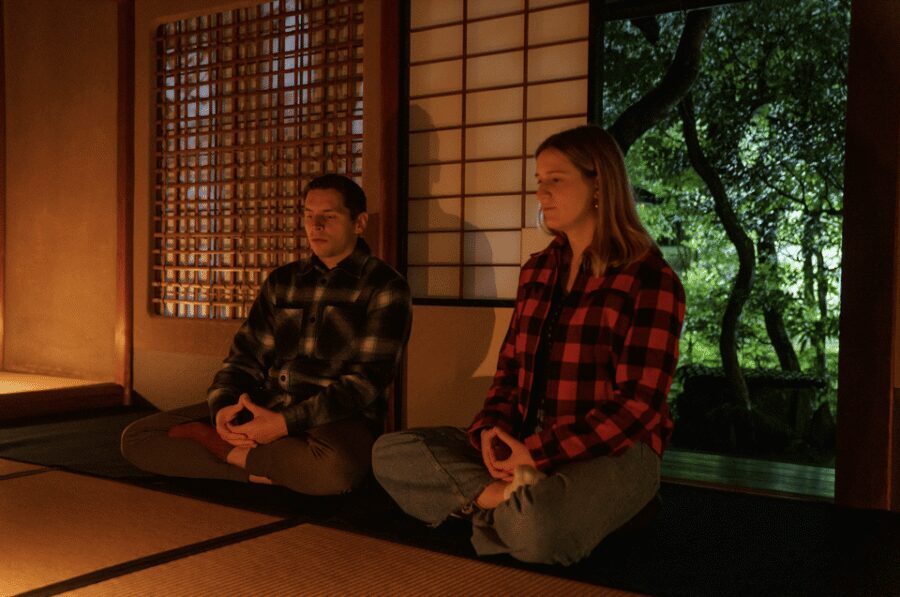
This is a private group with a price listed as $774 per group up to 9 people. That might sound steep if you’re thinking like a solo traveler.
But value isn’t just “per person cost.” The value here is:
- You get private access to a temple experience that isn’t open to the public
- You get monk instruction plus Zazen practice within that small group
- You avoid the big-public-tour energy
- You get the tea ceremony discussion, which tends to work better when everyone can settle in
If you’re traveling with family or friends, the math gets friendlier fast. It’s also a better format if you want your questions answered, because your group isn’t lost in a crowd.
A practical tip: since it’s priced by group size, try to fill the group responsibly. If you’re traveling solo, ask yourself if you’re okay paying for privacy. If you’re traveling with 3–6 people, this becomes much more compelling.
Who This Experience Is Best For
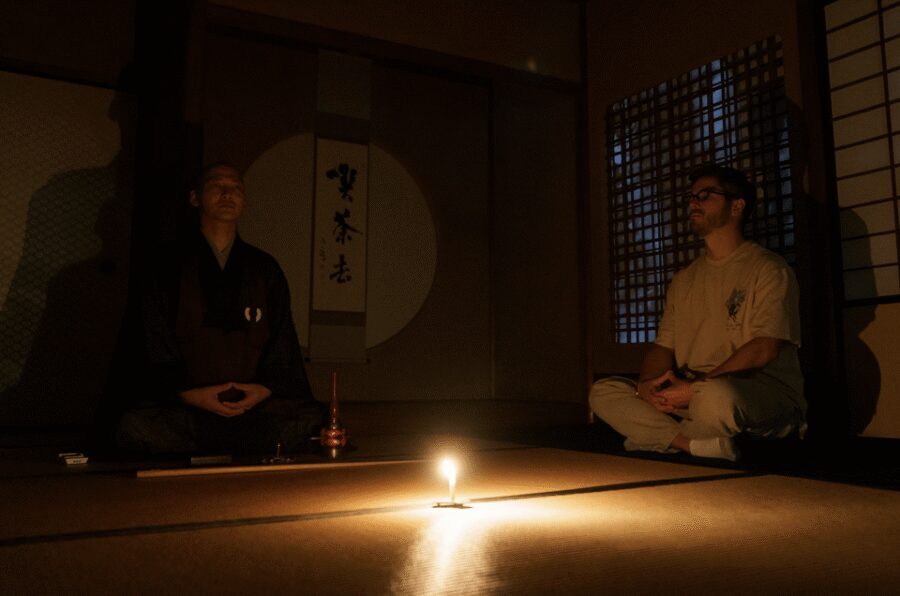
This tour fits best if you want calm with structure.
You’ll likely love it if:
- You’re curious about Zen and Zazen but want a guided explanation, not just a passive cultural visit
- You value a quieter, respectful experience over a crowded checklist of temples
- You want a monk-led moment that ends with tea and discussion, not only sitting in silence
- You’re comfortable following instructions in a temple setting (quiet voices, no flash, no food inside)
You might want to choose differently if:
- You expect a long meditation retreat (this is 70 minutes)
- You want lots of free roaming time around a major tourist temple complex
- You’re looking for a classic Kyoto photo tour with multiple stops
Price and Value: Does $774 Make Sense?
Let’s be honest: $774 per group (up to 9) is not a budget activity. But it’s priced like a guided, private, culturally specific access experience—not like an entry ticket.
The value you’re paying for includes:
- Temple entry and access to a space not open to the general public
- A monk lecture on Zazen principles and techniques
- Guided Zazen practice
- A closing tea ceremony and discussion
- The convenience of a separate entrance that helps you skip the line
If your travel style values “one meaningful thing done well,” this price can feel fair. If you’re chasing volume—lots of attractions per day—it’ll feel expensive. Think of it as a dedicated evening practice session that fits your Kyoto schedule like a reservation for your mind.
Should You Book Candlelit Zen at Kyoto’s Secret Temple?
I’d book it if you want a calmer Kyoto night with real instruction. The combination of candlelight setting, monk-led guidance, actual Zazen practice, and a tea ceremony discussion is exactly what makes this different from generic meditation demos.
Before you go, decide quickly whether you’re in the right mood: this is about listening, sitting, and breathing. If you can let your pace slow down for 70 minutes, you’ll likely leave feeling like you gained something practical—not just a nice photo.
If you’re traveling with others, it’s also an easier yes. Private groups reduce the “I can’t hear the guide” problem and make questions feel natural.
FAQ
How long is the Candlelit Zen experience?
The experience lasts 70 minutes, and evening timing is part of the setup.
What is included in the session?
It includes the Zen experience, temple entry, a monk lecture on meditation principles and techniques, and Zazen practice.
Is hotel pickup included?
No. Hotel pickup and drop-off are not included, so you’ll need to handle getting to the meeting point yourself.
Where do I meet the guide?
Meet at the toilet at Kodaiji Park, with the guide waiting on the northern side of the toilet.
Can I take photos during the temple visit?
Yes, photography is allowed, but flash photography is not.
Is there food or drinks allowed inside the temple?
No. Food and drinks are not allowed inside the temple.
What is the group size and privacy style?
This is a private group, priced per group up to 9 people.