Kyoto can feel overwhelming fast. This full-day group tour keeps you moving through the city’s most meaningful sights with an expert local guide and a small group. You start with the iconic Fushimi Inari-taisha Shrine and work your way through classic Higashiyama streets toward Gion, plus a couple of bonus neighborhoods that help the day feel like more than checkboxes.
I especially love how the walking route mixes the big-name highlights with slower, story-driven stops. In the best case, you’ll get a guide like Paren or Rianne—both mentioned in past groups as excellent at making Kyoto understandable, not just photogenic—plus practical tips that help you feel confident navigating the day and even Japan’s train basics.
One watch-out: the tour price doesn’t cover everything. Kiyomizudera Temple has an extra admission fee, public transportation is an additional cost, and lunch isn’t included—so you’ll want a bit of cash for the small add-ons and a plan for where to eat.
In This Review
- Key Highlights Worth Noting
- Why This Kyoto Tour Feels More Helpful Than Just Sightseeing
- Getting Oriented: Meeting Point, Timing, and How the Day Is Set Up
- Stop 1: Fushimi Inari-taisha and the Torii Story Behind the View
- Stop 2: Kiyomizu-dera Temple and How to Plan for the Ticket
- Stop 3: Sannenzaka and Ninenzaka Old Streets Without the Rush
- Stop 4: Gion’s Traditional Streets and Geisha-District Atmosphere
- Stop 5: Yasaka Shrine (Gion Shrine) and the Festival Connection
- Stop 6: Pontocho’s Riverside Alley Mood and Evening-Ready Streets
- Stop 7: Kyoto Sanjo Shopping Street for a Final Ease-Out
- Price and Value: Is $74.93 a Good Deal?
- Who This Tour Is For (and Who Might Want Another Plan)
- Should You Book This Full-Day Kyoto Tour?
- FAQ
- How long is the Kyoto full-day group tour?
- Where do we meet and what time does it start?
- What’s included in the tour price?
- Is lunch included?
- Are temple or attraction entrance fees included?
- Do I need to pay for public transportation during the tour?
- What if the tour can’t run due to weather or low participation?
Key Highlights Worth Noting
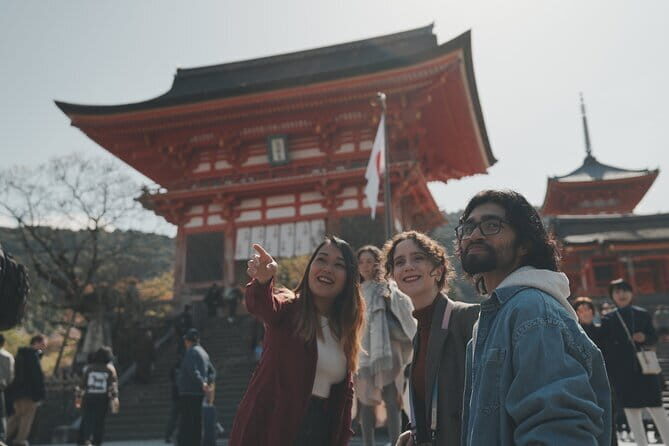
- Small group, max 10 travelers: better questions and less waiting around.
- Mobile ticket: less fuss on the day.
- Fushimi Inari-taisha, Kiyomizu-dera, Gion, Yasaka Shrine, Pontocho: a strong Kyoto sampler in 6 hours.
- Street time in Sannenzaka and Ninenzaka: you get the old-street feel without rushing.
- Two add-on costs to budget: Kiyomizudera admission and public transit.
Why This Kyoto Tour Feels More Helpful Than Just Sightseeing
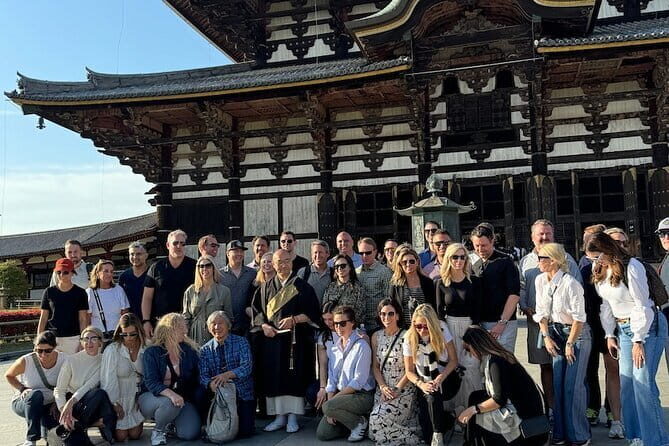
If you’re short on time—or you’re the type who wants a plan but hates planning—this tour hits a sweet spot. Kyoto’s sights are famous for a reason, but reaching them and timing them well can take energy. Here, your guide handles the flow, so you can focus on what you’re seeing and why it matters.
What makes it work is that you’re not only visiting monuments. You’re also walking through the neighborhoods that made Kyoto Kyoto: old lanes, shrine grounds, and streets where daily life still shapes the atmosphere. That matters because Kyoto is as much about setting and rhythm as it is about temples.
Also, the group stays small (up to 10). That means it’s easier to hear explanations, ask questions, and keep your timing without feeling like you’re stuck behind a larger crowd. If you learn visually, you’ll also appreciate how stops are spaced for photos and short walks between points.
Other guided tours in Kyoto


Getting Oriented: Meeting Point, Timing, and How the Day Is Set Up
You meet at a Lawson near Kyoto Station (Lawson Kyoto Station Front Store, Higashishiokōjichō). Start time is 10:00 am, and the tour runs about 6 hours. You end at Kyoto Sanjo Shopping Street, so the day naturally finishes in a place where you can keep exploring or grab food afterward.
The day includes both walking and some public transportation between areas, with a set cost listed as $5 per person. That’s a good thing. Kyoto isn’t designed for one long “walk everywhere” day for most visitors, and using transit at the right moments saves your legs for the most important on-foot sections.
You’ll also use a mobile ticket, which helps on arrival days when you’re juggling photos, transit cards, and getting oriented. In practice, it means you spend less time sorting paperwork and more time getting started.
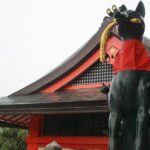
Stop 1: Fushimi Inari-taisha and the Torii Story Behind the View
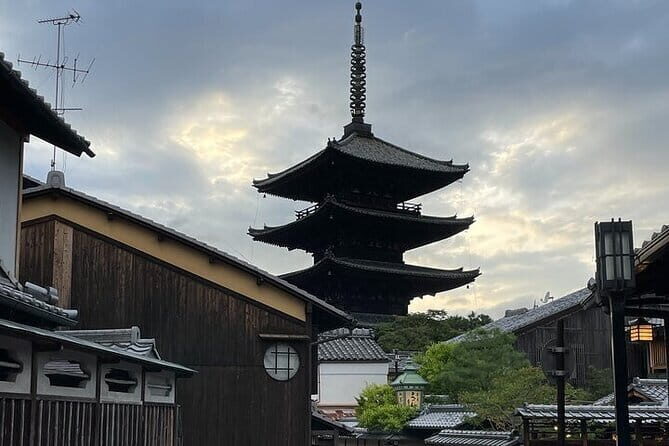
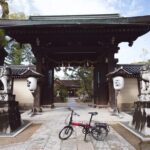
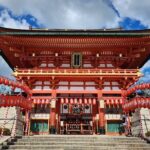
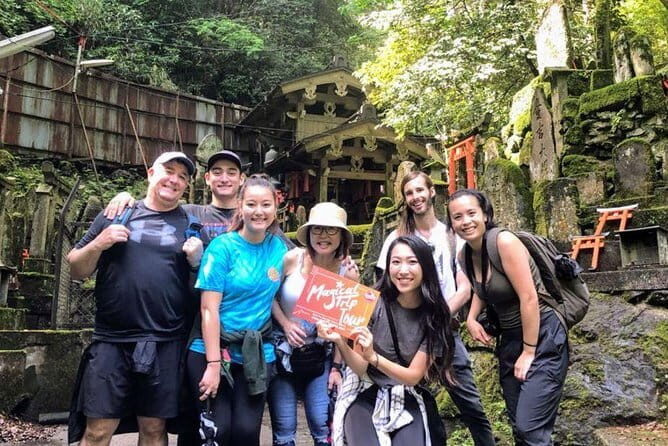
Fushimi Inari-taisha is the obvious headline: vermillion-red torii gates, famous for the tunnel effect. But the best part of going with a guide is getting beyond the photo. You’ll hear connections to Japanese history and how the shrine fits into the wider cultural picture.
This stop runs about 1 hour, and it’s scheduled first for a reason. Going early helps you experience the place with less scramble, and it’s easier to take in the details—stone pathways, shrine structures, and the way the gates mark movement through sacred space.
What you should do at this stop:
- Take a few minutes just looking before you push deeper.
- Walk at your own pace, but follow your guide’s timing so you’re not separated.
- If you want photos without racing, stay near key sightlines first, then move onward.
One possible drawback: Fushimi Inari is popular. Even with a guide, you may still share space with other visitors. The upside is that your guide can help you spend time where it feels meaningful, not just where it’s most crowded.
Stop 2: Kiyomizu-dera Temple and How to Plan for the Ticket
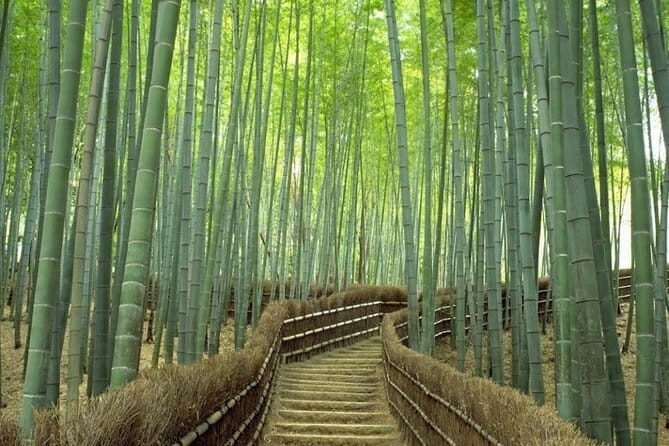
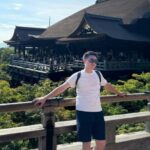
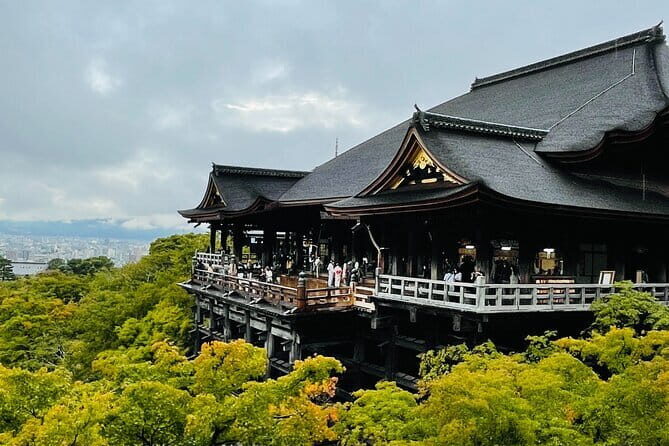
Next is Kiyomizu-dera, a World Heritage Site and one of Kyoto’s most famous temples. This stop also runs about 1 hour, and you’ll explore the temple grounds with your guide, including the well-known balcony views.
Here’s the key practical detail: admission is not included. The listed entrance fee is $3 per person. That’s not a huge amount, but it’s still an expense you should budget for if you’re treating the tour price as all-in.
Why this stop is worth it:
- The main draw is the viewpoints. You get perspective over the surroundings, and the balcony is a classic reason people come.
- The guide can help you notice features that most people skip when they rush for photos.
Potential drawback: Kiyomizu-dera areas can get busy during peak hours. Since this tour is a fixed schedule, you’ll be following their time window rather than choosing your own. The upside is that the guide has a plan for when to be where.
Stop 3: Sannenzaka and Ninenzaka Old Streets Without the Rush
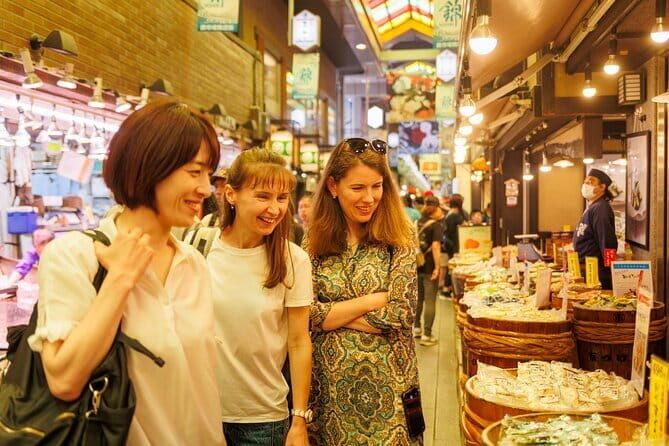
After the temple, the tour switches gears toward Kyoto’s old-street atmosphere. Sannenzaka and Ninenzaka are gently sloping lanes in the Higashiyama area, known for preserved traditional streetscapes and the feeling of stepping back in time.
This stop is about 30 minutes, which is the right amount for walking, quick photos, and browsing small shops without turning the day into a shopping marathon. You can soak up the architecture, the stone steps, and the preserved lane character. If you like small craft stores or snacks, this is often where you’ll want to slow down.
What to watch for:
- The lanes can be busy, especially when tours overlap.
- Shoes matter. The ground is uneven in places, and you’ll be walking after earlier stops.
This short street break is a nice balance between major temples and the more neighborhood feeling you’ll get later around Gion and Pontocho.
A few more Kyoto tours and experiences worth a look


Stop 4: Gion’s Traditional Streets and Geisha-District Atmosphere
Then you reach Gion, Kyoto’s famous geisha district. This stop runs about 1 hour, and it’s more than a drive-by look at signs. The area has preserved wooden machiya houses and is closely tied to Kyoto’s traditional tea house culture, including geiko.
Gion is best experienced slowly, at human speed. With a guide, you’ll likely get helpful context that makes the neighborhood feel more grounded and less like a stage set. It’s also a good time to pay attention to how locals move, where foot traffic naturally gathers, and how streets change character from block to block.
Practical tip: if you want photos, aim for respectful angles and quiet moments. Gion is a working neighborhood, not a theme park.
Possible drawback: because the tour schedule includes Gion for a full hour, you might feel some pressure to keep moving even if you’d rather wander longer. If you’re the type who wants to linger, note where you’d return and use the rest of the day afterward.
Stop 5: Yasaka Shrine (Gion Shrine) and the Festival Connection
After Gion, you visit Yasaka Shrine, also known as Gion Shrine. This stop is about 30 minutes and is listed as known for vivid vermillion gates and a spiritual ambiance.
A standout detail here is the connection to Gion Matsuri, one of Kyoto’s best-known festivals. The shrine is described as serving as a heart of that festival, which gives the visit a bigger meaning than just another red-gate stop.
What you’ll feel at Yasaka Shrine is the shift from streets to sacred space. It’s a quick reset during the day—good for photos, but also a moment to slow your pace and absorb the atmosphere.
Possible drawback: since it’s only half an hour, it’s not the moment for long meditation. It’s a guided introduction. If you want a deeper shrine experience, you’ll need to return later on your own.
Stop 6: Pontocho’s Riverside Alley Mood and Evening-Ready Streets
Next up is Pontocho District, a narrow alley along the Kamogawa River known for traditional charm and lots of food and drink options. This stop is about 30 minutes, and it’s a smart addition because it shows Kyoto’s everyday social life, not just temples.
Pontocho is the kind of place where the atmosphere changes by time of day. Even if you’re there before the night peak, you’ll see why people love it after dark—because the alley format naturally creates mood.
What to do here:
- Walk a few sections, then stop and look back down the alley to understand the layout.
- If you’re thinking ahead, use this time to spot a restaurant style you’d like later.
Potential drawback: because it’s a short stop, you might not get to try food during the tour. That’s normal here—the tour doesn’t include lunch—so you’ll be relying on your own plans outside the group route.
Stop 7: Kyoto Sanjo Shopping Street for a Final Ease-Out
The tour ends at Kyoto Sanjo Shopping Street, a covered arcade filled with a mix of modern convenience and nostalgic charm. This final stop is about 30 minutes, and it’s a great way to close the day because it gives you options immediately: snacks, crafts, practical items, and a place to keep walking without a formal itinerary.
Also, because you’re ending here, it makes it easier to go straight to your next activity instead of needing to travel far to find dinner or a convenience stop.
If you’re the kind of traveler who likes one last “sight + snack + gift” loop, Sanjo is a solid ending.
Price and Value: Is $74.93 a Good Deal?
At $74.93 per person, this tour sits in the category of paid guidance you book when you want to save planning time and reduce stress. The good news: you’re not paying for only one major attraction. You’re getting a guided route through multiple major Kyoto areas in about 6 hours, with a small-group cap of 10.
The two costs to budget for are:
- Kiyomizu-dera admission: $3 per person (not included)
- Public transportation: $5 per person (not included)
Lunch is also not included.
So if you’re budgeting all-in, you should expect the base tour price plus those add-ons. Still, that can be good value if you’d otherwise spend the same time figuring out transit routes, ticketing, and best order of stops. A guide turns Kyoto into something you can actually manage in one day.
One more value point from past guide experience: guides like Paren are praised not just for temple facts, but for practical help like how to handle train tickets and how to identify platforms. Even when you’re not buying anything during the tour, that kind of guidance can make the rest of your trip smoother.
Who This Tour Is For (and Who Might Want Another Plan)
I think this tour is a great fit if:
- You’re visiting Kyoto for the first time and want a guided hit list with context.
- You prefer small groups and clearer explanations instead of solo wandering.
- You want structure for a single day, with the freedom to keep exploring after you finish at Sanjo.
I’d be a bit more cautious if:
- You hate walking. It’s a walking-focused day across multiple districts.
- You want total freedom to linger longer at only one temple or one neighborhood. This is a paced route, and you’ll move on when it’s time.
If you like learning how neighborhoods connect—shrines, streets, and festival culture—this route gives you that “whole-city” feeling without requiring you to build a plan from scratch.
Should You Book This Full-Day Kyoto Tour?
Yes, I’d book it if your priority is a guided one-day Kyoto overview with strong stops like Fushimi Inari, Kiyomizu-dera, and Gion, plus street time in Sannenzaka/Ninenzaka and atmosphere in Pontocho. The small group size and English-speaking guide make it feel like more than a bus tour.
Skip it or look for another option if you want a fully self-directed day where you can set your own pacing at Kiyomizu-dera or spend extra time deep in the torii paths. Also, if you already have a tight budget and don’t want any extra costs, remember the tour has a couple of add-ons and lunch isn’t included.
FAQ
How long is the Kyoto full-day group tour?
It’s about 6 hours.
Where do we meet and what time does it start?
The meeting point is at Lawson Kyoto Station Front Store (843-2 Higashishiokōjichō, Shimogyo Ward). The start time is 10:00 am. The tour ends at Kyoto Sanjo Shopping Street (1-1 Imashinzaikenishichō, Nakagyo Ward).
What’s included in the tour price?
An English speaking guide and a walking tour of Kyoto highlights are included. You also receive a mobile ticket.
Is lunch included?
No, lunch is not included.
Are temple or attraction entrance fees included?
Kiyomizudera Temple entrance is not included and is listed at $3.00 per person. The other listed stops have free admission.
Do I need to pay for public transportation during the tour?
Public transportation is not included and is listed at $5.00 per person.
What if the tour can’t run due to weather or low participation?
The experience requires good weather. If it’s canceled due to poor weather, you’ll be offered a different date or a full refund. It also requires a minimum of 3 participants; if that minimum isn’t met, you’ll be able to enjoy a more private experience upon paying one extra person fee.