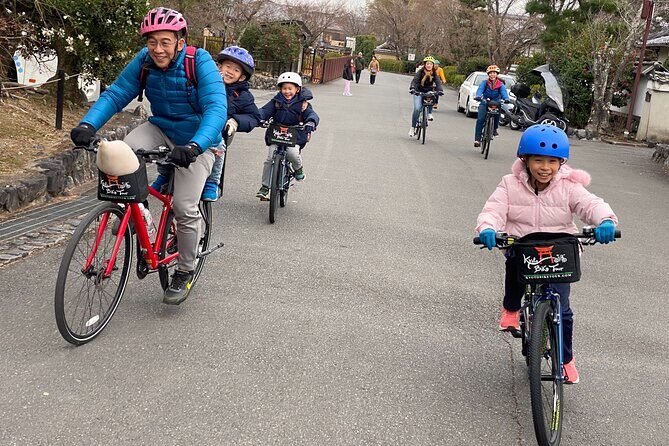
Kyoto on two wheels is a smart way to see more. This touring bike rental is built for freedom: pick up your bike, get a safety briefing and route ideas, then pedal at your own pace across Kyoto and onward through Kansai’s connected cycling corridors.
I love the combination of easy cycling infrastructure and the chance to move beyond just the famous center. You can follow smooth riverside paths linking the region and also weave into everyday local neighborhoods, which feels much more like real life than checklist tourism.
One thing to think about: the shop pickup point at Takeda Station may not be convenient if you’re staying far away, and it’s not a fit for everyone (no kids under 18, and it’s not suited for people with heart problems or pregnant travelers).
In This Review
- Key Highlights You’ll Actually Care About
- Why a Touring Bike Beats the Usual Kyoto Loop
- Getting Started at Takeda Station (and Why It Matters)
- The Bike Setup: Comfortable, Safe, and Actually Useable
- Your Ride Plan: Kyoto City Streets or Kansai Countryside
- The Riversides: Where Kyoto Turns Into a Ride
- Weaving Through Local Neighborhoods (Not Just Landmarks)
- Getting to Outlying Temples and Beyond
- Returning the Bike: Fast Wrap-Up, Quick Reset
- Price and Value: Is $28 Worth It?
- Who This Is Best For (and Who Should Skip It)
- Quick Practical Tips Before You Ride
- Should You Book This Bike Rental?
- FAQ
- Where do I meet for the bike rental?
- What’s included with the rental?
- Is food or drinks included?
- Do I get navigation apps or GPS?
- How much does it cost and how long is it?
- What should I bring?
- Are there any rules about alcohol or drugs?
- Who is this not suitable for?
Key Highlights You’ll Actually Care About
- Smooth riverside paths that help you travel farther without feeling like you’re fighting traffic
- Local neighborhood riding, so you see Kyoto as people live it, not only as it photographs
- Routes from friendly staff (names like Mayu, David, and Kana come up in feedback) that help you escape “where do we even go?” mode
- Bike setup that fits, with adjustments mentioned in feedback so you can ride comfortably
- Useful included gear like a helmet and lock, plus extra tools for a safer day
- Optional Kyoto or Kansai countryside choices, so your day can stay flexible
Why a Touring Bike Beats the Usual Kyoto Loop
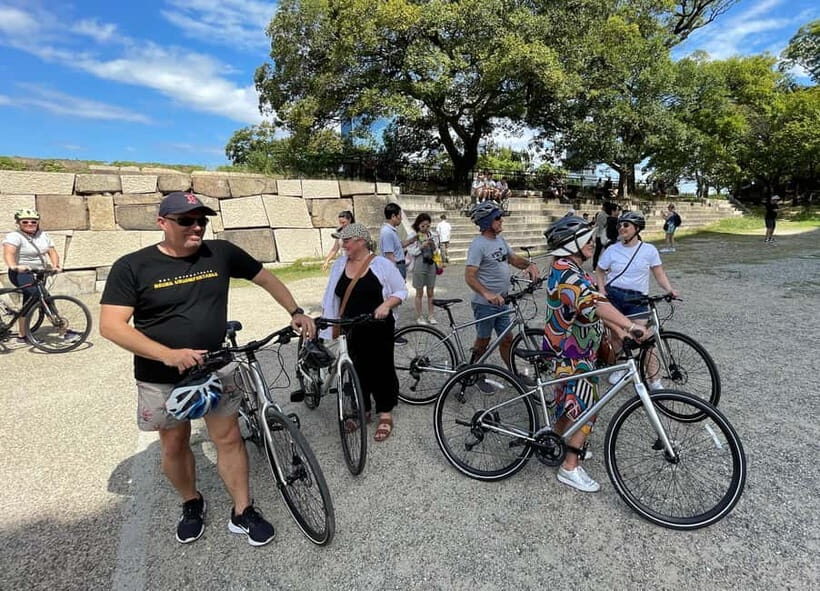
Kyoto is dense. The attractions are famous for a reason, but bouncing between them on foot or on crowded transport can turn a day into a blur of transit time. A touring bike changes the math. It gives you a bigger playing field: you can cover more ground, switch plans on the fly, and still enjoy the city rhythm at a human speed.
I also like that this isn’t sold as a guided “stay in a line” experience. You get direction up front—a safety briefing and route recommendations—then you own the ride. That matters because Kyoto is one of those places where weather, energy, and interests can change hour by hour. One moment you might want Kyoto city streets; the next, you might want to push outward toward quieter countryside and temples.
The final win is value. At $28 per person for a 1-day rental, you’re not just paying for a bike. You’re getting practical basics included (helmet, lock, other helpful tools), plus the human part—people who know cycling and the area enough to point you toward routes that make sense.
Other cycling tours in Kyoto


Getting Started at Takeda Station (and Why It Matters)
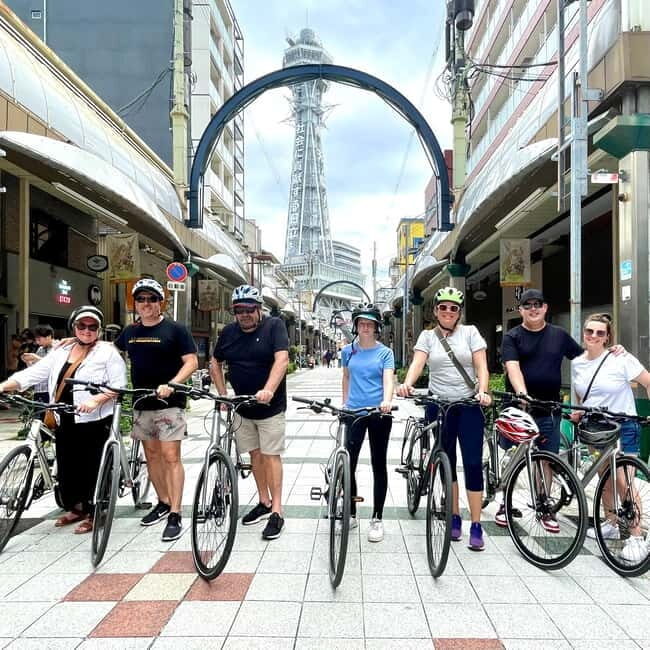
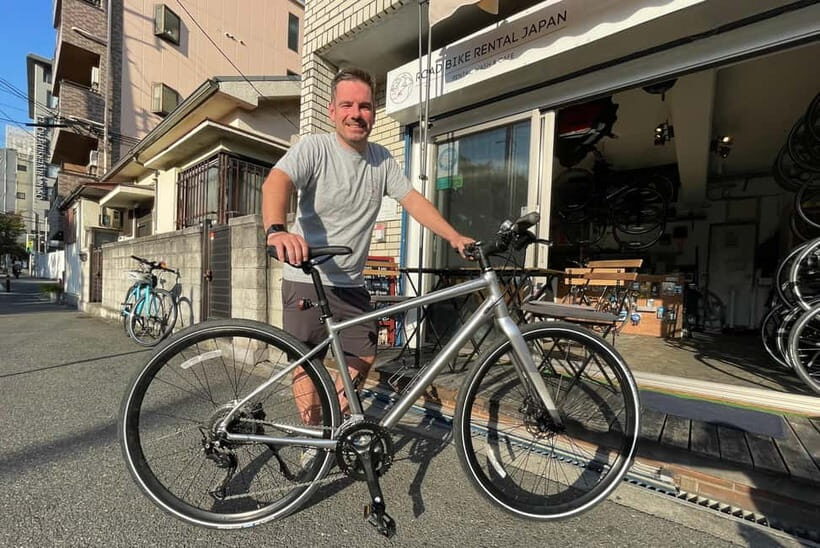
Your day begins at Takeda Station on the Kintestu Kyoto line. Exit from the south ticket gate, use the west exit (Exit 6), then walk straight and turn left. The rental shop is about 450 meters on the left.
Why I think this matters: Takeda Station is close to transit links, so you can start the ride without a long detour just to reach the bike. Still, location can be the tradeoff. One piece of feedback points out the spot isn’t convenient for everyone, so if you’re not planning your day around that area, you may want to check your route from your hotel.
When you arrive, expect a straightforward handoff: bike hire, a Japan cycling safety briefing, and local route recommendations. You’ll also be given what you need for the ride, including a helmet and lock.
The Bike Setup: Comfortable, Safe, and Actually Useable
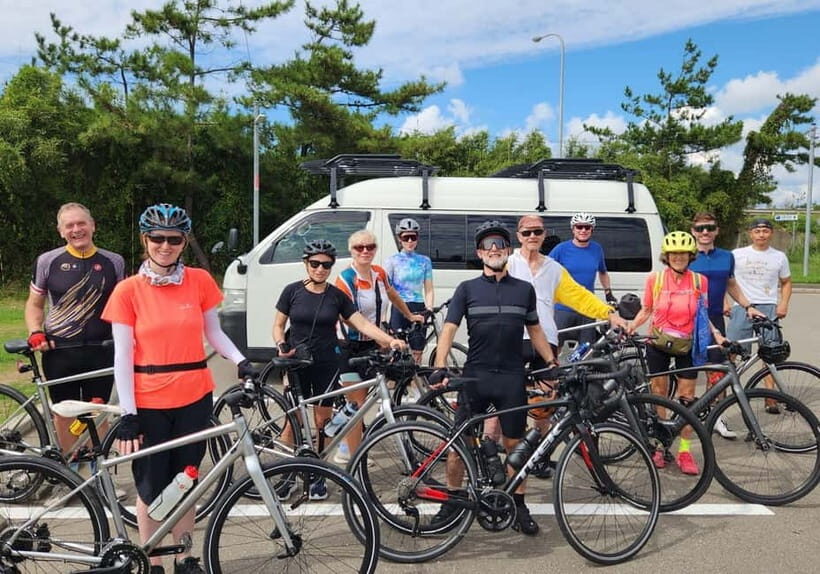
This rental includes a touring bike and the basics that keep a cycling day smooth. You get:
- A helmet
- A lock
- Other useful tools
- Route ideas from staff
In feedback, people specifically mention the bikes working perfectly and being adjusted to fit. That’s a big deal in Japan where distances can creep up on you. A well-fit bike reduces fatigue fast—especially if you’re planning to ride Kyoto streets and then continue onto longer cycling stretches.
Also: this is a touring-style bike, not a hardcore race setup. That usually means it’s more comfortable for mixed surfaces and city riding. The goal here is a relaxed day where you can stop when you want, not a workout you didn’t plan.
Your Ride Plan: Kyoto City Streets or Kansai Countryside
Here’s the fun part: the system is designed so you can pick your mood.
You can stay in Kyoto city and use the bike to connect multiple sights more efficiently. Or you can go beyond and aim for the Kansai countryside, which is where the “bigger-than-a-single-neighborhood” feeling really shows up.
What you’re riding through is the key:
- Riverside cycling paths that connect parts of Kansai
- Authentic local neighborhoods where the streets feel lived-in
- A mix of urban and semi-rural scenery depending on how far you decide to go
A practical note: because you’re not handed a navigation device, you’ll want your phone ready with maps or another way to navigate. The rental doesn’t include navigation apps & GPS, so plan to use whatever you already trust—Wi-Fi data or offline maps if you use them.
The Riversides: Where Kyoto Turns Into a Ride
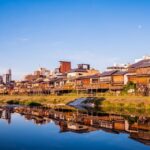
Kansai’s cycling network is the reason this experience feels like more than just “rent a bike and pedal around.” The highlighted feature is the smooth riverside cycling paths that help you connect the area.
Why riders usually love riverside routes:
- They often feel calmer than busy main roads
- The scenery changes steadily, so it doesn’t feel like you’re doing the same street twice
- It’s easier to keep a steady pace, which helps if you’re trying to cover “Kyoto + a bit more” in one day
The best approach is simple: start by using riverside segments to get comfortable with the bike, your speed, and your gear. Then, when you feel steady, branch off into neighborhoods and sights. It keeps the day from feeling like a single long sprint between points.


Weaving Through Local Neighborhoods (Not Just Landmarks)
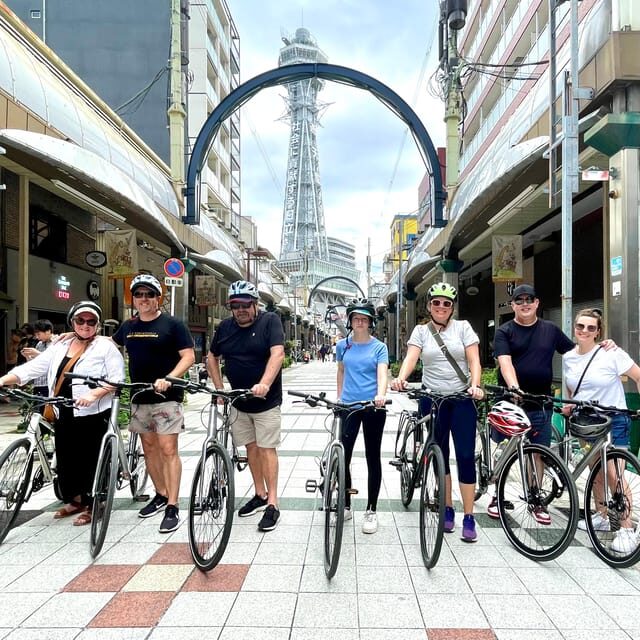
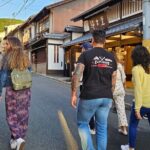
A bike lets you slip into places buses and walking tours often skip. One of the most praised parts of this experience is the ability to weave through authentic local neighborhoods.
This is where Kyoto feels less like a theme park and more like a real city. You’ll see the small street textures—shopfronts, residential lanes, quiet corners—without needing a long guided explanation. Even without specific named stops provided here, you’ll be riding through areas that are not only designed for tourists.
If you’re the type who likes to wander, this part is for you. If you only care about checklisted temples, you can still do that, but the “local life” experience is often what makes the day stick in your memory.
Getting to Outlying Temples and Beyond
Kyoto’s famous sights are close enough to reach easily, but the best day often includes at least a little distance—enough to feel like you changed zones.
Some of the feedback highlights the chance to visit temples outside the immediate area. That matches the broader promise: ride Kyoto or push into Kansai, then connect more in one day than you’d expect.
How to use this idea wisely:
- If you want a quieter vibe, go farther than you originally planned.
- If you want to stay comfortable, use the countryside time as an optional stretch rather than the whole day.
- Keep your day flexible so you don’t feel forced to do everything just because you rented the bike.
Because you get local route recommendations, staff direction can help you choose the right “distance level” for your comfort.
Returning the Bike: Fast Wrap-Up, Quick Reset
At the end of the day, you’ll bring the bike back to the same pickup location. One detail that stands out from feedback: staff provided refreshment after returning bikes.
That’s small, but it matters. Cycling is fun, until it isn’t—especially if you’re catching your breath, checking your phone, and trying to decide where to eat next. A quick reset makes the day feel complete, not just over.
Price and Value: Is $28 Worth It?
Let’s talk value plainly.
For $28 per person for one day, you’re getting:
- A touring bike
- Helmet and lock
- Safety briefing
- Local route recommendations
- Practical tools included
What you’re not getting:
- Hotel pickup/drop-off
- Food and drinks
- Navigation apps or GPS
So the value depends on how you travel. If you’re already good at navigating and you can reach Takeda Station without stress, this is a strong deal. You’re paying for a ready-to-ride setup plus guidance, which is what usually saves time in Kyoto.
If you need pickup, or you don’t want to handle navigation at all, then the “price” may not feel as attractive because you’ll have to solve the missing pieces yourself.
Who This Is Best For (and Who Should Skip It)
This rental is a great match for:
- Adults who want freedom more than a fixed tour structure
- People who like biking and want to see Kyoto plus extra Kansai area
- Travelers who enjoy local neighborhoods and riverside views
- Anyone comfortable planning their route with a phone since there’s no GPS device included
It’s not suitable for:
- Children under 18
- Pregnant women
- People with heart problems
- People who plan to ride after consuming alcohol or drugs (these are not allowed)
If you’re on the fence due to fitness level: a touring bike and riverside paths can be a comfortable way to explore, but you still need the stamina for a full day of cycling. Choose routes that match your energy.
Quick Practical Tips Before You Ride
Bring comfortable shoes and comfortable clothes. That sounds obvious, but in Kyoto—where you’ll likely stop often—comfort is what turns a ride into a good day.
Also:
- Plan for the fact that you’ll need a way to navigate without a provided GPS.
- Expect you’ll want to stop frequently for photos, small snacks, and side streets. Build that into your pacing.
- Keep a calm safety mindset. A helmet is included for a reason.
If you want your day to feel effortless, don’t over-pack the first hour. Get your rhythm, test your braking comfort, then start choosing which direction gives you the day you want.
Should You Book This Bike Rental?
I’d book it if you want Kyoto to feel like a ride, not a schedule. The smooth riverside cycling paths, the chance to hit local neighborhoods, and the practical included gear make this a smart way to cover more ground without sacrificing the human-scale experience.
I would think twice if Takeda Station is inconvenient for your hotel, or if you’re the kind of traveler who refuses to navigate without a device. Also, if you have health limits that make cycling risky, this one clearly isn’t the right choice.
If you fit the sweet spot—able to ride for a day, curious about both city and countryside, and ready to use your own navigation—this is one of those Kyoto experiences that tends to pay back immediately in how much you see and how much freedom you feel.
FAQ
Where do I meet for the bike rental?
Meet at Takeda Station on the Kintestu Kyoto line. Use the south ticket gate, take the west exit (Exit 6), then walk straight and turn left. The shop is about 450 meters on the left.
What’s included with the rental?
The rental includes the touring bike hire, a cycling in Japan safety briefing, and local route recommendations. A helmet and lock are also provided.
Is food or drinks included?
No. Food and drinks are not included.
Do I get navigation apps or GPS?
No. Navigation apps & GPS are not included.
How much does it cost and how long is it?
It costs $28 per person and lasts 1 day.
What should I bring?
Bring comfortable shoes and comfortable clothes.
Are there any rules about alcohol or drugs?
Yes. Alcohol and drugs are not allowed.
Who is this not suitable for?
It’s not suitable for children under 18, pregnant women, and people with heart problems.