Great ramen can be plant-based. This Arashiyama class aims at one goal: making vegan ramen taste like the best bowl you’ve ever had, not like a compromise. You’ll learn how to build depth with kombu, shiitake, and Kyoto vegetables, using a broth designed to satisfy even meat lovers.
I especially like the clear focus on real umami, not just labeling food as vegan. And I like that you cook and eat with the instructors in their home-kitchen setup, with step-by-step help in English.
One thing to consider: there’s a dog at the home, so if you have animal allergies you may want to skip this class. Also, if you have food allergies, you’ll need to tell them in advance.
In This Review
- Key highlights before you go
- Arashiyama’s vegan ramen with the real-ramen mission
- Kyoto home-kitchen energy: clean, organized, and friendly
- The broth lesson: kombu, shiitake, and Kyoto vegetables
- What you’ll cook: two broths and crispy gyoza
- Lunch or dinner: eating what you make in Arashiyama
- Gluten-free notes and allergy reality checks
- Price and value: what $65-ish buys you
- How this class fits into an Arashiyama day
- Who should book (and who should think twice)
- Book it or pass: my honest take
- FAQ
- FAQ
- Where does the class start?
- How long is the cooking class?
- Is this a private experience?
- What meals are included?
- Do they offer gluten-free options?
- Is the broth dashi-free?
- What ingredients are used for the broth?
- What’s included besides food?
- What should I know about allergies?
Key highlights before you go

- 100% plant-based and dashi-free broth, built from scratch
- Two types of ramen broth plus crispy gyoza you make yourself
- English-speaking instructor and recipe handouts to bring home
- You can book lunch or dinner, and you cook and eat on site
- Small-group, private experience that feels personal rather than rushed
Arashiyama’s vegan ramen with the real-ramen mission
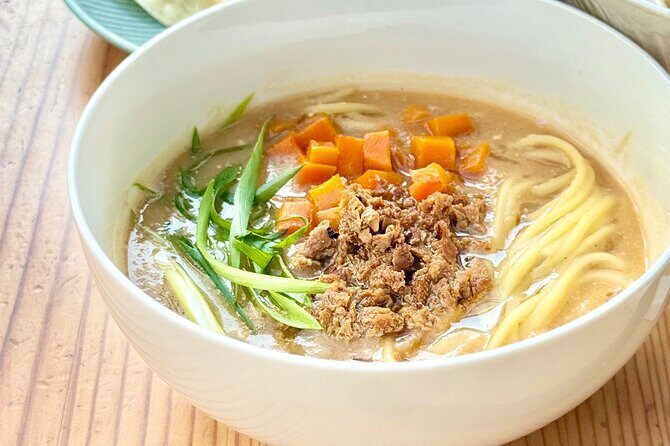
If you’ve ever tried plant-based ramen and felt it was… polite, this class is built to fight that. The instructors are up-front about the starting point: they’re not trying to prove vegan food is fine. They’re trying to prove ramen can hit the same emotional target as the classic meat-based versions.
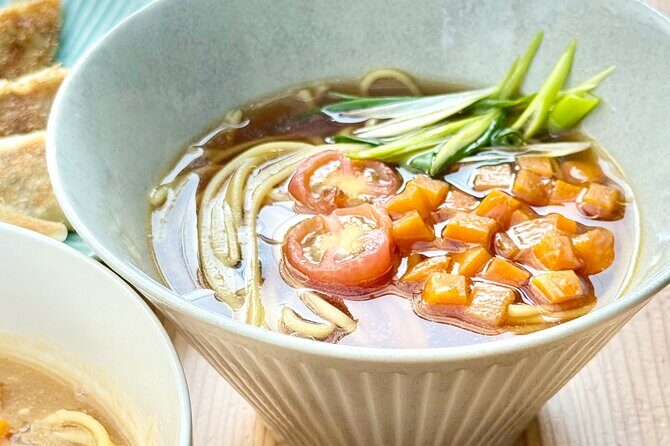
What makes it interesting is the technical choice behind the scenes. Instead of relying on standard stock shortcuts, they create a secret umami broth layered from scratch using kombu (kelp), shiitake, and fresh Kyoto vegetables. The result they aim for is richness comparable to tonkotsu-style depth, but in a fully plant-based way.
And I like the honesty of the promise. They don’t frame it as good for vegan food. They frame it as good ramen. That matters, because it sets expectations correctly: you should come hungry, ready to learn, and ready to taste something serious.
A few more Kyoto tours and experiences worth a look



Kyoto home-kitchen energy: clean, organized, and friendly
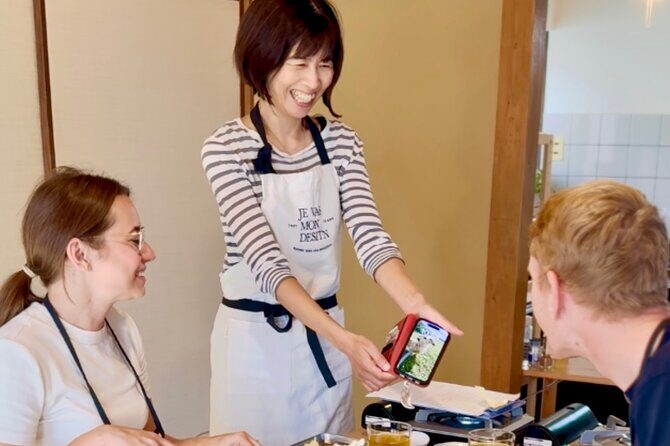
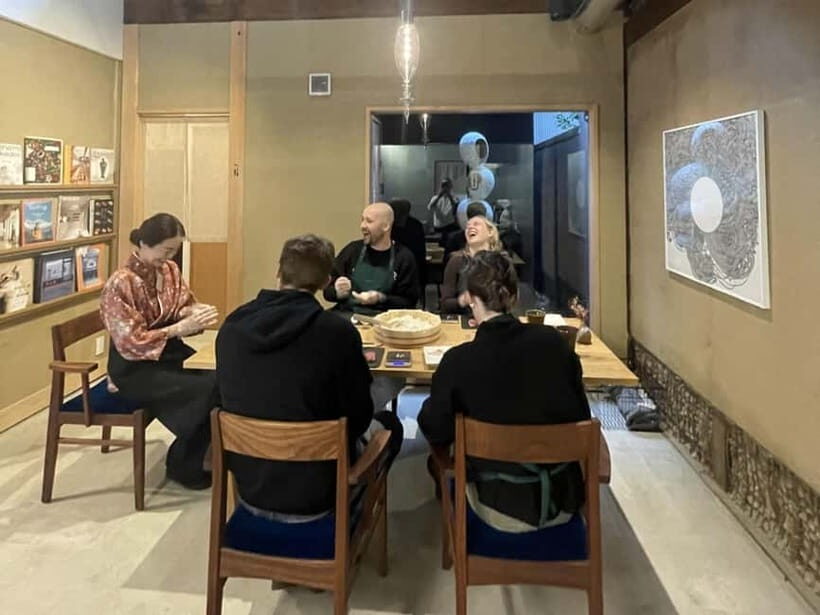
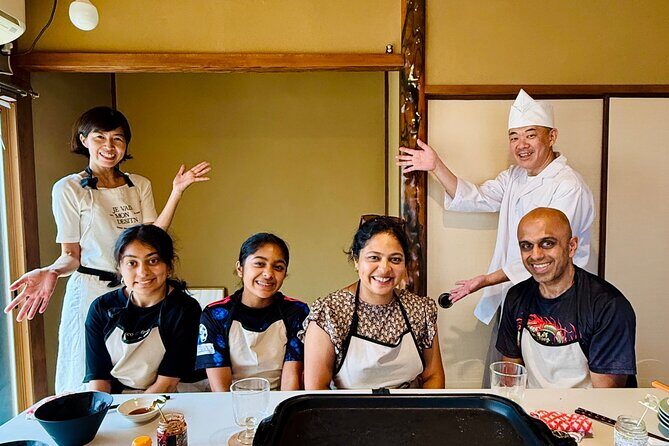
This isn’t a big, noisy food market stall class where you watch from a distance. You’re coming to a home-kitchen environment in Arashiyama, and the vibe is a big part of the value.
From the reviews, the experience lands as welcoming and organized, with clear instruction and a relaxed pace. That’s the sweet spot for a cooking class: not stiff, not chaotic. You should feel like you can ask questions without slowing everything down.
It also helps that the class is described as private, meaning it’s only your group. You’re not sharing bench space with strangers or turning your learning into a traffic jam. For a two-hour session, that privacy can make the difference between learning one technique and actually understanding the logic behind it.
Practical note: they provide aprons and towels and have water and tea freely available. You’ll want to show up ready to cook, and you won’t need to bring your own towel setup.
The broth lesson: kombu, shiitake, and Kyoto vegetables
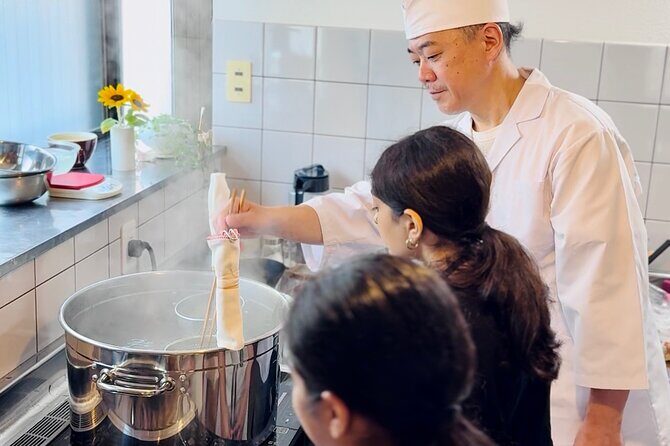
Here’s where the class earns its reputation. The broth is the heart of ramen, and this one has a specific identity: 100% plant-based and dashi-free. That’s a big deal if you’ve only seen vegan ramen built on dashi-style flavors.
They build flavor by layering:
- Kombu (kelp) for deep sea notes
- Shiitake for concentrated mushroom umami
- Fresh Kyoto vegetables for sweetness and balance
The goal is not just flavor, but texture and satisfaction. Good ramen broth doesn’t just taste salty. It coats the tongue and makes you want another sip before you even reach for noodles. That’s the kind of richness they’re aiming for with their layered approach.
Also, the class is teaching you as a skill, not just feeding you. The idea is that you’ll come away with enough understanding to recreate the broth at home, not just copy a single recipe. That’s one reason they include cooking recipes at the end.
If you’re the kind of person who reads ingredient lists and wonders about technique, this is where you’ll feel like you’re getting answers, not vibes.
What you’ll cook: two broths and crispy gyoza

The core menu for this class is straightforward, and that focus is good news for your time and attention.
You’ll make:
- Two types of ramen broth from scratch
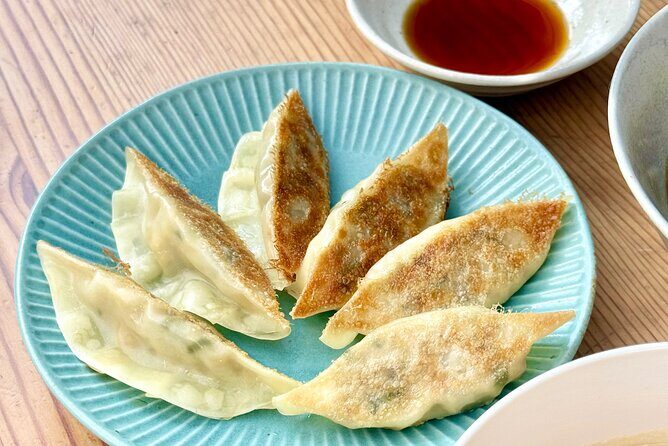
- Crispy gyoza
Why two broths? Because ramen flavor is a system. Broth style affects aroma, body, and how toppings behave. If you leave with only one base, you’ll struggle to adapt at home when you want a different mood—more savory, more rounded, more intense. Having two versions gives you a wider toolkit.
For the gyoza, the “crispy” detail matters. Gyoza can go soft fast if the pan technique is off. This class puts emphasis on making them from scratch, which usually means you’ll learn how to manage the dough and the filling handling, then how to cook them so you get that satisfying crunch without losing moisture inside.
From the reviews, the teaching style is praised as well organized with people able to ask details when they needed them. I take that as a sign the instructors explain the why behind the steps—not only what to do next.
And yes, there may be additional fundamentals covered depending on the session. One review notes learning core basics like cooking rice, miso soup, and tempura techniques as part of the broader instruction style. Even if those aren’t the headline, it tells you the kitchen teaching method is structured around fundamentals, not shortcuts.
Lunch or dinner: eating what you make in Arashiyama
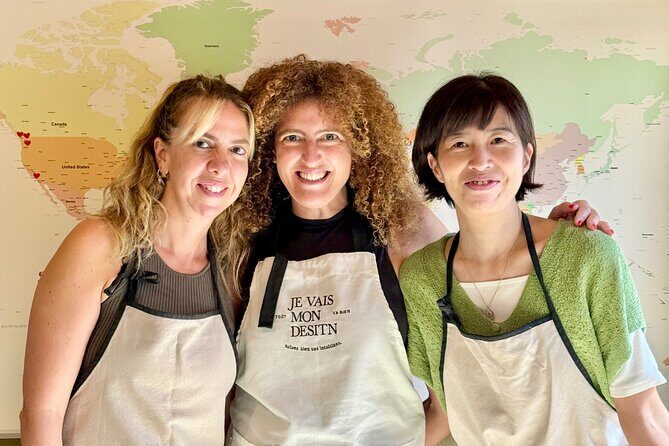
Timing matters in cooking classes. A two-hour block can feel either rushed or perfectly paced, depending on how the food is handled.
Here, you can choose lunch or dinner. Either way, the class includes a meal: you cook and eat with the instructors during your reservation. That’s a real value point. You’re not just leaving with ingredients in a bag and vague memories—you’re tasting the results while the flavors are fresh and the learning is still top-of-mind.
Also, since this is Arashiyama, you’ll be in one of Kyoto’s most walkable areas once you’re done. The class ends back at the meeting point, so it doesn’t strand you in an awkward middle zone.
What I like about the meal portion is that it reduces regret. If you’re worried the technique is too advanced or the taste might not click for you, you’ll know soon after you finish the hands-on steps. You can adjust your appreciation in real time.
A few more Kyoto tours and experiences worth a look






Gluten-free notes and allergy reality checks
The class includes a useful detail: gluten-free options available. That means you’re not automatically shut out if gluten is an issue. Still, you’ll want to confirm what’s gluten-free and what’s modified, especially if you have a serious intolerance.
On the allergy front, there’s a clear warning you should take seriously:
- There’s a dog at the home, and it’s not recommended for people with animal allergies.
- If you have food allergies, you should notify them in advance.
I appreciate that they say it plainly. In a kitchen setting, allergies aren’t just a checkbox. They affect how carefully ingredients can be handled and how comfortable you’ll feel while cooking.
If you fall into either category, it’s worth contacting the provider early so you can decide with confidence.
Price and value: what $65-ish buys you
$65.15 per person sounds like a splurge until you break down what you’re actually getting.
You’re paying for:
- A private, English-speaking instructor
- Ingredients and instruction to make two ramen broth bases plus gyoza
- On-site lunch or dinner as part of the experience
- Recipes to take home
- Aprons, towels, water, and tea
At home, making ramen broth well takes time and attention—especially when you’re working from scratch and aiming for a specific umami result. This class compresses that learning curve into a two-hour session, and it also gives you feedback while you’re cooking.
That’s what you’re buying: shortcut to understanding, plus a meal you can evaluate immediately. The private format also boosts value because you’re not fighting for attention.
And the review themes back that up: people call it special, organized, and friendly. The kitchen experience matters as much as the food, especially if you’re the type who wants a story beyond photos.
How this class fits into an Arashiyama day
Arashiyama is packed with things to see, so planning helps. This class starts at Arashiyama Station, near public transportation, and you’ll finish back at the meeting point.
That makes it easy to slot between sightseeing blocks. For example, you can do a morning or afternoon walk, then come in for your meal-making window, and head back out without the stress of long transfers.
Duration is about 2 hours, so you should treat it like a solid anchor event. If you’re trying to cram it between a bunch of other timed activities, you may feel rushed. If you treat it as the main event, you’ll enjoy it more.
Also, since it’s a private activity and you’ll be cooking, you’ll want comfortable shoes. You’re not doing a museum tour.
Who should book (and who should think twice)
This class is a strong match if you:
- Want vegan ramen that targets real umami, not a bland bowl
- Like cooking classes with step-by-step instruction
- Prefer learning from an English-speaking guide rather than figuring everything out on your own
- Care about take-home skills, since recipes are provided
It might be less ideal if:
- You have animal allergies, due to the dog on site
- You have significant allergies and can’t reliably disclose them in advance
- You don’t enjoy hands-on cooking and want mostly a tasting-only experience
One more subtle point: the instructors say they’re not vegans. That’s not a contradiction—it’s the reason the approach works. They’re food-first people trying to do ramen right, using plant ingredients to reach the same end goal.
Book it or pass: my honest take
I’d book this if your trip includes Kyoto and you want a cooking experience that’s more skill than performance. The class looks like it’s built around technique—dashi-free, plant-based broth, layered umami, plus actual cooking practice for ramen and gyoza. That combination is rare.
I’d hold off if allergies are a concern, or if you know you can’t handle the dog-at-home environment. For everyone else, it’s a high-satisfaction format: private, organized, English help, recipes to bring home, and a meal you get to eat right after you cook it.
If you’re on the fence, the deciding factor for me would be this: you want to learn how to make ramen broth that tastes like ramen. If that’s you, this class fits.
FAQ
FAQ
Where does the class start?
It starts at Arashiyama Station and ends back at the same meeting point.
How long is the cooking class?
The duration is about 2 hours.
Is this a private experience?
Yes. It’s a private tour/activity, so only your group participates.
What meals are included?
The class includes lunch for lunch reservations or dinner for evening reservations, and you cook and eat with the instructors either way.
Do they offer gluten-free options?
Yes, gluten-free options are available.
Is the broth dashi-free?
Yes. The broth is described as 100% dashi-free and plant-based.
What ingredients are used for the broth?
The umami broth is built using kombu, shiitake, and fresh Kyoto vegetables.
What’s included besides food?
You get English-speaking instruction, aprons and towels, water and tea, and cooking recipes.
What should I know about allergies?
There is a dog in the home, so it may not be suitable for animal allergies. If you have food allergies, you should tell them in advance.