A quiet little workshop can change your whole travel mood. This one gives you a DIY kaiseki-level Kyoto vibe in just 30 minutes: make a sand Zen garden, then taste matcha and seasonal sweets in the back of a pottery shop housed in a renovated 100-year-old townhouse.
I especially like two things: you’re actually creating the kare-sansui Zen garden (not just watching it), and the tea moment is legit, with matcha from Ippodo plus seasonal wagashi from Senbon Tamajushuken. The location also helps—this shop sits in a neighborhood where you can wander into traditional home goods and antiques after you finish.
One possible drawback: the instruction is light and the garden time is short, so if you want lots of step-by-step guidance, this may feel more free-form than formal.
In This Review
- Key highlights before you go
- A 30-minute Zen moment in a renovated machiya pottery shop
- Where to find Ninshu (and why the area is a plus)
- Making your karesansui Zen garden (what you’re actually doing)
- Matcha from Ippodo and wagashi from Senbon Tamajushuken
- Pottery in the shop: what makes buying a souvenir worth it
- What the 8-person group size changes
- Price and value: why $12 makes sense for what you get
- Who should book this Kyoto Zen and matcha workshop
- Practical tips so your Zen garden looks good (and feels good)
- Should you book this Zen garden and matcha pottery shop experience?
- FAQ
- How long is the Kyoto Zen garden and matcha pottery shop experience?
- How big is the group?
- What do I do during the workshop?
- What matcha and sweets are included?
- Is there time for photos?
- Can I buy pottery at the shop?
- Where is the meeting point?
- How much does it cost?
- What’s the cancellation policy?
Key highlights before you go
- Create your own karesansui Zen garden using sand you rake and decorate
- Matcha from Ippodo paired with seasonal wagashi from Senbon Tamajushuken
- Renovated 100-year-old Kyoto townhouse (machiya) setting, tucked inside a small pottery shop
- Small group up to 8 people, so it feels personal without being long
- Pottery souvenirs you can buy that are dishwasher and microwave safe
A 30-minute Zen moment in a renovated machiya pottery shop
Kyoto has a million ways to look at calm. This experience takes that idea and turns it into something you make with your own hands. You start with sand and a small space that’s meant for attention—then you shift right into tasting matcha and sweets right in front of what you just created.
What I like about the format is that it doesn’t drag. Thirty minutes is short enough to fit between temple stops, and long enough that your hands are involved and your photos look like you did something real.
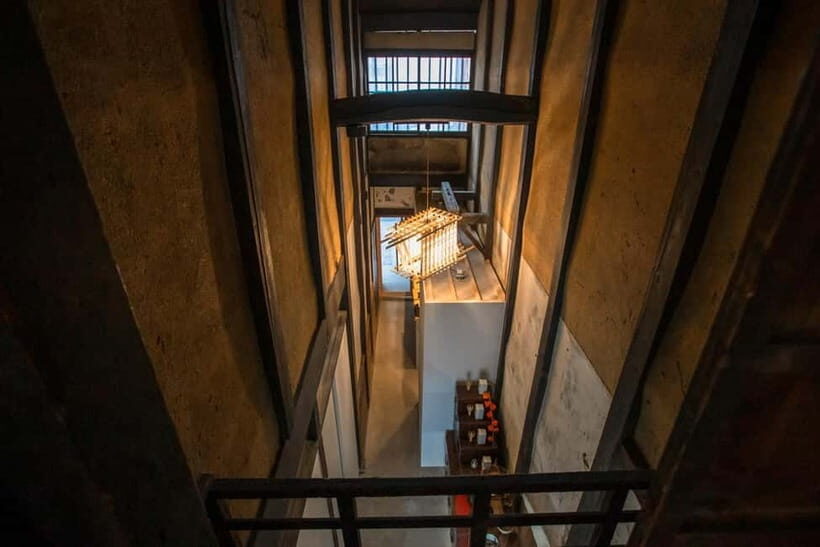
And yes, the setting matters. This workshop takes place in Ninshu, a renovated 100-year-old Kyoto townhouse, so you’re not sitting in a generic studio. You’re in a traditional machiya-style space that already feels like Kyoto before you even touch the sand.
A few more Kyoto tours and experiences worth a look

Where to find Ninshu (and why the area is a plus)
You’ll meet the shop at a walkable spot near the Kyoto Imperial Palace Park area. It’s about 2 minutes north from Ippodo and around 100 meters south from Kyoto Imperial Palace Park along Teramachi Dori.
If you’re coming from transit, it’s also roughly:
- 11 minutes on foot from Kyoto Shiyakusho-mae Station (Subway Tozai Line)
- 9 minutes on foot from Jingu-marutamachi Station (Keihan Main Line)
There’s even a set of coordinates if you want to plug it in: 35.0157879, 135.7673992. That’s handy when the streets get narrow and signage gets sneaky.
One more reason this matters: the shop is in a good walking zone for antiques and traditional home goods. So after your workshop, you can keep your momentum and browse, instead of heading straight back to your hotel.
Making your karesansui Zen garden (what you’re actually doing)
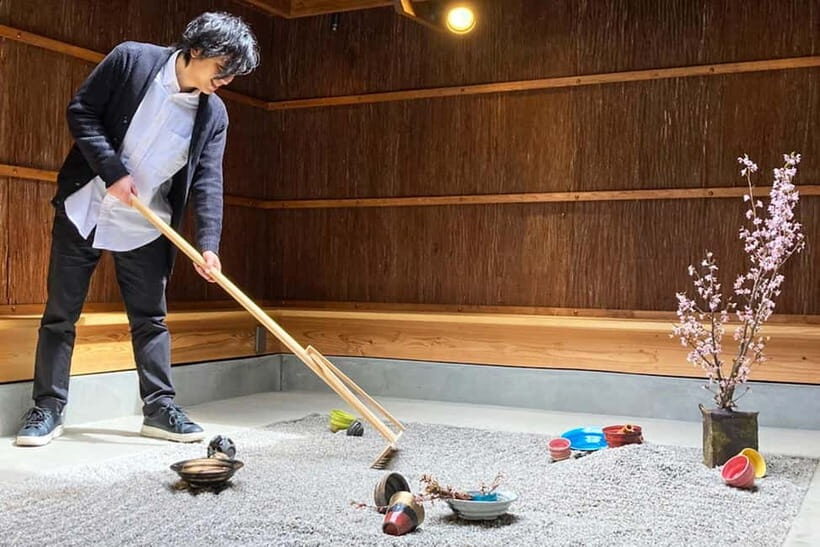
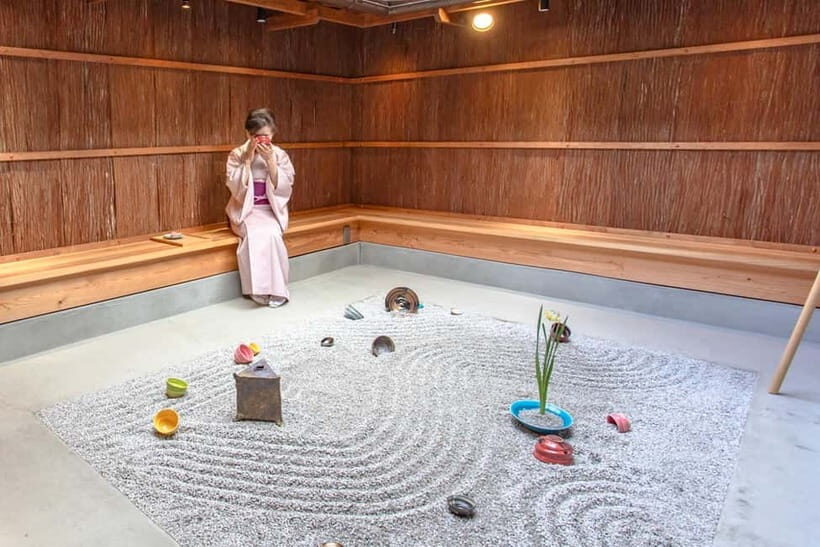
Here’s the key point: this isn’t the usual Zen garden experience where you just look at someone else’s work. You’ll create your own kare-sansui-style garden in the garden area at Ninshu’s shop.
You’ll rake and decorate the sand garden. One review described it as free-form, with not a ton of instruction. That sounds intimidating, but it’s also part of the charm: you’re not being graded on artistic correctness. You’re making texture, lines, and a simple composition that feels Zen to you.
Because the session is only 30 minutes, expect a fast rhythm:
- You’ll get enough direction to start shaping your sand garden.
- Then you’ll spend most of your time raking and arranging.
- You’ll finish with a chance to photograph yourself in front of your garden.
A practical consideration: if your group is decisive and quick, you can finish faster than you expect. That doesn’t mean it’s worse—just know you’re doing an experience, not a multi-stage art class.
Matcha from Ippodo and wagashi from Senbon Tamajushuken
Then comes the best reset button. You move from sand to tea.
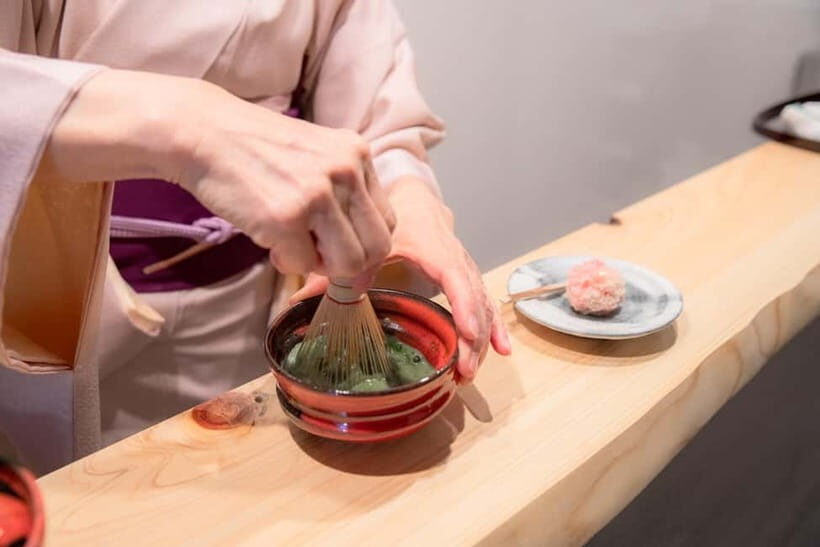
In front of your Zen garden, you’ll enjoy matcha from Ippodo, one of Kyoto’s best-known tea names. Alongside that, you’ll have seasonal wagashi from Senbon Tamajushuken. One review specifically called out mochi-cookie style sweets as part of the treat set, so you can expect something chewy and sweet rather than a light, plain snack.
Timing-wise, the tea part is built into the same short session. That’s great if you’re on a schedule. You’re not trying to find a café afterward. You’re already in the mood, already seated, already in the right place to taste what Kyoto feels like.
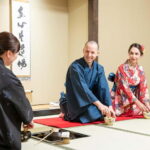
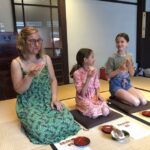
Also, this is one of those experiences where the photo moment actually makes sense. You can take pictures of yourself eating matcha and sweets right in front of the garden you made. It’s a small detail, but it turns the workshop from a standalone activity into a story you’ll remember.
Pottery in the shop: what makes buying a souvenir worth it
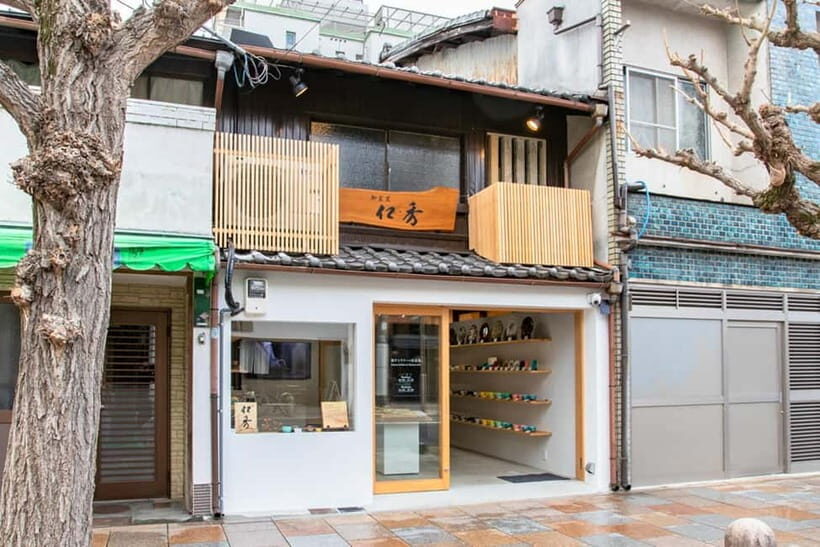
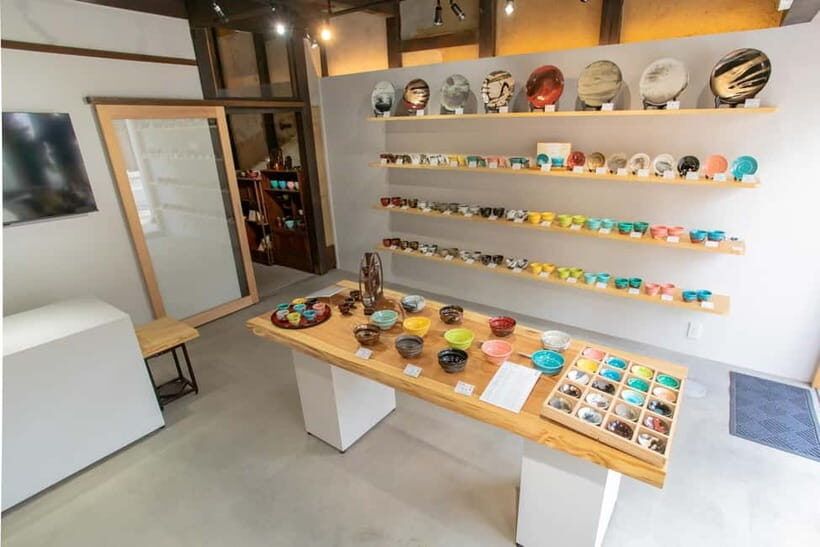
Ninshu is a pottery shop, so your Zen garden moment sits inside a bigger craft space. This is where you can shift from making art for yourself to buying functional art you can bring home.
You’ll be able to purchase handmade pottery in the store. The standout practical selling point: these pieces are dishwasher-safe and microwave-safe, which makes them much easier to live with if you actually use them at home, not just display them.
What I love about this angle is that it keeps the souvenir grounded. This isn’t a “buy because it’s cute” situation. It’s more like, if you want a Kyoto-style bowl or cup, you can pick something that won’t become a fragile museum piece.
And since the experience happens inside the shop, you can browse without feeling rushed right after a workshop. You’re already there, so the purchase can feel natural, not forced.
A few more Kyoto tours and experiences worth a look


What the 8-person group size changes
Small group is a big deal in Kyoto workshop experiences. Here, the limit is up to 8 participants.
That size tends to do two things:
- You get quicker help when you need it, especially for getting started with the garden.
- It doesn’t turn into a factory line where you watch someone’s instructions on repeat.
It also means the vibe stays calm. You’re not trying to think while standing behind ten people holding phones and sand bags. This one is built for a quieter pace.
Price and value: why $12 makes sense for what you get
At $12 per person, this is one of those deals that feels fair when you break it down.
Included in the price are:
- The experience cost
- The matcha and Japanese sweets fee
- Reservation and system fees
So you’re paying for a short workshop plus the tasting component. The matcha is from Ippodo, and the sweets come from Senbon Tamajushuken, which matters because tea-and-wagashi pricing in Kyoto can add up fast if you do it separately.
Now, the pottery isn’t included—you buy it if you want. But the workshop itself already covers the part most people come for: the Zen garden creation plus the tea-and-sweets moment. For a 30-minute stop, that’s good value.
Who should book this Kyoto Zen and matcha workshop
This workshop fits best if you want something hands-on but not exhausting.
You’ll likely enjoy it if:
- You want a short Kyoto activity that still feels authentic and cultural
- You like crafts that let you be creative without needing a background in art
- You’re a matcha person and want a Kyoto brand name experience (Ippodo)
- You want an excuse to take a few great photos in a traditional setting
It might not fit as well if you:
- Prefer long guided lessons with heavy structure and step-by-step detail
- Hate free-form activities where your final result depends on your own choices
- Are looking for a full-day craft immersion
It’s also a nice option for couples or small groups who want calm instead of a crowded scene.
Practical tips so your Zen garden looks good (and feels good)
Because instruction is intentionally light, you’ll get the best results by treating the garden like a mini practice, not a project you have to perfect.
Here are a few tips that match how the experience works:
- Start with broad lines. If you try to make everything tiny, you’ll feel rushed.
- Use the raking to create contrast. Smooth areas plus more textured streaks tends to read well in photos.
- Take a photo before you polish everything. Once you tweak too long, you can lose the moment you liked.
- Plan for tea after the sand. You’ll be handling food right after the creative part, so keep your hands in mind when you’re working.
And don’t overthink it. This workshop isn’t about producing a “perfect” temple garden. It’s about giving your brain a break and letting you make something simple with intention.
Should you book this Zen garden and matcha pottery shop experience?
If you’re choosing between another quick Kyoto stop and something hands-on, I’d lean toward this—especially for the combination of DIY Zen garden creation plus Ippodo matcha and Senbon Tamajushuken wagashi in a traditional machiya setting.
Book it if you want:
- A calm, creative break that fits into a busy sightseeing day
- A culturally specific experience that isn’t complicated to enjoy
- A souvenir browsing opportunity in the same place
Skip it if you want a detailed, step-by-step craft class or a long multi-hour immersion. This is short on purpose. The payoff is that you leave with tea in your cup, sweets in your stomach, and a small Kyoto story you made yourself.
FAQ
How long is the Kyoto Zen garden and matcha pottery shop experience?
It lasts 30 minutes.
How big is the group?
The group is limited to up to 8 participants.
What do I do during the workshop?
You create your own Zen garden (kare-sansui) in the shop’s garden area by raking and decorating the sand.
What matcha and sweets are included?
You get matcha from Ippodo and seasonal wagashi from Senbon Tamajushuken.
Is there time for photos?
Yes. You can take pictures of yourself eating the matcha and sweets in front of the Zen garden you made.
Can I buy pottery at the shop?
Yes. You can buy traditional handmade pottery as souvenirs, and the shop notes that the pottery is dishwasher-safe and microwave-safe.
Where is the meeting point?
Meet at a spot about 2 minutes north from Ippodo and 100 meters south from Kyoto Imperial Palace Park along Teramachi Dori. Coordinates are 35.0157879, 135.7673992.
How much does it cost?
The price is $12 per person.
What’s the cancellation policy?
Free cancellation is available if you cancel up to 24 hours in advance for a full refund.