Kyoto by boat is a gentle switch. On this private yakatabune cruise in Arashiyama, you get live shamisen music and up-close cultural chat from a former maiko, plus traditional games once played at geisha gatherings. The downside to plan around is that the boat can be canceled in bad weather or strong winds, even if it looks fine.
What makes it work is the flow: board by the riverside dock, glide upstream through seasonal views, and spend one calm hour trading normal sightseeing noise for music, stories, and play. If you want a Kyoto moment that feels quieter and more personal than the usual temple-and-bus loop, this is a strong pick.
In This Review
- Key things to know before you go
- Why a private yakatabune cruise in Arashiyama changes your Kyoto day
- Meet Kohaku and the former-maiko perspective you can’t fake
- Live shamisen on the river: music that fits the setting
- Ozashiki-asobi games: playful Kyoto tea-house culture, simplified
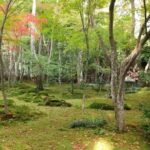
- River scenery and photo moments upstream in Arashiyama
- How long is it, and what’s the pacing really like?
- Who this cruise suits best (and who might want a different plan)
- Price and value: what $133 per person is buying you
- Weather, wind, and the one thing you must plan around
- Should you book this Kyoto private boat cruise?
- FAQ
- Is this a private boat cruise?
- How long is the experience?
- What’s included during the cruise?
- What language is the host able to speak?
- Can children join?
- What if the weather is bad?
- If the tour is canceled by the company, do I get a refund?
- What happens if I cancel my reservation?
- Is the experience wheelchair accessible?
Key things to know before you go
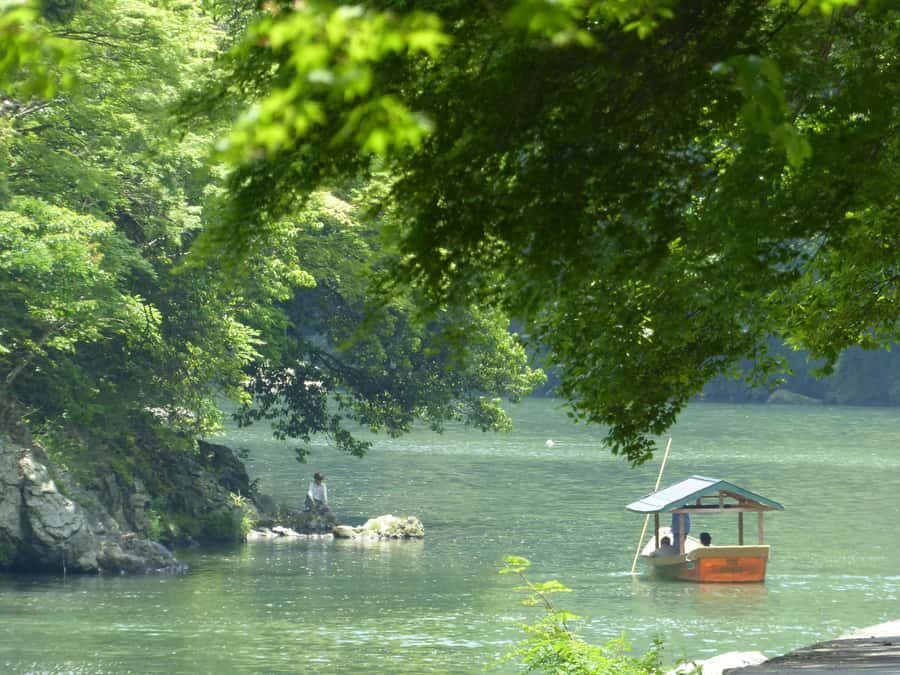
- Private yakatabune in Arashiyama means you’re not squeezed into a crowd on the water.
- Live shamisen performance is part of the ride, not a quick, separate stop.
- Your host is a former maiko, so you get grounded insight into geisha training and daily life.
- Ozashiki-asobi games bring old Kyoto tea-room play to your group.
- Photo chances on the river fit naturally into the cruise, especially as you move upstream.
- It runs about one hour, so it’s easy to slot into a Kyoto day without wrecking your schedule.
Why a private yakatabune cruise in Arashiyama changes your Kyoto day
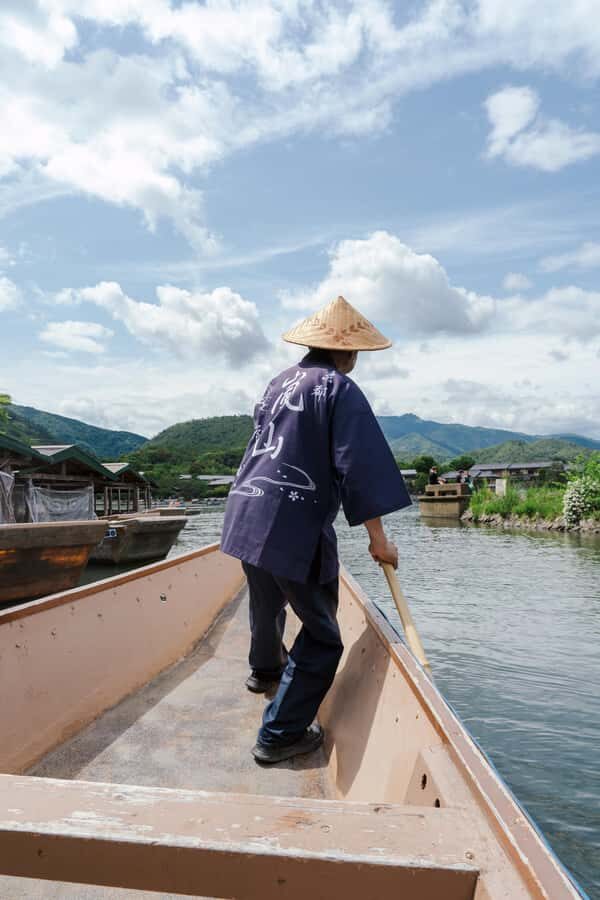
Kyoto can feel like a checklist—get up early, hit the sights, fight the crowds, repeat. This cruise offers a different rhythm. You step onto a traditional Japanese yakatabune boat and let the river set the pace. That alone is a win.
You’re in Arashiyama, one of Kyoto’s most scenic areas, and you’ll travel upstream along the river. Upstream matters. It typically slows the experience down and makes the surroundings feel more open than if you were just drifting past one quick stretch.
And because it’s private, the vibe stays controlled. You’re there for the music, the stories, and the games, not for hauling yourself around while other people constantly enter and exit your space. For couples, small groups, or solo travelers, that privacy turns the hour into something you can actually pay attention to.
One more practical point: this is a boat experience in nature, so you should dress for cool breezes and bring layers. Even when the day is pleasant on land, the water and wind can change the feel fast.
Other boat tours in Kyoto
Meet Kohaku and the former-maiko perspective you can’t fake
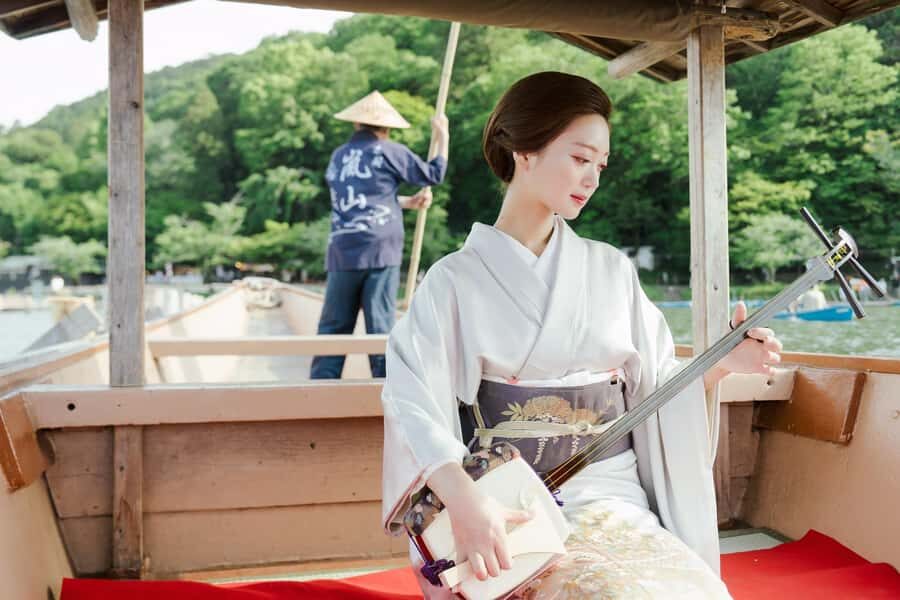
The most valuable part here is the person leading it. Your host is a former maiko, a detail that completely shapes what you get out of the cruise.
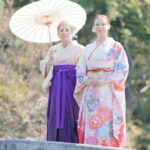
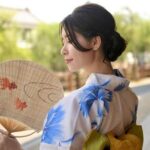
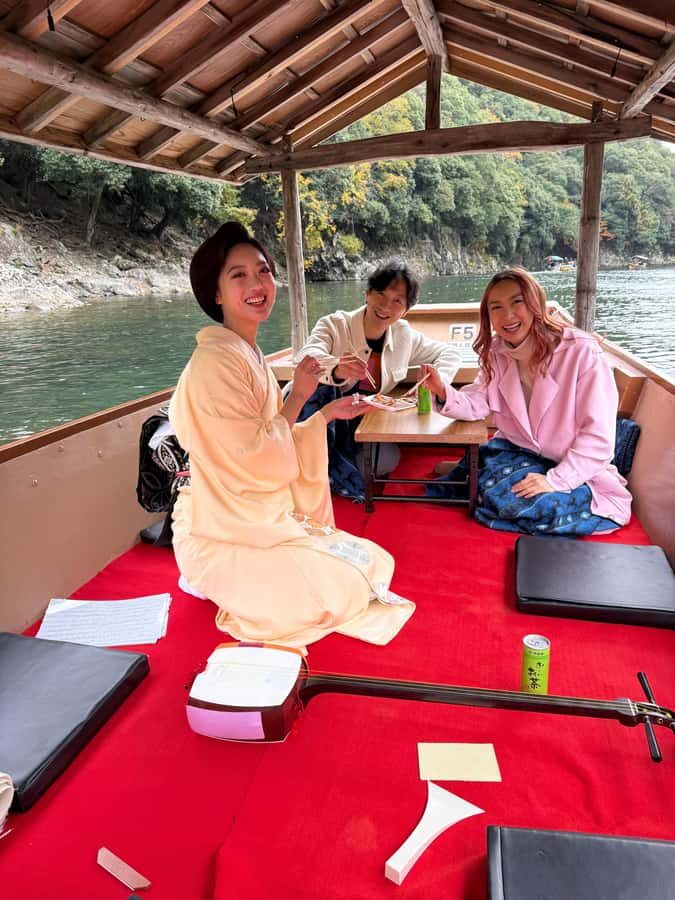
In practical terms, it means the conversation isn’t just a history lecture. You’ll be introduced to Kyoto’s geisha culture with context that feels lived-in: what life as a maiko was like, how training shaped behavior and performance, and why certain traditions persist. The host is also described as dressing in kimono during the experience, which helps the whole event feel coherent rather than like a scripted performance.
In one account, the host is named Kohaku, and the standout was how naturally she blended shamisen playing and singing with conversation. That’s the kind of guidance that makes people relax. When someone can answer questions without turning it into a quiz, you learn more and you enjoy more.
If you’re the kind of traveler who likes culture you can talk to—rather than culture you just photograph—this host format is the point of the tour.
Live shamisen on the river: music that fits the setting
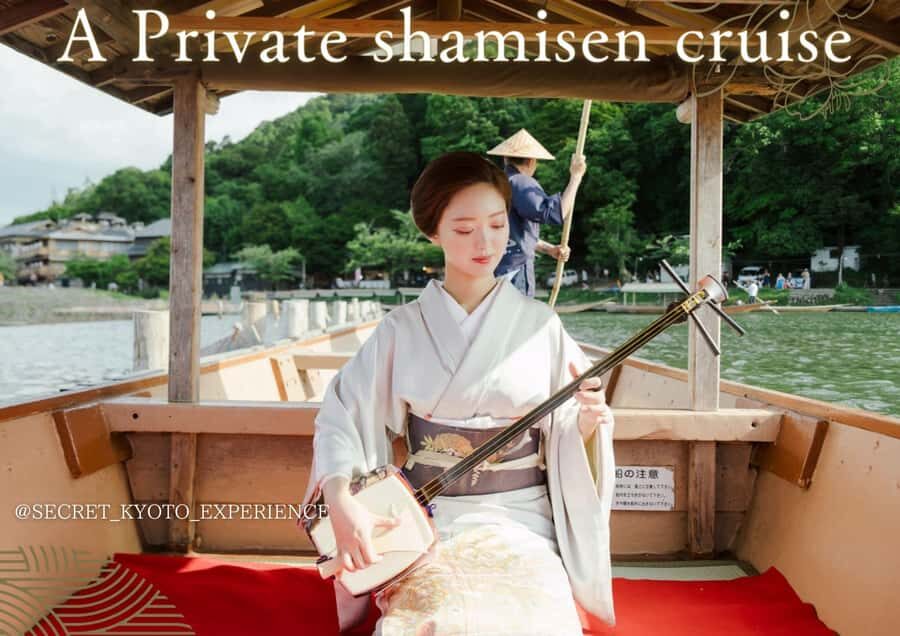
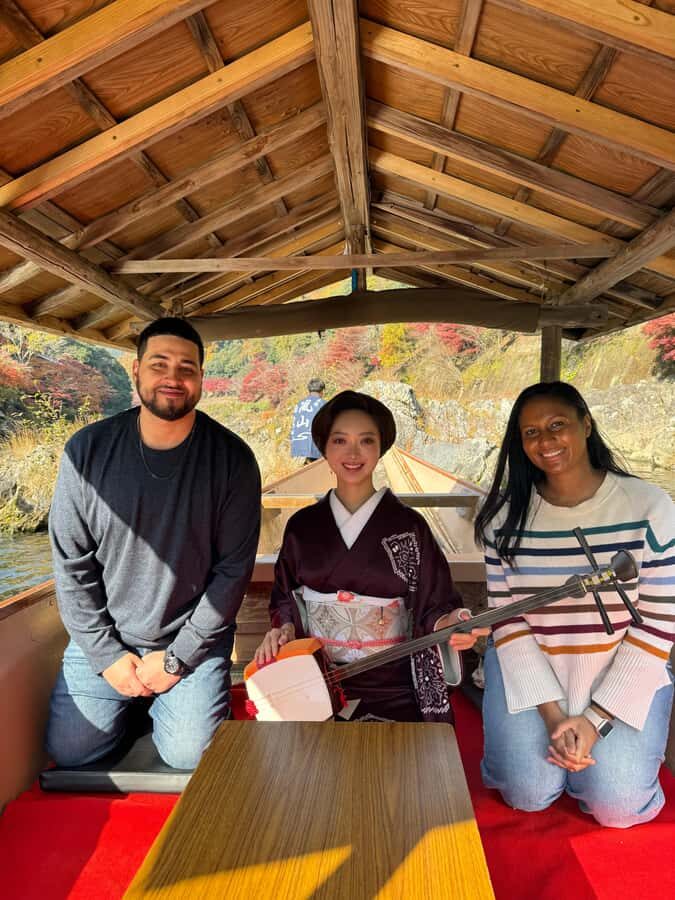
The shamisen is Japan’s classic three-string instrument, and here it’s not treated like a souvenir soundbite. The music happens as the boat glides through the river scenery, so it lands in the right atmosphere.
I like that the performance feels integrated. You’re not walking somewhere to find a stage. You’re sitting on the water as the instrument’s tone carries across the space around you. The river does part of the work: it creates a calm backdrop, which makes the music feel clearer and more intentional.
In some write-ups, the host also sings while playing. Even if singing isn’t the only constant, you should expect a genuinely cultural performance rather than a background soundtrack.
What this means for you: if you’ve ever heard traditional music online and wondered what it would feel like in real life, this is one way to answer that. You’re getting sound, story, and place combined.
Ozashiki-asobi games: playful Kyoto tea-house culture, simplified
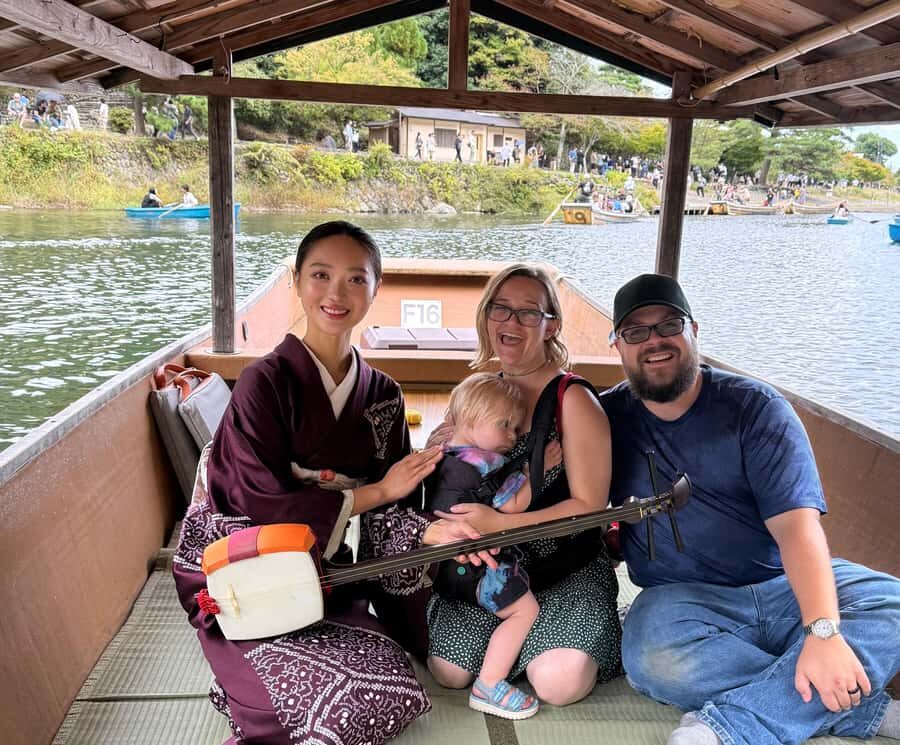
After the music and the cultural talk, you’ll switch gears into traditional games. These are ozashiki-asobi, which refers to the kinds of games historically enjoyed in geisha/tea-room settings.
The important part isn’t that the games are old. It’s that they’re made to be fun and understandable during your cruise. One account highlights that Kohaku taught a simple game that was easy to join, and the tone stayed friendly and light.
That’s exactly what I’d want from a cultural activity: you don’t need a degree in Japanese etiquette to participate. Instead, you get a taste of the social side of the culture—how people shared time together, how they played, how they laughed.
Also, games tend to break the ice quickly, which is a big deal on a private boat. If you’re traveling as a couple, it adds a shared “do this together” moment. If you’re with friends or family, it gives everyone something active to focus on, not just watching.
River scenery and photo moments upstream in Arashiyama
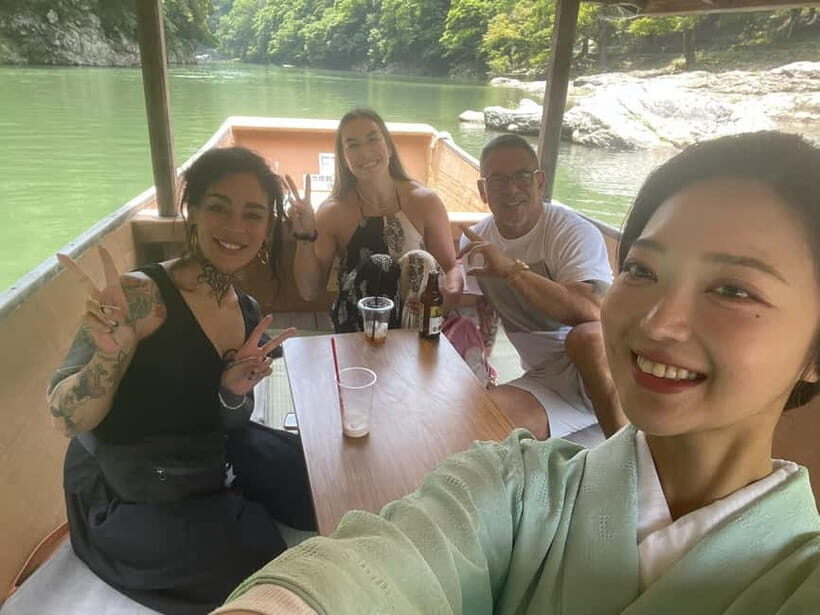
You’ll have opportunities to take photos throughout the cruise, and the structure of the route helps. Moving upstream gives you continuous changes in the views rather than just one fixed backdrop.
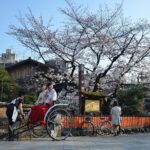
Seasonal timing can influence what you see, but you can think of the experience as “Kyoto on the move”: river banks, greenery, and the visual calm that comes from being on water rather than on packed streets.
Practical photo advice:
- Bring your phone with a charged battery, but also know that you’ll be filming through moving light. You might need a steadier grip.
- If you’re sensitive to wind, keep cameras close during gusts. The river air can be stronger than you expect.
- Use the time during slower stretches for your best shots, not during any lively game moments.
This part is less about chasing a single perfect postcard and more about enjoying the scenery as it changes—while music and conversation keep it from feeling like a passive boat ride.
Other private tours in Kyoto




How long is it, and what’s the pacing really like?
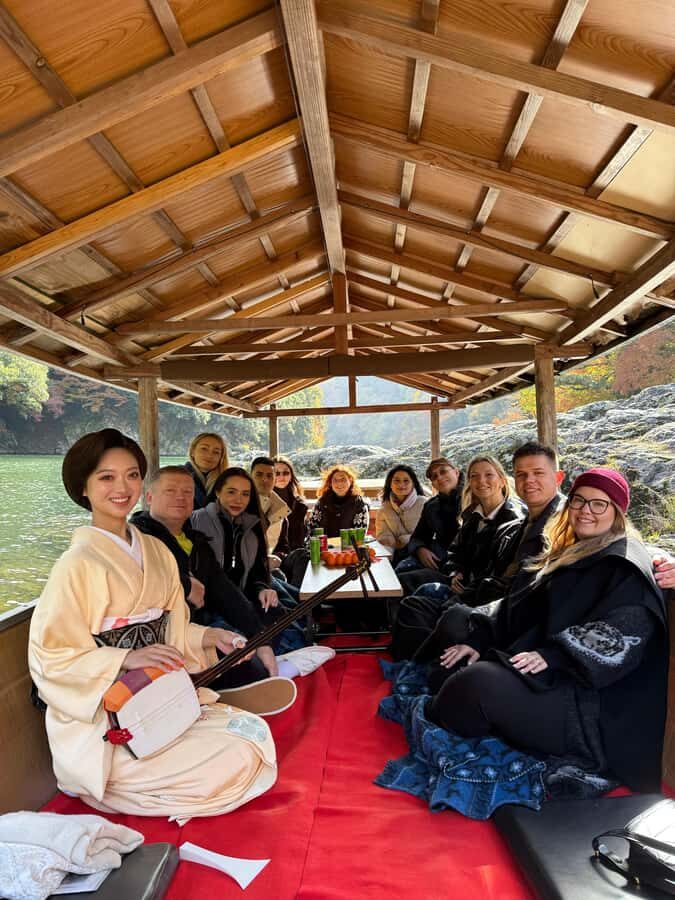
The cruise is about one hour, and the pacing is intentionally smooth: welcome at the riverside dock, then the ride with shamisen performance, then the games, then photos and wrap-up.
That one-hour length is a sweet spot. It’s long enough to feel like you had a real activity, but short enough that you won’t lose half your Kyoto day to one thing. It also reduces the “sit and wait” feeling that some cultural tours can have.
Timing note: because it runs on a boat, you should assume it’s at the mercy of the river and weather. If the day is windy or rough, it can affect whether the boat goes out.
Who this cruise suits best (and who might want a different plan)
This experience fits best when you want something intimate, culturally guided, and relaxed.
It’s especially good for:
- Couples who want Kyoto that feels romantic but not overly staged
- Small groups who like shared activities like games
- Solo travelers who want conversation with a real guide in a calm setting
- Families too, including kids of all ages (with one note: if your child is under 12, you’re asked to include their age when booking)
It may be less ideal if:
- You need wheelchair accessibility. The experience is not suitable for wheelchair users.
- You hate weather-related uncertainty. The boat is subject to cancellation due to strong winds or bad conditions.
If you’re the type who gets restless in a seated setting, keep in mind that this is a boat cruise with music and games. You’ll be active enough for laughs and participation, but it isn’t a walking tour.
Price and value: what $133 per person is buying you
At about $133 per person, the price is not “cheap Tokyo snack” territory. But the value is tied to what you’re actually getting.
Here’s the value equation I see:
- A private boat (so you’re not sharing the experience with strangers in the same intimate space)
- A live shamisen performance during the cruise
- Traditional games taught by your host
- Cultural storytelling by a former maiko, which adds depth you typically don’t get with generic guides
- A full experience that lasts about one hour, so you’re paying for a concentrated, guided cultural event
If you compare it to paying for separate pieces—like a ticketed performance, a private guide session, and a transportation-angled activity—this often starts looking like a fair package. You’re paying for coordination and expertise, not just time on a boat.
For best value, I’d treat it as a “signature Kyoto evening-or-afternoon” rather than a filler activity.
Weather, wind, and the one thing you must plan around
Because the cruise happens in nature on a boat, weather matters. The boat may be canceled due to bad weather or strong winds, even on a sunny day.
The good news: if the boat company cancels the tour on the day, you’re told there’s no cancellation fee and you receive a full refund. If you’re booking near a travel-critical day, you’ll still want a little flexibility in your schedule.
My advice: build in a backup. If you can, schedule this when you have at least one other flexible option the same day or the next. That way, a wind change doesn’t spoil your Kyoto rhythm.
Should you book this Kyoto private boat cruise?
Book it if you want Kyoto culture with a human guide and a calm, scenic setting. This is one of those experiences that doesn’t try to do everything. It focuses on a small set of things—shamisen, maiko insight, and ozashiki-asobi games—done during a private hour on the river.
Don’t book it if you need guaranteed weather reliability or if accessibility is a requirement (wheelchair access isn’t supported). And if you prefer fast-moving sightseeing stops with lots of walking, this will feel more like a guided performance plus interaction than a tour of monuments.
If your ideal Kyoto includes quiet moments, real storytelling, and a soundtrack that actually belongs to the moment, this cruise is an easy yes.
FAQ
Is this a private boat cruise?
Yes. It’s described as a private cruise on a traditional Japanese yakatabune boat.
How long is the experience?
It’s about one hour.
What’s included during the cruise?
You’ll get the private yakatabune boat cruise, live shamisen music, traditional Japanese games (ozashiki-asobi), and cultural insights from a former maiko.
What language is the host able to speak?
The experience is offered in English and Japanese.
Can children join?
Children of all ages are welcome. If your child is under 12, include their age when booking.
What if the weather is bad?
The experience takes place in nature and the boat may be canceled due to bad weather or strong winds, even if conditions look fine.
If the tour is canceled by the company, do I get a refund?
If the boat company cancels on the day of the experience, there is no cancel fee and you will receive a full refund.
What happens if I cancel my reservation?
If you cancel the reservation the day before or earlier, you are unable to receive a refund.
Is the experience wheelchair accessible?
No, it’s not suitable for wheelchair users.