You will smell the dye long before you see the color. This workshop is set inside a 300-year-old indigo studio where you work with natural fermented indigo vats (sukumo), not a staged craft set-up. I love that you dye your own textile step-by-step, watching the change from green to deep blue as the dye oxidizes. I also love the small-group pace, plus the human touch from the bilingual host and artisan team (Sakura is specifically mentioned as a standout translator).
One thing to plan for: your clothes can’t stay pristine. You’ll be given protective gear, but you still need to wear casual clothes you’re okay getting messy in a traditional wooden studio.
In This Review
- A focused, hands-on flow with a calm finish
- Key highlights you’ll care about
- Step inside the 300-year-old indigo workshop in western Kyoto
- What happens before the dye: welcome, tools, and how indigo works
- The heart of the class: folding, binding, and dipping into sukomo vats
- Your take-home piece: what’s included and what you can upgrade
- The calm part: indigo leaf tea and cultural stories
- Price and value: is $95 fair for this experience?
- Practical details that will keep your visit smooth
- Who should book this indigo workshop (and who might pass)
- Should you book Natural Indigo Dyeing with Local Masters?
- FAQ
- FAQ
- How long is the natural indigo dyeing workshop?
- What does the $95 price include?
- Can I choose what to dye?
- What upgrade options are available?
- What languages are used during the workshop?
- How big is the group?
- Is there a place to use the restroom, and is it wheelchair accessible?
- What should I wear or bring?
- Can they ship my dyed item home?
A focused, hands-on flow with a calm finish

The workshop runs about 2 hours and stays on task: a studio introduction, a guided dye session, then a slow wrap-up with indigo leaf tea. You’ll hear cultural context through a Kyoto local host, and you’ll get time for photos with your finished piece. The max group size is 6, which helps the artisans give real feedback instead of rushing you through.
Key highlights you’ll care about

- A real working studio with a long-running indigo setup, not a tourist replica
- Sukumo fermented indigo vats (natural, no chemical dye)
- Small-group size (max 6) with hands-on help throughout
- Bilingual guidance in English/Japanese, with support noted from Sakura
- Indigo leaf tea plus cultural stories before you go
- Take-home textile included, with upgrades available on the day
Other private tours in Kyoto

Step inside the 300-year-old indigo workshop in western Kyoto

Kyoto has plenty of craft experiences. This one works because it stays grounded in process, not performance. You’re invited into a historic indigo studio in western Kyoto, described as a working space rather than a commercial set. The studio itself is part of the lesson: wooden floorboards, traditional tools, and large dye vats doing what they’ve done for a long time.
Why that matters for you: when dyeing is real work, you feel the patience behind the color. Indigo isn’t instant paint. It’s chemistry, timing, and repeated handling. In this studio, you’re not just making a souvenir—you’re learning how artisans manage a living vat and consistent results.
The studio details you should know up front:
- Wheelchair access isn’t available.
- You’ll be inside a traditional space, so wear comfortable shoes with good grip.
- The exact address is provided after booking, since the location is shared only with confirmed guests.
What happens before the dye: welcome, tools, and how indigo works

Before your hands go in, you get a short welcome and studio tour (about 15 minutes). This is where you get the right mental picture. You’ll learn about indigo in Japan and why it matters in daily life, plus you’ll see the tools, the vats, and the atmosphere of a working workshop.
Then you’ll get the practical framing for what you’re about to do:
- You’ll be shown how their process works with fermented indigo (sukumo).
- You’ll get clarity on how folding and binding affect pattern.
- You’ll get positioned with protective items so your clothing stays safe.
A small detail that makes the experience easier: multiple reviews point out that the staff outfitted people with protective gear like apron, gloves, and shoe covers. That’s not just thoughtful—it helps you focus on the technique instead of worrying about stains.
The heart of the class: folding, binding, and dipping into sukomo vats

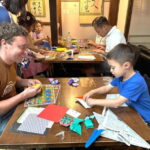
The dyeing itself takes about 60 minutes, and it’s hands-on the whole time. You’ll start by choosing the textile you want to dye. Then you’ll follow step-by-step guidance on folding and binding—think of it like resist work, where the way you tie or fold controls where indigo can reach.
Next comes the moment you’ll remember. You dip your fabric into the indigo vat, and you watch the change happen:
- It may look green at first.
- As you manage the process and oxidation occurs, the fabric shifts toward deep blue.
That color shift is the payoff of natural indigo. Chemical dyes often look uniform fast. Natural indigo does not. It’s slower and more temperamental, and that’s exactly what makes it fascinating—especially in a studio where the vat is maintained in the traditional way.
Group size really matters here. With max 6 people, you’re not stuck waiting while one person gets help. You also get more time with the artisans and host when you have questions.
Your take-home piece: what’s included and what you can upgrade

Your basic workshop fee includes one cotton textile for dyeing (a cotton piece such as a furoshiki is included; it’s listed around 45–50 cm). Depending on the workshop choice that day, you may also be offered options like a traditional tenugui or a larger handkerchief with cherry-blossom embroidery as part of the basic experience.
On top of that, you can upgrade on the day of the workshop. The listed upgrade options are:
- Cotton scarf (lightweight, soft, wearable year-round)
- Silk scarf (luxurious texture, deep tones)
- Wool stole (made with high-quality wool from Mongolia)
Price context: the base price is $95 per person for the full 2-hour session, tools, materials, dye-vat access, and tea. Upgrades cost extra, but they’re a straightforward way to trade a small cotton piece for something more wearable and higher-signal as a gift or keepsake.
One practical tip: if you’re the type who wants something you can use immediately, the scarf upgrades make sense. If you’re more into wall art or packing-friendly souvenirs, the furoshiki/tenugui format is easier to bring home.


The calm part: indigo leaf tea and cultural stories

After dyeing, you slow down. You get a closing reflection and time to ask questions (about 15–20 minutes). The studio serves indigo leaf tea, and the host shares cultural stories that connect the craft to everyday life in Japan.
This part is more than a nice break. It helps you understand why artisans care about technique and consistency. Indigo doesn’t just make blue cloth; it ties to patience, labor, and generational practice.
You’ll also have time for photos with your finished creation. Bring your best “show me the pattern” energy, because the bound sections and tie work can turn out beautifully when you get it right.
Price and value: is $95 fair for this experience?

For many craft classes, you pay mostly for instruction and a simple take-home item. Here, your $95 buys something more specific:
- Access to natural fermented indigo vats (sukumo)
- The tools and materials to do the work
- Hands-on guidance from artisans in a working studio
- A bilingual cultural host and time for questions
- Indigo leaf tea
- A small souvenir gift and time for photos
A two-hour workshop in Kyoto can easily feel overpriced if it’s mostly watching. This one keeps you busy with real tasks—folding, binding, dipping—plus you’re learning in a historic working environment.
So I’d frame the value like this: you’re paying for the real process and the real studio. That’s the difference between a class that gives you a result and a class that teaches you how that result happens.
Practical details that will keep your visit smooth

Here’s what you should plan for so you don’t waste time:
- Wear clothes you can get dirty. Even with protection, expect splashes and stains in an indigo studio setting.
- Bring comfortable shoes. The space is traditional and you’ll move around a bit on wooden floors.
- Expect a small-group rhythm. With max 6 people, you’ll likely have fewer long waits and more direct help.
- Prepare for a short walk/train approach. The venue is about 30 minutes from Kyoto Station by train and walk (exact route depends on your departure point).
Restroom info is straightforward: a restroom is available on-site.
Who should book this indigo workshop (and who might pass)

This workshop is a great match if you like:
- hands-on crafts that teach a process, not just a final product
- fabric, color chemistry, or traditional Japanese dyeing
- experiences that feel personal because the group stays small
- families and adults who enjoy learning side by side (the minimum age is 8+)
You might consider passing if:
- you need full wheelchair accessibility (wheelchair access isn’t available)
- you hate the idea of getting dye on your clothes, even with protection
- you only want a quick photo stop with minimal participation (this one requires doing the work)
Should you book Natural Indigo Dyeing with Local Masters?
If your goal is authentic Kyoto craft, book it. The biggest reason is simple: you’re working inside a genuine, historic indigo studio using natural fermented vats, and the focus stays on technique. The group size is small, the guidance is bilingual, and the day ends with tea and reflection instead of a rushed exit.
If you’re on the fence, ask yourself one question: do you want a dyed item, or do you want to understand how that blue happens? This workshop is built for the second answer.
FAQ
FAQ
How long is the natural indigo dyeing workshop?
The session runs about 2 hours.
What does the $95 price include?
It includes tools and materials, one cotton furoshiki-style cloth (about 45–50 cm), use of natural fermented indigo vats, hands-on guidance from local artisans, a bilingual cultural host, indigo leaf tea, a small souvenir gift, and time for photos.
Can I choose what to dye?
Yes. You select a textile to dye during the workshop. A cotton furoshiki is included in the basic workshop fee, and you can also choose upgrades on the day.
What upgrade options are available?
Upgrades listed for the day are cotton scarf, silk scarf, and wool stole.
What languages are used during the workshop?
Support is available in English and Japanese.
How big is the group?
The group is limited to a maximum of 6 participants.
Is there a place to use the restroom, and is it wheelchair accessible?
A restroom is available on-site, but wheelchair access is not available.
What should I wear or bring?
Wear comfortable shoes and comfortable clothes that you don’t mind getting dirty, since dyeing happens in a traditional studio. Protective items like aprons and other gear are provided.
Can they ship my dyed item home?
Shipping isn’t included, but shipping is available only upon request at an extra cost.


![[Kyoto Street Shot] Recording every wonderful moment of travel with shutter (free kimono experience) - What the photographers do for you (and why that’s the point)](https://kyotoguide.info/wp-content/uploads/2026/05/kyoto-street-shot-recording-every-wonderful-moment-of-travel-with-shutter-free-kimono-experience.jpg)