Kyoto hiking can be ordinary. This one has a plan. I like that the experience mixes ninjutsu survival-style training with a real mountain walk on the Kyoto East Mountain area, including Mt. Daimonji and its famous connection to the 36 peaks.
Two things I especially appreciate: you’re not just hiking—you practice practical guidance like breathing and efficient movement, and the tone stays respectful and grounded (including etiquette like bowing at a torii and protection-style training such as kuji-in). One consideration: you should be ready to supply your own basics like snacks and bottled water, and it does require moderate fitness for a 7.5 km trek.
In This Review
- Key highlights before you go
- Mt. Daimonji ninja trekking: what makes it different
- The walk you’ll actually do: Keage/Nanzenji to Daimonji and down to Ginkakuji
- What “7.5 km, gentle, safe” really means for you
- How the ninja-dojo instruction shows up on the mountain
- You’re not just learning. You’re practicing.
- Stop-by-stop: what each part is for (and what to watch)
- Starting at the dojo: mindset before the first step
- The ascent to Daimonji: controlled effort
- The descent toward Ginkakuji: keep your footing calm
- Price and value: is $347.48 per person worth it?
- You’re paying for coaching, not just scenery
- It’s private, and that changes the economics
- You also get training elements that people remember
- What you should confirm in your planning
- What to bring so the hike feels good (not annoying)
- Who this tour is best for (and who might reconsider)
- Practical logistics that matter more than you think
- Should you book Ninja Trekking at Mt. Daimonji?
- FAQ
- Where does the Ninja Trekking tour start?
- What time does the tour begin?
- How long is the tour?
- How far do you hike?
- Is this tour private?
- What fitness level do I need?
- What’s included, and what should I bring?
- What happens if the weather is bad?
- How does confirmation work after booking?
Key highlights before you go
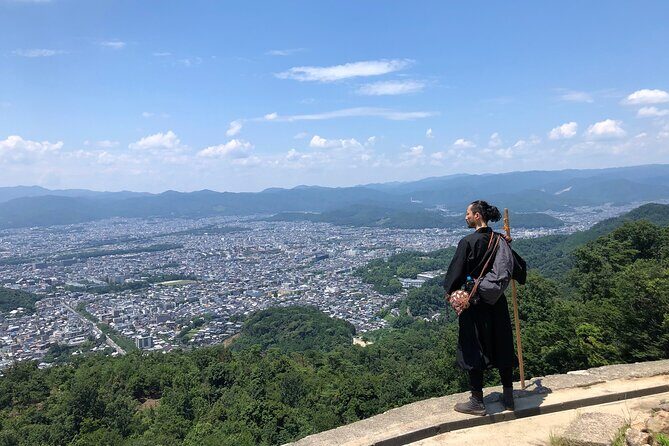
- A private ninja-style guide with ninjutsu and mountain-walking specialists (hello, Izo Sensei in multiple accounts)
- Breathing + movement efficiency tips you can use on stairs, sidewalks, and stressy travel days
- Power-spot scenery stops tied to the East Mountain 36 peaks and the Mt. Daimonji area
- A 7.5 km route that’s described as relatively gentle and safe, usually paced for beginners
- No snacks or bottled water included, so you’ll want a small personal pack plan
- Starts at a dojo location in Kyoto, with the tour returning to the same meeting point
Mt. Daimonji ninja trekking: what makes it different
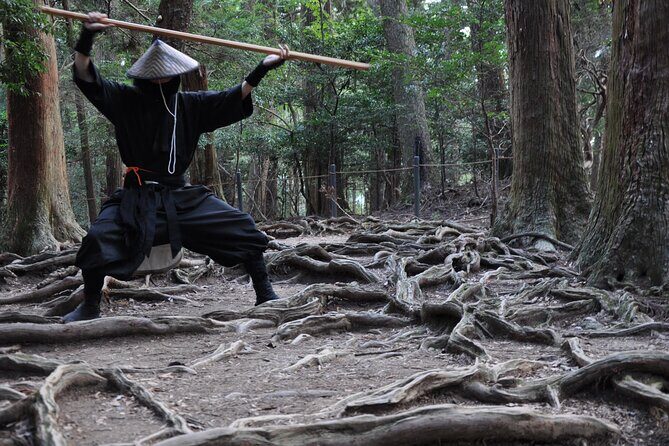
This half-day tour feels like two experiences stitched together: a dojo-style introduction to the way ninjutsu treats body control, breathing, and mind-set, then a mountain walk that turns those ideas into something physical. The route is built around the East Mountain’s “36 peaks” area and the Mt. Daimonji region, which is known as a power-spot in Kyoto’s traditional geography.
I also like how the walking isn’t framed as a test. The trek is described as relatively gentle and safe with a total length of about 7.5 km, and it’s timed so the “3-hour course” typically takes around 4 hours on the day—meaning you’re not rushed. That extra time matters because ninja training isn’t just theory. You’re meant to slow down enough to notice how your body moves, where you feel tension, and how breathing changes your stamina.
One more practical point: this isn’t a huge production with you lost in a crowd. It’s set up as a private tour/activity, so it’s designed for your group’s pace rather than a hard group herd schedule.
Other ninja experiences in Kyoto



The walk you’ll actually do: Keage/Nanzenji to Daimonji and down to Ginkakuji
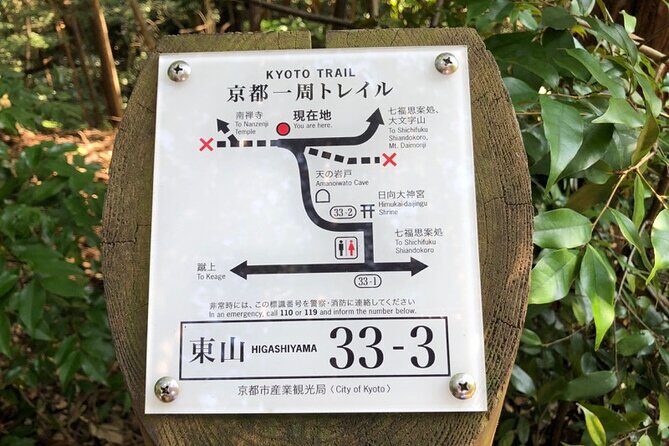
Let’s get concrete about the route. You climb from the Keage area around Nanzenji / Okura side (蹴上 / Nanzenji) up toward Daimonji, specifically Nyoigatake (如意ヶ岳). Then you descend toward Ginkakuji (silver-pavilion area).
That “up and down” pattern is why the breathing tips are so relevant. When the trail tilts upward, you’ll likely notice your breathing speed and how your shoulders react. When you descend, the goal is often to keep your footing calm and controlled instead of turning the walk into a brake-fest.
Even better: the tour is structured around a course that’s usually about 3 hours, but your day is paced to take about 4 hours total. The time buffer is what helps beginners feel included, as long as you approach it with the right mindset: steady steps, not speed.
What “7.5 km, gentle, safe” really means for you
Seven and a half kilometers in half-day time is very doable for many people, but do not treat “gentle” as “effort-free.” The route includes climbing and descending, and your guide will likely encourage form over speed. In practice, that means you’ll work, just not in a punishing way.
If you’ve done city walking in Kyoto for a few days, you’ll probably handle this. If you’re coming straight from a travel day with tired legs, plan on taking the first part slowly.
How the ninja-dojo instruction shows up on the mountain
Here’s the heart of why people remember this tour: you learn techniques that are meant to be used while walking. Ninjutsu here isn’t presented as cosplay swordplay. It’s explained as a comprehensive survival art built from ideas like:
- body manipulation methods (how you position and move your body)
- breathing methods (how you manage effort)
- mind and body training (how you stay steady)
- meditation-style awareness (how you keep attention on what you’re doing)
- wisdom of mountain walking (how you treat the trail as training)
In real guide practice, that becomes very specific. I like that multiple accounts highlight tips on breathing for efficiency and movement mechanics—the kind of advice that helps you stop wasting energy. One person singled out guidance on breathing and how to move more efficiently. Another mentioned learning kuji-in protection, plus simple but important etiquette like bowing when approaching a torii and learning a ritual for tying a mark when entering.
Also, the guide name that shows up in accounts is Izo Sensei. If you meet him, you can expect a mix of storytelling, training, and a friendly coaching tone. Even when the hike feels strenuous, the teaching is framed as coaching rather than performance pressure.
You’re not just learning. You’re practicing.
The tour is built around using your body as the lesson. That’s why it’s useful even if you don’t plan to become a martial-arts person. Stress makes your breathing shallow and your steps tense. Teaching you to slow down your breath and shorten unnecessary movements can make the rest of your trip feel easier.
Other hiking tours in Kyoto
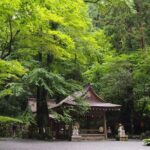
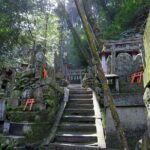
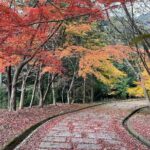
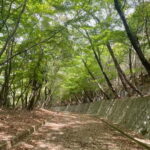
Stop-by-stop: what each part is for (and what to watch)
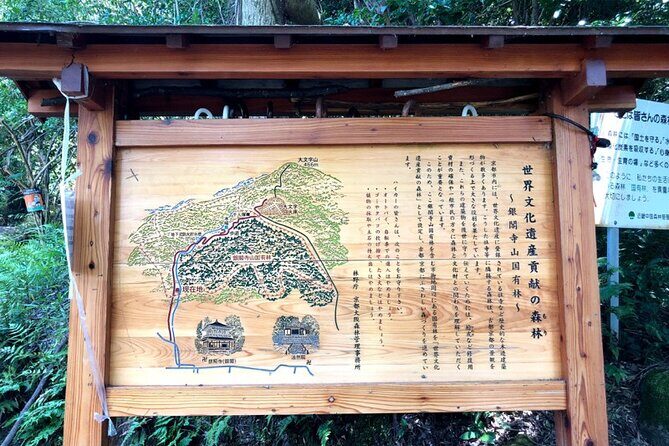
This tour has one main trek focus—Mt. Daimonji—but it’s still useful to think of it in phases.
Starting at the dojo: mindset before the first step
You meet at NINJA DOJO and STORE KYOTOJapan (528 2F, Hakurakutenchō, Shimogyo Ward, Kyoto 600-8422). Your start time is 10:00 am, and you’ll head out from there to the trail area.
Even if you’re not deeply familiar with ninjutsu, the value of meeting at a dojo is simple: you get a framework first. That’s what turns a walk into a guided training session.
What I’d watch for: arrive a little early and be ready to participate. If you drift in late, you’ll miss the short instruction block that sets the tone for the rest of the day.
The ascent to Daimonji: controlled effort
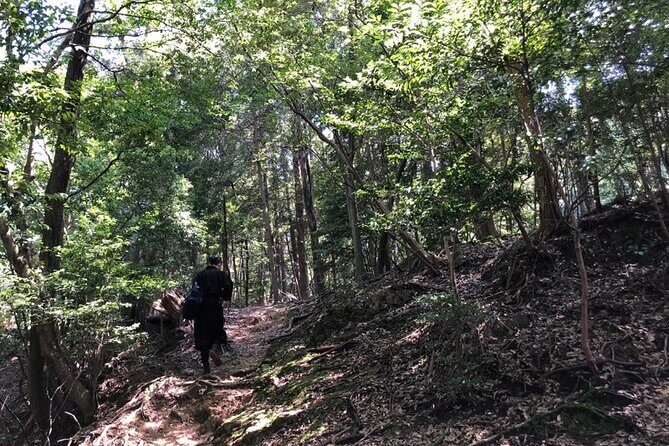
The climb from Nanzenji/Keage (蹴上) to Nyoigatake (如意ヶ岳) is where you’ll apply the training. This is also where many people feel that mix of physical work and mental focus. Expect your guide to coach you on breathing and steady movement.
Potential drawback here: if you’re the kind of traveler who likes to wander freely with a podcast, this part asks for attention. You’ll be listening and adjusting how you walk. That’s the point, but it’s worth knowing.
The descent toward Ginkakuji: keep your footing calm
Descending is often where tired knees show up. The training theme tends to keep your steps more deliberate instead of rushing downhill. It’s also where you might feel the “ninja mindset” more clearly—less frantic movement, more control.
The tour ends back at the original meeting point, so you’ll get the benefit of a structured, guided timeline rather than figuring out what bus or train to catch mid-hike.
Price and value: is $347.48 per person worth it?
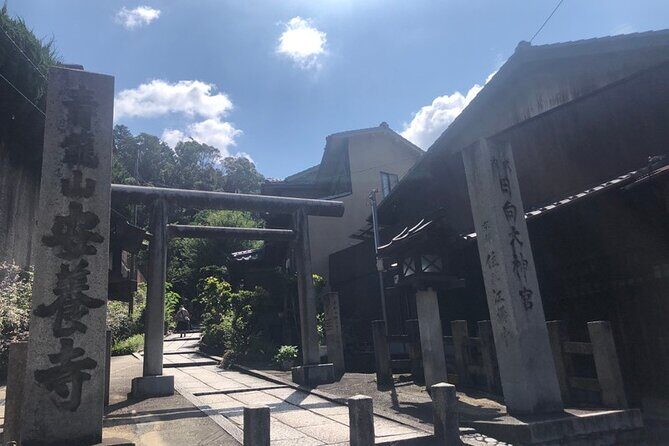
Let’s talk money honestly. The price listed is $347.48 per person for an approximately 4–5 hour half-day. That’s not cheap for Kyoto, especially compared with standard walking tours.
So what makes it potentially worth the spend?
You’re paying for coaching, not just scenery
A normal tour might show you where to stand for a photo. This one teaches you how to walk and breathe on a real trail. That coaching is part of what makes the experience feel “active,” not passive.
It’s private, and that changes the economics
The tour is private, meaning it’s structured for your group rather than a large mixed crowd. Private instruction usually costs more because your guide time is less diluted.
You also get training elements that people remember
Multiple accounts emphasize that this trek turns into a highlight because it includes both dojo-style instruction and the mountain walk, plus specific technique takeaways like breathing efficiency and protection-style training (kuji-in). That kind of “I can use this later” value is harder to find in standard sightseeing tours.
What you should confirm in your planning
The data says all fees and taxes are included, but it also clearly states you should bring or plan for snacks and bottled water because those are not included. So factor that into your total comfort level on the day.
If you’re traveling as a group, the tour notes group discounts, which can make the cost feel much more reasonable per person—especially if you’re splitting the expense across friends or family.
What to bring so the hike feels good (not annoying)
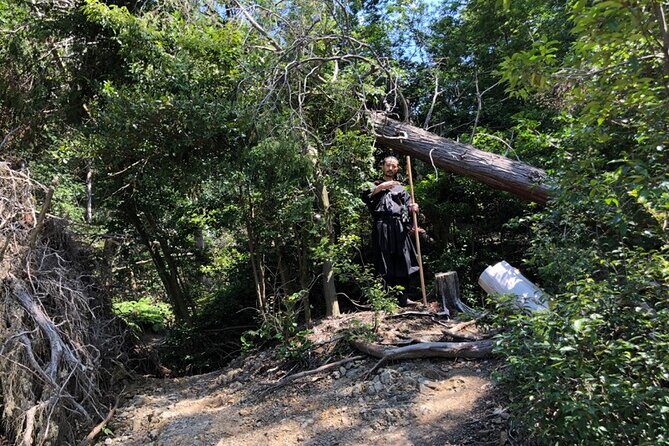
The tour data doesn’t list a lot of gear requirements, so you’ll want to use common-sense mountain-walking basics and match them to what’s not included.
Bring:
- Comfortable walking shoes with grip (you’ll be on a trail, and descending can be slippery)
- Your own snacks and bottled water, since neither is included
- Any regular medications you need
- A layer for weather shifts (Kyoto mountains can feel different from the city street)
Also, plan your day around the reality that this experience depends on conditions. The tour requires good weather, so if rain or poor conditions roll in, you’ll be rescheduled or receive a refund.
Who this tour is best for (and who might reconsider)
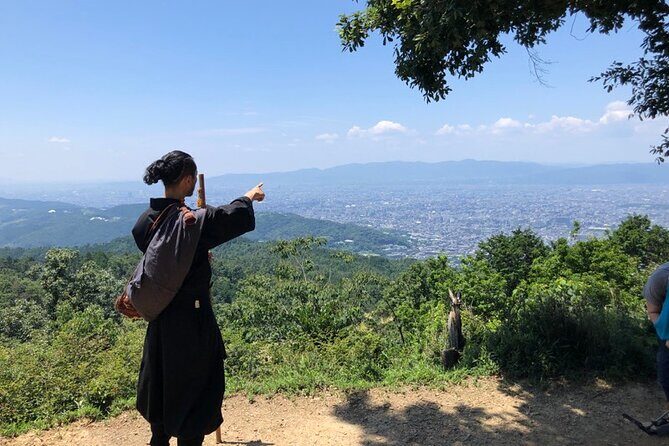
This is a good fit if you:
- like experiences that include both mind-body practice and real walking
- want a guided route tied to Kyoto’s power-spot East Mountain area
- enjoy learning skills you can use at home, not just collecting stamps at temples
- are a beginner to hiking, because the trek is described as relatively gentle and suited to those who can handle about 7.5 km with coaching
It may be less ideal if you:
- expect a fully free-form “wander at your pace” hike (this tour leans structured)
- dislike any instruction that asks you to pay attention to breathing and movement mechanics
- don’t have moderate physical fitness and you’re hoping for something closer to flat, easy walking
Practical logistics that matter more than you think
You’re starting at a specific dojo and store location and ending back there. That makes the day easier than many trail tours because you don’t have to solve transportation mid-hike.
The tour is also noted as being near public transportation, so getting to the start should be manageable. Your start time is 10:00 am, so I’d treat that like a real appointment—don’t plan for a late breakfast and a slow scramble.
One more key detail: you’ll receive a mobile ticket, and confirmation timing depends on when you book. That matters if your travel plans are tight around Kyoto peak dates.
Should you book Ninja Trekking at Mt. Daimonji?
If you want a Kyoto day that feels active and meaningful—not just temple photos—this is a strong yes. I’d book it if you’re curious about how ninjutsu teaches breathing, movement efficiency, and calm awareness, and you’re comfortable spending about 4–5 hours hiking a 7.5 km course with coaching.
I’d pause if you’re expecting a “light stroll with no instructions,” or if you’re not ready to plan snacks and water. Also, if weather is uncertain in your dates, build in flexibility because the tour depends on good conditions.
FAQ
Where does the Ninja Trekking tour start?
It starts at NINJA DOJO and STORE KYOTOJapan, 528 2F, Hakurakutenchō, Shimogyo Ward, Kyoto 600-8422. The tour ends back at the meeting point.
What time does the tour begin?
The scheduled start time is 10:00 am.
How long is the tour?
The experience runs about 4 to 5 hours. It’s designed around a 3-hour course that typically takes about 4 hours on the day.
How far do you hike?
The route is about 7.5 km total.
Is this tour private?
Yes. It’s listed as a private tour/activity, so only your group participates.
What fitness level do I need?
You should have a moderate physical fitness level. The course is described as relatively gentle and safe, and beginners can participate, but there is still climbing and descending.
What’s included, and what should I bring?
All fees and taxes are included. Snacks and bottled water are not included, so you should plan to bring those. The tour also notes no restroom on board.
What happens if the weather is bad?
The experience requires good weather. If it’s canceled due to poor weather, you’ll be offered a different date or a full refund.
How does confirmation work after booking?
You receive confirmation at booking time unless you book within 7 days of travel. In that case, confirmation is provided within 48 hours, subject to availability.