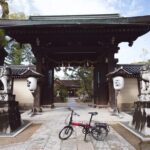
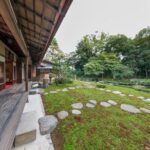
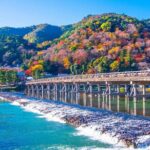
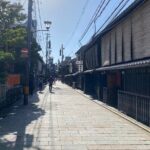
Kyoto is best explored with a plan you can change mid-day. This hop-on hop-off bus makes it easy to jump between major sights without getting stuck figuring out buses and trains. You ride a open-top double-decker with panoramic views and multilingual audio as you pass temple gates, shopping streets, and classic neighborhoods.
I especially like the flexibility of a real pass: you can get on and off as many times as you want at Sky Hop stops during your ticket’s validity. I also like the comfort details that matter on a long sightseeing day, like earphones for the audio guide and onboard WiFi so you can keep your maps handy.
One thing to consider: the loop takes time, and the bus doesn’t run so frequently that you can always make a tight schedule. If you love doing everything to the minute, you’ll need a little breathing room.
In This Review
- Key things to know before you ride
- First Ride, Smooth Finds: Where This Bus Fits in Your Kyoto Day
- Price and Timing: Is This $45.56 Ticket Good Value?
- The Hop-On Hop-Off Pass: How You Should Use It
- Stop by Stop: East Kyoto From Silver Pavilion to Kiyomizu-dera
- Second Loop: Nishi Hongan-ji, Nijo-jo, and the North/Imperial Zone
- Don’t Miss Downtown: Karasuma, Nishiki, and the Market-to-Temple Rhythm
- Comfort, Audio, WiFi, and Rain Prep
- Getting the Best Views: Unreserved Seating and Top-Deck Strategy
- Should You Book the SKY HOP BUS Kyoto?
- FAQ
- How long is the SKY HOP BUS Kyoto hop-on hop-off experience?
- What does the ticket cost?
- What attractions or areas does the bus route cover?
- Is there an audio guide on board?
- Is WiFi available on the bus?
- Can I hop on and off as many times as I want?
- Are bus seats reserved?
- Does the tour include a poncho for rain?
- What stops are included on the route?
- What should I know about weather and refunds?
- Are tickets refundable if I cancel?
Key things to know before you ride
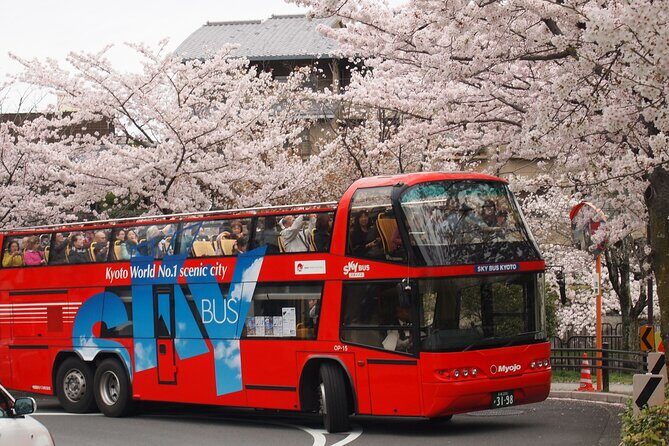
- Hop on and off freely at Sky Hop Bus stops during your one- or two-day ticket window
- Open-top views from a double-decker for photos and street scenes between stops
- Multilingual audio with included earphones, plus onboard WiFi
- Unreserved seating, so arrive early if you care about top-deck views
- Hot weather needs prep (bring water), and rain means you’ll have a poncho
First Ride, Smooth Finds: Where This Bus Fits in Your Kyoto Day
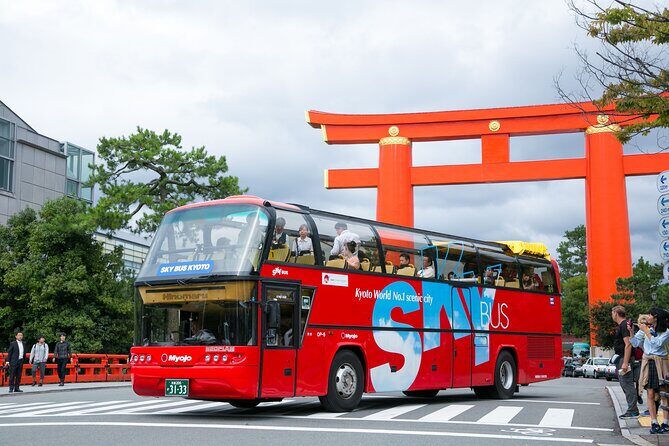
Kyoto Station is the natural starting point for this kind of tour, and the bus begins there. That matters because Kyoto can feel spread out, so having a “hub” base keeps you calm when you’re switching between temples, markets, and neighborhoods.
Finding the exact stop area can be a bit tricky at first—Kyoto Station is huge. I’d budget a few extra minutes to locate the bus entrance and line up, then treat the ride as your moving compass. Once you’re on, you can settle into the rhythm: listen to the audio guide, look up at the skyline, then hop off when something catches your eye.
Also note the bus seats are unreserved. That’s good news for flexibility, but it means you may not get the best seats (especially up top) if you show up late at a stop. If you want the classic photo angles, plan to start early in the day and give yourself time to choose where you sit.
If you're still narrowing it down, here are other tours in Kyoto we've reviewed.



Price and Timing: Is This $45.56 Ticket Good Value?
At $45.56 per person, this is not the cheapest way to see Kyoto. But it can still be good value because you’re buying time-saving transport plus audio + earphones + a hop-on hop-off pass instead of doing everything with point-to-point rides.
The tour is listed at about 1 hour 8 minutes for the main experience. In real life, your total day won’t be 1:08 unless you stay onboard the whole loop. What makes this ticket worthwhile is that you can treat it like a system: ride when moving between areas, then walk to sights for as long as you want.
One practical scheduling note: service frequency can be slower than people expect. You’ll want to avoid a strategy where you hop off, sprint to your first stop, then assume the bus will be right behind you. If your day includes popular temple timing, I suggest building in buffer time between hops.
The Hop-On Hop-Off Pass: How You Should Use It
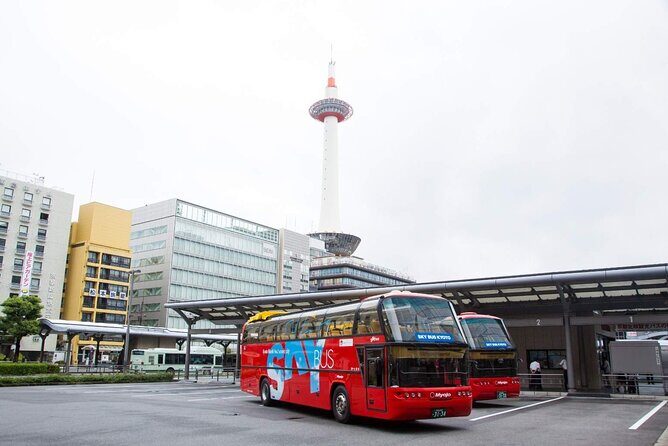
The big idea here is simple: you’re not locked into one fixed route order. You can get on and off as many times as you like at Sky Hop stops within the ticket validity period (one day or two days, depending on what you choose).
Here’s how I’d use it for an efficient first trip:
- Start with the section that has your top priority first (Golden Pavilion or Kiyomizu-dera, for example).
- Use the bus for the transitions, then slow down on foot for the “small Kyoto” moments—side streets, temple approaches, and market lanes.
- If you find a stop is crowded or you’re tired, skip it and roll to the next one. That freedom is the whole point.
Because seats are unreserved, you’ll also want a strategy for visibility. If you care about the view from higher seating, hop on at major stops earlier in the loop. Later stops can mean fewer choices.
Stop by Stop: East Kyoto From Silver Pavilion to Kiyomizu-dera
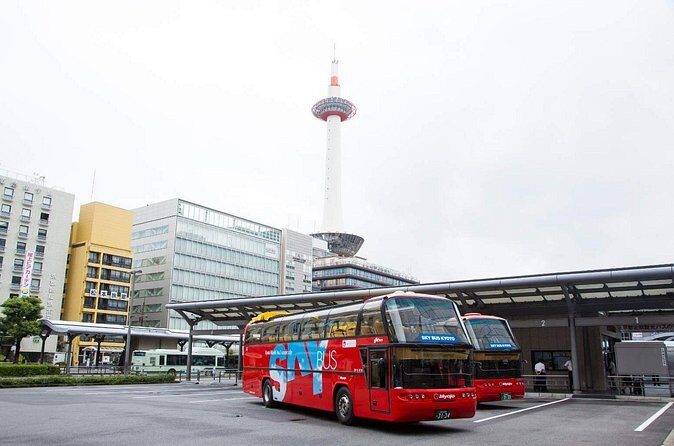
The east side of Kyoto is where many first-timers feel the most “Kyoto magic,” and this bus is designed to give you easy access there. You’ll pass through classic sightseeing zones and drop you near some of the city’s most famous temple experiences.
Kyoto Station
This is your reset button. It’s where you can re-check your plan, grab water, and start fresh. The catch is that Station area crowds can hide the bus stop the first time, so give yourself a little time to orient.
Karasuma Gojo
This is more of a central “connective” stop than a single must-see monument. It’s useful when you want to link shopping streets with temples without crisscrossing across town.
Shijo Karasuma Nishiki-Ichiba Market
Nishiki is a food-and-stroll kind of area. You can jump off to graze, then return to the bus when you’re ready. The drawback is the usual one: markets get crowded, and walking can slow you down if you’re waiting for a specific pickup time.
Kyoto City Hall
This stop is helpful for orientation and location, even if it’s not the star attraction. It’s a practical anchor when you want to reposition for nearby districts rather than chase a single landmark.
Ginkakuji Temple (Silver Pavilion)
This is a top choice for many people because it pairs famous scenery with a classic temple approach. Plan for time to move around the grounds at a comfortable pace, because this isn’t a “see it from the street” stop. Crowds can build, so earlier is usually easier.
Heian-jingu Shrine & Okazaki Park
This stop gives you a shrine visit plus the open-air space of Okazaki Park. It’s the kind of area where walking matters, so if you’re using the bus as transportation, you’ll also want to use it as time for strolling.
KOTOWA KYOTO YASAKA (Gion-machi area)
This puts you close to Gion’s atmosphere—streets, traditional mood, and evening stroll energy. It’s a good place to hop off when you want Kyoto to slow down. The only downside is that some surrounding areas are simply busy, so pick a time when you can handle crowds.
Gojozaka (for Kiyomizu-dera)
This is one of the most dramatic Kyoto walking moments. The area around Gojozaka is known for the steep, layered approach to the Kiyomizu-dera zone, which means expect stairs and uphill walking. If you’re short on energy, plan your hop-off time carefully and keep your expectations realistic.
Sanjusangendo Kyoto National Museum area (near Hyatt Regency Kyoto)
This stop is handy if you want temple culture plus a museum option nearby. It’s not just “ride by,” because the area is built for visitors who spend time on-site. The only consideration is that you’ll likely want longer than you think if you’re into interior exhibits or detailed temple experiences.
Second Loop: Nishi Hongan-ji, Nijo-jo, and the North/Imperial Zone
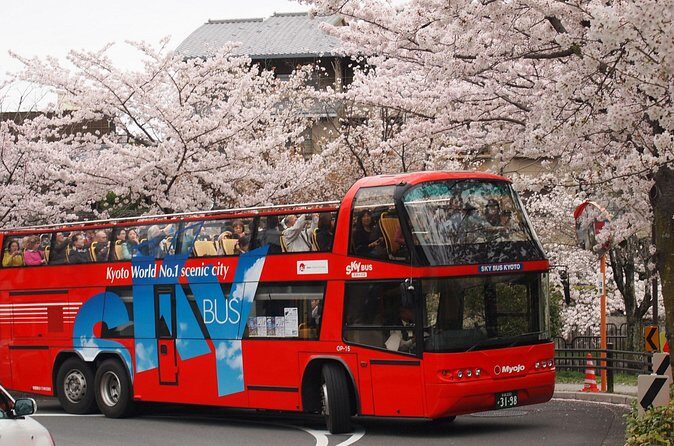
The other set of stops helps you cover big historic sites and a different side of Kyoto—castles, major temples, and palace grounds. Think of this as the “structure and scale” section of your day.
Nishi Hongan-ji Temple
This is a large temple complex feel, and that changes your experience compared to smaller shrine lanes. It’s a strong stop if you want a bigger, more monumental sight. The drawback is simple: big places take time, so don’t stack too many other hops right after.
Nijo-jo Castle
A castle stop is a great way to balance all the temple garden imagery. It’s ideal if you want Kyoto’s historical layers in one place. Like other major sites, it’s popular, so expect some crowds and plan around that.
Kitano-tenmangu Shrine (Kamishichiken)
This is a nice counterpoint to the more central temple zones. It gives you a shrine visit with a slightly different vibe, which helps if you’re feeling temple fatigue. The practical tip: wear shoes that handle walking because the area invites exploring beyond the first photo spot.
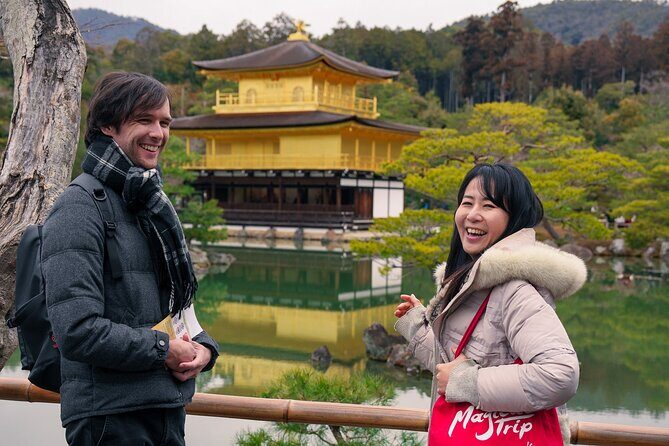
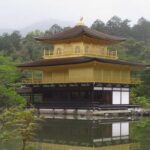
Kinkaku-ji (Golden Pavilion)
If Kyoto has a single icon on many people’s lists, this is it. You’ll want enough time to find your best viewing spot, take photos, and still enjoy the approach rather than rushing. The catch is that this is a top attraction, so peak times can mean longer waits and tighter movement.
Daitoku-ji Temple
Daitoku-ji is a temple stop that can feel calmer than the biggest headline sights. It’s a good option if you want a quieter break while still staying in the temple world. The practical challenge: temple areas can be spread out, so keep your hop-off-to-walk time realistic.
Kyoto Imperial Palace area (Doshisha Univ.)
This stop can help you see Kyoto’s “official” side and gives your day a change of scenery. It’s a good add-on if you want history in a broader civic setting instead of just religious architecture. If you’re short on time, you can still use this stop as a quick repositioning point.



Don’t Miss Downtown: Karasuma, Nishiki, and the Market-to-Temple Rhythm
Even if your must-sees are temples, I think the downtown stops matter because they teach you how Kyoto strings together different styles. A market stop like Nishiki-Ichiba helps you switch from the quiet stone-and-garden world to everyday street life.
Karasuma Gojo and the central stops around Shijo are useful for that same reason. You can use them to get your bearings, grab snacks, and then move back into temple zones without wasting time hopping taxis across town.
If you’re planning to eat while you ride, build your day around the fact that food stops slow you down. That’s not a bad thing—it’s Kyoto. Just don’t bet your whole day on a super tight pickup schedule.
Comfort, Audio, WiFi, and Rain Prep
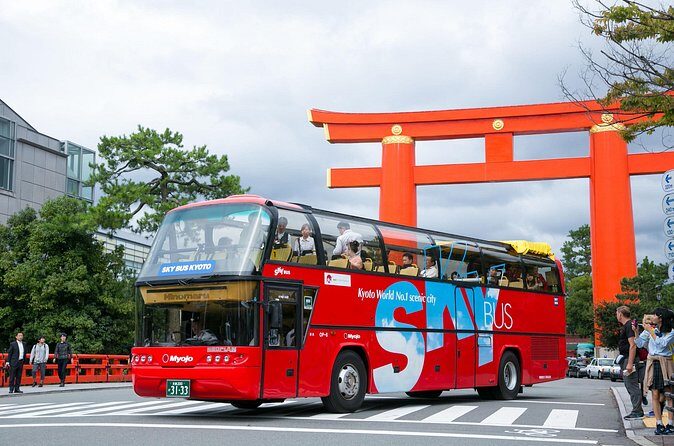
This tour includes multilingual audio guide and earphones, which is a big deal when you want your sightseeing to make sense while you’re on the move. The audio helps you connect what you’re seeing—temple names, neighborhood context, and cultural background—so you’re not just collecting photos.
I also like that there’s onboard WiFi. When you’re hopping off and re-planning, you can quickly check maps or confirm which direction to walk. It’s also helpful for your group if people split up temporarily and you need to regroup.
Rain is always possible in Kyoto, and this experience comes with a poncho if it’s wet. That small inclusion can save your day, especially if you’re planning to hop off and walk.
One more comfort tip based on real-world experience: if it’s hot, plan for it. Heat can hit hard when you’re sightseeing and waiting at stops. Bring water and take breaks when you hop off rather than treating the day like a nonstop sprint.
Getting the Best Views: Unreserved Seating and Top-Deck Strategy
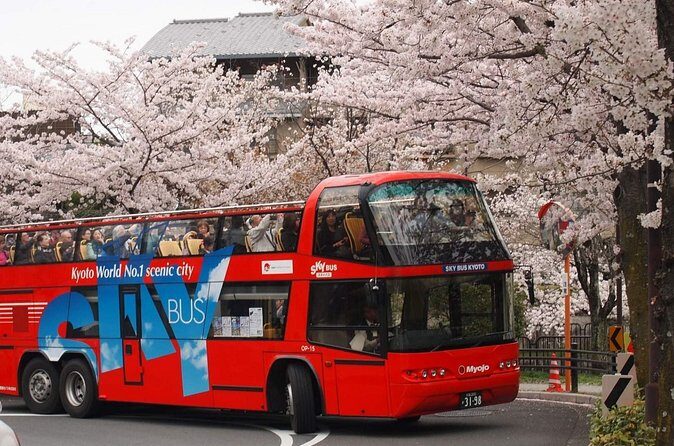
Because all seats are unreserved, the bus rewards early action. If you want the classic open-top feeling and the best sightlines, ride with a bit of urgency at the start of the day, and be ready to move quickly when you get on.
When you’re planning your hop-offs, think like this:
- If a stop is near your main “hero” attraction, use it as your time to get photos and then settle in on foot.
- If a stop is more of a transfer point, hop off only briefly unless you already know you’ll want to walk around.
If you’re traveling as a group, pick a simple regroup rule before you start. That reduces stress when someone needs an extra minute at a viewpoint or snack stand.
Should You Book the SKY HOP BUS Kyoto?
I’d book this hop-on hop-off bus if you want Kyoto to feel manageable on your first visit. It’s a solid way to connect Kinkaku-ji, Kiyomizu-dera, and the Gion area with market and downtown stops, and you get audio and WiFi that make the ride more useful than just transport.
I’d also book it if you like flexibility. The pass lets you skip what you don’t feel like doing and return to what you want to repeat.
I wouldn’t book it as your only plan if you’re the type who schedules every minute. Service timing and longer sight-attraction visits mean you need breathing room between hops. I’d also suggest shopping around for the best price since ticket costs can vary by seller.
If you match the tour to your style—comfort, walking time, and a flexible mindset—this can be one of the easiest ways to see Kyoto without turning your day into a logistics puzzle.
FAQ
How long is the SKY HOP BUS Kyoto hop-on hop-off experience?
It’s listed at about 1 hour 8 minutes (approx.).
What does the ticket cost?
The price is $45.56 per person.
What attractions or areas does the bus route cover?
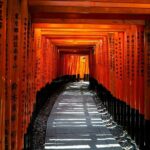
The tour is designed to cover major Kyoto sights and neighborhoods including Kinkaku-ji (Golden Pavilion), Kiyomizu-dera, Gion, and areas associated with Fushimi Inari Shrine and Arashiyama.
Is there an audio guide on board?
Yes. You get a multilingual audio guide plus earphones.
Is WiFi available on the bus?
Yes, there is onboard WiFi.
Can I hop on and off as many times as I want?
Yes. You can get on and off as many times as you like at all Sky Hop Bus stops within your ticket validity period.
Are bus seats reserved?
No. All seats are unreserved.
Does the tour include a poncho for rain?
Yes. A poncho is included in case of rain.
What stops are included on the route?
Stops include Kyoto Station, Shijo Karasuma Nishiki-Ichiba Market, Kyoto City Hall, Ginkakuji Temple (Silver Pavilion), Heian-jingu Shrine (Okazaki Park), KOTOWA KYOTO YASAKA, Gojozaka (Kiyomizu-dera Temple), Sanjusangendo area, Nishi Hongan-ji Temple, Nijo-jo Castle, Kitano-tenmangu Shrine (Kamishichiken), Kinkaku-ji, Daitoku-ji Temple, and Kyoto Imperial Palace area.
What should I know about weather and refunds?
The experience requires good weather. If it’s canceled due to poor weather, you’ll be offered a different date or a full refund.
Are tickets refundable if I cancel?
No. This experience is non-refundable and cannot be changed for any reason.